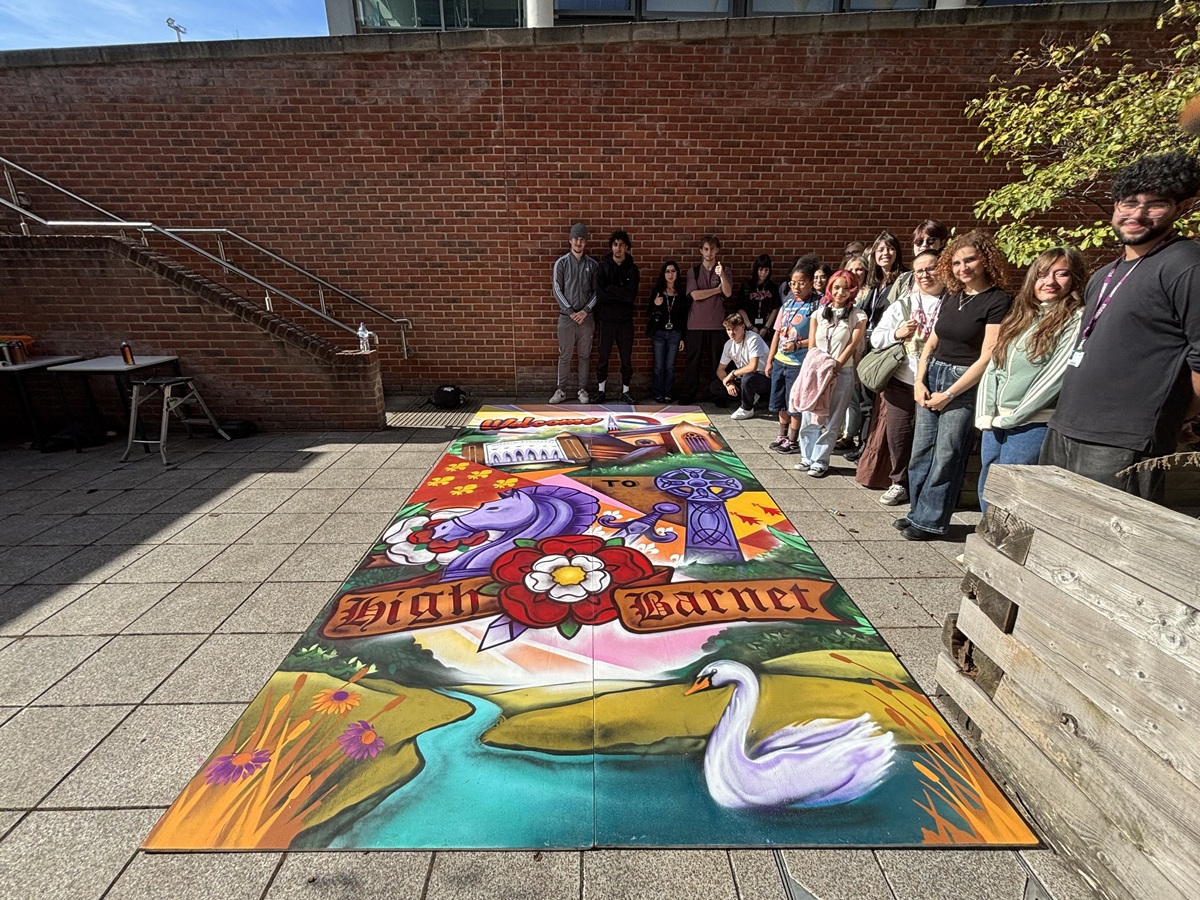
Posted on Leave a comment

Expanded Barnet Medieval Festival promising another premier event for Wars of the Roses re-enactors and spectators

Expanded programme planned for Barnet Medieval Festival with more mounted men at arms, a falconry display and competition for youngsters in period costomes and fancy dress

A new tee shirt commemorating the 555th anniversary of the Battle of Barnet will be on sale at the annual Barnet Medieval Festival over the weekend, on Saturday and Sunday June 6 and 7.

For the second year the festival is being held at its new and much larger site in the fields around the Lewis of London Ice Cream Farm in Galley Lane.

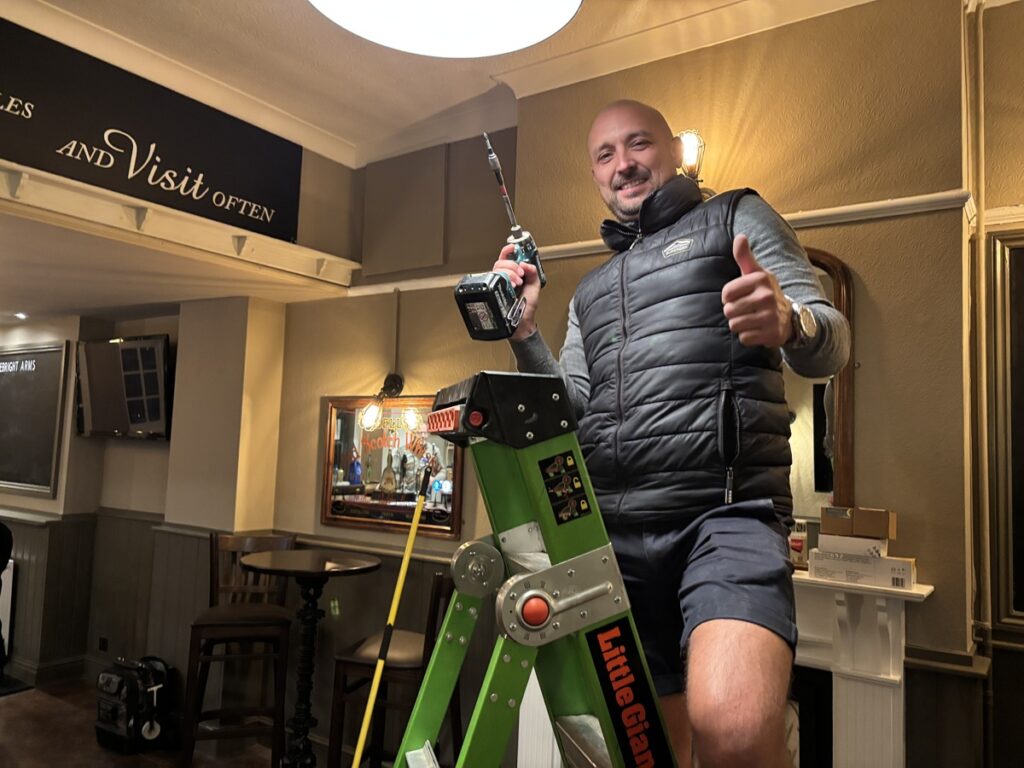
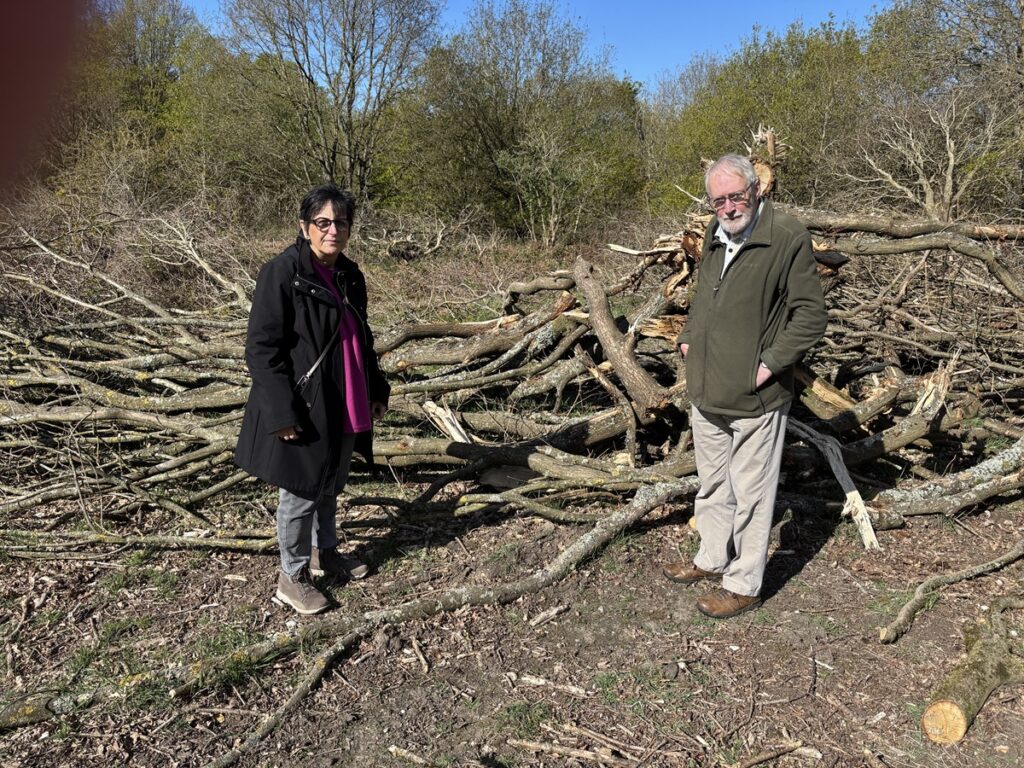
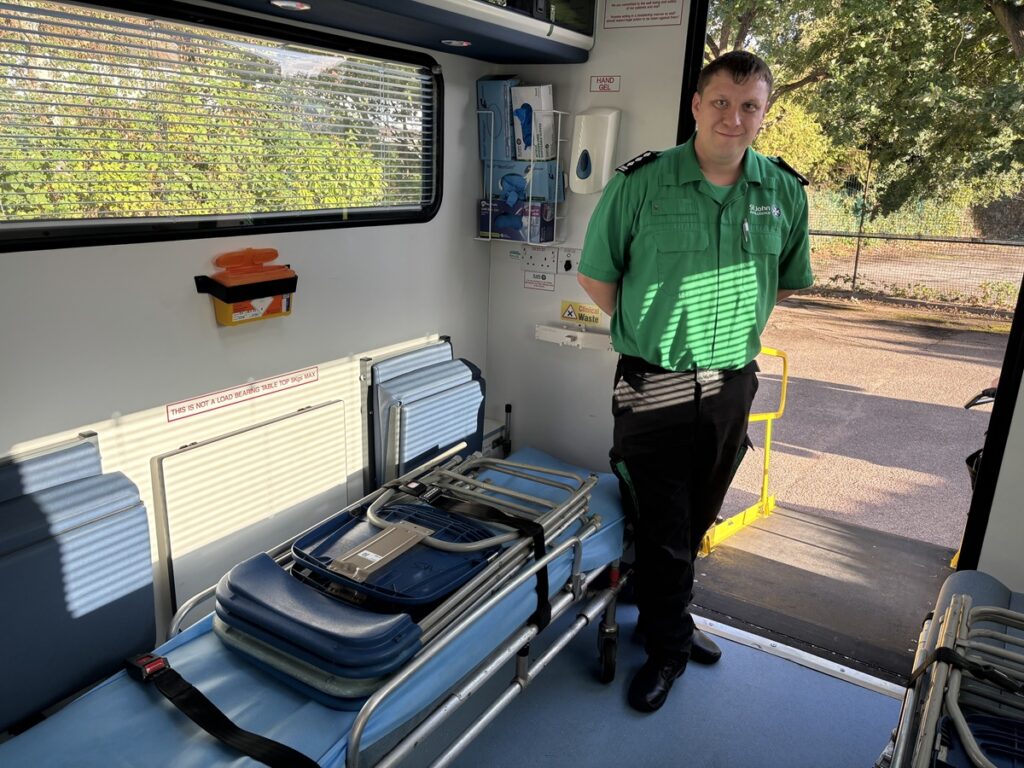
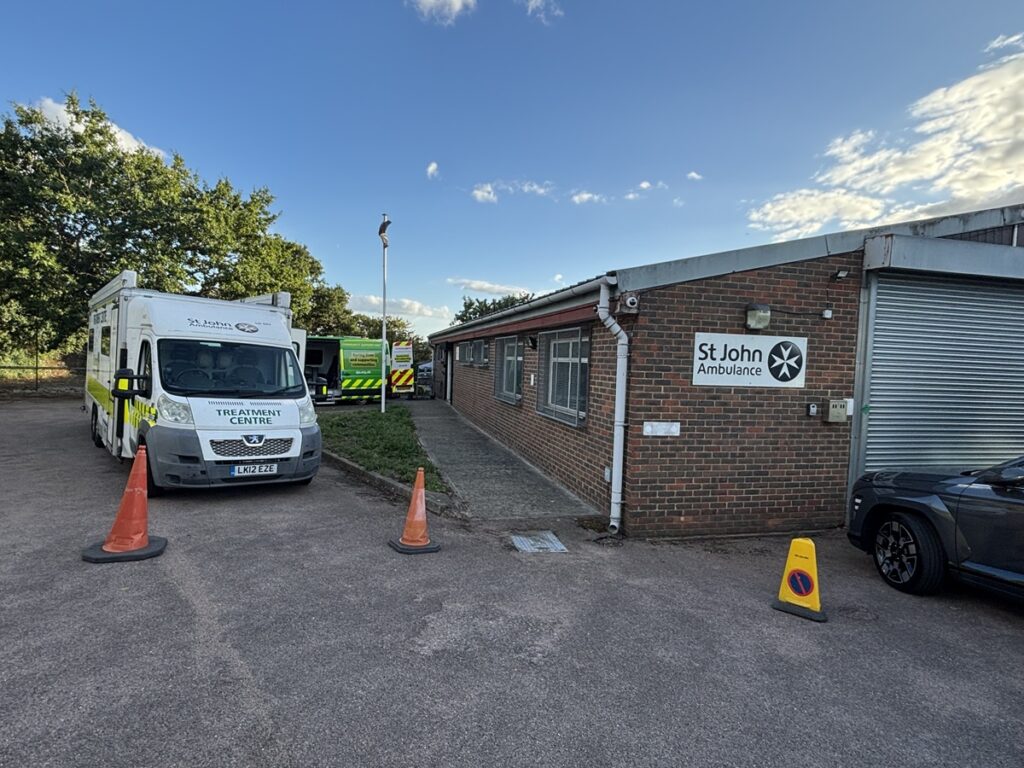
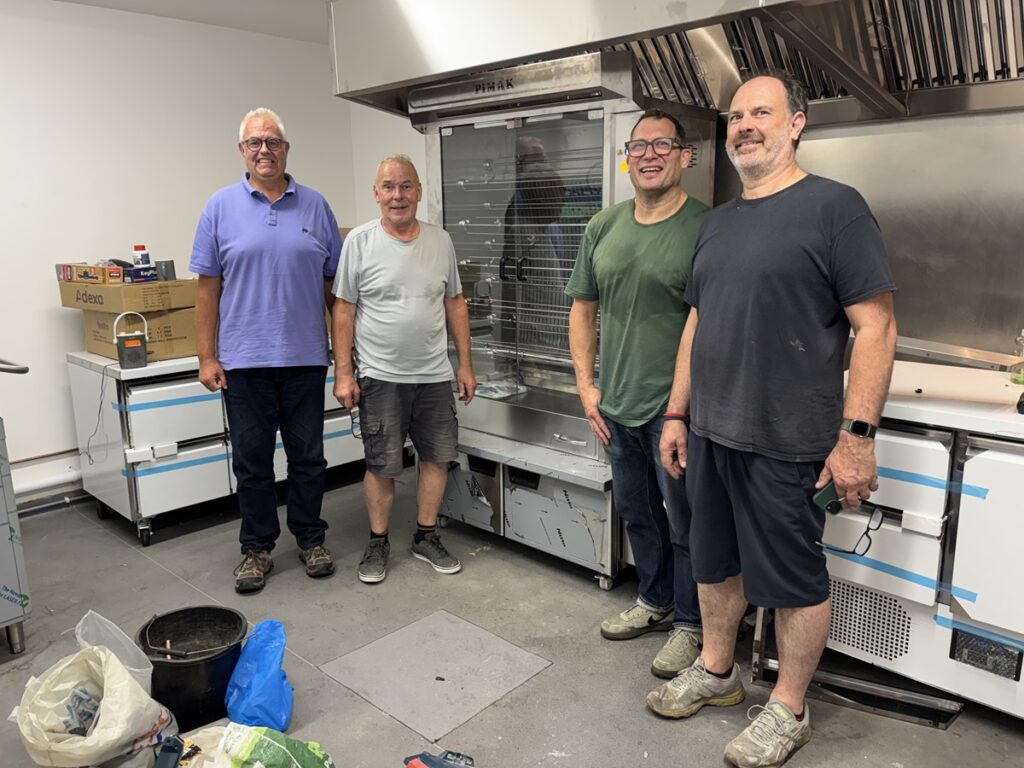
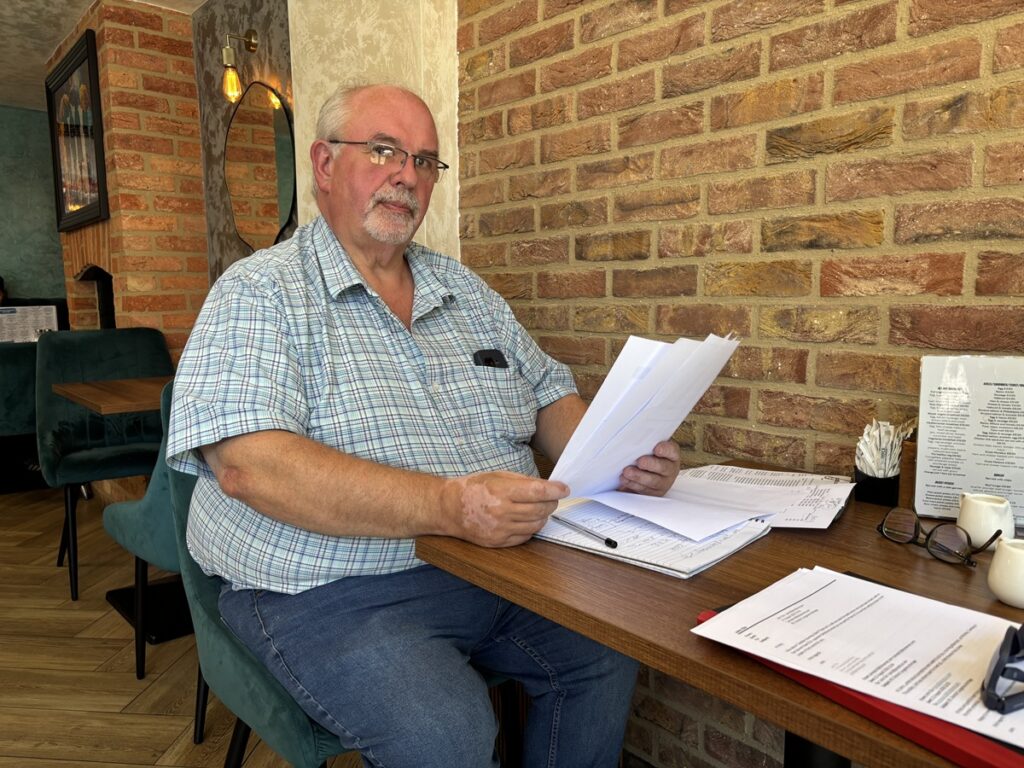
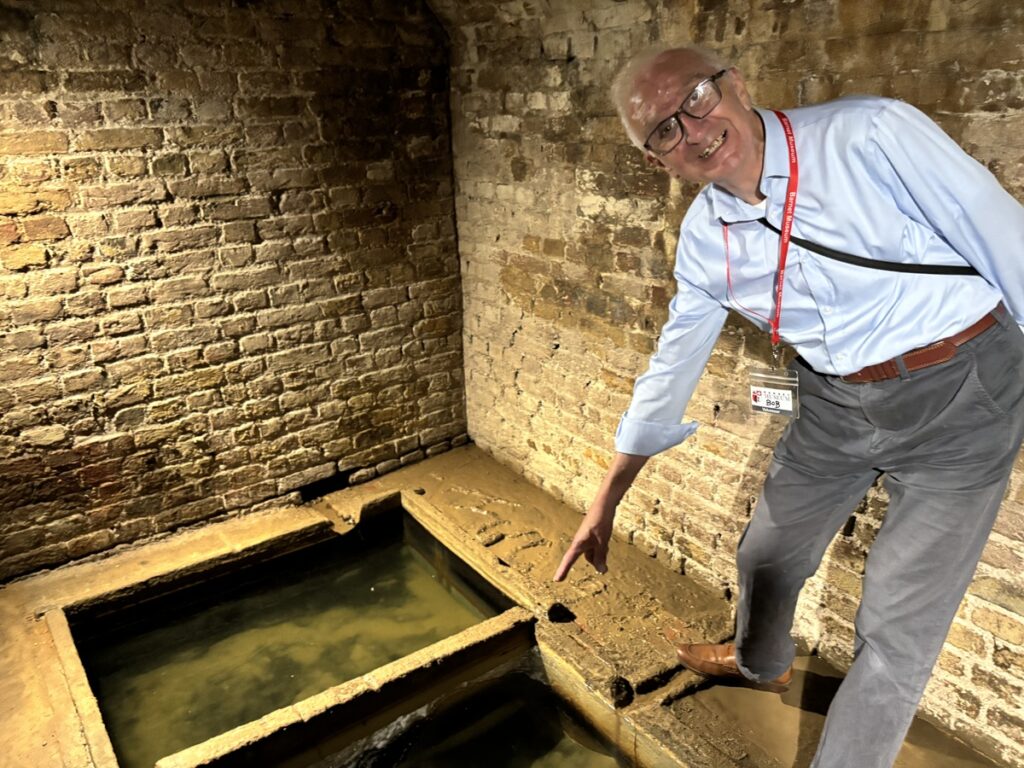
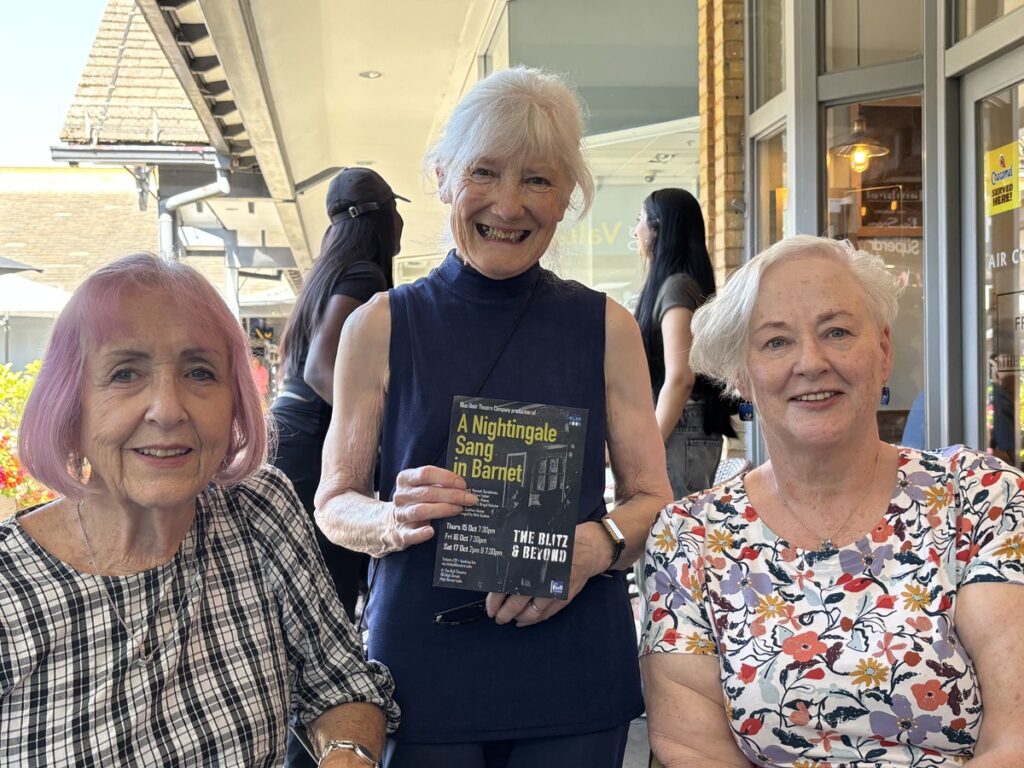
D Susan Skedd, the festival director – see above with volunteer Chris Nightingale – says the £15 new tee shirt is a special edition which she hopes will appeal to Wars of the Roses enthusiasts.

After record attendance and participation last year, the festival is becoming a premier event for among military re-enactors and medieval traders and there is again an expanded programme of events.

Twice as many mounted men at arms and their horses will be taking part this year and for the first time at the festival there will be falconry displays by the falconry team Hawking About.

Among the highlights each day will be the re-enactments of the Second Battle of St Albans 1461 (at 12noon) and the Battle of Barnet 1471 (at 4pm).

Younger visitors under 12 will be able to take part each day in a competition for the best period costume or fancy dress (judging at 1.30pm).

Prizes will be awarded for the most historical and creative costumes.

Tickets can be bought at the gate or in advance from the online shop before June 5: www.barnet-medieval-festival-committee.sumupstore.com

There will be free parking onsite in Galley Lane, including disabled parking and taxi drop-off and a free shuttle bus that will run regularly from behind The Spires in Stapylton Road.
Full information: www.barnetmedievalfestival.org

Posted on 2 Comments

Campaign to save and rebuild an abandoned clubhouse for benefit of Underhill residents gathers pace ahead of its sale by Barnet Council

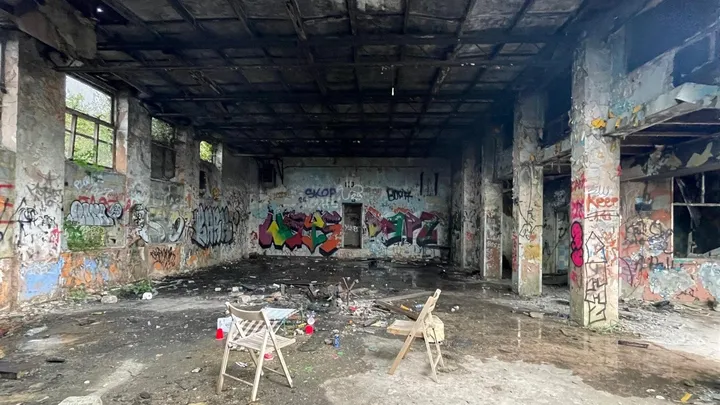
Residents around Mays Lane are anxious to attract support for a community bid to take over the derelict former Quinta Youth Club which has been put up for sale by Barnet Council for £300,000.

Local groups have until October to submit offers and proposals to the council. Several eligible community interest organisations have already expressed interest.

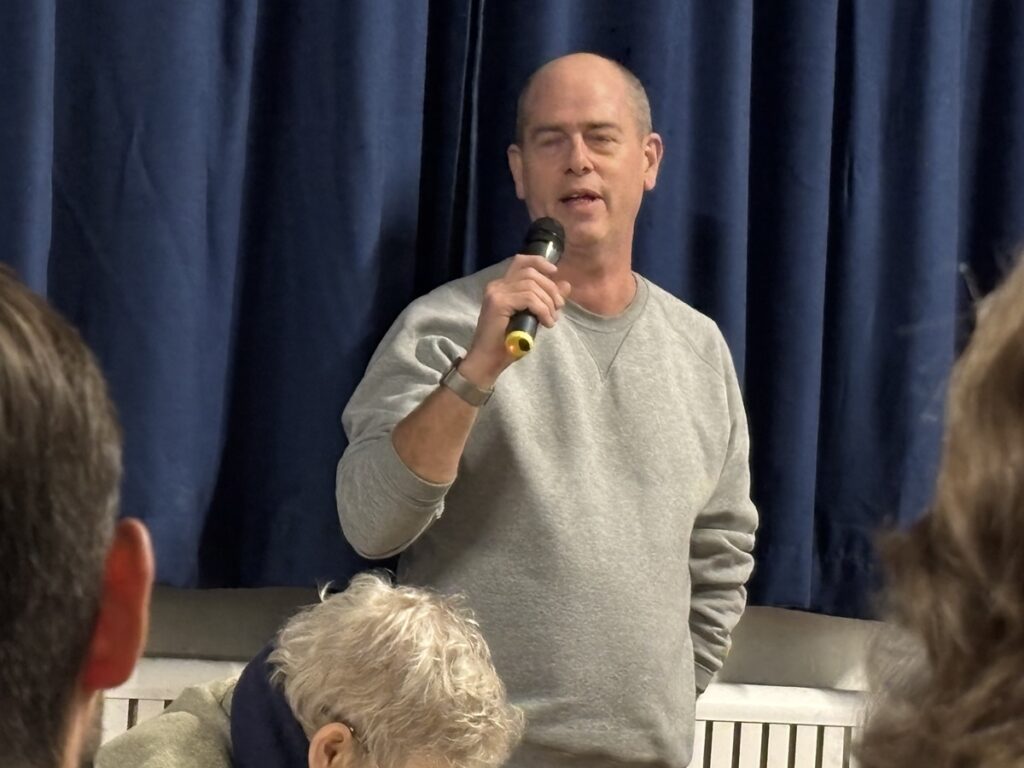
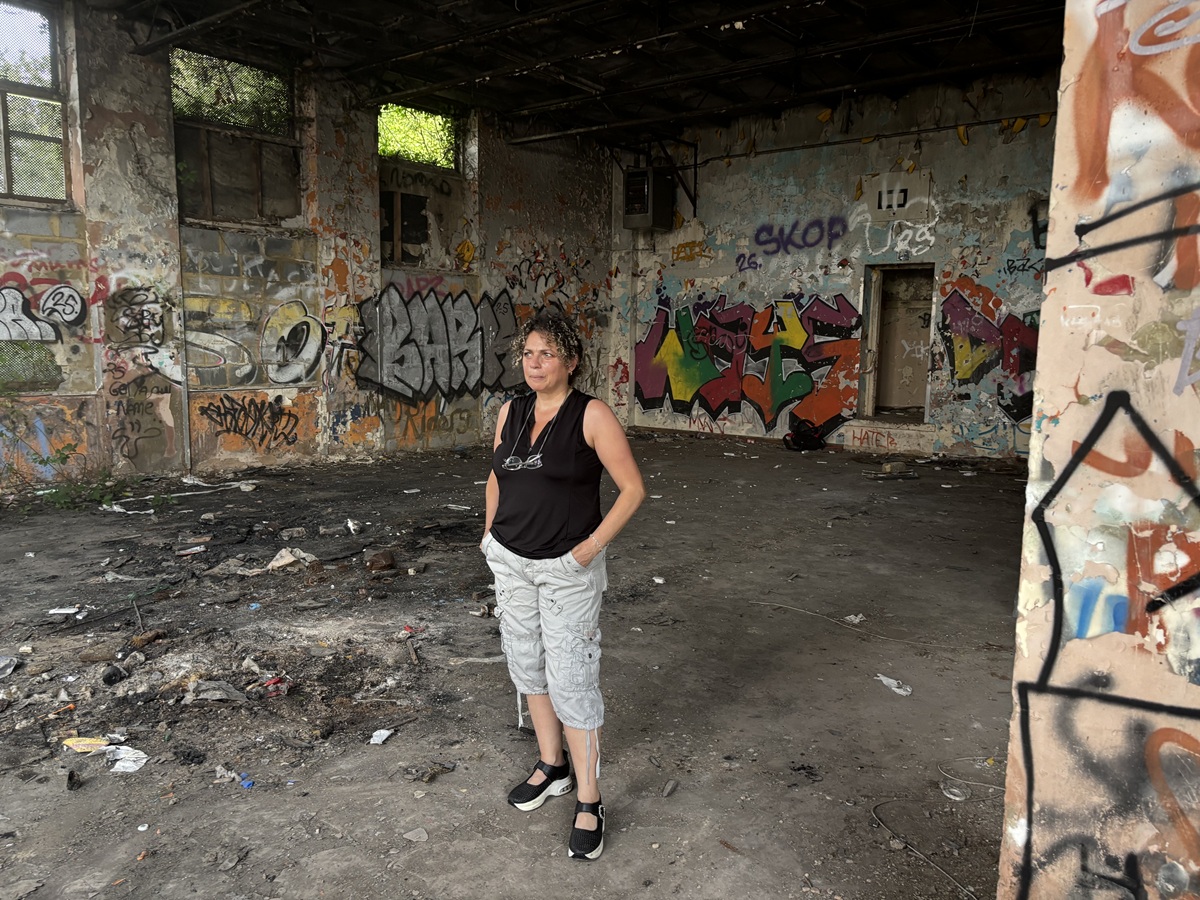
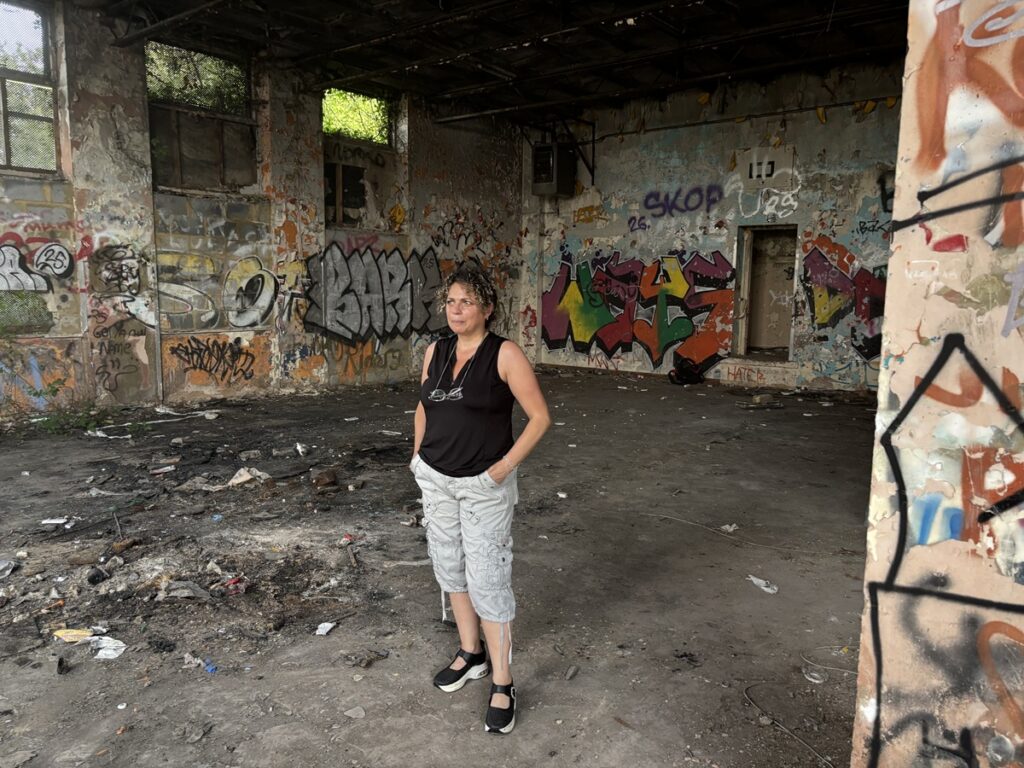
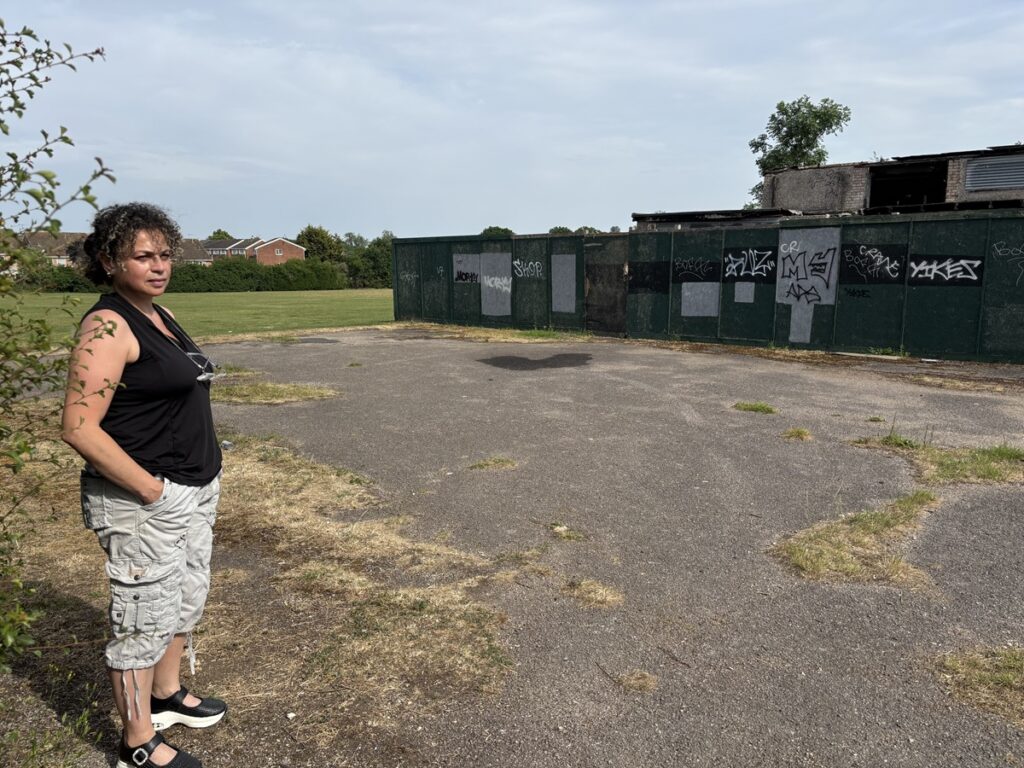
Gina Theodorou (above), chair of the Quinta Village Green Residents Association, is appealing for a concerted push by the locality to help to secure and re-open the derelict club as a community hub and space.

“We fear Barnet Council may favour selling the abandoned building to an organisation from outside the area rather than a genuinely local community-led proposal.

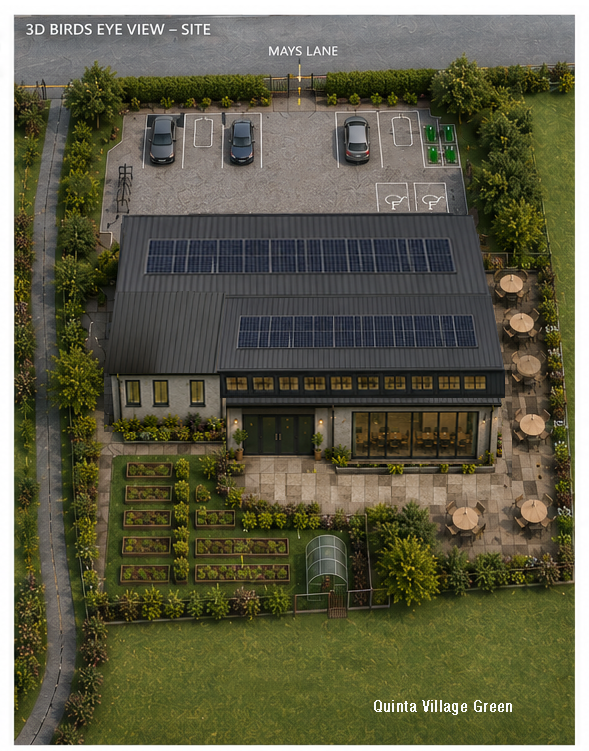
“Our aim is to create a flexible new community building and integrate it into Quinta village green which is alongside and which we have already made sure is preserved for the use of our community.”

As a first step a community interest company is to be established by the residents’ association to develop a business plan.

An image, showing what a revived Quinta Club building might look like, has been issued in support of an appeal on Facebook and GoFundMe to help with the cost of planning and funding the application:

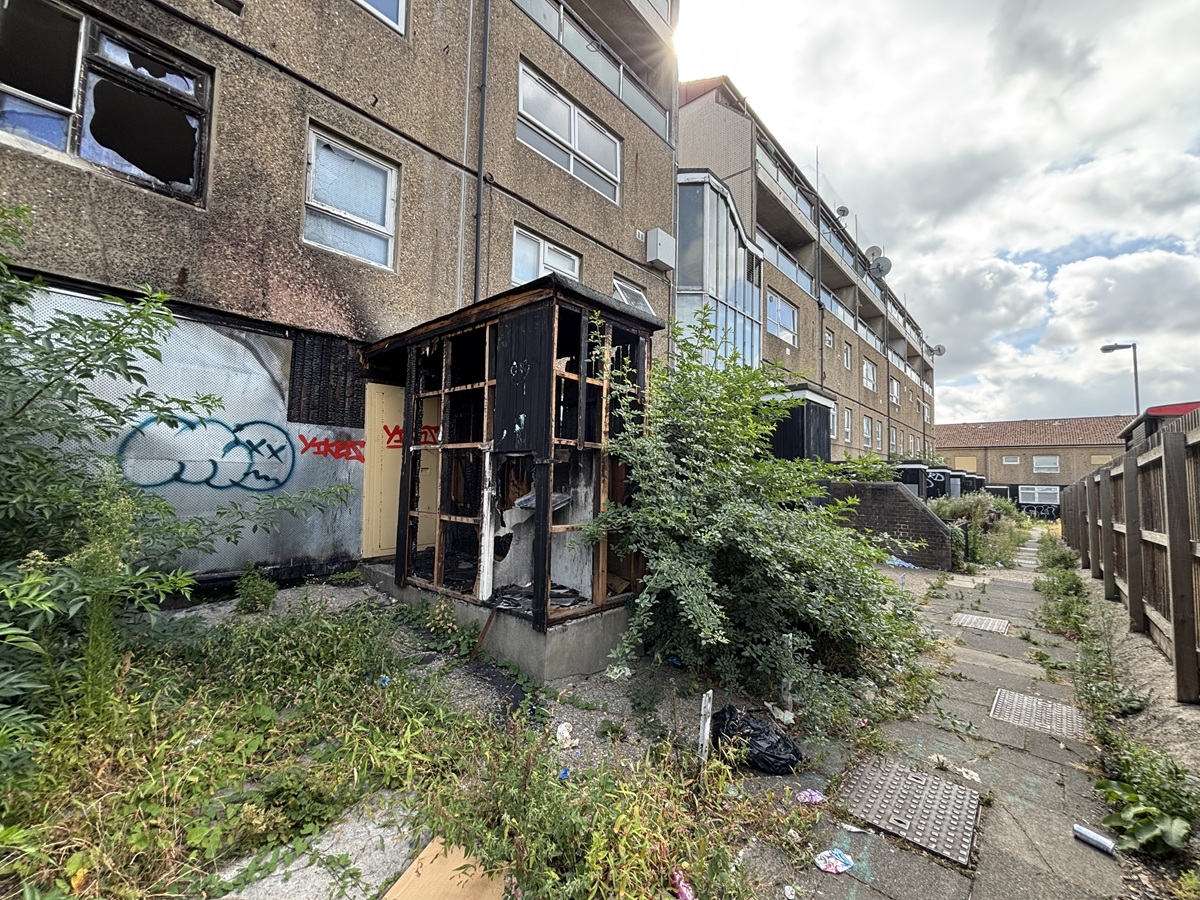
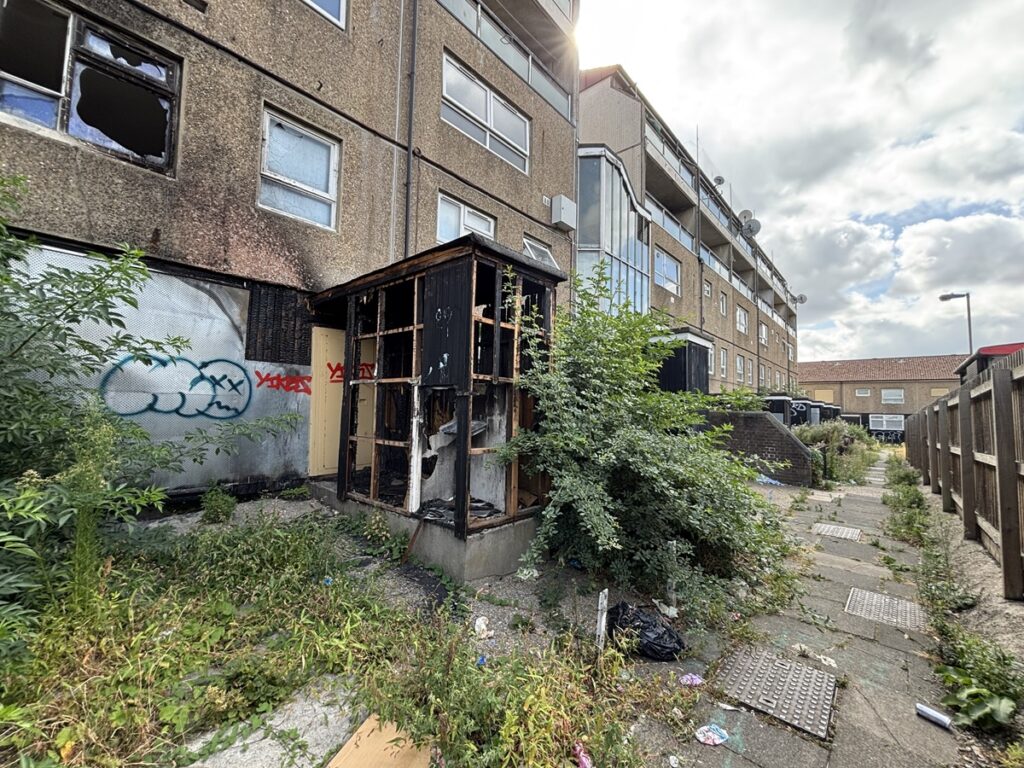
The club building – originally constructed by the Underhill community in the 1960s with the help of local tradesmen and residents – has been derelict for the last 20 years, raising concern among Mays Lane residents about continuing vandalism and anti-social behaviour.

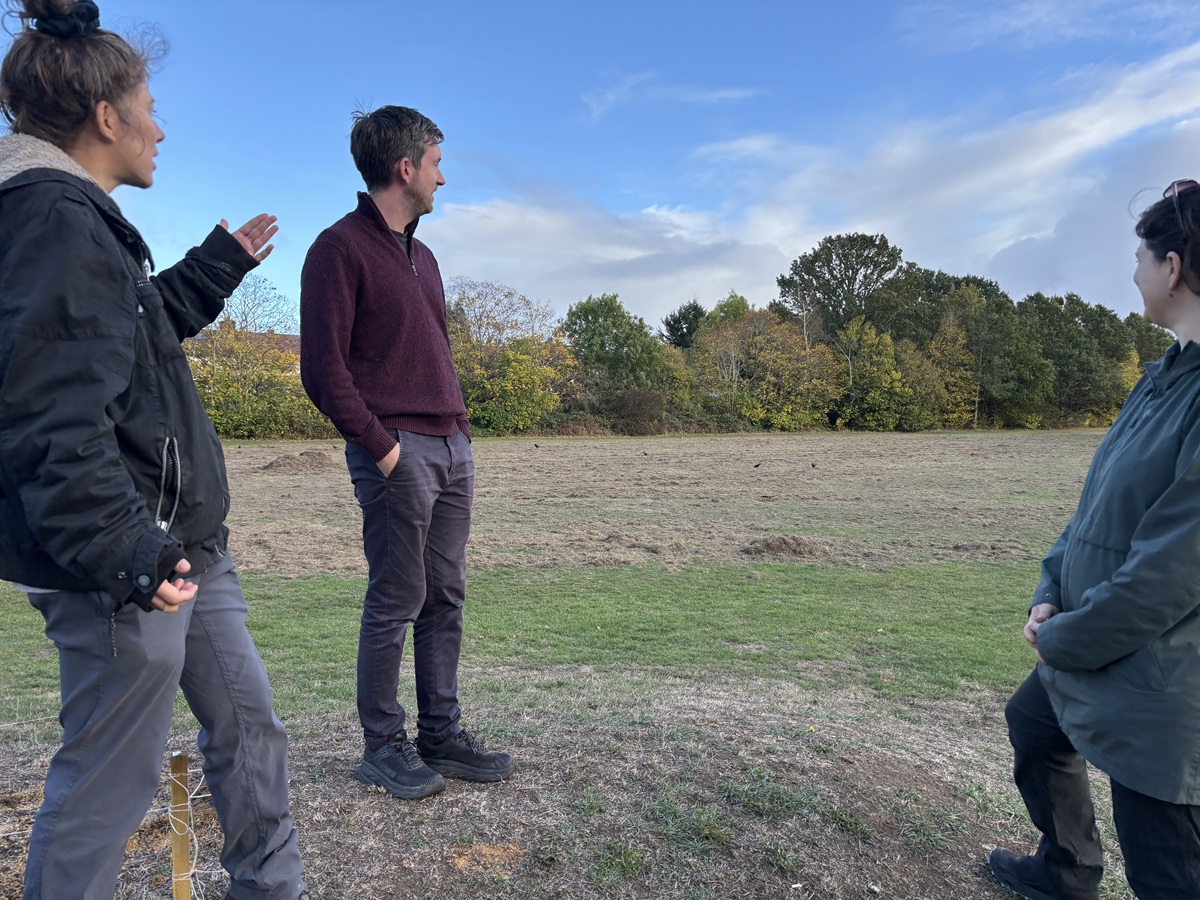
Gina Theodorou – seen above with Rory (16) who is supporting the campaign for a new community space for local youngsters – is urging the community to rally round as quickly as possible so that a proposal can be submitted to the council by the deadline of October 17.

“In its heyday the Quinta Club was a wonderful community space – it was a youth centre, a meeting place for the elderly, for a nursery and for all sorts of exercise classes.

“We are becoming increasingly concerned because the council is getting expressions of interest from community groups outside the area– including religious organisations – and the priority for the council seems to be getting rid of the freehold for the best possible price.

“We want to keep the building as broad-based shared community asset, which is financially sustainable and offer affordable room hire, café, and space for family and youth activities.”  

It was at the request of residents’ association that the abandoned building was registered by the council as an asset of community value.

This has established a six-month moratorium during which the council may only sell the former club to a qualifying community interest group – a window of opportunity which lasts until October 17.

An open day will be held at the site in Mays Lane on Tuesday 30 June (from 11am to 2pm) when qualifying groups can view the property and ask questions, although there is a warning that viewing might be limited to “an external walk around on grounds of safety”.

To build up support for its GoFundMe appeal and a combined local response, Mrs Theodorou is hoping to draw on professional expertise within the community and wider backing from local politicians.

Dan Tomlinson, the MP for Chipping Barnet, launched a Community Action Network in March this year, aimed at “shaping and showcasing” projects proposed by the local residents in his constituency.

Mays Lane is within the council’s Underhill ward and one of its two councillors, Zahra Beg, is the newly elected Mayor of Barnet.   

Campaign to mount a bid for community to rebuild the Quinta Club in Mays Lane which Barnet Council has put on the market for £300,000 with deadline of October for community bids

Ms Theodorou says residents have been become alarmed at the state of the dereliction.

There are gaps in the boarding surrounding the derelict building and it has become a dumping ground for rubbish.

After its success in getting Quinta village green registered as a public open space, the residents’ association liaises with the council to ensure maintenance of the green and to ensure that fly tipping is removed.

Posted on 27 Comments

Promise of 100 affordable new homes influences final go ahead for tower blocks at High Barnet tube station and loss of car parking

Approval has finally been given by the office of the Mayor of London for the redevelopment of land around High Barnet tube station with five blocks of flats despite warnings this would cause irreparable damage to an historic skyline.

A deputation from the town’s community groups told a hearing at City Hall that squeezing 328 new homes into a narrow strip of land between the tube line and the Barnet Hill trunk road was the “wrong scale in the wrong place”.

Objections were overruled by Jules Pipe, Deputy Mayor for Planning and Regeneration, who said that although three of the blocks would exceed the seven-storey limit agreed in the Barnet local plan – and one block would be 11 storeys – the impact of the height and massing of the flats would be negligible on the neighbourhood and no reason for refusal.

Building more affordable homes was the mayor’s priority and the High Barnet Place scheme would provide 100 new homes at low-cost rent or shared ownership.

“We must take advantage of sites which offer a high proportion of affordable homes and where the key travel infra-structure is in place,” said Mr Pipe.

“Inevitably schemes like High Barnet Place would be visible, including long range views…but the alternative would be to drive such schemes to the green belt and to less sustainable sites.”

Objections to the loss 160 spaces in the station car park – and the provision of only eight places for Blue Badge holders – were rejected by Mr Pipe on the grounds that encouraging tube passengers to walk to the station or take a bus would encourage “more sustainable means of travel and improve air quality”.

Developers Barratt and Transport for London’s investment subsidiary, Places for London, hope to start construction in February next year with the first affordable homes being available in February 2029 and the scheme completed by April 2030.

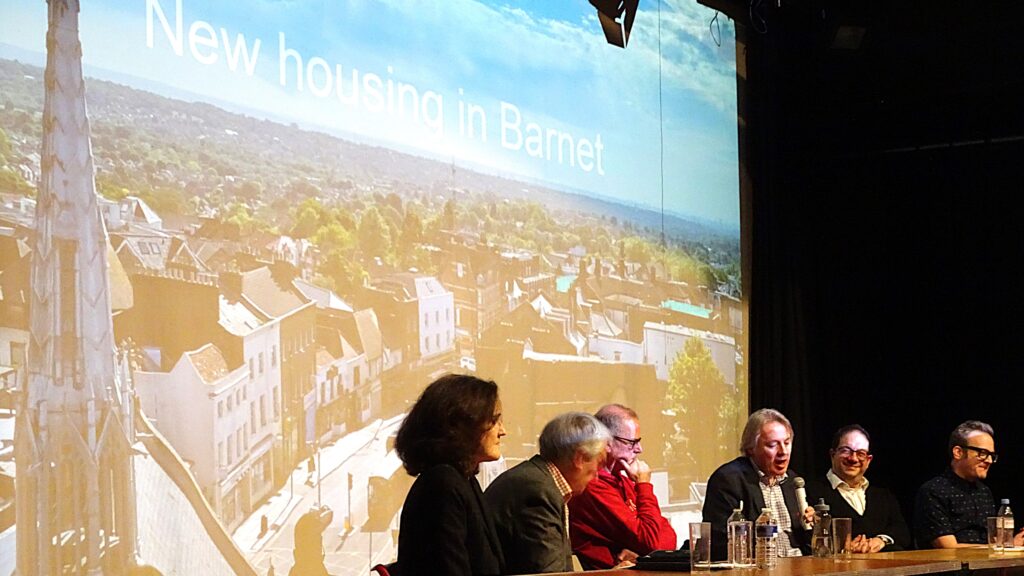
Mayor of London's office gives final go ahead for blocks of flats around High Barnet Station, Key factor 100 new affordable homes, a priority for the Mayor but station will lose its car park.

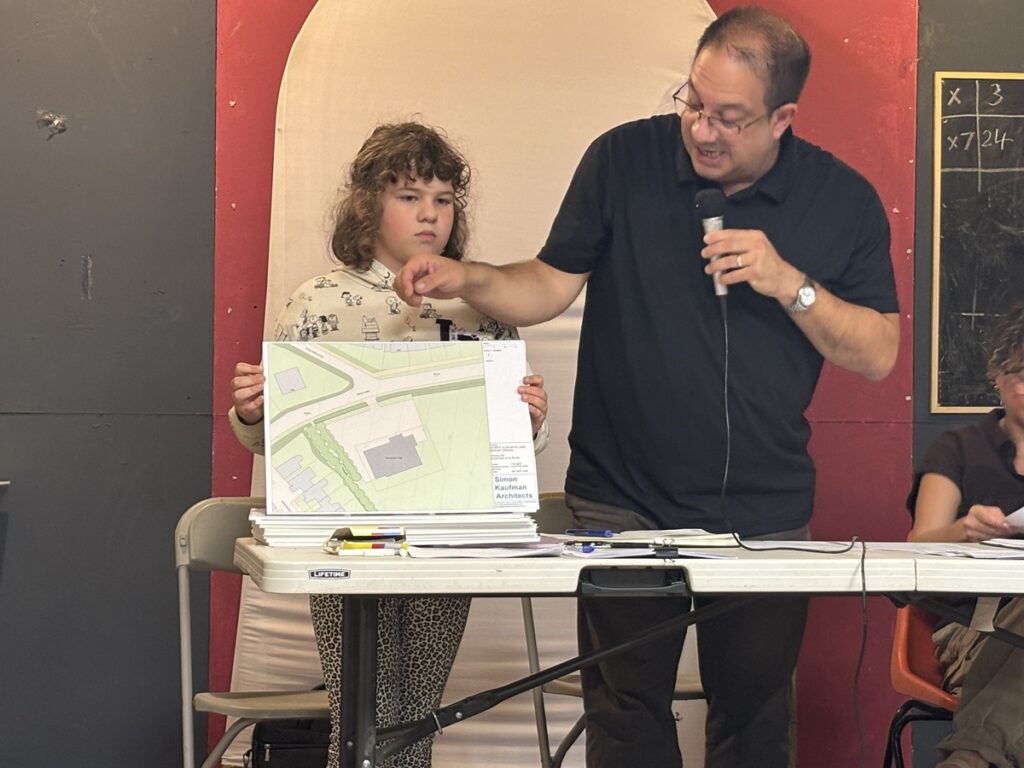
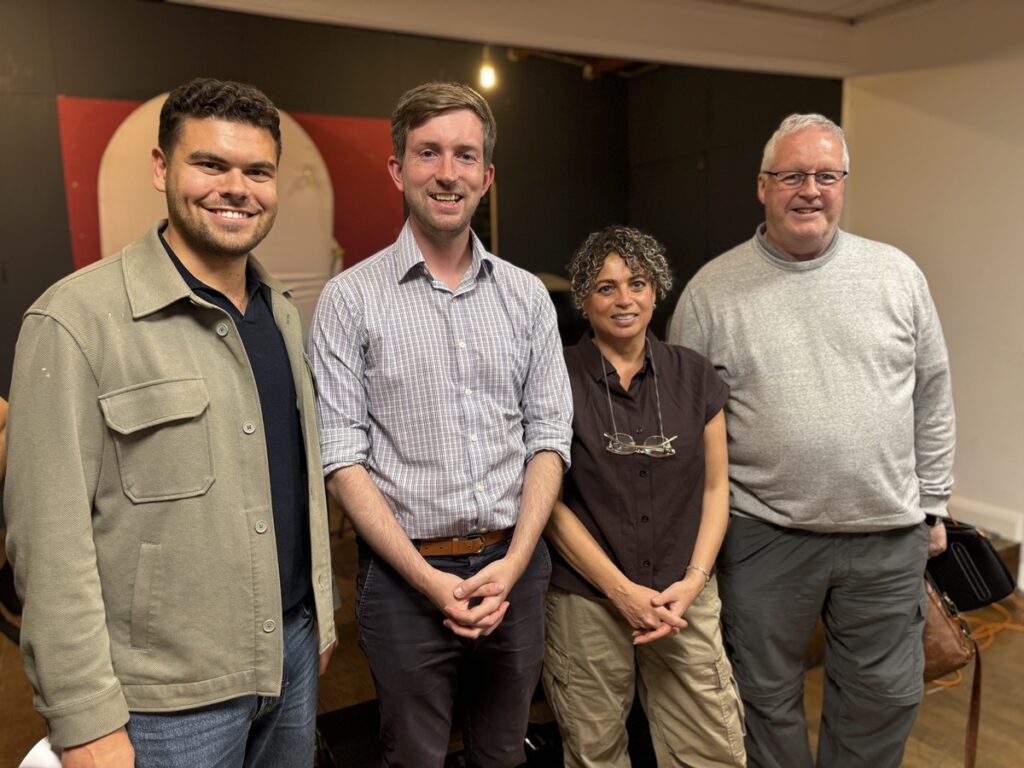
Simon Kaufman, a chartered architect (above, second from right), made a joint presentation on behalf of members of the Barnet Society and Barnet Residents Association.

He said many of the flats in the five tower blocks would be of poor quality, single aspect and reliant on mechanical ventilation.

The design of the scheme exemplified the social and management failures of high-density blocks of flats built across London in the 1960s and 1970s.

After Mr Pipe announced the scheme would go ahead, Mr Kaufman said the conscience of the objectors was clear.

“We listened to the lessons of history, and we are not prepared to see a repeat of the mistakes of the past. We did our best to prevent a development which we fear will become a disaster in years to come.”

Neil Smith, senior project planning officer for the Greater London Authority, opened the hearing by reminding the Deputy Mayor that Barnet Council had refused permission for the blocks of flats because of their excessive height and harm to the character of the surrounding area.

However, the GLA considered the height and massing of the blocks responded well to the immediate context and would make “a positive contribution to the local townscape”.

Given the loss of the car park, there would be nine drop off short-stay spaces and eight Blue Badge spaces, but otherwise the development would be car-free with an enhanced public footpath on the station approach.

A significant public benefit of the scheme would be 100 affordable new homes and there were “no material considerations of sufficient weight to justify refusal”.

In opening for the objectors Simon Kaufman said that when seen from the surrounding green belt countryside the proposed tower blocks harmed the historic skyline of High Barnet where the defining landmark on the hill had been the parish church.

“This is an over-scaled urban insertion imposed on to an historic hill town.”

An issue which eroded public confidence was that many residents were troubled by the fact Transport for London was effectively promoting development on its own land while the Greater London Authority and the Mayor of London were the decision-maker.

Mr Kaufman criticised the removal of the station car park without providing a realistic alternative and the steep topography of the station approach meant that women, older residents and disabled users would continue to face intimidating routes, particularly after dark.

Janet Littlewood of Barnet Residents Association, speaking on behalf of Gordon Massey, said the blocks of flats on the site would add to the existing chaos on the station approach where there were often traffic jams.

The area around the station was isolated and many women would not leave the station unless they could exit by car.

Nick Saul, a retired civil engineer, warned that the loss of the car park and the failure to provide bus access to the station forecourt raised serious concerns for women and the disabled.

Serious assaults to passengers when on foot or on cycle were not uncommon where parking had already been lost at tube stations.

Flaws in the design and access in and around suburban stations were a key factor in the prevalence and location of attacks.

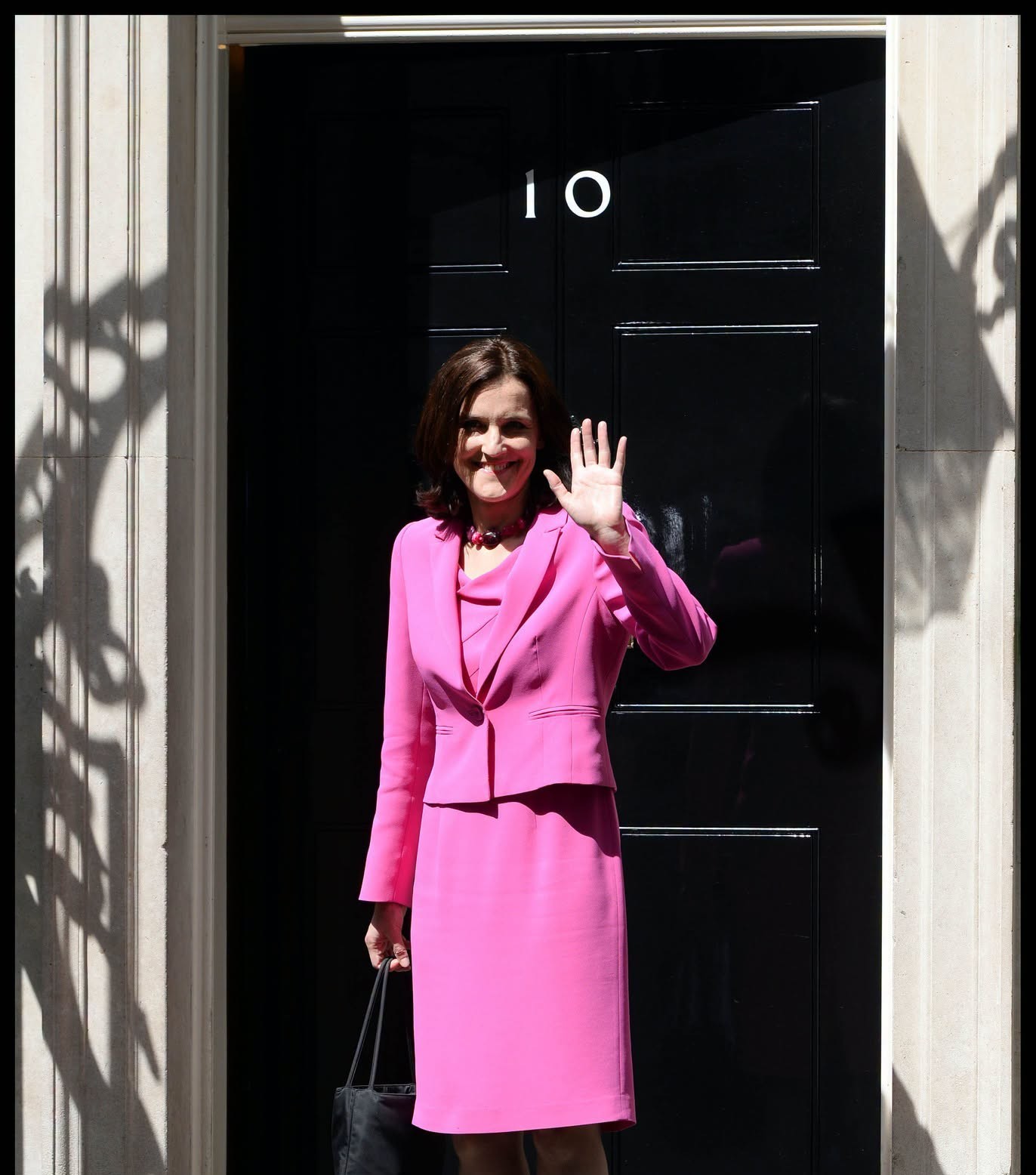
Dame Theresa Villiers, formerly MP for Chipping Barnet, who described herself as a resident and passenger, insisted that the loss of the station car park would damage the quality of life of many thousands of Barnet residents.

Anyone with impaired mobility would be at a disadvantage and the suggestion that more people might like to cycle to the station ignored the steepness of Barnet Hill – as she could testify personally it was “a tough climb for cyclists”.

“High Barnet station has been my station for 21 years. It is our get away to the world. Please don’t curtail the freedom of High Barnet people to live our lives the way we want to.”  

There was one speaker in support of the scheme, High Barnet student Yana Kostova, who said that given the pressure on local housing the only chance was to build upwards.

The prospect of more affordable homes was a relief. She thought High Barnet could “blossom and attract a younger generation with such schemes”.

In response to questions from the deputy mayor, Martin Scholar, head of planning for Places for London, said the developers Barratt Homes had maximised the number of affordable homes at High Barnet Place which would allow more people to get on the housing ladder.

“Forty per cent affordable homes at High Barnet is much higher than for most schemes in London” – a consideration that was given emphasis in the deputy mayor’s final decision.

In a statement issued after the hearing, Dan Tomlinson, MP for Chipping Barnet and Exchequer Secretary to the Treasury, criticised the go ahead for a scheme which was clearly not in line with the local plan.

“Planning decisions aren’t mine to make as the local MP, but Barnet Labour has made it views very clear on these proposals.

“It is in black and white in Barnet’s local plan that seven storeys is the maximum for housing on this site.

“It is not right for the GA to overrule elected councillors to approve a scheme with an 11-storey block that contravenes the plan.”

Mr Tomlinson’s statement was followed by a statement from Barnet Labour Party expressing its opposition to the go-ahead for high storey blocks of flats at High Barnet tube station and GLA approval for the Great North Leisure Park development:

“It is extremely disappointing that two local planning decisions based on the local plan and London plan and with the backing of the local community have been overturned by the GLA.

“Local councillors should be trusted to make decisions based on the best interest of their communities.”

Posted on 6 Comments

Chipping Barnet MP launches petition to support TfL’s bid to extend London Overground to New Barnet and increase train frequency

After starting his parliamentary career with a petition to keep station ticket offices open at New Barnet and Oakleigh Park, a campaign to increase the frequency of train services has now been launched by the Chipping Barnet MP Dan Tomlinson.

His new petition is seeking support for a proposal by Transport for London to extend the London Overground network to include the Great Northern lines from Moorgate to Welwyn Garden City and Hertford North.

If the takeover was approved and the lines became part of London Overground, TFL has plans to increase off-peak services from two to four trains an hour.

A total of 26 stations that would benefit from more trains include Brookmans Park, Potters Bar, Hadley Wood, New Barnet, Oakleigh Park and New Southgate.

Mr Tomlinson (above in 2023) was the prospective Labour candidate when he launched a constituency petition to boost support for a campaign against the closure of railway station ticket offices – a campaign which produced 750,000 objections across the country and forced a government climbdown.

He said the current frequency of trains to London from New Barnet and Oakleigh Park was “not good enough”.

If the line became part of London Overground, TfL hoped to offer a more frequent service which would benefit residents across the Chipping Barnet constituency.

The results of the petition – https://dantomlinson.org.uk/better-rail-barnet/

will be presented by Mr Tomlinson to the Mayor of London and the Secretary of State for Transport.

Chipping Barnet MP backs bid to get increased train frequency at New Barnet and Oakleigh Park and to lines Welwyn Garden City and Hertford North being taken over by London Overground.

Mr Tomlinson, who was appointed Exchequer Secretary to the Treasury in September last year, the issued a photograph of himself with the Deputy Mayor for Transport Seb Dance, Barnet Councillors and local campaigners.

TfL announced last December that it had submitted a business case to the Department of Transport for London Overground to take over the Great Northern inner services from Moorgate to Welwyn Garden City and Hertford North.

These services are currently operated by Govia Thameslink Railways which is now under public ownership – opening the door to a possible government hand over of control to London Overground.

A TfL make over for the lines could cost £47 million – which would increase to £70 million if Crews Hill station was upgraded as part of the construction of the proposed Crews Hill new town.

Options for increasing the frequency of both lines include an estimate of £239 million to increase off-peak services from two to four an hour and £310 million for increases in peak services of up to eight per hour and off-peak up to six per hour.

Currently TfL is refining its business case for a London Overground take over and a more frequent service.

Posted on Leave a comment

Live cartooning was highlight of the afternoon at North London Hospice shop to promote the sale of second-hand books

Cartoons and caricatures filled the front of the North London Hospice shop in Barnet High Street at the launch of an expanded book shop – all in aid of a new fund-raising push.

Assistant shop manager Dora Pavlou sat for Barnet caricaturist Simon Ellinas while fellow resident and cartoonist Genn Marshall was hard at work on the floor on his latest cartoon character.

They were all helping to raise money for the hospice and provide publicity for an enlarged bookshop at the rear of the shop.

Recent donations and house clearances have helped the North London Hospice build up a large stock of second-hand books ready for sale – paperbacks £1 and hardbacks £2.

Dora was delighted by her caricature by Simon whose work has been published widely, most recently in the Mail on Sunday and other national newspapers and magazines.

Glenn Marshall displayed a collection of his cartoon characters which filled the front of the shop.

There were some wry smiles for his depictions – all an indication of the wide range of Glenn’s published work in magazines such as Private Eye, Punch and the Spectator.

Cartoons and caricatures filled Barnet shopfront of North London Hospice to  promote enlarged bookshop.

Another High Barnet resident, Professor Neil Martin organised the event. He is a volunteer at the shop responsible for sorting and pricing donated books.     

Posted on 1 Comment

Black Horse to re-open in mid-June after extensive repairs – but uncertain future for Builders Arms now on the market for £695,000

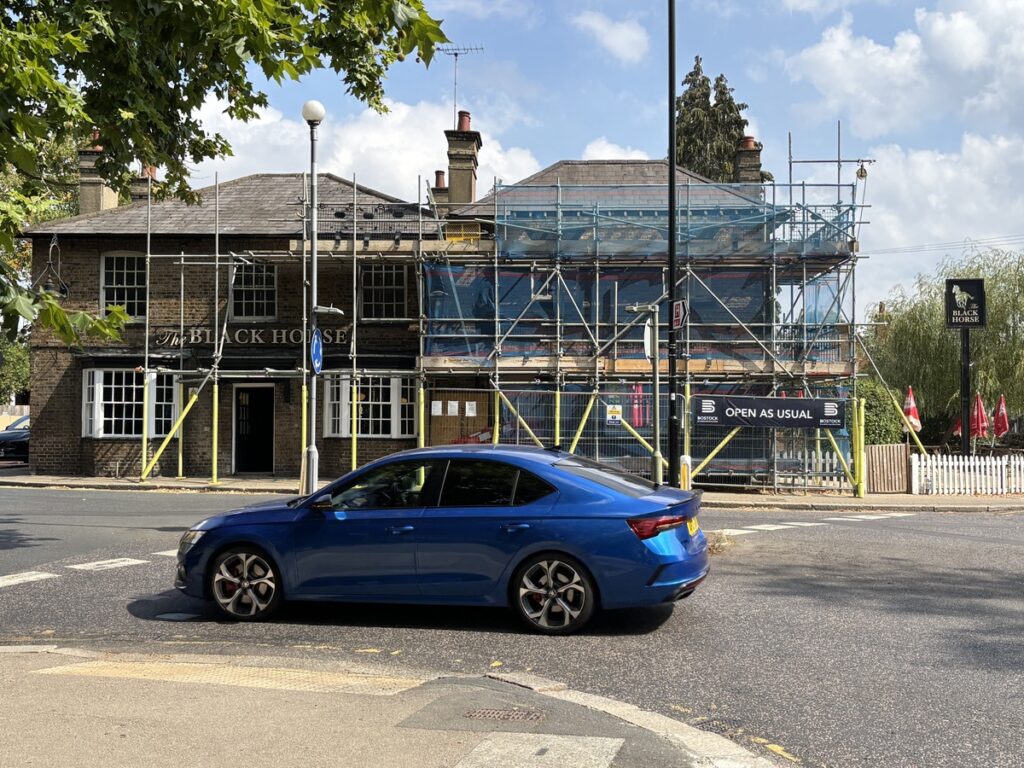
After the loss of several pubs around High Barnet in recent weeks, work has finally started on major repairs to the Black Horse in Wood Street, and it is due to re-open in mid-June after being closed since last September.

Scaffolding surrounds the building and local residents who feared the worst when metal grilles were installed across the doors and windows are delighted to hear the news.

With the approach of warm weather, they say they can’t wait for the re-opening of the pub’s garden which is popular weekend venue.

Star Pubs told the Barnet Society that additional building work has proved necessary and it will take longer than originally anticipated, but they hope the pub can re-open by mid-June.

A new tenant – described as “a local businessman” – has taken on the tenancy.

To the disappointment of some previous customers, Star Pubs say the Black Horse will not be reverting to a micro-brewery which had operated at the pub in the past and produced its own ales.

Earlier this year, because of concern about the future of the Black Horse, Barnet Council accepted a community request for the pub to be protected by an order declaring the building as asset of community value.

ACV protection allows the community to enter a bid if the pub is sold for redevelopment – protection already provided for three other nearby pubs, the Lord Nelson, Sebright Arms and Ye Olde Monken Holt, as well as the Prince of Wales in East Barnet.

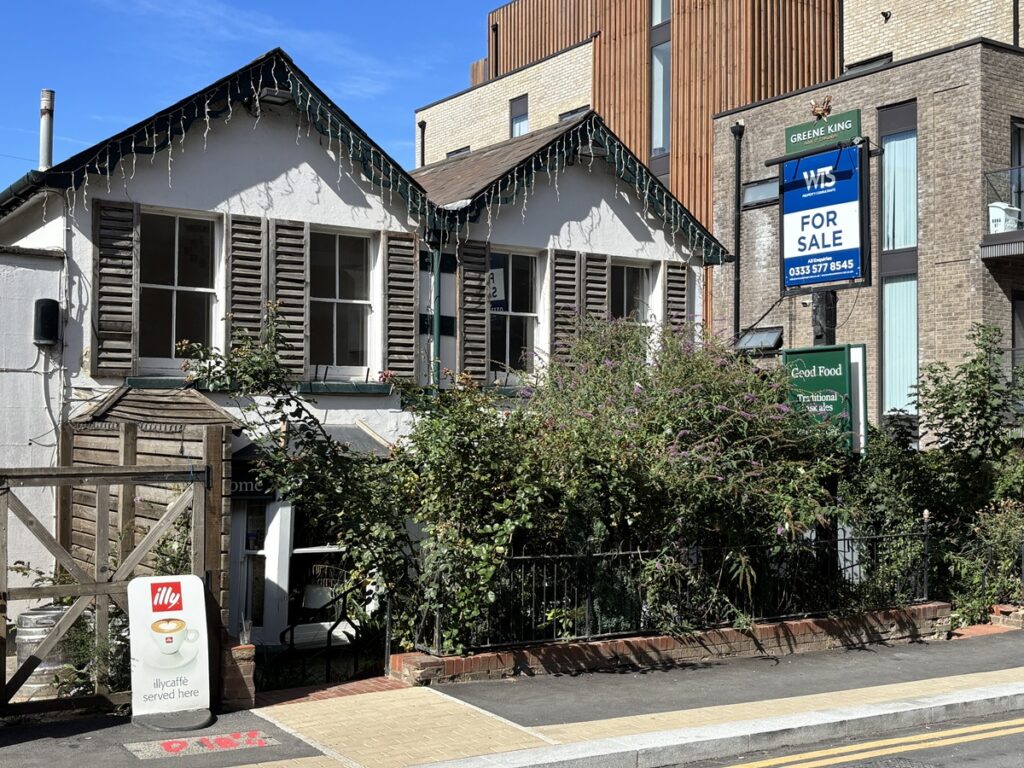
Black Horse public house in Wood Street Barnet to re-open after nine-month closure but now closed Builders Arms in New Barnet for sale at £695,000

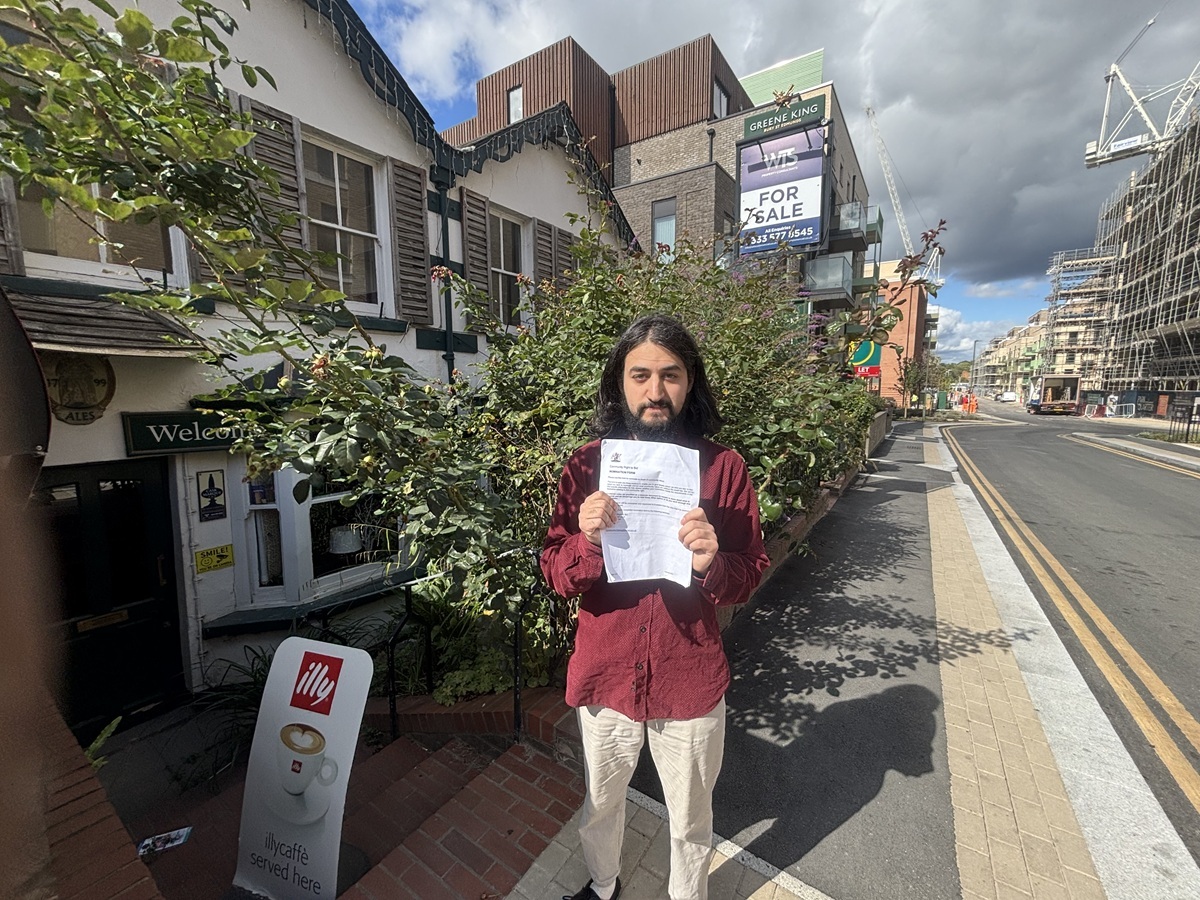
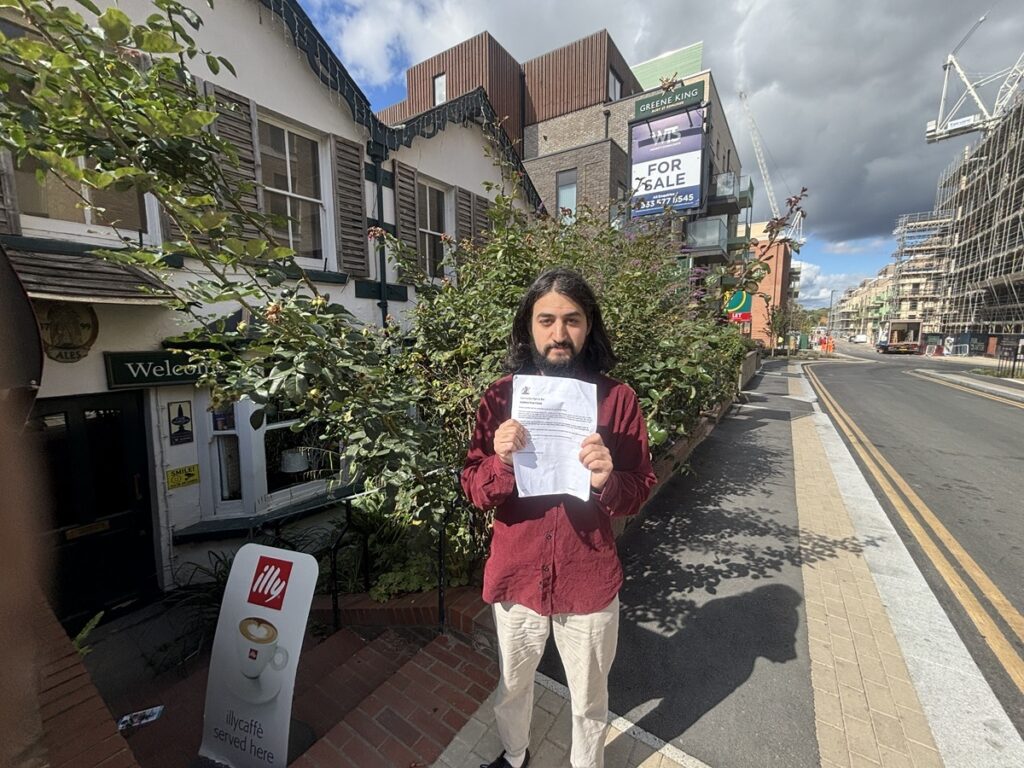
A petition has been launched to secure ACV protection for the Builders Arms in Albert Road, New Barnet, which closed in mid-April and is now on the market for £695,000.

A two-year struggle to keep going finally defeated the pub’s landlady who blamed a loss of trade on the disruption caused by ending up in the middle of a massive construction site.

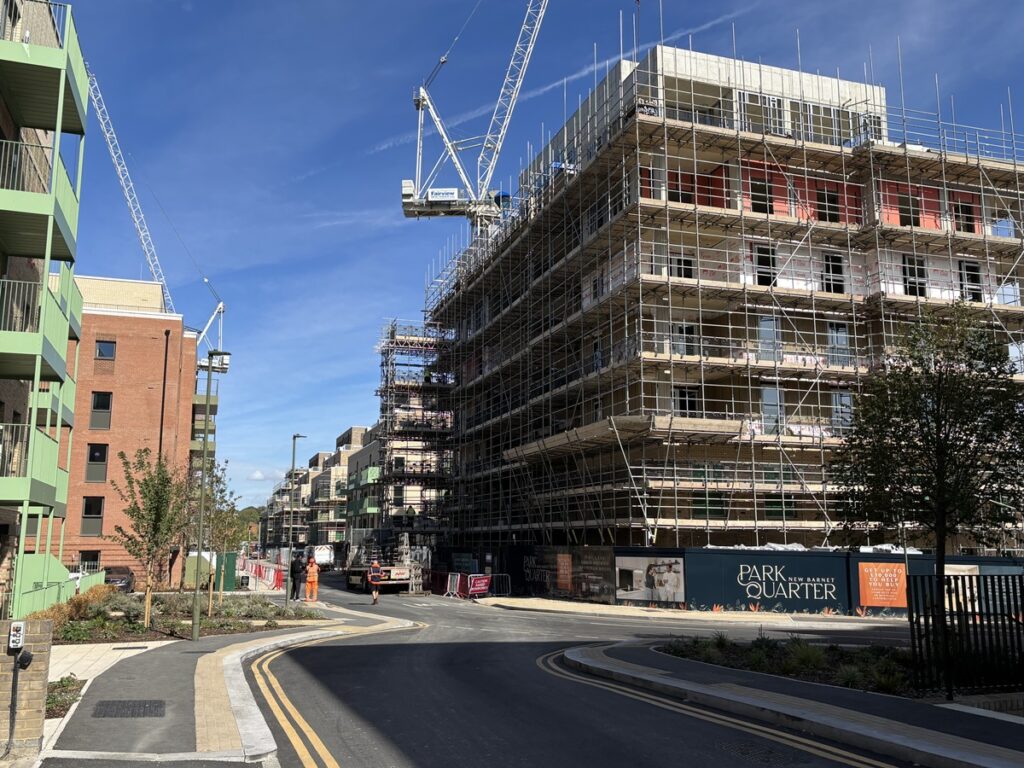
Albert Road is the main access to the site where Fairview Homes are building eleven high-rise blocks of flats to provide 420 new homes, and the pub found itself marooned in the redevelopment.

Despite considerable local support, the landlady reluctantly decided to hand her tenancy back to the brewers Greene King raising local concern about the future of a pub praised by the Campaign for Real Ale.

Former customers and friends started the petition in an attempt to preserve what they say is a “much loved local institution”.

Greene King, which is reported to be planning to sell off 300 of its tenanted and managed pubs, put the Builders Arms on the market soon after it ceased trading in mid-April.

WTS, agents for the sale, say the building does offer the potential for alternative use, subject to planning consent, and the property might appeal to “local licensed operators, developers, builders and investors.”

Another recent pub closure was that of the Hadley House bar and restaurant in Barnet High Street, which in previous years was known as the King George and earlier as the King of Prussia – but another High Street hostelry, the King’s Head, which closed for a month for renovations is due to re-open on June 12.

Posted on 2 Comments

Control over Barnet Council remains with Labour after an agreement with the Conservatives results in key votes to end the uncertainty  

Labour has kept control of Barnet Council following a post-election pact with the Conservatives to ensure administration of the authority and services to residents continue without interruption.

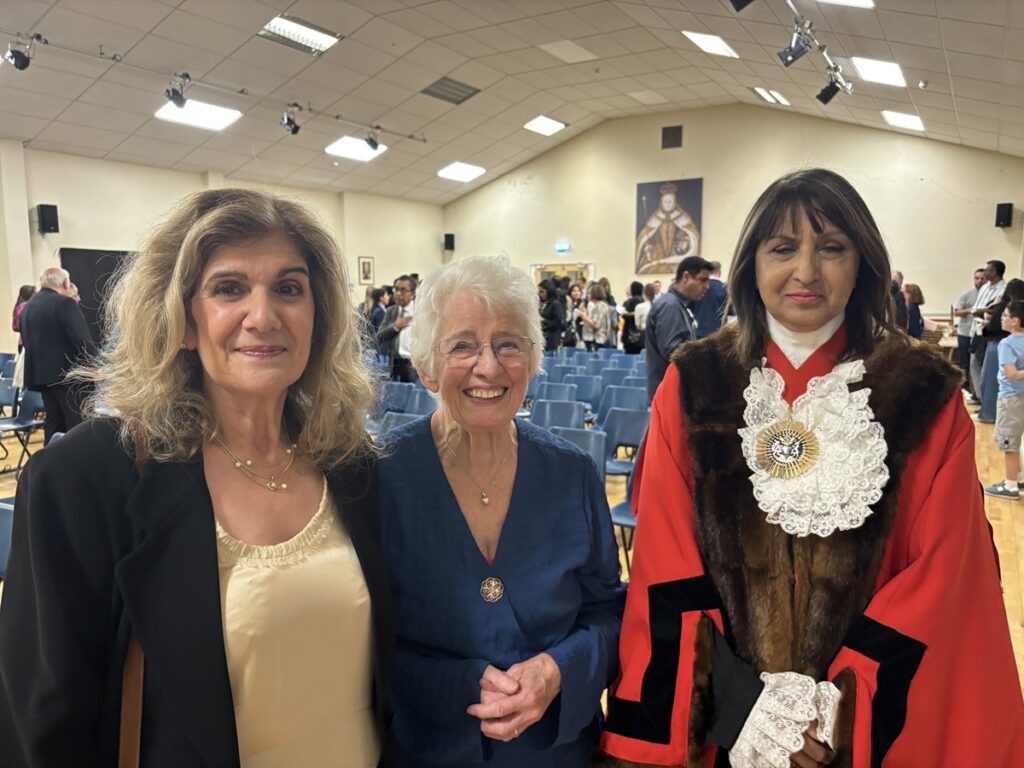
A “very relieved” councillor Barry Rawlings (above right), who was re-elected to the post of Labour leader of the council, congratulated Underhill Labour councillor Zahra Beg on her appointment as the new Mayor of Barnet.

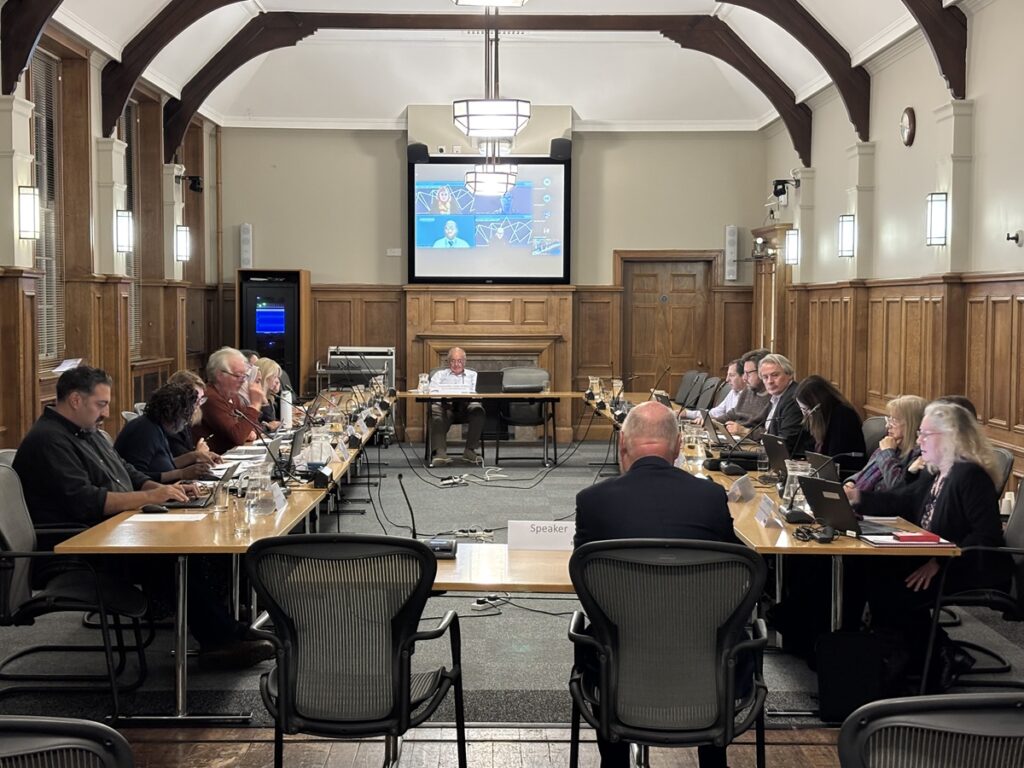
A tied result in the council elections on May 7 – with both Labour and the Conservatives gaining 31 seats – forced the two sides to get together and agree a voting procedure for the first meeting of the new council (19.5.2026).

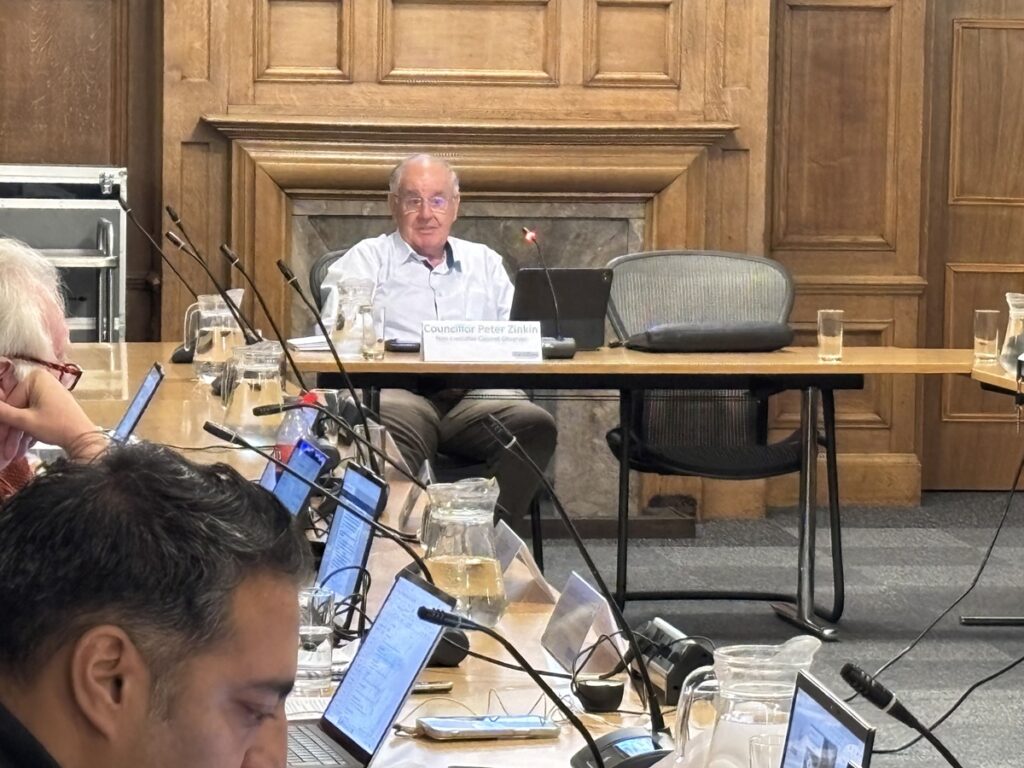
With advice from the council’s chief executive Cath Shaw and her staff, councillor Rawlings and the Conservative leader, councillor Peter Zinkin, reached a co-operation agreement.

The deal accepted that as the outgoing Labour mayor councillor Danny Rich held a casting vote, the presumption should be that to preserve continuity Labour should retain control of the council.

However, under the agreement, it was agreed the first vote should be whether to appoint Conservative councillor Zinkin as leader.

This was defeated 32 votes to 31 votes on the casting voting of the council’s Green Party councillor Charli Thompson.

Once councillor Thompson had voted against councillor Zinkin and he had been defeated, the Conservatives councillors all abstained on the second vote which resulted in councillor Rawlings being re-elected as council leader for four years by 31 votes in favour, 31 abstentions and one vote against (Green).

In discussions which started immediately after an election result which had left the council with no overall control, councillor Rawlings said that he and councillor Zinkin had accepted they had to work together to avoid deadlock in council business and ensure services to residents continued without interruption.

The agreement with the Conservatives was designed to make sure the council didn’t slip into no political control given that one Green Party councillor held a casting vote.

Councillor Thompson, who won her seat for the Greens in Woodhouse ward, and who is a High Barnet resident, was cheered by her supporters in the public gallery for a series of interventions – see above – in which she challenged the way Labour and the Conservatives had done a deal “behind closed doors”.

She said that the Greens had secured 16 per cent of the total vote in the Barnet Borough elections yet their representative was being excluded – an act that would lead residents feeling disconnected from council decision making.

After the meeting her mother Christine Thompson (above left) joined in the congratulations for the stand her daughter had made in challenging the refusal of Labour and the Conservatives to allow her to work with them on improving adult social care and care of the disabled.

Barnet Council remains under control of Labour Party after post-election pact with the Conservatives to agree on key votes which resulted in re-lection of Labour leader councillor Barry Rawlings

Councillor Beg – seen above with the outgoing Mayor of Barnet Councillor Danny Rich – was praised by fellow councillors for the way she had shown real skill in working across communities and faiths within the borough.

Councillor Rich had opened the proceedings with an appeal to residents to support each other following recent hate attacks in Golders Green.

 A seventh of the borough’s population was Jewish and an eighth Muslim. “Our priority is to the safety of Barnet residents and bringing those responsible for these outrageous incidents to justice.”

He praised the visit by the King to Golders Green which had been “a profound gesture from His Majesty.”

Voting for a new council leader was preceded by a short debate. Councillor Ross Houston said he was proud to nominate councillor Rawlings for re-election based on his track record of dealing with significant challenges, including the delivery of 1,000 new council homes.

In acknowledging that the election left the council with no overall control, he said that the mayor’s casting vote was reserved for occasions when it was necessary for the administration to preserve continuity and the best result would be for councillor Rawlings to be re-elected.

Councillor Richard Cornelius, a former Conservative group leader, proposed councillor Zinkin, reminding the council that in the election the Conservatives had won the popular vote in the borough – gaining 102,246 votes (35.4 per cent), well above Labour’s vote 79,353 (27.5 per cent).

To laughter from fellow councillors, he said that he had never been a supporter of proportional representation but perhaps now was the time.

“It is important we get this right. An agreement has been made (with Labour) and we must make it work.

“We are looking forward to co-operating, and we can co-operate to make Barnet better. Let’s hope we can have some solid achievements, especially on housing.”

Councillor Zinkin thanked the council’s officers for helping the two parties through some “unusual and quite difficult” negotiations, but this had achieved the continuation of an “effective council” which was in the interests of residents.

Councillor Rawlings (above) agreed it had been difficult to achieve the agreement, but it was vital the council continued to run, and the electors had depended on the councillors to find a solution.  

But there was a pointed reminder that if Labour were to lose a seat to the Conservatives during the next four years, the tables might well be turned, the council would no longer be tied, and the Conservatives might take control.

Councillor Cornelius fired the warning shot: “We must make this agreement work…until the next council by-election.”

Posted on 3 Comments

Fighting for improved adult social care and support for the disabled are priorities for Barnet’s new Green Party councillor

Priorities for Barnet Council's new Green Party Councillor, who lives in High Barnet, will be fighting to improve adult social care and support for people with disabilities

Barnet’s newly-elected Green Party councillor, Charli Thompson – who lives in High Barnet – says her priority will be to tackle issues surrounding adult social care and disabilities rather than get involved in party political infighting.

With Labour and the Conservatives each having 31 councillors, Ms Thompson might well have a casting vote at future council meetings, but she has no intention of exploiting her position for political purposes.

“I realise I hold the balance of power, but I am not interested in forming a political alliance with either Labour or the Conservatives.

“My role as a councillor will be to listen to residents and their concerns, support their interests and align myself with Green Party policies.”

Her resolve to avoid playing party politics was put to the test when the council met for the first time (Tuesday 19 May) to decide whether Councillor Barry Rawlings should remain Labour leader and control the council or whether the post should go to the Conservative leader Peter Zinkin with control passing to the Conservatives.

She voted first against councillor Zinkin, who was defeated by 32 votest to 31, and then voted against councillor Rawlings who was re-elected leader for four years with 31 votes in favour, 31 absentions by Conservative councillors and only one vote (Green) against.

Ms Thompson topped the poll with 1,331 votes in the Woodhouse ward, taking a Labour seat, in the Barnet Council elections on May 7.

Support for Greens was strongest in the Barnet wards closest to inner London where the party is now in a majority in some London boroughs.   

Her first move on being elected was to approach Barnet’s Labour and Conservative groups to see if they would agree to her becoming a member of the council’s committee for adult social care.

“I am disabled myself and to my disappointment both parties have blocked my attempt to use my expertise as a campaigner on adult social care and disabilities to help improve council services.”

In 2019 Ms Thompson was signed off work as a freelance designer because of a worsening brain condition (Chiari malformation) and during the last few years she helped to care for her father, who died earlier this year, and her sister who is autistic and in supported living care.

“I went into politics because I became so disillusioned about the level of care.

“I want to use any influence I have to improve council services for adult social care and disabilities.

“It is not asking a lot to seek to use my expertise as a campaigner, and now a councillor, for the benefit of the community, but already Labour and the Conservatives say they won’t work with me.”

Ms Thompson, who stood previously for the Green Party in a by-election in the Whetstone ward in 2025, was attracted to politics when Jeremy Corbyn was elected leader of the Labour Party in 2015. She went on to become a Labour Party member.

“I found Corbyn inspiring, the way he connected with people who had been marginalised and gave them a voice.”

After Labour’s defeat in the 2019 general election, she didn’t want Corbyn to stand down. She voted for Rebecca Long-Bailey in the 2020 Labour leadership election which was won by Sir Keir Starmer.

Shortly after the 2024 general election she resigned from the Labour Party – and joined the Green Party –following the Starmer government’s withdrawal of winter fuel allowance for the elderly and military support for Israel over the war in Gaza.

Ms Thompson has had a lifetime association with High Barnet. She was born – Charlotte Thompson– at the former Victoria Maternity Hospital in Wood Street;  went to school at the former St Martha’s Convent; and then St Michael’s at North Finchley.    

Posted on Leave a comment

An afternoon extravaganza of cartoons and caricatures will celebrate opening of enlarged book department at the North London Hospice Barnet shop

A chance to see live cartooning, sit for a caricature or enter a raffle for a set of signed copies of the latest books are some of the highlights planned for the grand opening of an expanded bookshop at the North London Hospice shop in Barnet High Street.

After recent donations and house clearances the shop has built up a large stock of second-hand books ready for sale – paperbacks £1 and hardbacks £2.

Over thirty copies of newly published books – all signed by authors – will be prizes in a raffle to be held during the official opening at 12.30pm on Friday 22 May.

Cartoonist Glenn Marshall – of Private Eye, Punch and The Spectator fame – has already been hard at work in preparation for the opening.

His depiction of Hamlet, Batman and other literary figures will be on display as he takes his position at the front of the shop and demonstrates the work of a cartoonist.

A fellow High Barnet resident and well-known caricaturist, Simon Elinas, will be pen in hand ready to draw caricatures.

Simon, who trained as a graphic designer, has provided illustrations for a wide range of newspapers and magazines.

During lockdown he started drawing a caricature of a celebrity connected with all 272 tube stations on the London Underground.

Working behind the scenes planning the launch has been another High Barnet resident, Professor Neil Martin, who has been a lead volunteer at the shop responsible for sorting and pricing donated books – see above with some of the hospice staff, Dora Pavlou, assistant shop manager, Emily Cronin, retail development manager, Professor Neil Martin and Maxine Aldridge, assistant shop manager.

Neil said he agreed to help sorting books donated to the North London Hospice six months ago after a massive donation of 60 boxes of books from a house clearance.

“We have been fortunate with recent house clearances, and we had so many books donated we decided to turn a section of the shop into a proper book shop.

“After all Barnet is the largest of the North London Hospice’s 21 shops and we have done well recently – we resold one valuable donated book for £250 and a bookseller paid £400 for a whole series of books.

North London Hospice opening an enlarged book department with aftrnoon event featuring live cartooning, a caricuturist and raffle for signed copies of new books.

A highlight of the opening will be the raffle – tickets are £1 each – and the signed copies of over 30 new books, worth around £500, have been sorted by assistant shop manager Steve Fletcher (see above).

First prize will be a set of signed books; second prize any 20 books from the bookshop; and a third prize of any ten books.

Neil, a professor of psychology, has donated signed copies of some of his 13 books on psychology, horror and crime.

Confirmed books for the raffle include:

Joel Morris, TV comedy writer (Cunk/Mitchell & Webb/Viz)/podcaster/author (Ladybird spoofs, Philomena Cunk)

James Henry, Green Wing & TV & radio comedy scriptwriter (Pagans)

Dr Nicky Brunswick, psychologist (Dyslexia- A Beginner’s Guide)

Matthew Sweet, broadcaster, TV drama writer and author (non-fiction books)

David Quantick, Thick Of It/VEEP/TV Burp writer (2 x DQ’s novels)

Dan Kaszeta -poison specialist (Toxic)

Paul Stevenson, Editor, Haunted magazine (will send signed copies of mag)

John Rain, author & podcaster (Thunderbook, Superbook)

Adam MacQueen, Private Eye staff & novelist (will send lots of thriller novels)

Prof Gina Rippon -psychologist (The Gendered Brain, The Lost Girls Of Autism)

John Grindrod, historian (Concretopia, Iconicon, Tales of The Suburbs, Outskirts)

Prof Adrian Furnham, psychologist, former Sunday Times columnist (six of his 100+books)

Alessandra Pino, author (The Gothic Cookbook)

Will Maclean, co-creator of Broken Veil podcast (The Apparition Phase)

Nick Jones, local journalist (Miners’ Strike, 1984)

Louis Barfe, journalist & author (Morcambe & Wise & Les Dawson biographies)

Kim Newman, film journalist & writer (some of hKim’s many books, including his new one)

Lindsey Scott, author, creative writing director (Suffolk Haunts)

Neil (Psychology, Psychology-Beginner’s Guide, Psychology of Comedy, Horror Theory Reader)

Posted on 1 Comment

Classic and vintage cars took centre stage for annual Barnet show which is highly popular for family outings  

Spectators and enthusiasts lined up to see the annual parade along the High Street ahead of the 13th annual show held by the Barnet Classic Car Club.

Seventy cars made it all the way to the top deck of the car park at The Spires Shopping Centre ready to be inspected and appreciated by masses of admirers.

The club’s annual show has become one of the town’s premier events and is always well supported with the proceeds going to the Noah’s Ark Children’s Hospice.

A welcome was on hand from committee member Paul Johnson as the cars arrived at The Spires’ entrance – ready to climb two floors to the top of the car park, the smell of petrol exhaust fumes filling the air.

The show prides itself on being a family event, a moment to stop and stare at some fine vintage cars.

One toddler – clearly a future classic car enthusiast – toured the show in his own miniature Mini Cooper.

In one of his final events during his term as Mayor of Barnet, Councillor Danny Rich, arrived in style in a 1923 three litre Bentley.

He was welcomed by show marshal Howard Pryor (left) together with the car’s owner Paul Griffin.

Councillor Rich said the parade through the High Street had been a delightful experience.

“Arriving in a vintage Bentley is one of the few times a local councillor ever gets cheered in the High Street – even if the cheering was for the Bentley and not for me.”

Thought to be the oldest car at the show was a 1904 Wolseley which was completely rebuilt by its owner Ken Goddard – above with his wife Ann.

He bought the car in 2009 as “a collection of bits and pieces” after previous attempts to restore it and he spent 18 months on a complete rebuild.

For the last 15 years Mr Goddard has exhibited the car at rallies. It clocks up about 1,000 miles a year.  

A first for the show was a four-wheel amphibious Dutton Surf – registration number WE 60 WET – owned by Jeff Finegold.

The car, which is one of 300 made by Tim Dutton in 2021, makes a regular appearance at the annual classic boat show at Henley on Thames.

Mr Finegold’s wife Vicki said it was great fun when the car was out on the water – at Stanstead Abbotts Marina on the River Lea or Harefield Marina at Uxbridge.

Manning the club stall were Marty Collins (left) and Chris Frost ready to welcome potential new members.

Stalls were manned by volunteers and supporters of Noah’s Ark, Barnet Rotary Club, and a tea and cake stall provided The Bull Theatre.

Seventy classic and vintage cars lined up on the top of The Spires' car park for the 13th annual show of the Barnet Classic Car Club.

Live entertainment included music by Boxty and performances by students from the Susi Earnshaw Theatre School.

Posted on Leave a comment

Lifetime achievement award for Barnet Market stallholder who had his first pitch at the age of eight selling cauliflowers

David Bone broke off from selling fruit and vegetables to accept a Civic Award for Lifetime Achievement in recognition of 65 years of service at the twice weekly Barnet Market.

He was unable to attend the annual awards ceremony at Hendon Town Hall, so the Mayor of Barnet, Councillor Danny Rich, paid an official visit to the Saturday market.

David, now 74, told the mayor he started at the age of eight helping his father Albert who in 1959 had opened the first fruit and vegetable market at what was then a cattle market.

“I was only eight, just a boy. My father gave me a jam sandwich, pushed me out, and told me to stand in the market selling cauliflowers.”

In presenting the award, the mayor told assembled shoppers that David had been “a fantastic” part of the market.

“That is what is so special about Barnet: people giving their time, devoting their life to serving the community.

“Barnet only runs so well as a town because of people like the Bone family.”

Barnet Market stall holder David Bone pressented with Borough of Barnet Civic Award for Lifetime Achievement by Mayor of Barnet, Councillor Danny Rich

David told the mayor that his son Tyler was now running the stall.

He said his grandfather, Albert Bone senior, had helped his father with the stall, so four generations had been selling fruit and vegetables at Barnet Market.

“Without my son Tyler running the stall, I would not be here today.”

 The citation for David’s 2026 Borough of Barnet Award for Lifetime Achievement recognised his “unwavering commitment and dedication” to serving generations of Barnet residents through rain, snow and sunshine.

Posted on 1 Comment

Facing an uncertain future: unsteady state of Barnet’s iconic whalebones archway – can it be repaired or replaced with a replica?  

An historic whalebones arch beside Wood Street, High Barnet, has had to be encased in scaffolding after the owners of Whalebones House feared it might collapse and cause an injury to passersby.

Signs of movement in its footings and cracks in the archway – once the jaw bones of a ninety-foot-long blue whale – prompted concern about its safety.

Hill Group, who are building 115 new homes in adjoining fields, installed the scaffolding as a protective measure to safeguard the arch and to preserve “a unique local landmark”.

Hill’s intervention has been welcomed by the owners of Whalebones House, Patrick Shanahan and Helena Boland, who say urgent action is need to either repair the whalebones or replace them with a replica archway.

Straps have been applied around the surface to ensure there is no further fragmentation of the structure.

A set of jawbones was first erected as a gateway to Whalebones House in the 1860s or perhaps even earlier.

They were last replaced in 1939 by former owner of the house, Miss Gwyneth Cowing, whose family owned the Barnet Press newspaper.

She paid for two jawbones, each weighing three-quarters of a ton, to be transported to Barnet from Norway where the carcase of the whale, which had been captured in the South Seas, had been dismembered.

It took half a dozen workmen, under the direction of local builders W. Foster & Sons, all day to manoeuvre the gigantic jawbones into place and set them in six feet of concrete.

Cracks in the jawbone on the Arkley side of the drive started appearing at Easter; then its footing became dislodged; and it became clear the archway was in danger of collapsing.

Mr Shanahan said he first became aware of the damage after heavy equipment being used by the contractors started crossing the driveway less than three metres from the jawbones.

“Excavators and piling equipment kept being moved to and from the main construction area to a smaller site off Wellhouse Lane where there is to be a new community building and studio for the Barnet Guild of Artists.

“Because of the fragile state of the jawbones we have asked the contractors to stop crossing the driveway and generating the kind of vibration which has clearly been having a devastating impact.”    

After alerting the Hill Group to what had happened, the owners of Whalebones House asked for advice from Barnet Council on the historic status of the whalebones and whether permission would be needed to dismantle the archway and install a replacement.

They hope that the Hill Group and the trustees of the Gwyneth Cowing estate – which sold off the farmland for housing – will contribute to the cost of repairing or replacing the archway.

“Hill are going to call their new housing estate and gardens Whalebone Park, so they have a responsibility to ensure the whalebones remain an integral part of the whole development,” said Mr Shanahan.

“So far we have been unable to gain any assistance from Barnet Council’s planning or heritage departments, and we are anxious to work out how best to safeguard the future of the archway.”

Whalebones House is a Grade II listed building of special interest and the whalebones at the entrance to the drive are specifically referred to in the appraisal for the Wood Street Conservation area which includes the Whalebones estate.

It says that the whalebones at the entrance sit within “a notable tree boundary and create an entry feature to the space.”

Mr Shanahan says former fishing and whaling communities which have historic whalebone arches, including Whitby in Yorkshire and coastal ports in Scotland, are facing similar challenges over how best to protect them.

“Resin bonding has been used to repair some arches. Others have been replaced with replica arches made from synthetic compounds, steel or even brass.

“We need advice and help in working out how the arch can be preserved or replaced.”

There are competing theories as to how and why whalebones were first erected in Wood Street.

One report in the Barnet Press suggested the famous polar explorer John Franklin (1786-1847) once lived in Whalebones and according to local thinking installed the first set of whalebones as early as the 1830s.

A week later the paper published an alternative version: Frederick Brown, who lived at 92 Wood Street, said his sister was married to Mr Easton, a Thames waterman, who had lived at the house and started the tradition.

Mr Easton had joined the firm of Smith and Sons, whalebone and sealskin merchants, who plied their trade from the Thames, and he obtained a pair of whalebones which it was thought were erected in the 1860s and gave the house its name.

Records at Barnet Museum suggest the house was built in 1815 and the first reference to it being named Whalebones was on a map dated 1872.

Motorists travelling along Wood Street often miss seeing the jawbones, especially when the trees and hedges are in leaf and much of that side of the road is filled in parked cars.

Pedestrians get a far better view and might like to renew an old Chipping Barnet custom: according to local legal it was good luck to walk under the archway, make a wish or share a kiss.

Over the years countless Barnet youngsters have marvelled at the size of the jaw bones from a blue whale, the largest species captured in the South Seas.

Angela Morris of King’s Road, Barnet, remembers that as a seven-year-old in the 1950s she attended a Brownie pack that met in the barn at Whalebones.

“In those days there were another two sets of whalebones, only much smaller. One was at the gateway to the house and one that had fallen down beside a path that went to the barn where the Brownies met.”

Posted on Leave a comment

Service celebrating the founding of Queen Elizabeth’s Girls’ School – a tribute to retiring Barnet head teacher Violet Walker

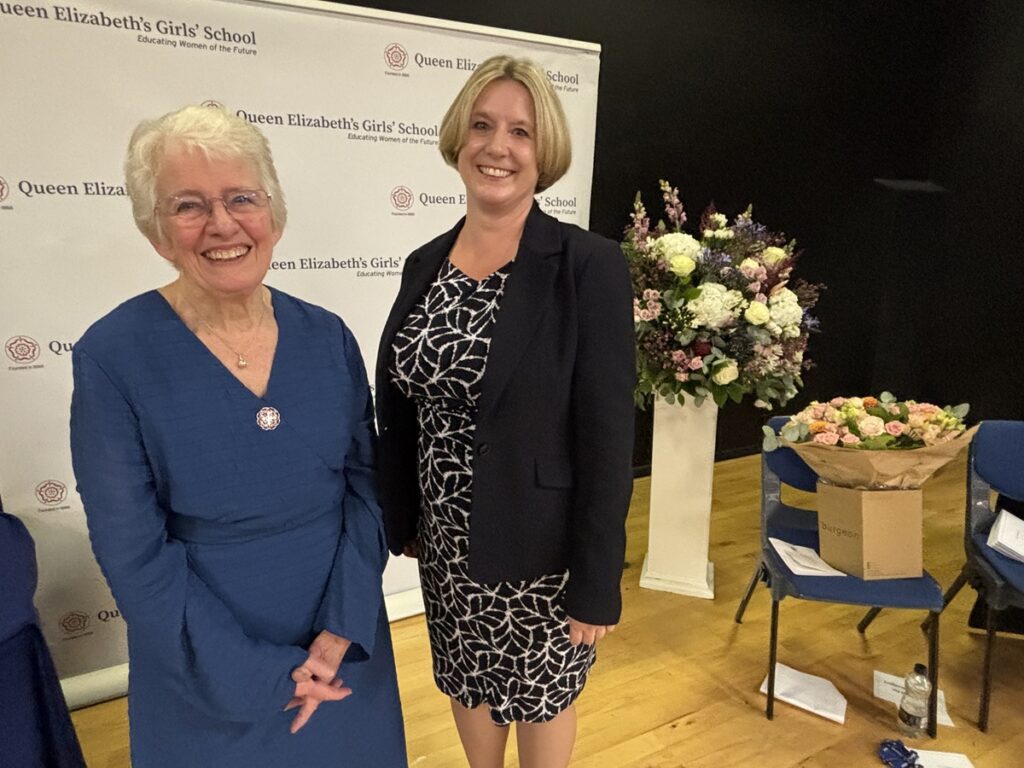
Violet Walker led her final commemoration day service as head teacher of Queen Elizabeth’s Girls’ ahead of her retirement at the end of the summer term.

Pupils walked in a procession up Barnet High Street to the parish church of St John the Baptist for the 138th celebration of the founding of a school which is one of the oldest and most successful all girls state schools in the country.

Mrs Walker reinstated the commemoration day service the year after becoming head teacher in 2015 and her final service featured another celebration of the past – the school’s chamber choir sang the original QE Girls’ school song which had not been performed since the 1960s.

Its title was the school motto – Ever in the presence of God – which used to be printed in Greek lettering around a symbol of a Tudor rose.

Resurrecting the song and getting it performed once again by the chamber choir became a personal mission for the school’s director of music, Cosima Rodriguez-Broadbent (left) who with Mrs Walker’s help managed to track it down.

“We hunted through the school’s archives and found a manuscript with the music and text,” said Cosima.

“I had to transcribe the music and with the help of the organist Jonathan Gregory we began rehearsals. The choir had to sign the chorus in Greek, so it was a real challenge.”

Guests at the service, who included the Mayor of Barnet, Councillor Danny Rich, congratulated the choir on a brilliant performance of what Jonathan Gegory said was a “robust song” which the pupils liked to sing.

Lines from the song reflected the school curriculum:

“Sing we the song of day that are,

When in this school those dreams come true,

When science in her heart reveals,

This old world ever new.”

The service was conducted by the Reverend Cindy Kent who thanked the choir for reflecting on the school’s past – a reminder dedicated to Mrs Walker’s service as head teacher and whose inspiration it had been to reinstate the commemoration day service.

“Mrs Walker will be greatly missed, and I know the whole school community is so grateful for dedicated service to QE Girls.”

In her address, she advised pupils on how best to tackle tough times in their lives.

“Do try to be calm when things go wrong. Nasty things can happen and people can be unkind but do try to be nice to them.”

There was a chance for a chat with the pupils of today for three former QE Girls’ pupils – from left to right, Margaret Peart (Youngs), Val Mulder (Townsend) and Gill Williams (Rees) – who described what times were like when they started at QE Girls in the 1950s.

All three were present when Queen Elizabeth II visited the school – her first official visit to a school after her coronation.

“Remember in those days we were a grammar school and there were only around 500 pupils – far fewer than the 1,200 today,” said Margaret Peart.

“Back in those days all the girls wore Panama hats, and the police stopped the traffic for the procession from the school to the church.”

Violet Walker, Queen Elizabeth's Girls' School head teacher, leads her final commemoration day service ahead of her retirement at end of summer term

When Mrs Walker became head teacher in 2015 it was a case of coming home.

Not only was Mrs Walker a former pupil at QEGS, but she later returned to the school to complete her post-graduate training as a mathematics’ teacher.

From the start she said she intended to be resolute in her conviction that QEGS’ role was to continue to serve the Barnet area as a local community girls’ comprehensive, committed to reflecting the school’s history and traditions, while at the same time embracing the latest technological advances in teaching and research.

Mrs Walker (Violet Hamid) was a pupil at QEGS from 1969 to 1976 and has fond memories of the headmistress of her day, Miss Marjorie Payne, who was head teacher for 17 years and was widely respected.

A successor to Mrs Walker as QE Girls’ head teacher has yet to be announced.

QE Girls was established in 1888 and shares foundation trustees with QE Boys’ School, Barnet, which was created in 1573 by a charter from Queen Elizabeth I.            

Posted on 2 Comments

Uncertainty over future political control of Barnet Council to continue until critical meeting where the mayor’s vote could be decisive

After a split election result, future political control of Barnet Council will hang in the balance until the newly elected councillors meet for the first time at Hendon Town Hall on Tuesday 19 May.

Labour and Conservatives each gained 31 seats – with one seat going to the Greens – leaving no party in overall control of the council.

A final decision on whether Labour Councillor Barry Rawlings might remain leader of the council or whether the position goes to the Conservative party leader Peter Zinkin could rest on a casting vote by the new Mayor of Barnet.

Discussions have been taking place between party leaders and the council’s chief executive Cath Shaw to agree a procedure to determine the future political control of the council.

In a statement issued immediately after the election, Ms Shaw said it would be for the new councillors to decide how the council should be governed.

In the meantime, residents could be assured they would continue to receive council services as usual.

When they meet on 19 May, the first task of the new council will be to appoint a new Mayor of Barnet to succeed the outgoing mayor, Labour Councillor Danny Rich (who was re-elected in West Finchley).

The new Mayor was expected to have been East Barnet Labour Councillor Edith David, but she lost her seat in the council elections.

If Labour put forward a fresh nomination for mayor – and if that Labour nominee is elected (a decision on which the current mayor has a casting vote) – control of the council could possibly remain in Labour hands.

A new Labour mayor would have a casting vote for the next decision which is to appoint a council leader who would have the task of forming a new administration and appointing a new cabinet.

This is a scenario which could result in Councillor Rawlings continuing as council leader, but it would undoubtedly be opposed by the Conservatives and depends on what happens at the meeting.

An added complication is that given the tied election result, there would need to be a full attendance by both Labour and Conservative councillors. 

If there were absences on either side due to ill health or unexpected circumstances the votes on 19 May might still go either way, hence the continuing uncertainty as to the outcome.

In the council elections, Labour lost ten seats and the Conservatives gained nine resulting in each securing 31 seats with no overall control.

In his statement re-acting to the election result, the Chipping Barnet Labour MP Dan Tomlinson congratulated all the candidates elected for seats in his constituency.

“I look forward to working with you all in the coming years,” said Mr Tomlinson.

“We now have a unique election result – the council is now a balanced hung council.”     

Posted on 2 Comments

Devastating losses for Labour in Barnet Council elections as the authority faces uncertainty with no party in overall control

A dramatic backdrop at the RAF Museum at Hendon provided the setting for a marathon election count which upended local politics as the Labour Party haemorrhaged seats and Barnet Council slipped to no overall control.

Labour and the Conservatives finished with 31 seats each.

In another surprise a newly elected councillor for the Green Party ended up holding the balance of power, able to exercise what could become a casting vote.

Labour lost ten seats to the Conservatives – a wounding setback after its success in the 2022 council elections when Labour took overall control of the council for the first time since the London boroughs were created in 1965.

Some opinion polls had predicted that the Conservatives might regain control of Barnet but strong showings by the Greens and Reform divided the vote in many wards putting paid to the two-party Labour/Conservative clashes of the past.

Wards in and around High Barnet were among those where Labour suffered defeats.

Conservative candidate James Esses topped the poll in the High Barnet ward just ahead of Labour Councillor Emma Whysall who was re-elected.

Oliver Gough just failed in his attempt to secure the seat of retiring High Barnet councillor Paul Edwards but was just ahead of Conservative candidate Amberley Thay.

Barnet Council 2026 elections end with both Labour and Conservatives on 31 votes and no overall control of the council.  A newly elected Green councillor holds the balance of power

The High Barnet count was declared by the council’s deputy returning officer Deborah Hinde.

In East Barnet, where the Conservatives also gained a seat, Labour Councillor Edith David was narrowly defeated.

East Barnet councillor Simon Radford topped the poll, with David Allen taking second place for the Conservatives and Phil Cohen holding his seat for Labour.

Labour Councillor Ella Rose lost her seat in Whetstone where the Conservatives made another gain. Only seven votes separated the top three candidates and there had to be three recounts before the result was finally declared.

Candidates for the Greens delivered one of the first shocks of the count topping the poll in Woodhouse – one of their target wards – taking a Labour seat and nearly adding a second Labour scalp.

Charli Thompson (Green) topped the poll with 1,331 votes. Labour’s Anne Hutton (Labour) was returned for the second seat with 1,287 votes but she was only just ahead of the second candidate for the Greens, George Ttoouli on 1,194 votes.

In another of their target wards, three candidates for the Greens finished a close second to the three Labour candidates in Friern Barnet who succeeded in holding their seats, including Barry Rawlings, Labour leader of the council.

Although Councillor Rawlings – and the two other Labour candidates Pauline Coakley Webb and Beverley Kotey were re-elected – candidates for the Greens were only a couple of hundred votes behind them.

Former Friern Barnet councillor Linda Lusingu, who had defected from Labour to the Greens, lost her seat finishing in fifth place.

Reform were the main challengers in the Tory strongholds of Edgware and Edgwarebury but although their candidates were ahead of the other parties they trailed well behind Conservative candidates.

Reform drew the most votes in the north and west of the borough whereas the vote for the Greens was strongest in the east of the borough, closer to inner London where there was an even greater surge in Green support.

In some wards Labour suffered devastating losses, losing all three seats to the Conservatives in both the Childs Hill and Brunswick wards.

Results:

High Barnet (two seats): James Esses (Conservative) 1,558; Emma Whysall (Labour) 1,441; Oliver Gough (Labour) 1,417; Amberley Thay (Conservative) 1,372; Darius Hutchinson (Reform) 689; Rajesh Gulabivala (Reform) 631; Fanxi Liu (Green) 538; Charles Wicksteed (Green) 536; Andrew Jackson (Liberal Democrat) 497; Grant McKenna (Liberal Democrat) 357.

Barnet Vale (three seats) : Sue Baker (Labour) 2,130; David Longstaff (Conservative) 2,024; Richard Barnes (Labour) 1,994; Elmina Homapour (Conservative) 1,805; Tom Smith (Conservative) 1,797; Mukesh Oza (Labour) 1,674; Mark Francis (Reform) 952; Mark Devey (Green) 887; Julian Teare (Reform) 868; Uri Mofsowitz (Reform) 857; Kevin Meehan (Green) 694; Matty Robins (Green) 683; Simon Cohen (Liberal Democrat) 504; Duncan MacDonald (Liberal Democrat) 292; Dave Keech (Liberal Democrat) 274.

East Barnet (three seats): Simon Radford (Labour) 1,856; David Allen (Conservative) 1,832; Phil Cohen (Labour) 1,828; Edith David (Labour) 1,745; Pavan Pavanakumar (Conservative) 1,616; Anila Skeja (Conservative) 1,589; Emma Matthews (Green) 981; Kari Khan (Reform) 921; Dima Ouda (Reform) 916; Ozen Halil (Green) 719; Kornelia Szostak (Green) 755; Roger Aitken (Liberal Democrat) 383; Petros Ioannou (Liberal Democrat) 294; Walter Buchgrabr (Liberal Democrat), 241.

Underhill (two seats): Zahra Beg (Labour) 1,233; Josh Tapper (Labour) 1,128; Lucy Milner (Conservative) 829; Andrew Hutchings (Reform) 826; Alison Mills (Reform), 774; Reuben Ward (Conservative) 683; Gina Theodorou (Independent) 619; Hugh Platt (Green) 595; Carl White (Green) 427; Stephen Barber (Liberal Democrat) 252; Sean Hooker (Liberal Democrat) 228; Riann Mehta (TUSC) 128; Donata Briamonte (Rejoin) 122.

Whetstone (two seats); Ezra Cohen (Labour) 1,292; Stephen Lewis (Conservative) 1,290; Kevin Ghateh (Conservative) 1,285; Ella Rose (Labour) 1,200; Adrian Kitching (Reform) 543; David Burns (Green) 535; Vaidehi Hedge (Green) 478; Martin Navias (Reform) 471; Luigi Bille (Liberal Democrat) 194; John MacRory (Liberal Democrat) 146; Richard Hewison (Rejoin) 79.

There were a total of 312 candidates for the 63 council seats – a record number for Barnet which far exceeded the figure of 207 candidates in 2022.

The new council will meet for the first time on Tuesday 19 May when it will have to agree on the appointment of key roles and agree the future administration of the borough.

Posted on Leave a comment

Preparations well underway by Barnet classic and vintage car owners ready for annual High Street parade and show at The Spires

Pride of place at this year Barnet Classic Car Club’s annual show in the top car park at The Spires shopping centre on Sunday 17 May will be some of the much-cherished vehicles which the club’s committee members have carefully maintained over the years – from run-arounds to the high-end motors of yesteryear.

A parade of nearly 80 cars is expected through the High Street at 10.30am followed by the display – from 11am to 3pm – which is expected to include over 150 cars.

Councillor Danny Rich, Mayor of Barnet, will open the show which will feature music by Boxty and performances by students from the Susi Earnshaw Theatre School.

Among the cars on display will be Chris Martin’s Riley RMC Roadster – see above – which in the 1960s was originally owned by Edward Streator, an American diplomat and ambassador to the UK.

In 1992 the car underwent a total restoration, retaining all the original components.

Another attraction will be a New Era Mini conversion – registration number POP 22 – which is owned by the club’s founder, Chris Nightingale.

The car was designed by Chris’s father Ken Nightingale, owner of New Era Ltd, Birmingham. It was left incomplete and only finished off in the late 1960s.

A recent edition of the magazine Mini World devoted several pages to the history of the car — one of three versions of an early variant of the mini and the only one of its kind still in existence.

Derrick Haggerty – above right, with Chris Nightingale – bought his Ford Popular in 1973 for £50 as an MOT failure.

After a £5 repair, it passed and Derrick has used it as a regular run-around for many years. He completed a full restoration of the car in the mid-1980s and completed respray in 2000.

Another high-end classic on display will be a Jaguar 3.8 MK2 owned by George Dimitriadis – a car with a reputation as a favourite among criminals and law enforcement alike because its 3.8 litre engine could accelerate from 0-60 mph in 8.5 seconds.

It has had six previous owners and work done since purchased in 2017 includes a new petrol tank, fuel pump, brake master cylinder and electronic ignition.

Barnet Classic Car Club's 2026 annual show opens with a parade in the High Street followed by a display in the top car park at The Spires Shopping Centre

Stalls at the show will be manned by Noah’s Ark Children Hospice, Barnet Rotary, a tea and cake stall, and a demonstration by the St John Ambulance Brigade.  

Posted on 1 Comment

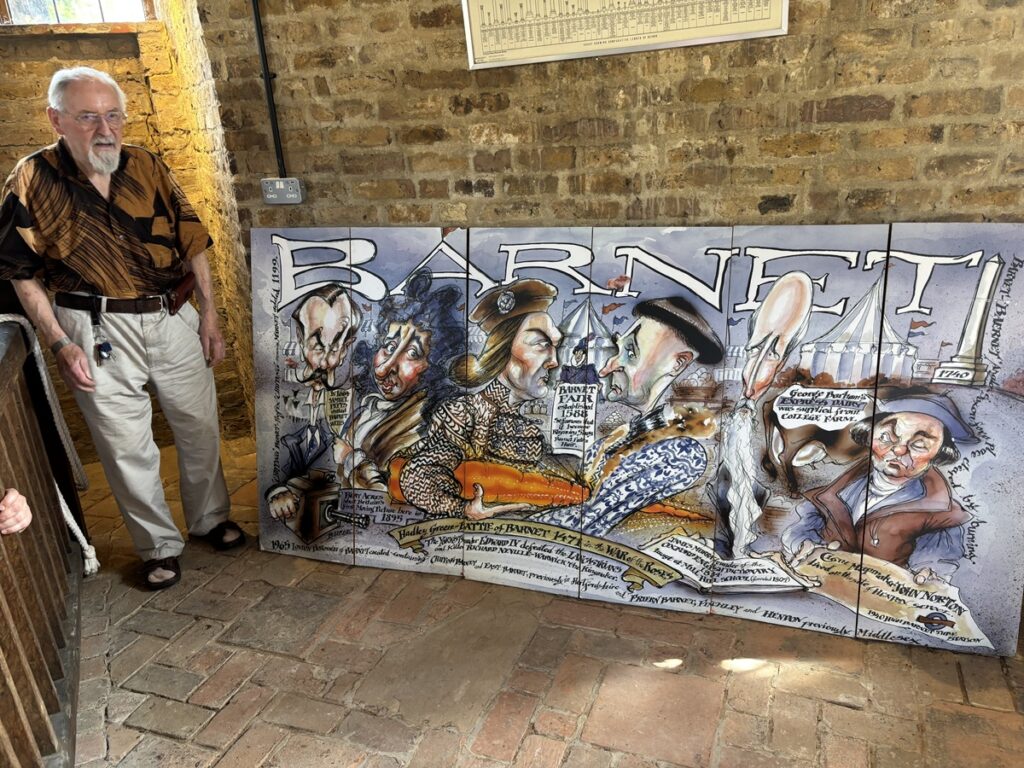
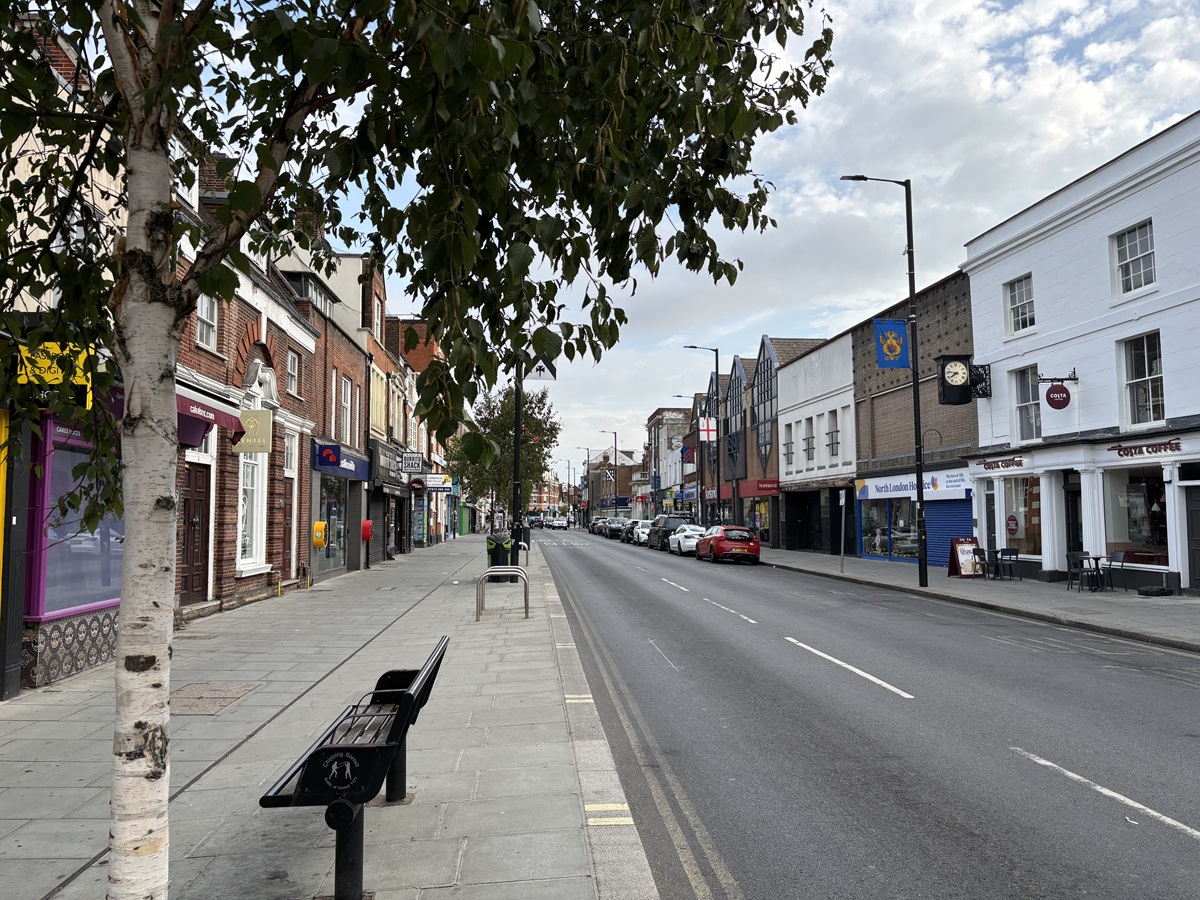
Barnet High Street has become a showcase for Battle of Barnet banners – a heritage asset which might get international recognition

Painting and caring for the Battle of Barnet banners which are displayed along the High Street each summer is an historic legacy for the town which volunteers at Barnet Museum hope might gain international recognition.

An application has been made by the museum to see if the craft of making and maintaining replicas of these medieval banners can be recognised by UNESCO as an intangible cultural heritage – a practice which is part of the cultural identity of a community.

Unlike tangible heritage, such as monuments or artefacts, an intangible heritage is passed down from generation to generation and is continuously being recreated.

Almost a decade ago Barnet Museum took inspiration from the town of Tewkesbury which has been celebrating the 1471 Battle of Tewkesbury for the last 50 years with re-enactments, a medieval festival and a display of heraldic banners.

Volunteers at Barnet Museum followed their example and started researching the history of the coats of arms of royalty and noblemen whose troops fought in the Battle of Barnet on April 14, 1471, the month before the Battle of Tewkesbury on May 4, 1471.

The application to UNESCO for a listing of intangible cultural heritage is now being made in conjunction with Wars of the Roses enthusiasts at Tewkesbury.

One of the first heraldic banners to be reproduced in Barnet was that of King Henry VI – seen above in 2018 with the museum’s curator Mike Noronhan and the deputy curator Hilary Harrison.

Permission was granted for a display of banners in The Spires Shopping Centre and agreement was reached with Barnet Council for them to be hung from lampposts along Barnet High Street.

All told the museum volunteers have now researched and painted 106 banners – of which 76 currently hang in the High Street and another 26 are displayed in various locations around the town including The Spires.

Barnet Museum is applying to UNESCO for recognition of its work painting and caring for Battle of Barnet heraldic banners to be declared an intangible cultural heritage

Mike Noronha said that once the museum staff heard about the UNESCO scheme for registering an intangible cultural heritage they decided to work with Tewkesbury in making an application.

“Painting, maintaining and displaying the banners is a real craft which we think we have mastered and which we think should be recognised.

“Each winter the banners have to be repaired and sometimes repainted as they get damaged in high wind, so this is an ongoing task for the museum.”

Mounting costs involved in hanging the banners along the High Street has become an issue.

Last year when it seemed there was some doubt as to whether they would be able to go ahead the Chipping Barnet Town Team stepped in and agreed to pay half the cost of the installation, work which was carried out by Barnet Council’s street lighting contractor.

This summer the council stepped in to meet the installation cost of £3,500, for which Mr Noronha said the museum was “hugely grateful”.

Posted on Leave a comment

Centenary of 1926 General Strike is a reminder of its impact in High Barnet and the role of the non-unionised Barnet Press

Such was the success and respect for Barnet’s former weekly newspaper, The Barnet Press, that a century ago it published an emergency edition on sale each evening in central London during the 1926 General Strike.

For just over a week there were no streetlights in Barnet town centre, an appeal was issued for volunteers for Barnet Special Constabulary, but food supplies in the town remained normal.

Nearly two million workers led by railwaymen, transport workers and printers joined the strike in support of a miners’ pay dispute.

Local action included a strike by 60 members of the Electrical Trades Union who worked at Finchley’s coal-fired power station in Squire’s Lane.

Finchley Council said there was not the slightest hitch in supply as technical staff and volunteers took over. The station had 2,000 tons of coal in stock. Meals were provided and there was bedding in the offices.

Historians describe the strike as the greatest act of working-class solidarity in British history.

Local newspapers around the country which were non-unionised seized the opportunity to print more copies as the national newspapers had been forced to suspend publication of all but a few emergency editions.

The Barnet Press, first published by George Cowing in 1859, was a family-owned weekly newspaper which defended its political independence and whose workers who were not trade union members.

The editor wanted to ensure that the public were informed about the strike.

A reporter was assigned to listen to BBC news bulletins and then write up news stories for a special daily edition as the Cowing family was anxious to inform readers about the “serious pass to which this country has been reduced”.

A 5 o’clock National Emergency Edition was printed for sale in central London.

The BBC – or British Broadcasting Company as it was then known – had only recently been established and had become a rival source of news to the newspapers.

By 1925 it was being broadcast across the UK. It was supplied with news and information by the Reuters news agency. Sales of radios increased dramatically during the strike.

BBC news bulletins became a vital source of national news for these small non-unionised local newspapers which upped their print runs to meet the extra demand generated by the absence of national dailies.

John Reith, then the managing director, was said by historians to have “prudently self-censored” the BBC’s output so as not alarm ministers fearing that government might requisition the service.

A selection of front-page headlines from The Barnet Press gave an indication as to why the Cowing family had not recognised the print unions: “Prime Minister stands firm”, “Rioting at Edinburgh”, “Motor cars attacked”, “Government to protect non strikers”.

It was not until the Second World War that printers at the Barnet Press joined a trade union, the National Graphical Association.

Publication of The Barnet Press was halted by industrial action in November 1977 because of work to rule.

A front-page statement on an emergency edition explained that had happened:

The Barnet Press group management very much regret that for the first time since the paper was first published 118 years ago, we have been unable to produce normal edition of the Barnet and Potters Bar Press.

“Industrial action by members of The Barnet Press composing room chapel of the National Graphical Association has resulted in our newspaper not being published this week.”

Trustees for the Cowing estate sold off The Barnet Press in the 1990s. It continued publication under new ownership in Hendon until its final closure in August 2017.

Posted on Leave a comment

Civic awards for legendary Barnet Market trader David Bone and Barnet Museum’s deputy curator Hilary Harrison

Barnet Market stalwart David Bone, who has been selling fruit and vegetables since he started as a boy at the age of seven helping on his father’s stall, has been awarded a 2026 Borough of Barnet Civic Award for Lifetime Achievement.

His award is recognition of 65 years of “unwavering commitment and dedication” to serving generations of Barnet residents through rain, snow and sunshine.

David – above left, with his son Tyler who now runs the family stall – was praised for his legendary reliability among customers and fellow traders.

Other award winners included a Civic Award for Lifetime Achievement for the late Christine Shields, for her contributions to the East Barnet Residents’ Association and the East Barnet Festival and her role as school governor and hospital volunteer.

A Civic Award for Outstanding Service to the Community went to Sheila Gallagher, in recognition of her initiative in setting up and sustaining the Chipping Barnet Foodbank.

Hilary Harrison, deputy curator of Barnet Museum, was awarded a Civic Award for Outstanding Service to the Community for her work “championing Barnet’s history, heritage, culture and identity”.

An exhibition for which she collected and assembled the information was the display at The Spires to mark the 60th anniversary of the London Borough of Barnet – see above, from left to right, Mike Noronha, Barnet Museum curator; Hilary Harrison, deputy curator; and Councillor Paul Edwards.

In the citation for her award, Hilary was praised for her role in organising the 60th anniversary display, her work in preparing the annual display of Battle of Barnet banners and for her role at Barnet Museum leading education and outreach activities with local schools and community groups.  

The 2026 civic awards ceremony was held at Hendon Town Hall where the Deputy Lieutenant for the Borough of Barnet, Martin Russell, read the individual citations for the awards which were presented by the Mayor of Barnet, Councillor Danny Rich.

Civic awards for Barnet Market trader David Bone after 65 years' legendary service and for deupty curator at Barnet Museum, Hilary Harrison

David Bone’s long connection with Barnet Market began in 1959 when his father Albert – see above – opened the first fruit and vegetable stall at what was then the Barnet cattle mark.

Albert, who died in 2021 at the age of 95, was helped on the stall by his wife Joan, his son David, and his sisters Roma and Rachel.

David started a separate vegetable stall next to his parents’ pitch when he left school, and he now assists his own son Tyler who runs the family business.

“It’s always been a family affair. My father’s father, Albert Bone senior, used to help, and now my son Tyler runs the business. So that’s four generations who have been serving customers in Barnet.”

Posted on 4 Comments

High Court backs approval for two travellers’ caravans in a Mays Lane paddock once used for grazing horses

High Court rejects attempt by Barnet Council to halt the go ahead for a site for two travellers' caravans on a paddock in Mays Lane Green Belt

Barnet Council’s attempt to halt the go ahead for a travellers’ caravan site on a field in Green Belt land off Mays Lane has failed in the High Court to the disappointment of a local residents’ group.

Gina Theodorou, chair of the Quinta Village Green Residents’ Association, said that despite the setback they were determined to continue their fight to protect the Green Belt along Mays Lane.

Failure by the council to secure a full judicial review of a planning inspector’s decision in favour of the travellers site means that work installing hard standing can now go ahead in a two-acre paddock – see above – which was previously used for grazing horses.

Space has been approved for two static caravans, two mobile homes and two day rooms to be occupied by two traveller families.

The application was made by brothers Patrick and J Casey.

A refusal by the council to grant approval led to a lengthy planning inquiry last year when the inspector decided that the “very special circumstances” of the two families outweighed any harm to the Green Belt.

This ruling was challenged by the council on the grounds that the inspector’s conclusion was factually flawed because of his conclusion that a go ahead for the site was in the best interests of the “seven young children” involved.

In its challenge, the council argued that the evidence showed that in fact only four or five children would live on the site.

After a two-hour hearing – which Ms Theodorou attended – the High Court accepted that while there was a factual error in the inspector’s decision it did not materially affect the outcome of whether to allow the site on Green Belt land. Development could now proceed.

“We are disappointed because although this decision affects only one site, it means that once the land is developed it undermines the protection for our local green spaces,” said Ms Theodorou.

“There could now be future proposals for travellers’ sites on Green Belt land on both sides of the paddock and this approval would make it easier to justify.

“But that is how the Green Belt is gradually eroded.

“Our focus now has to be to focus on the bigger picture – to protect what remains of our Green Belt along Mays Lane and to ensure that our local green spaces are managed in a way that benefits both the environment and the community.”   

Posted on 3 Comments

Leaseholders of The Spires Shopping Centre in administration – Chipping Barnet Town Team seeking full explanation 

Chipping Barnet Town Team are seeking a full explanation given concern about leaseholders of The Spires Shopping Centre in administration.

A renewed attempt is being made to get up to date information on the future ownership of The Spires Shopping Centre in High Barnet following a second intervention by the High Court appointing administrators for companies involved with its leases.

Purchase of The Spires for £28 million in 2021 was made in the name of BYM Capital which went into administration in 2023.

Freehold of The Spires’ site is owned by Barnet Council.

Companies House has now confirmed new administrators have been appointed to take control of NEG The Spires Ltd, named as the holder of the leases.

An associated company NEG Barnet Market Ltd, which owns the freehold of the former site of Barnet Market, is also under the control of the same administrators.

Given the new situation and the possibility, the adjacent sites could now be split up – and the added grave uncertainty about the future of one of the town’s key assets – the Chipping Barnet Town Team is seeking to make contact with the new team of administrators.

“Community groups and other key stakeholders in the town are desperate to find out what is going on,” said town team secretary Eamonn Rafferty.

“We have all been left in the dark for far too long.”

“Bearing in mind the strategic importance to the town of The Spires precinct of shops, the Waitrose supermarket and the multi-storey car park, we think the Town Team must be consulted before any key decisions are taken about their future.

“We want to know more about the options being considered by the administrators. If there is a complicated break-up of the assets it could put the future of the entire shopping centre at risk.”

Barnet Councillor David Longstaff, a member of the Town Team, and the Chipping Barnet MP Dan Tomlinson, have both indicated they will try to gain more information. 

When administrators were first appointed in November 2023, Barnet Council – which owns the freehold of The Spires’ site – insisted that there would be no interruption in the running of the shopping centre.

Operation of the centre and its facilities such as public conveniences – conducted through the management of Savills Property Management – was said to be the responsibility of a separate company which the council had been assured was not in the hands of the administrators and would continue without interruption.

FMX Urban Property Advisers, which took on responsibility in March 2024 for leasing retail units in the shopping centre, told the Barnet Society that it was “business as usual” when it came to seeking for new tenants for vacant outlets.

“Our role as letting agents is not affected” said FMX.

In promotional material, it describes The Spires as a “primary retail destination…boasting an affluent surrounding catchment and benefiting from excellent transport links and a 440-space multi-storey car park”.

FMX said their instructions were to help implement a “dynamic and proactive retail strategy” for The Spires.

Prior to going into administration BYM Capital held discussions with Barnet Council and public consultations about possible redevelopment.

There were proposals – about which nothing further has been heard – to convert the shopping centre into a new retail thoroughfare with blocks of flats and shops below together with more flats above the car park and on the site of the former market.

Currently the market site is a car park operated by Britannia Parking, which also operates the multi-storey at the shopping centre.

Concern over how best to safeguard the future of the shopping centre, prompted the formation of a resident’s “Save The Spires” campaign which handed out leaflets calling on Barnet Council to take active steps to preserve “a safe, quiet and much used” civic space at the heart of High Barnet.

Covered walkways and squares within the shopping centre were an important amenity because they were “free of traffic and deserved to be maintained and kept open to the public”. 

Posted on 1 Comment

Small children not cars take control of the road outside their homes as High Barnet parents take advantage of a play street closure

A road closure most parents might welcome would be when the street outside their homes is transformed into a safe play space for small children free of traffic.

Encouraging children to start playing outdoors – an activity which has been in sad decline in recent years – is a passion for a High Barnet mother who has followed through and delivered for her neighbours.

The end of Calvert Road, which forms a short cul-de-sac, becomes a designated play space for the morning of the last Sunday of the month – and it has official recognition with a road closure notice installed by Barnet Council’s highways department.

Several roads across the Borough of Barnet are closed when residents apply for a play street closure and the parents around Calvert Road are hoping other neighbourhoods in High Barnet might joint in so that children could have even more opportunities to play outside their homes in safety.

Hiranya de Alwis Jayasinghe, above with her three-year-old son Freddie, first applied for a temporary Sunday morning play street closure for Calvert Road last summer and it proved an immediate success.

Sometimes up to a dozen small children from homes in surrounding roads such as Sebright, Puller and Alston join in the fun – a chance to ride up and down, chalk pictures on the road, or even blow bubbles.

“What children have lost in recent years is the freedom to play safely in the street outside their homes, the kind of encounter that was so commonplace years ago,” said Hiranya.

She wanted her son Freddie to experience playing with his friends outside and made inquiries.

“We got up a petition to support our application and checked with people living nearby. Largely they were all ok with it and Barnet Council were really helpful and supportive, so we now have a Sunday morning street closure for three hours once a month.”

Hiranya had seen how her son Freddie had started taking an interest in the road outside. He began to recognise the different fences and front doors as they walked along, and she realised that he was interested in what was happening in the street outside.

“Playing outside in the street is something which previous generations took for granted, but playing outdoors is like clean air: you don’t miss it until you don’t have it and sadly that is what happened.

“Children playing outside has gone down by 50 per cent within a generation – and we all know the reasons: cars go so fast they are such a risk to children; cars are parked everywhere and seem to have taken over; for too many children screentime has become far too dominant; and parents have so many other fears for the safety of their children.”

Hiranya thought every parent should be aware of the consequences about not encouraging outdoor play: the health issues arising from a sedentary life and the worrying signs for mental health – 15 per cent of children aged seven to ten have a mental health problem.

“I now have a passion for encouraging children to play outside, especially close to where they live rather than always having to go to the park.

“It is such a simple intervention, but it makes such a difference. Here are opportunities for children to make social contact right on their doorstep which is so beneficial.

“They build up an association with the street where they live. It is their street and they care for it, and who knows in the future they will make sure it is a free of litter and rubbish.”

Small children take over as play street road closure in Calvert Road, High  Barnet, provides a chance to play outside in the street -- an encounter in sad decline in recent years.

Longtime Calvert Road resident Chris Nightingale – who donned a yellow jacket to volunteer to help – said the Calvert Road play street closure was a model for other nearby roads and a marvellous example of community support and action.

He agreed with Hiranya that if other nearby cul-de-sacs such as Falklands Road or Cecil Court thought of joining in with the playstreet scheme there would be a network of places where small children could play outside on Sunday mornings.   

Posted on Leave a comment

Repairs needed to earth bank at Jack’s Lake after leak in dam wall threatened Monken Hadley Common beauty spot  

Steel piling has been used to strengthen the retaining wall along the side of Jack’s Lake in Monken Hadley Common after the bank sprang a leak which was posing a danger to the long-term future of one of Barnet’s most popular beauty spots.

Barnet Council provided a grant of £40,000 from community infrastructure money to pay for the work which will include the restoration of the bank with water loving plants and foliage.

Steel piling was inserted to a depth of 3.5metres along a 25-metre-long section of the retaining wall and then backfilled with 36 tons of pudding clay to provide a permanent plug to stop further leaks.

Dan Tomlinson, MP for Chipping Barnet, was shown progress on the two-week project – above, from left to right, Phil Keown, treasurer of Monken Hadley Common Trust, Dan Tomlinson, Hadley Common duty curator Roger De La Mare, and Steve Johnson, project manager.

Jack’s Lake – established in around 1770 – is one of several ponds which continue from the common through Hadley Wood Golf Course. They are all fed by local streams.

The retaining wall, which holds in Jack’s Lake, is alongside the footpath from Monken Hadley to Cockfosters – where the overflow from the ponds joins Pymmes Brook.

Until the 1950s, Jack’s Lake was a popular boating lake, and it is now the preserve of the Hadley Angling and Preservation Society.

Project leader Martin Vaughan (above) said the leak was causing serious erosion in the retaining bank and had needed a full repair.

The next phase of the project would be to lay coir matting over the top of the piling which would provide growing space for reeds and plants, and which would encourage lakeside wildlife.

Urgent repairs after a leak in retaining wall at Jack's Lake in Monken Hadley Common paid for by a grant from Barnet Council.

Andrew Langford, a volunteer bailiff for the angling society, described to Mr Tomlinson how the vegetation would recover and once again provide a natural habitat.

Mr Tomlinson, who is Exchequer Secretary to the Treasury, congratulated the trust on doing so much to safeguard the common and Jack’s Lake and for the support of East Barnet councillor Edith David.

“As a Treasury minister I must say how happy I am to see that £40,000 of public money has been really well spent on stopping a potentially dangerous leak and in ensuring that the public can go on enjoying Jack’s Lake for years to come.”  

Posted on Leave a comment

Imagining what happens when Charles Dickens gets stranded in Barnet – latest theatre production puts the author of the spot

When Charles Dickens was forced the spend the night at the Red Lion in Barnet he faced some harsh truths – a challenging story line delivered with style and conviction by the cast of Between the Lines, which had its first night at The Bull Theatre in a run of sell-out performances.

Barnet’s rich history and literary connections are brought to life in the latest original production by the Blue Door Theatre Company.

When the town is snowed up halting all coaches to and from London, Dickens takes refuge at the Red Lion along with other stranded passengers whose enforced stay leads to some awkward conversations and unexpected revelations.

Dickens, by now an old man with a walking stick, died six months later.

The thrust of the story line created by Barnet playwright Sarah Munford and her co-writer Claire Fisher is to encourage the audience to form their own view about Dickens and whether he had been misogynistic towards women.

Dickens (Chris Browning) was heading north when his coach was halted by a snowstorm.

He was welcomed to the Red Lion by the landlady Peggy (Naomi Richards) who catches her visitor by surprise – she was one of the many prostitutes taken off the streets of London with the author’s help and who later made a success of her life.

Reminders of Dickens’ earlier visits to Barnet – and the inspiration he found in the town – provide material for a range of script lines.

An opening scene is a meeting of the guardians at Barnet Workhouse who are hearing an application from a blacksmith’s widow from Finchley and her son.

The guardians are divided on what to do – from left to right above, Miss Pooley (Lynne Austin), Lady Huffington (Jan Parker), Constance Dribble (Niki Patel) and Norman Nunhead (Gary Murphy).

Another flashback is in the capable hands of Abel Abel (Ross Wilson) whose conversations with Dickens hark back to the time he was said to have found inspiration at the steps in the High Street of the former Victoria Bakery – the location in Oliver Twist where Oliver was thought to have met the Artful Dodger.  

Most of the action features Barnet’s lowlife, including the Barnet Belles – as named by Dickens – who were a group of prostitutes based across the road from the Red Lion at The Bull public house.

Revelations come thick and fast as women share memories and anecdotes of past liaisons and encounters.

Such is the rich tapestry of recollections that newspaper reporter Percy Perchance (Francesco Giacon) – who is also marooned in “desolate, deepest North London” – is spoilt for choice and is soon writing the headline for his own story: Dickens Unmasked. 

Rivalry between the Red Lion and The Bull in offering a welcome to the loose women of Barnet provides some graphic commentary – and a chance for a pertinent and amusing piece of casting.

Susie Earnshaw, founder of the Susie Earnshaw Theatre School, which is based at The Bull Theatre takes on the role of The Bull’s landlady. A well-known regular is the notorious Barney Betteroff (Tony Nagle).

A key moment is when Peggy finally confronts Dickens with letters which she wrote to him but never posted and which delve into the author’s past relationships with women – a confrontation full of contradictions which Dickens does not enjoy being reminded of!

A constant backdrop to the production are the blow-ups of photographs from the Barnet Museum collection showing how the town centre looked in the Victorian era – images which are all the more powerful because some capture period buildings like the Red Lion and the parish church during heavy snowfall.  

Interspersing the scenes are songs written by the musical director Nick Godwin of The Silencerz.

Latest production at The Bull Theatre, Barnet, imagines what might have happened when author Charles Dickens is marooned for the night in the Red Lion on the opposite side of the High Street.

Paying tribute to the cast and all those who had contributed behind the scenes, director Siobhan Dunne said Blue Door Theatre Company was proud of its work in providing community theatre for the town – above, front row, from left to the right, Claire Fisher, Sarah Munford, Siobhan Dunne and Susie Earnshaw.

Their aim was to continue producing one original and locally written play a year as well as a published text.

She made a heartfelt plea to the audience to support an appeal to raise £10,000 to help with the cost of new theatrical equipment for The Bull.

Posted on Leave a comment

Strengthened protection for woodland close to Hadley Green which has become a wildlife corridor close to Barnet town centre

A planning dispute over an unsuccessful bid to build a large new house within the Monken Hadley conservation area has resulted in Barnet Council declaring a woodland tree preservation order on the whole site.

An objection by the owners to the strengthening of the tree protection for the one-acre site – see above – was rejected by the planning committee.

It said the strip of land alongside Christchurch Lane – opposite the junction with Sunset View – was classified by ecologists as “lowland mixed deciduous woodland” and was a “priority habitat deciduous woodland”.

As planning authority, Barnet Council had a duty to protect this asset with a “woodland tree preservation order”.

The trees on the site – including oak, ash, birch and walnut and a shrub layer of yew, hawthorn and laurel – provided “considerable visual amenity” in an area of a mosaic of small green spaces.

Nearby residents who objected to the original plan to build a large house on the site have hailed the decision as another decisive step in their campaign to preserve what they believe is a significant wildlife corridor between Hadley Green and the Old Fold Manor Golf Course.

In March, an application by Christchurchgrove Ltd to build a six-bedroom house on the site was refused by the council because it would do “unacceptable harm” to a woodland habitat and damage the conservation area.

Stregthened protection for woodland in Monken Hadley conservation area hailed by residents as decicisive in campaign to protect wildlife corridor

In objecting to the proposed tree preservation order for the whole site, the company said the land was already covered by eight separate tree preservation orders and therefore there was already adequate protection.

Without approval for the construction of the proposed house would be no management plan for the woodland which was already displaying symptoms of becoming unkempt and neglected.

There had been growth in the woods of non-indigenous and invasive species which was starting to denude the quality of the habitat.

In response, the council said that in the 45 years since the original tree preservation orders were made, many new trees had established themselves and had merit.

They had altered significantly the appearance of the land, adding to the “woodland character” of the site.

Posted on 2 Comments

“When Will They Ever Learn?” – blue plaque rebuke for Barnet Council’s highways team over fallout from ban on parking 

A blue plaque has been installed outside a house in Calvert Road to draw attention to an ongoing dispute between residents and Barnet Council over the painting of double yellow line parking restrictions at the junction with Sebright Road.
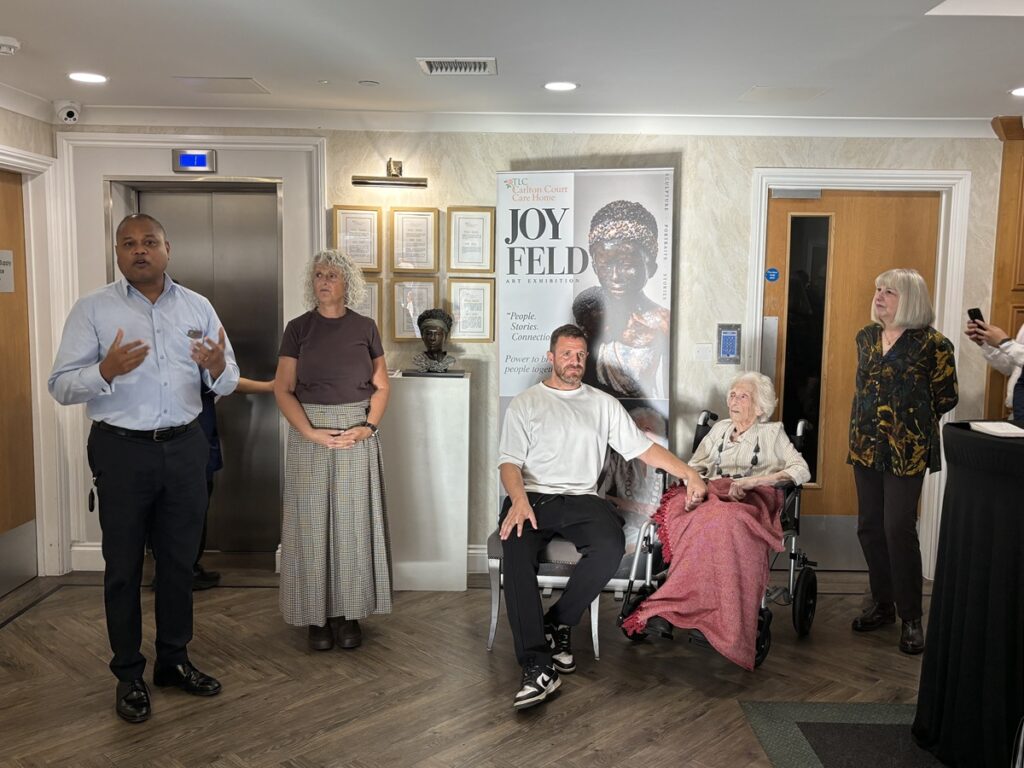
Their complaint is that the council refused to listen to their concerns and has failed to respond to their argument that the restrictions are excessive and have created a dangerous corner by speeding up traffic.

Dr Chris Nightingale commissioned the plaque – highlighting the refrain “When Will They Ever Learn?” from a 1950s Pete Seeger’s protest song – to remind Barnet Councillors that they should engage with residents and take their concerns seriously.

He says residents of Sebright and Calvert feel ignored and abandoned. Traffic speeds around their narrow streets of mainly small cottages and terraced homes have increased as a result of a double-yellow line restriction which they believe is longer than at other comparable road junctions.

So far there has been no response to a letter they sent to the council’s chief executive, Cath Shaw, reminding her of Barnet’s core values such as the undertaking by councillors to “actively listen, respond, collaborate and share ideas” with residents.

The legend around the edge of the plaque could not be clearer:

“Plaque commemorates the failure of Barnet Council to listen – thereby creating a dangerous corner and loss of parking.”

The dispute with the council over the parking restrictions began in June last year and finally the council went ahead with painting the yellow lines – an operation which did not go smoothly for the council’s contractors.

This prompted a rebuke from the council:

“Unfortunately, several vehicle owners did not follow the request to keep the junction clear to facilitate the line marking installation and it was necessary to arrange for the presence of a vehicle lifter.

“Council contractors were verbally abused. We expect contractors to be free to undertake work in a safe environment.

“Contractors asked for the council’s community safety team to attend when contractors returned.”

Blue plaque in Sebright Road, Barnet, rebukes Barnet Council for frailing to listen over residents objections to doube yellow line parking restrictions

Mrs Louise Cain (above, second from right) organised a petition to protest at the proposed parking restriction but it was rejected because it had not reached the minimum number of 500 signatures.

Although a letter sent by the group to Cath Shaw had not been acknowledged, she said a reply from the council’s highways team did not address their complaints about the lack of consultation and the fair treatment of residents’ concerns.

They were told to approach their local councillors to seek support if they wished to make a request regarding road safety design or parking as the highways team had already attended to review their concerns.

“Unfortunately, the reply we have received is very confused. We think the double yellow lines are too long and that other junctions in the vicinity have far less severe restrictions,” said Mrs Cain.

Posted on Leave a comment

Work authorised on ponds at golf course in Friern Barnet to increase water storage and reduce risk of flooding in north London

Two ponds at North Middlesex Golf Club in Friern Barnet Lane are to be cleared of silt and enlarged to improve flood management after heavy rainfall.

Water storage capacity along Blacketts Brook, which flows through the golf course and includes the two ponds, is to be increased at a cost of £340,000.

As part of the scheme, which is being funded by the Environment Agency, the two balancing ponds will be widened and de-silted.

A third flood storage basin further downstream, but within the golf course, will also be improved.

Enlargement will enable the ponds to retain more water and ease flooding in north London.

From the golf course, Blacketts Brook, flows through Friary Park and enters a culvert under both Friern Barnet Lane and the main railway line before joining Pymmes Brook.

Pymmes Brook, which flows through East Barnet village and Oak Hill Park, is itself subject to flooding.

This threat increases after Pymmes Brook is joined by tributaries such as Blacketts Brook and where, further south, flooding causes even greater problems in Upper Edmonton and Tottenham.

Two ponds along Blacketts Brook at Friern Barnet golf course to be enlarged to alleviate flooding after heavy rainfall

The two ponds in the golf course form part of a site of importance for nature conservation as they are thought to provide habitat for Palmate newts, which are rare in London.

Friary Park – where the continuation of Blacketts Brook is a popular feature – is also a site of importance for nature conservation.

In another move to improve flood resilience within the Borough of Barnet, the Environment Agency is to carry out an inspection of the Stoney Wood Lake reservoir near Mill Hill Golf Course at a cost of £82,000.

This is considered a high-risk large, raised reservoir. It has a capacity of at least 25,000 cubic metres of water above natural ground level.

The reservoir, formed by a dam constructed of steel sheet piling, impounds natural surface water.

There will now be a survey of 380 metres of sheet piling to assess the structure and identify any corrosion or damage.

Dan Tomlinson, MP for Chipping Barnet, welcomed the investment in the flood alleviation schemes.

“Climate crisis means we are facing greater rainfall and higher flood risk.

“We must do this work now: expanding capacity, ensuring resilience, making our infrastructure fit for the future, because the cost of inaction, waiting until there is a flood, is far greater.”

Posted on Leave a comment

Concert at Monken Hadley parish church to support financial appeal for new community hall to replace original Church House

A six-year fund-raising campaign for a new community hall at Monken Hadley is not far short of its £1.3 million target with the hope it might be possible finally to start to demolish the existing unsafe Church House by the end of the year.

The latest event to help towards pushing the appeal over the line is An Evening of Song at Monken Hadley parish church on Monday 20 April at 7.30pm.

Event organiser Katie Morris and chair of fund-raising Elaine Padmore — see above, from left to right – are hoping that tickets sales and further donations will help get the appeal to within touching distance of being able to authorise a start to the work.

So far £980,000 has been raised through events, donations and grants towards providing a new community hub for Monken Hadley residents and local organisations.

The Evening of Song concert will feature countertenor Will Prior and pianist Matthew Clemmet.

Will Prior, who studied music at Magdalen College, Oxford, is currently finishing a master’s in vocal performance at the Royal College of Music.

As a concert soloist, he has recently performed locally with the UK Japan Choir in Bach’s St John Passion and Handel’s Messiah, as well as in Bach’s Mass in B Minor with the Orchestra of the Age of Enlightenment.

Matthew Clemmet is an Oxford music graduate who is currently pursuing his postgraduate studies at the Royal College of Music.

He specialises in song, opera, and chamber music and won the pianist prize in the RCM Lieder Competition and second prize in the Joan Chissell Schumann Competition.

Renovation of Church House was ruled out because of continuing subsidence, due to the lack of adequate foundations, which has rendered the building unsafe and had to be closed to the public.

The appeal to construct a new community building was launched six years with a highly successful Son et Lumiere and the fund has been built up with help of a contribution from the community infrastructure levy collected by the London Borough of Barnet.

The new community hall will include a main assembly room for events, a large kitchen, toilets, showers and changing facilities for the cricket club.

There will be full wheelchair access, and the garden will be renovated to create a safe enclosed space for events.

An Evening of Song concert at Monken Hadley parish church to raise money for the appeal for a new community hall

A caption to an early photograph in the church archives says that Church House, which dates to the 18th century, was once the stables to Beacon House.

During the French revolution two French priests fled from France and were given refuge by the Rector, the Reverend John Burrows.

The building was then improved and used as a house, known as Hadley Cottage, home to a Miss Burrows, daughter of the Rector, and then Miss Bourier.

In 1910 it was converted for use as a parish hall and later a school room. 

e sHe 

Posted on 2 Comments

Historic prayers and verses add a moving to tribute to the men who lost their lives in the 1471 Battle of Barnet

A service of commemoration and laying of wreaths marked the 555th anniversary of the Battle of Barnet – a service researched and devised by the recently appointed rector of Monken Hadley parish church, the Reverend Francesco Aresco.

He read from texts which would have been known by the men who fought in the battle, most of whom left no name and who were buried in unknown graves in the vicinity of Hadley Highstone.

Francesco said the service was a moment to stand at the Highstone and remember their dying before God:

“These men who woke that morning, laced their boots, felt the fog on their faces, and did not come home.”

Whatever divided the Lancastrians and Yorkists on the battlefield, the ground around them received those who died without distinction and “has held them these five hundred and fifty-five years” since the day of the battle, 14 April 1471.

Dr Susan Skedd (above, right) director of the annual Barnet Medieval Festival, led the wreath laying ceremony – seen with Dame Theresa Villiers, the former MP for Chipping Barnet.

Her wreath – made from recycled flowers by Ursula Stone of the Flower Bank community project in New Barnet – included red and white roses and carnations “perfectly arranged” to reflect the colours of the Lancastrians and Yorkists.

Other wreaths were laid by Martin Russell, Deputy Lieutenant of Greater London; Monken Hadley church; East Barnet Royal British Legion branch and club; and by Barry Swain of the Barnet Tourist Board.

Francesco, who was appointed rector of Monken Hadley parish church in February last year, said that he had carried out his own research into the Battle of Barnet and hoped that the service reflected the momentous events that day.

His order of service – see illustration above – began with a prayer which the church of 1471 would have used, in the Latin the men at the battlefield would have known:

“Gloria Patri et Filio

et Spiritui Sancto”

Many of the men who assembled for the battle did not leave. “They were men of a world ordered by oath and obligation, by the faith they owed their lord and the faith they owed their God.”

Martin Russell then read verses which were composed in England some five hundred years before the Battle of Barnet by a poet whose name is lost.

“They were made for exactly this: for standing at the edge of a world that is no more and asking where the dead have gone”:

“The halls have fallen. The rulers lie dead.
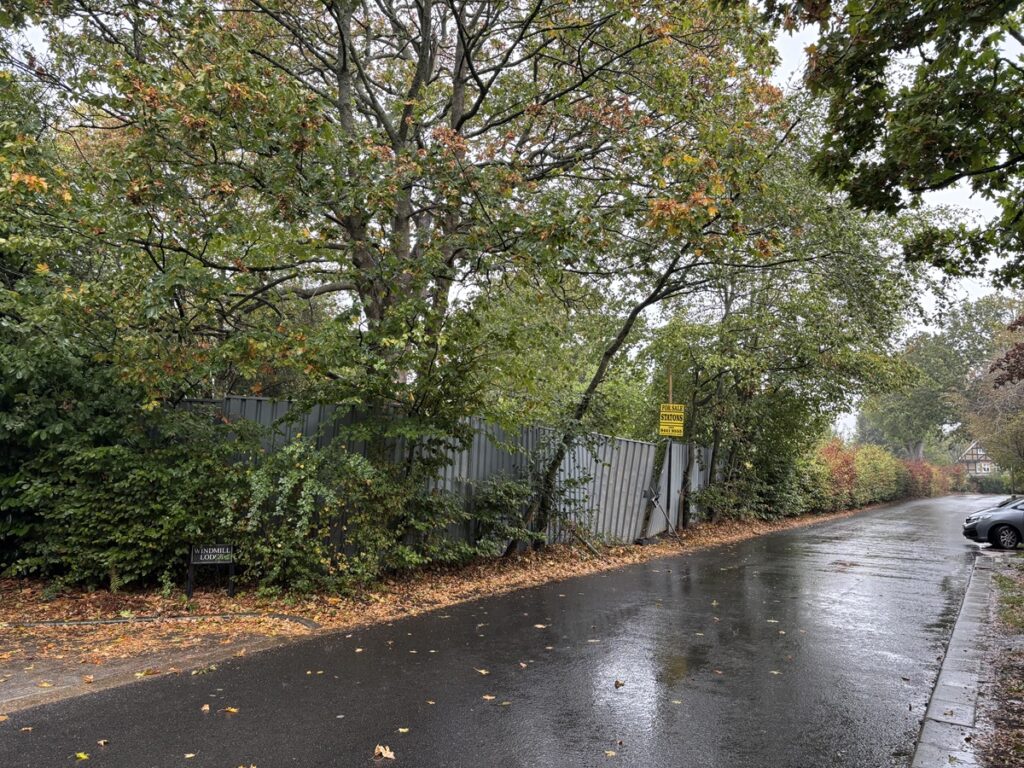
Where is the horse gone? Where the young warrior?”

Wreath laying and service of commemoration to remember the men who died in the Battle of Barnet of 1471, Special service for 555th anniversary

Ursula Stone’s Flower Bank project has been providing a wreath for the Highstone commemoration since the services were introduced in 2021.

“We are always full of admiration for the wreaths which Ursula designs for us and this year the red and white roses and carnations are so appropriate,” said Susan Skedd.
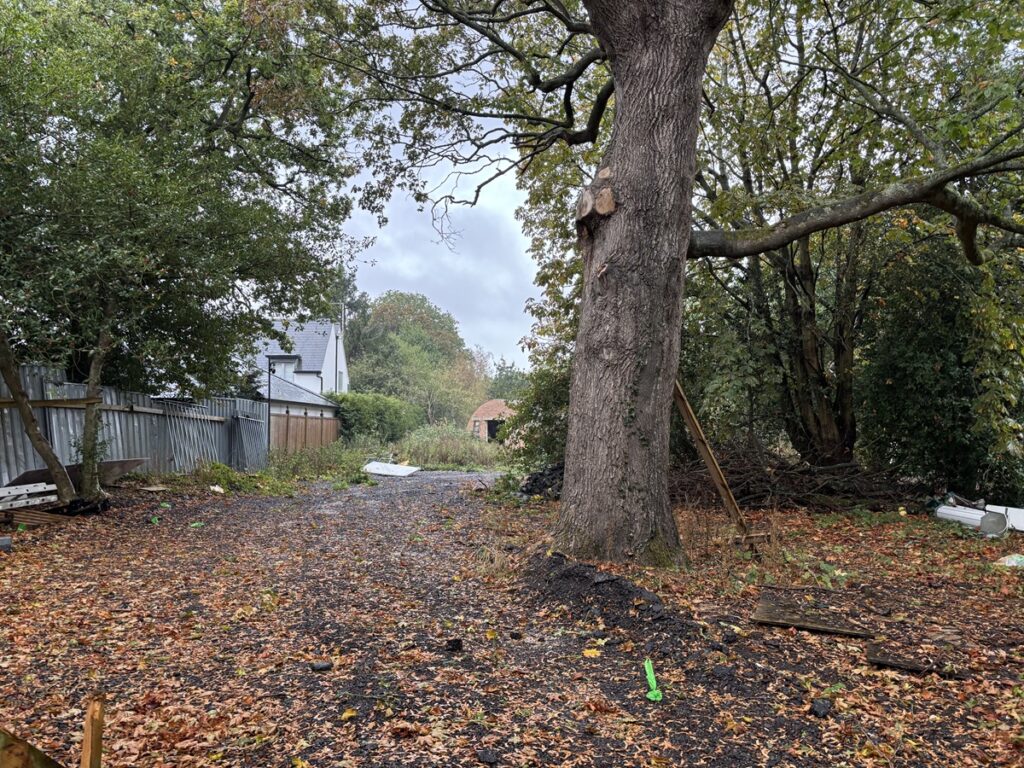
Ursula’s flower arranging classes using surplus flowers from shops and events have been widely praised and her initiative was recognised in 2023 with a Barnet Council award for outstanding service to the community.
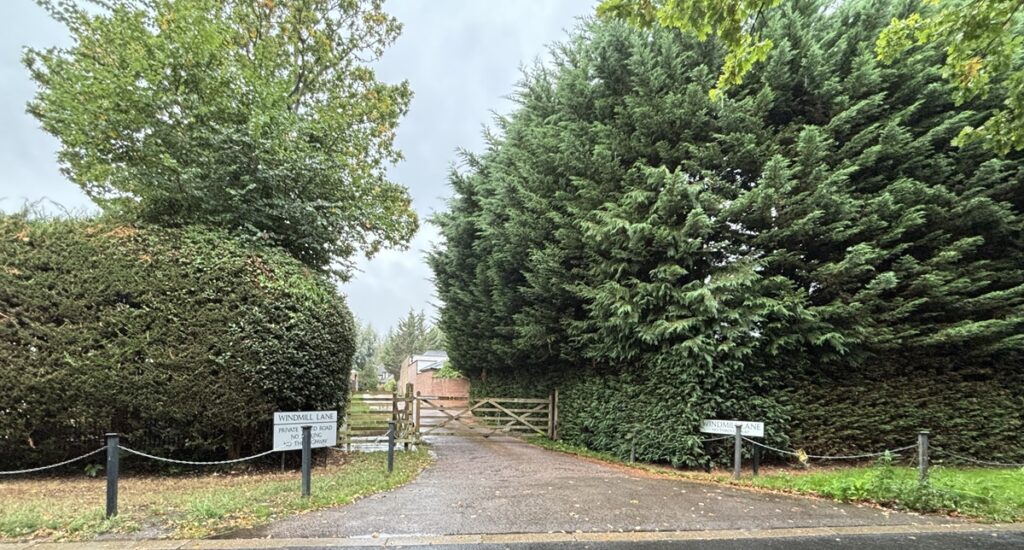
The wreath laying ceremony was an opportunity help publicise this year’s Barnet Medieval Festival which is to be held at the Lewis of London Ice Cream Farm, in Galley Lane, Barnet, over the weekend of June 6 and 7.

New attractions this year will include mounted knights in combat and a falconry display.

To highlight this year’s 555th anniversary celebrations, Barnet Tourist Board is hoping to announce a fresh attempt to determine the site of the Battle of Barnet.

Researchers Brian Carroll and Barry Swain have been drawing up plans to enlist a team of metal detectors to conduct a fresh search.

They were looking into new theories about the route taken by Yorkist army as it left London and headed for Barnet to meet the Lancastrians.

Cromer Road Primary School in New Barnet is one of the sites which the Yorkists might have passed and then returned to London after their victory.

“Close to the school is a small wood – which was once of playing field – where there could be a sweep by a team of metal detectors,” said Brian Carroll.

“We think this part of New Barnet is very promising as we know that someone who lived in Clifford Road said their grandfather discovered bit and pieces of a musket in the garden.”   

Posted on 3 Comments

Government and developers set their sights on the Green Belt

View of Green Belt south of Potters Bar showing green fields, trees and hedges with M25 in background

This swathe of Green Belt (above) will be mostly built over if current plans are approved. And within Barnet, dozens of so-called ‘Grey Belt’ sites are being targetted for new homes (few of which are likely to be affordable). The Labour Council promises to create a Regional Park, which could prevent that. This should be an issue in our local election in May – but do voters know or care?

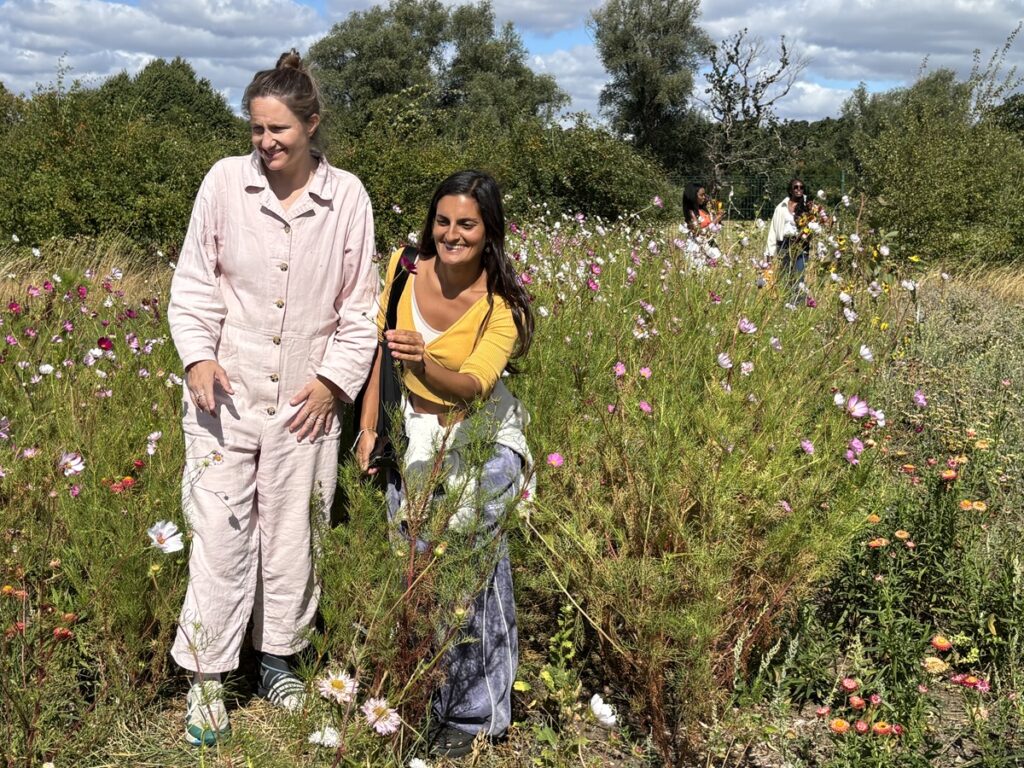
Between Potters Bar and Borehamwood, several enormous data centres have already been approved on land in the foreground of the photo above. Beyond the M25 will be a major expansion of Sky studios. For land off to the left of the photo, a planning application for 900 new homes has been refused by Hertsmere Council, but the developer has appealed against the decision.

Crews Hill & Chase Park new town

Between Barnet and Enfield, the government proposes a new town of 21,000 homes on Green Belt land. The plans are supported by Enfield Council and the Mayor of London but opposed by the Enfield Society and Enfield RoadWatch.

The Barnet Society has objected to any loss of the green buffer that exists between Barnet and Enfield. It is vital to preserve the separate identities of settlements that would otherwise merge into amorphous suburbia, and a vital reservoir of biodiversity.

Just ahead of the local elections in May, groups and communities across the UK will be taking part in a UK-wide Day of Action for Nature, Parks and Green Spaces on Saturday 18 April. Its purpose is to demonstrate, visibly and collectively, that people everywhere care deeply about the natural world and want to see it protected and restored. Join the national day of action here.

Barnet’s Green Belt

The countryside on three sides of Chipping (or High) Barnet was saved in 1945 from housing development, largely by the efforts of the Barnet Society. In 1955 it was formally designated part of the London Metropolitan Green Belt. The map above shows how well it has survived – at least until now.

For decades developers have tried to build in it. So far, our Council has effectively prevented most new development. Exceptions have generally been restricted to replacement of obsolescent farm buildings.

Lately, however, we’ve seen an increase in speculative purchases of, and planning applications for, Green Belt land. Also notable has been unsightly and apparently deliberate neglect of existing buildings and landscape. The prospect of profiting from escalating land values and house prices beats the cost of maintaining or restoring property.

Expectations have been fuelled by the housing crisis, which has driven up mortgages and rents. And building costs have soared due to Brexit, Covid-19, wars in Ukraine and the Middle East and the higher safety standards introduced since the Grenfell Tower tragedy. Building on city brownfield sites has become less financially viable. No wonder the Green Belt, where building is cheaper, has become so appealing to developers and politicians.

And Labour politicians have opened the door to its development.

Grey Belt sites

In 2024, Sir Keir Starmer promised to release low-quality or neglected Green Belt land for housebuilding. In 2025, the National Planning Policy Framework (NPPF) was revised to allow housing development on Grey Belt sites subject to ‘Golden Rules’. And public consultation recently closed on further relaxations of the NPPF.

The consequence has been a flood of planning applications for allegedly Grey sites. In December 2025 CPRE, the countryside charity, reported new research revealing that the Grey Belt policy is enabling large-scale development on England’s unspoilt rural landscapes – not, as ministers promised, on unused car parks and derelict petrol stations.

Since December 2024, when the policy was introduced, 13 developments of 10 or more homes have been approved by government Planning Inspectors on Grey land in the Green Belt. The approvals have been granted over the heads of local councils. Of the 1,250 homes these schemes will deliver, 88% will be built on previously undeveloped countryside.

In Barnet, it’s becoming routine for prospective developers of Green Belt land to describe their sites as Grey. Although some sites are quite small, they’re dotted around and have a disproportionately harmful impact on the countryside. Most aren’t served by public transport and won’t be developed for affordable (let alone social) housing. A selection is illustrated below.

Barnet Regional Park

Barnet Labour Party’s local election leaflet contains this pledge:

“We will… create a ‘Regional Park’ in the green belt.”

It would be centred on the astonishingly intact and peaceful fields and woods between Arkley and Mill Hill (below).

The concept is already embedded in Barnet’s Local Plan (adopted by the Council last year) where Policy GSS13 states,

The Council supports the creation of a new Regional Park within designated Green Belt or Metropolitan Open Land in the Brent Valley and Barnet Plateau Green Grid Area…”

Inspired in part by the success of the Lea Valley Regional Park, interventions would include “the enhancement of footpath, cycling and bridleway networks; improved green corridors and nature conservation areas [and] a network of new strategic recreational destinations.”

The map below (from the Council’s 2019 Growth Strategy) shows its intended configuration.

Most importantly – since the Regional Park contains several of the Grey sites illustrated above – designation should provide stronger protection from inappropriate development. It would bring better public awareness and funding to ensure high design standards and long-term management of the area.

An imaginative suggestion from Roger Chapman of Barnet Green Spaces Network is for a regional food and biodiversity park to encourage a wide range of food growing practices. Linked with primary, secondary and post-16 education institutions and forest schools, it would provide an inspiring setting for environmental education and pathways to vocational qualifications in horticulture, animal husbandry and other skills essential for future food security.

As Roger says, “The park would build upon Barnet’s extensive agricultural history and heritage, enabling old stories to be retold and new ones to be created.” That’s an idea worth voting for.

The need for proper planning

Debate about the Green Belt is hampered by the lack of any regional strategy. There has been no planning body for the South-East for decades. Responsibility for the Green Belt is split between dozens of Local Planning Authorities.

The Mayor of London launched a London-wide review of the Green Belt to identify Grey Belt land for housing to tackle London’s housing crisis, but it is limited to the Greater London area. It was expected to be completed by the end of 2025 but is still awaited.

As a consequence every planning application in the Green (or Grey) Belt, however minor, becomes a bitter battle between developers, planners and residents.

The creation of the Green Belt was made possible by the government’s adoption of Patrick Abercrombie’s Greater London Plan, which created a ring of new towns around London, outside the Green Belt, to absorb the demand for new housing and promote alternative centres of growth. If we had a vision as sensible and comprehensive as that for our society – and for the natural world with which we co-exist – surely most of us would accept development in the most sustainable (or least harmful) locations in exchange for guaranteed long-term protection of our most beautiful and biodiverse environments.

Crews Hill & Chase Park new town and Barnet Regional Park could be examples of such an approach. As yet details of both projects are far too hazy for a final public decision. But each could transform substantial sectors of their borough. Whether to proceed with project planning, feasibility studies and technical investigations ought to be a matter of great public interest. This coming election is an opportunity to test the popularity of both projects.