
Strengthened protection for woodland close to Hadley Green which has become a wildlife corridor close to Barnet town centre
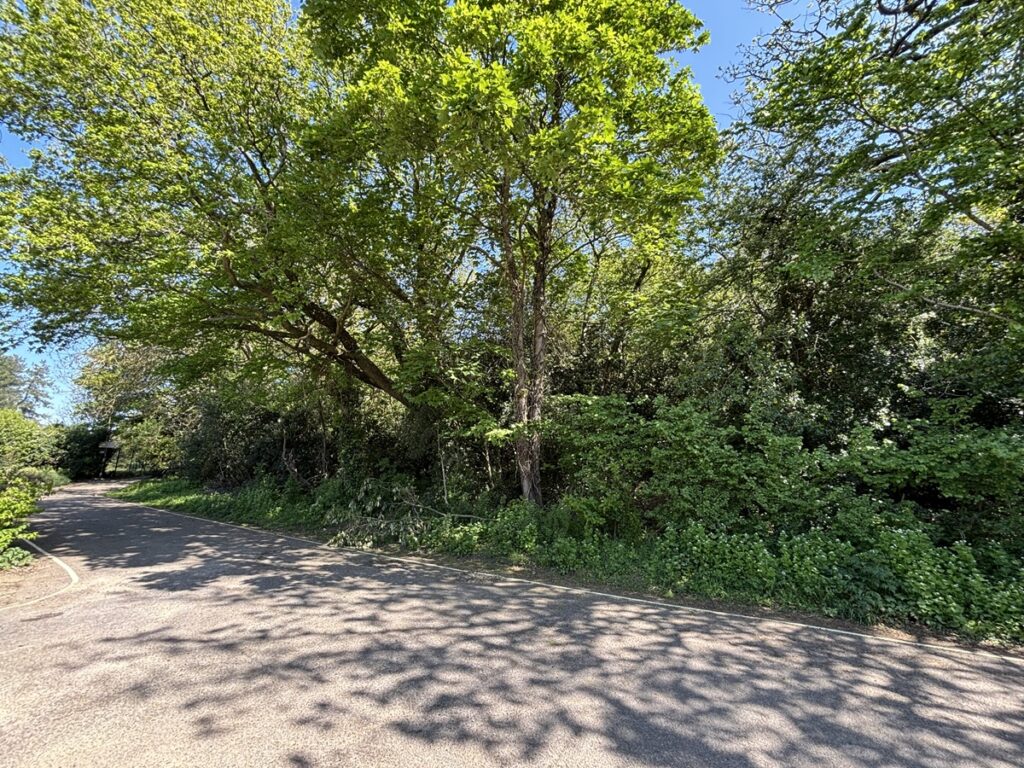
A planning dispute over an unsuccessful bid to build a large new house within the Monken Hadley conservation area has resulted in Barnet Council declaring a woodland tree preservation order on the whole site.
An objection by the owners to the strengthening of the tree protection for the one-acre site – see above – was rejected by the planning committee.
It said the strip of land alongside Christchurch Lane – opposite the junction with Sunset View – was classified by ecologists as “lowland mixed deciduous woodland” and was a “priority habitat deciduous woodland”.
As planning authority, Barnet Council had a duty to protect this asset with a “woodland tree preservation order”.
The trees on the site – including oak, ash, birch and walnut and a shrub layer of yew, hawthorn and laurel – provided “considerable visual amenity” in an area of a mosaic of small green spaces.
Nearby residents who objected to the original plan to build a large house on the site have hailed the decision as another decisive step in their campaign to preserve what they believe is a significant wildlife corridor between Hadley Green and the Old Fold Manor Golf Course.
In March, an application by Christchurchgrove Ltd to build a six-bedroom house on the site was refused by the council because it would do “unacceptable harm” to a woodland habitat and damage the conservation area.
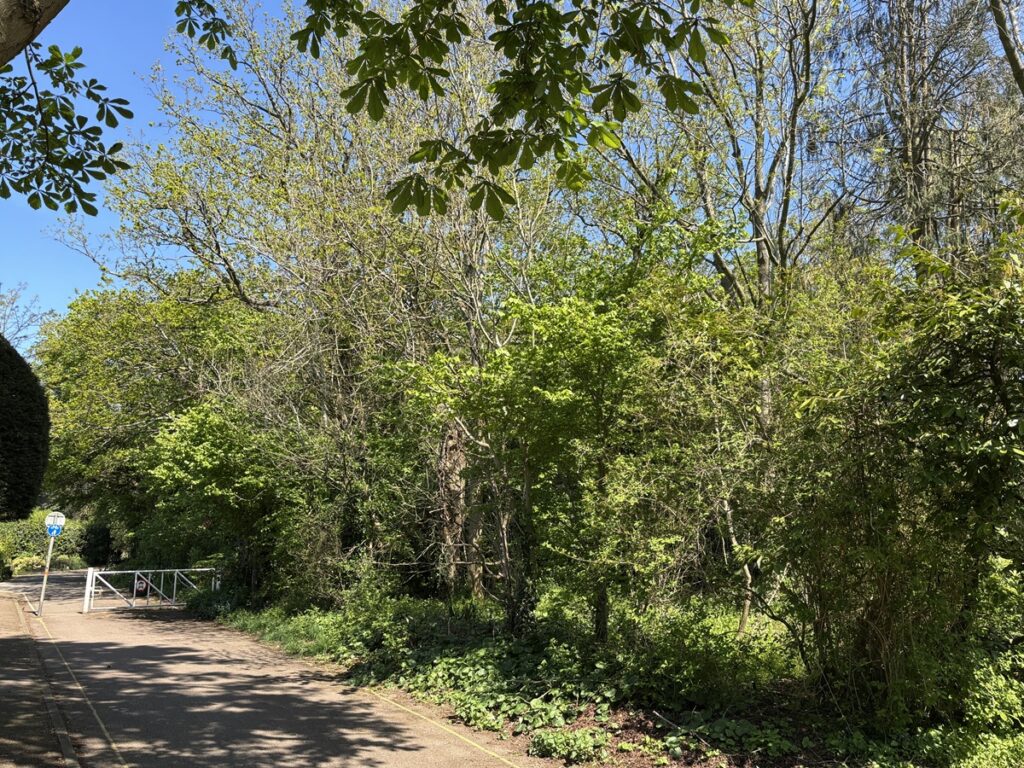
In objecting to the proposed tree preservation order for the whole site, the company said the land was already covered by eight separate tree preservation orders and therefore there was already adequate protection.
Without approval for the construction of the proposed house would be no management plan for the woodland which was already displaying symptoms of becoming unkempt and neglected.
There had been growth in the woods of non-indigenous and invasive species which was starting to denude the quality of the habitat.
In response, the council said that in the 45 years since the original tree preservation orders were made, many new trees had established themselves and had merit.
They had altered significantly the appearance of the land, adding to the “woodland character” of the site.
Tags: #Barnet Council #Planning
Why not become a member? Receive our latest newsletter hot off the press four times a year, and support our work with a membership.
If you have some local news, history or want to bring something to our attention please email us.