Posted on 1 Comment

Spring water continues to flow without interruption at Barnet’s historic Physic Well despite summer months with no rain

While many natural ponds around the town have dried out due to the prolonged drought and successive heatwaves, the water level at High Barnet’s historic Physic Well has remained constant.

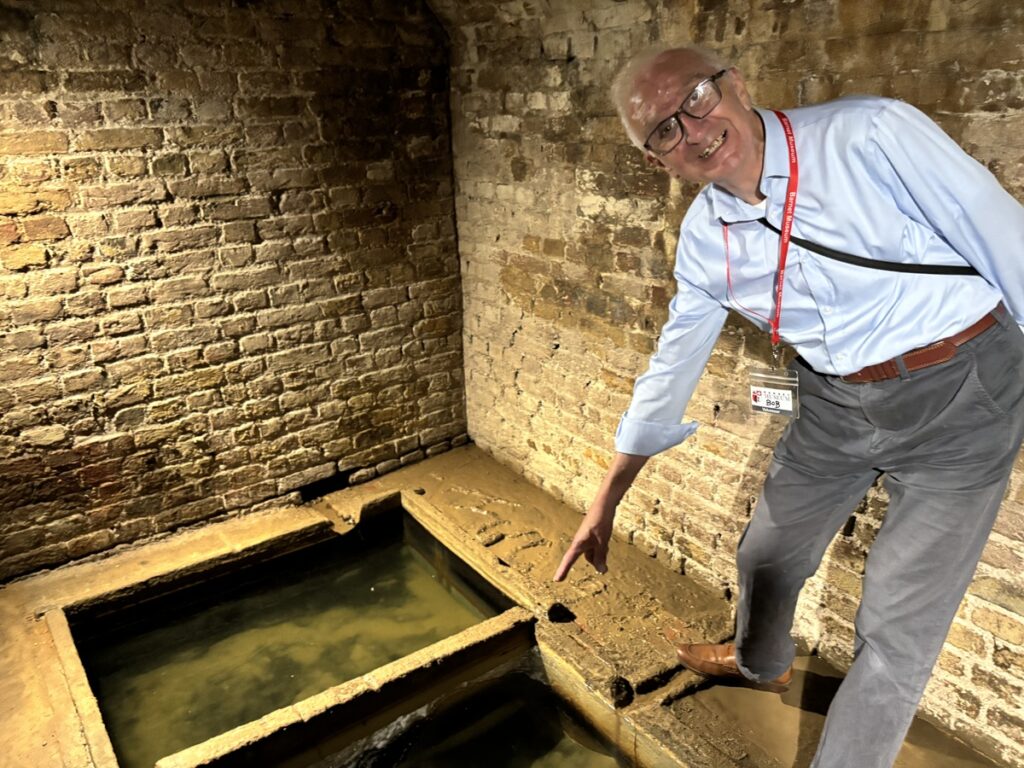
When visitors descended the wellhouse steps at the monthly open day, they were shown the two tanks filled by mineral water from a spring which was first mentioned in a Tudor guidebook in the late 16th century.

In almost 20 years since Barnet Museum first started campaigning to get the wellhouse restored and re-opened, volunteers – including Bob Langley above – say the water level has rarely ever changed.

Occasionally during exceptionally wet weather the well tanks overflow a little, but otherwise the water level always remains at a constant depth.

All around High Barnet numerous ponds filled by surface water have dried out.

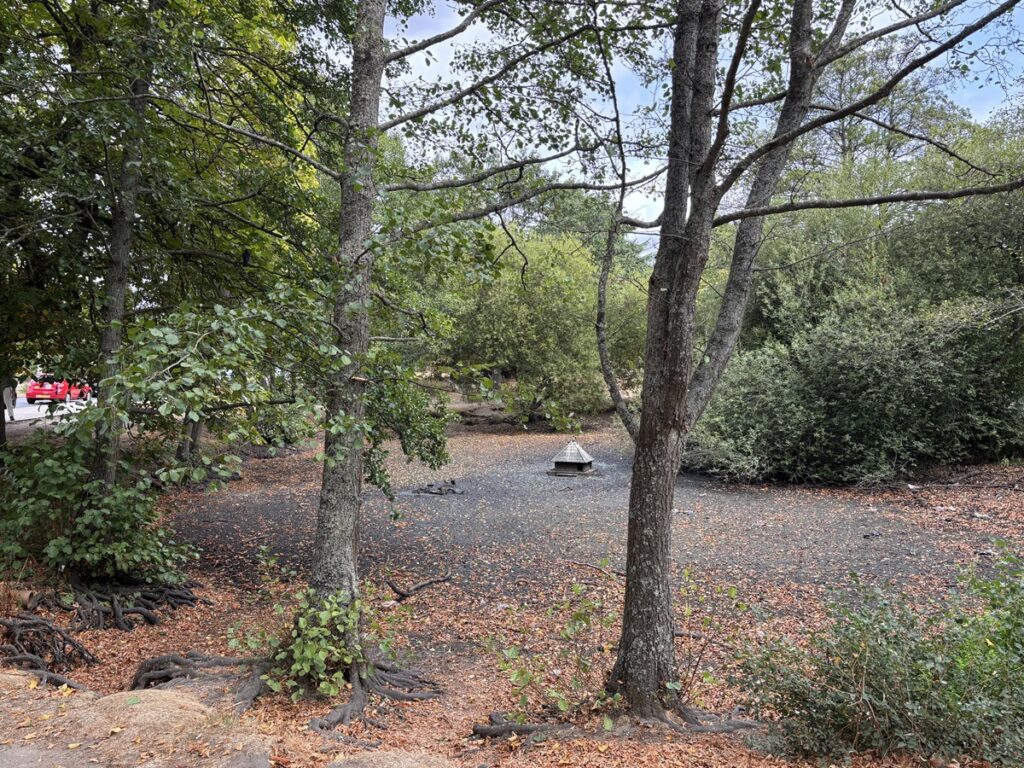
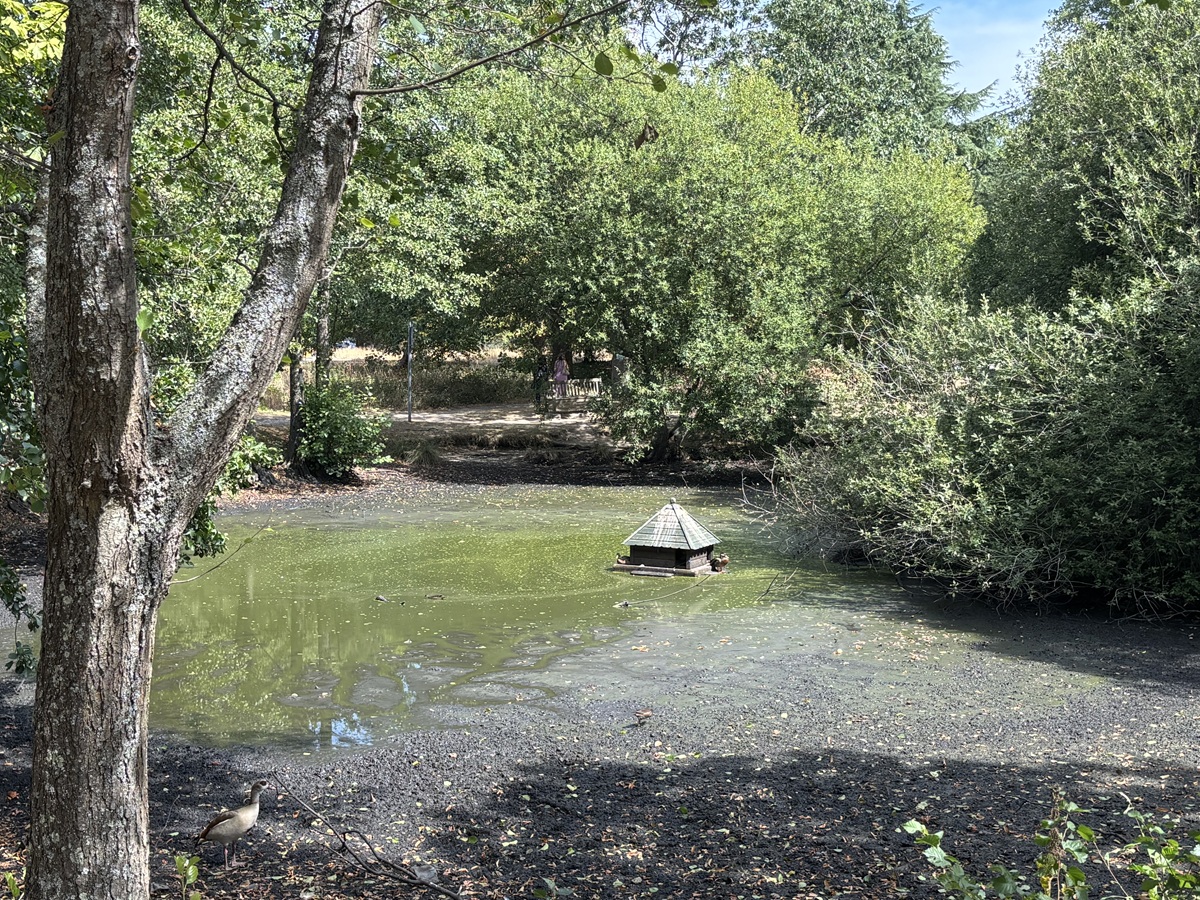
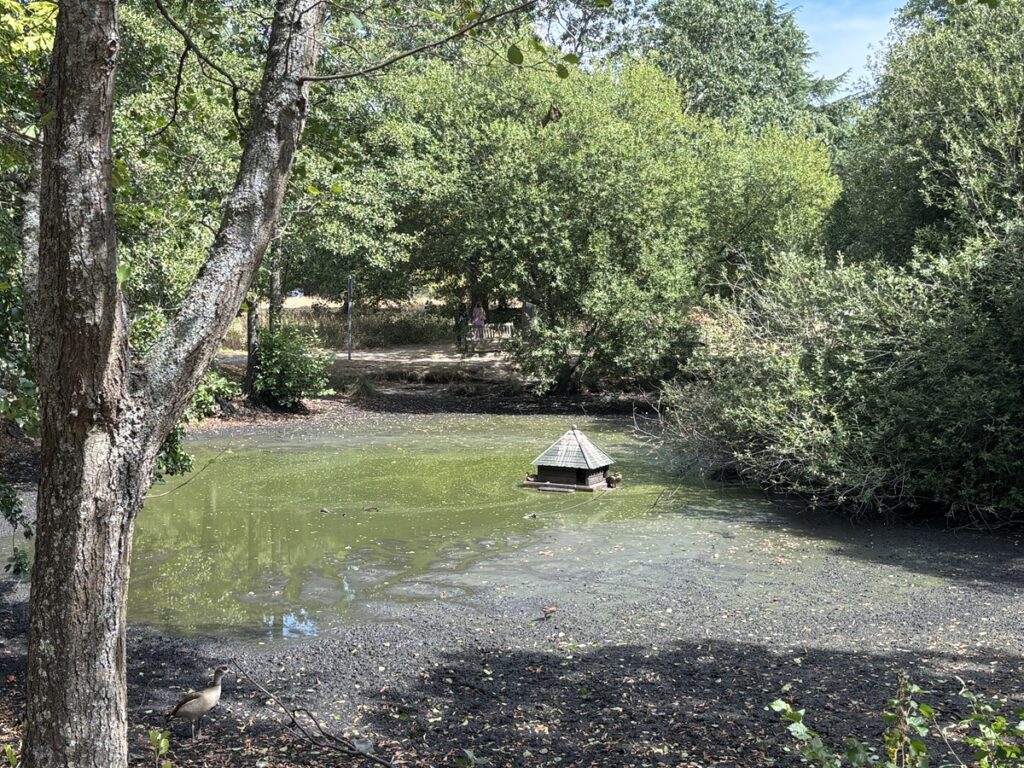
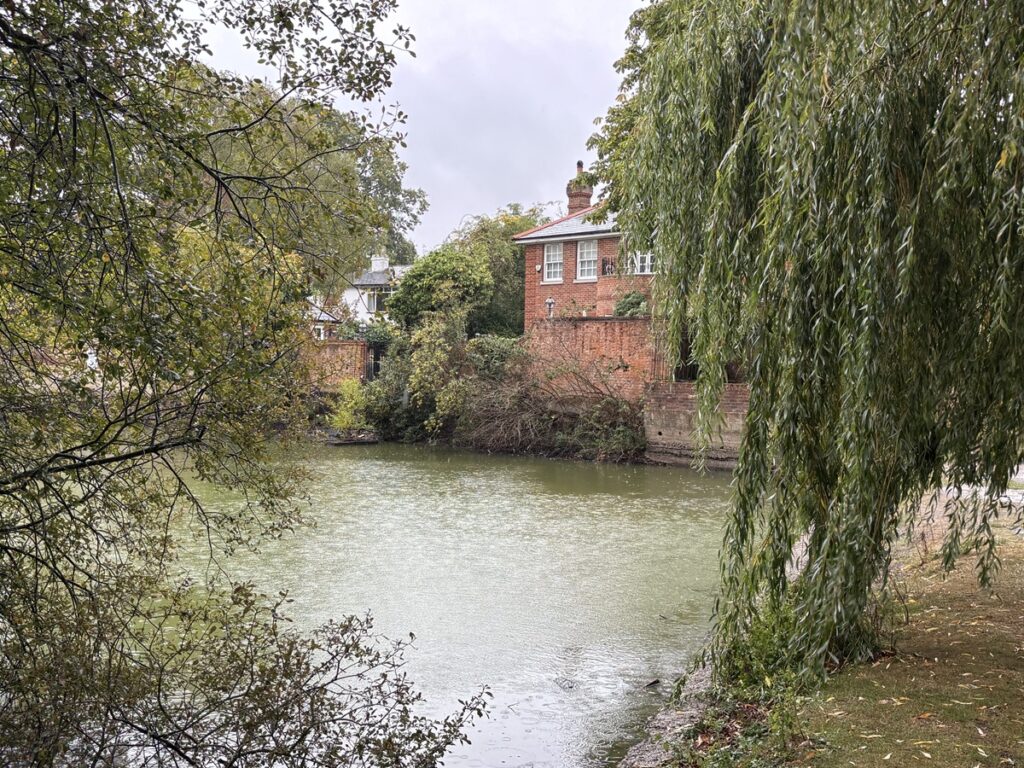
Joslin’s Pond on Hadley Green, where generations of children have fed the ducks, has been reduced to an expanse of mud with the duck house beached in the middle.

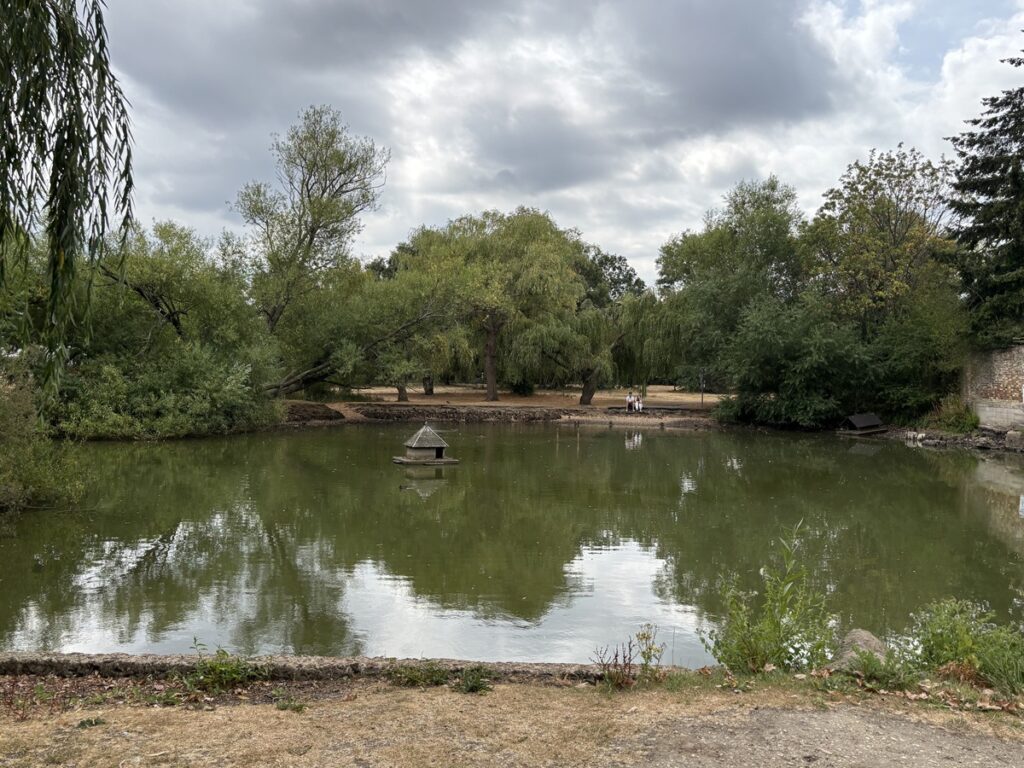
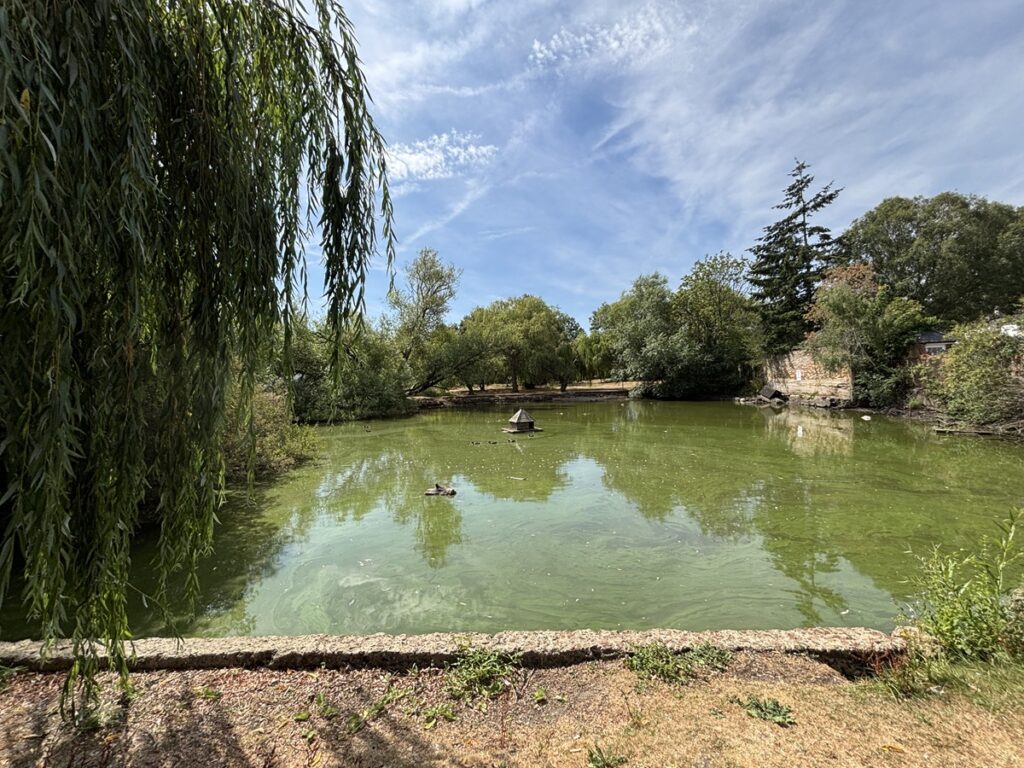
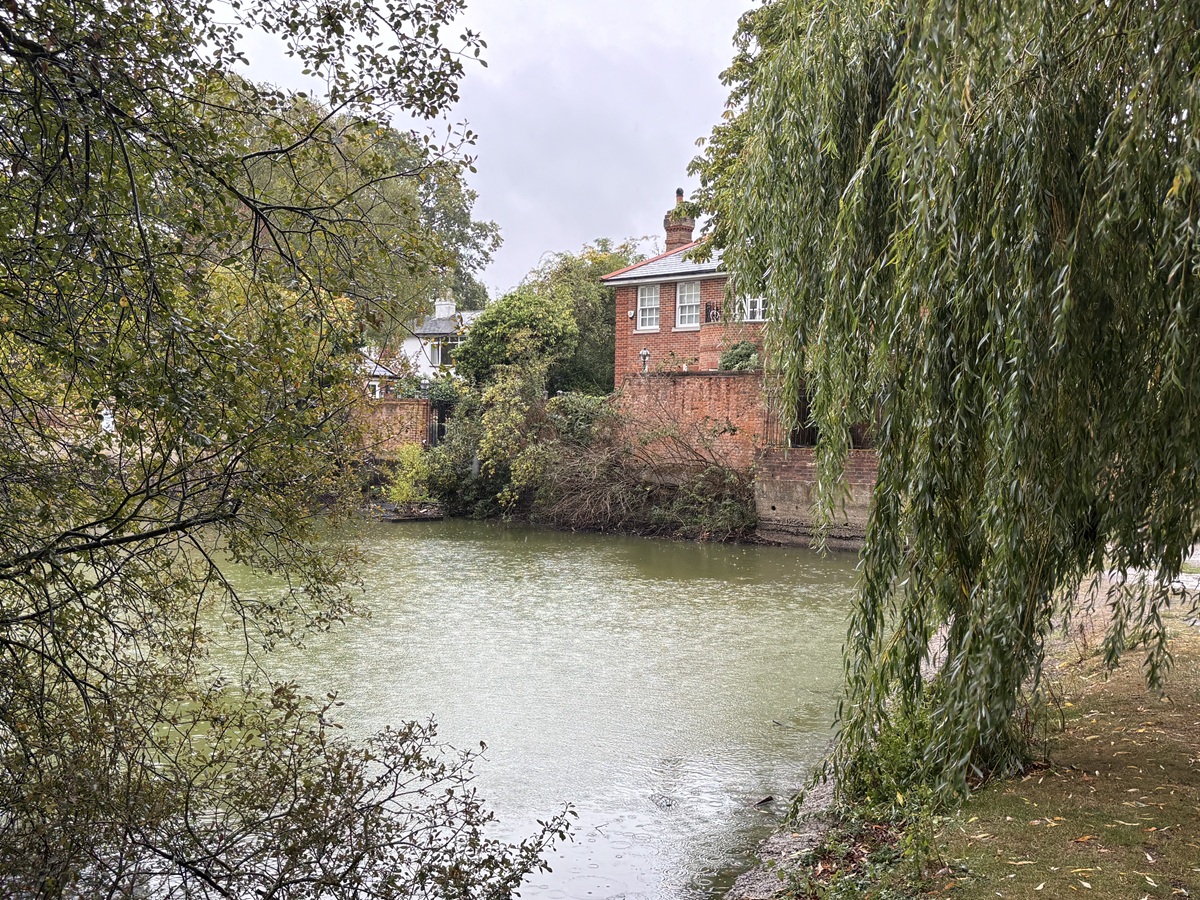
Hadley Green’s largest pond, Brewery Pond, next to site of the former Hadley Brewery, is filled by a spring and although the water level is much lower than usual it provides a refuge for ducks and other wildlife.

After re-opening in 2018 following repairs, Barnet Physic Well, famous for its chalybeate spring water, has become a popular attraction on its monthly open days on Saturday afternoons between February and November.

Once fashionable to drink the water was sold in London and attracted gentry to Barnet because it was said to have healing and other medicinal qualities.

The well’s most famous visitor – and consumer – was the renowned diarist Samuel Pepys who after lunch at the Red Lion in 1664, continued to the well “and there I drunk three glasses and went and walked and came back and drunk two more”.

Among the open day visitors were Eamonn Brady who as a child lived opposite in Well Road and who had never been inside the well house or seen what the well looked like.

“When I was a child in the 1960s the wellhouse was always padlocked.

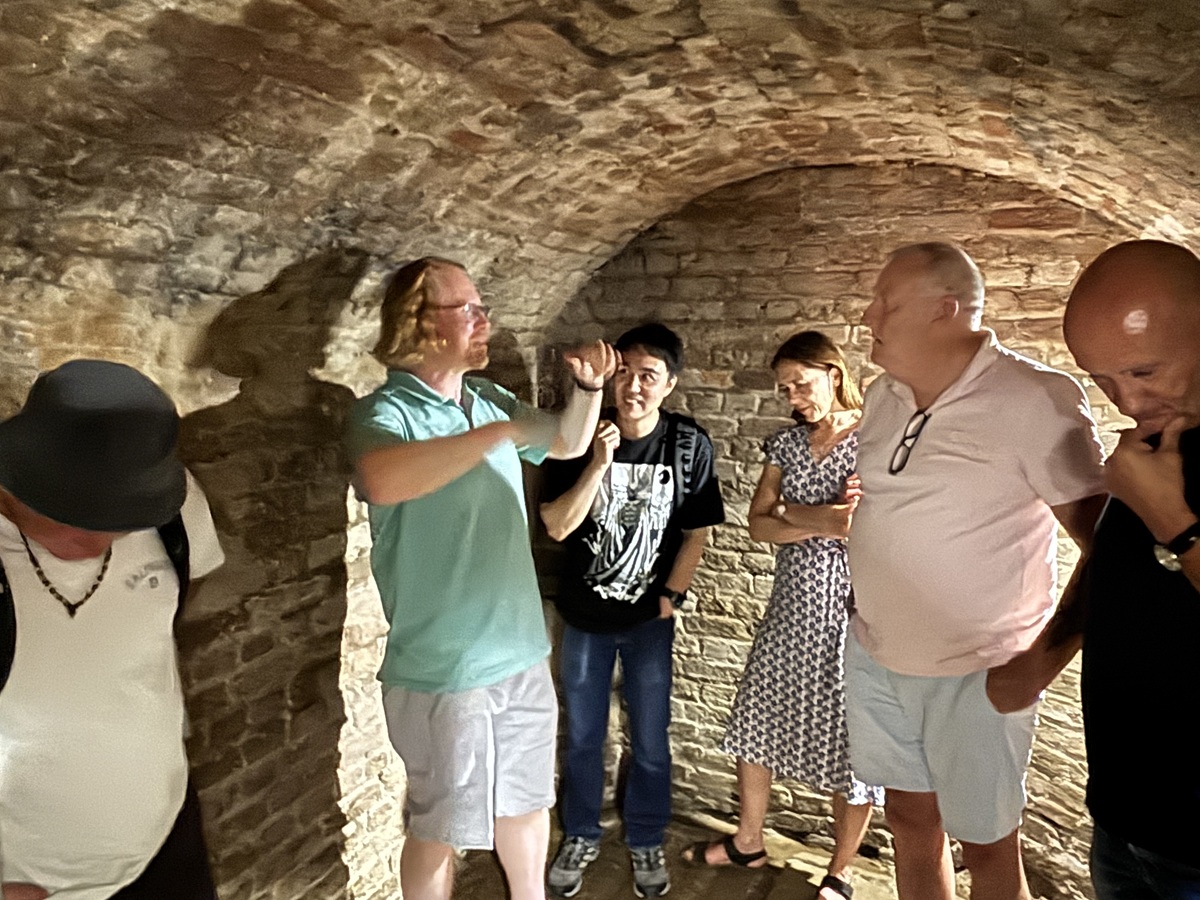
“We used to play football on the green outside so what went on inside the well house was always mystery” said Mr Brady – above second from right with well guide Charlie, second from the left.

“Soon after we moved from Well Road to Potters Bar, so I never got the chance to look inside. As you can imagine this was something I had to put right.”

Mr Brady was fascinated to descend into the well chamber and learn more about its history.

He recalled a family story about how his grandma and aunt, who lived next door in Well Road, saying that one night they separately saw a black shadow cross the landing of their houses.

“They both described an old-fashioned man with a hat on, and we have always wondered whether it was the ghost of Samuel Pepys.”

Open days at the Physic Well are always a moment of great pride for Mike Jordan who led the campaign to get the well house restored and re-opened.

Mr Jordan – seen here with a mural celebrating Barnet history which was donated by Waterstones bookshop – was chairman of trustees at Barnet Museum for 14 years and on retirement was appointed president.

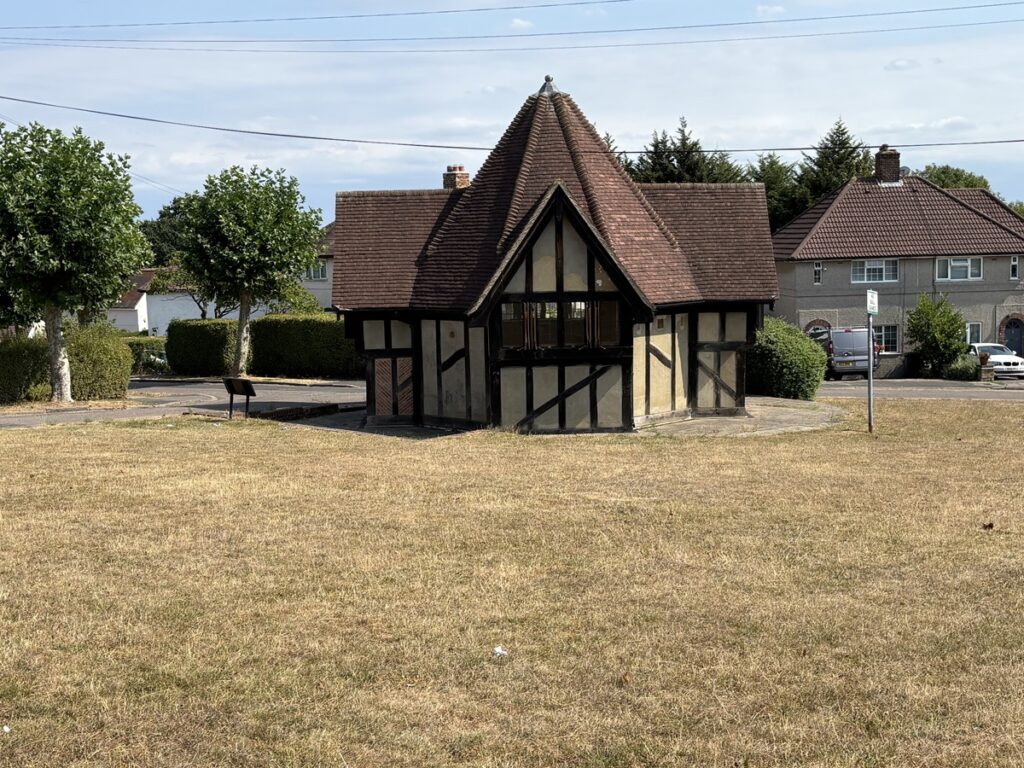
For many years the Physic Well, which is in Well Approach, a short walk from Barnet Hospital, was in such a sorry state that the building was placed on Historic England’s at-risk register.

The well house was constructed in 1937 to protect the dis-used well and its spring. Restoring the building to its full mock-Tudor glory and making it safe for visitors cost £150,000. It is now in the care of Barnet Museum.

“My main commitment nowadays is the well,” said Mr Jordan.

“When we open the doors on a Saturday afternoon every month, we are always so pleased to welcome visitors to what is one of the best-preserved medicinal wells in the country.

“We spent so much time with Barnet Council and Historic England rescuing the wellhouse the sense of achievement is really gratifying. If I leave anything to Barnet, it is helping to preserve the Physic Well for the future.”

Five heatwaves and two months without rain has dried out the ponds on Hadley Green except for the Brewery Pond which is fed by a spring and is next to the site of the former brewery which had its own artesian well.

Hadley Brewery, opened in around 1700, was demolished in 1978.

Unlike the duck house on Joslin’s Pond, which is beached on the mud, the duck house at the Brewery Pond is still afloat – the duck houses were purchased in 2018 by Keith Chapman of Hadley Residents Association.

Joslin’s Pond was named after William Joslin, who lived in one of the Georgian cottages next to the green and who in the 1880s ran a nearby bakery.

Posted on 1 Comment

Summer heatwave taking its toll on ponds and streams which are such a popular feature of Chipping Barnet’s green spaces

Record breaking hot weather and a lack of rain have dried out many ponds and streams in and around High Barnet. Hadley Green and Hadley Common have both been hard hit by the drought.

Exposed mud and a small patch of slimy water are all that is left of the famous duck bond where Hadley Green meets Barnet High Street – see above.

Past generations of children found delight in feeding ducks on the pond – although this is now discouraged with a prominent notice declaring: “Please do NOT feed the birds as uneaten food encourages vermin”.

Although much reduced in depth, brewery pond at the northern end of the green near Dury Road, still manages to provide an aquatic refuge for ducks, other birds and wildlife.

Next to the site of what was the former Hadley Brewery, brewery pond is naturally replenished by local groundwater and springs across the green.

London firefighters drew water from the pond in 2025 when fighting a fire which gutted a Georgian property Hollybush House close to the junction with Sydney Chapman Way.

Other smaller ponds on the green have dried out completely including a pond close to Old Fold Manor Golf Club.

Record breaking hot weather and lack of rain has dried out ponds and streams which are soch a popular feature of green spaces in and around Chipping Barnet

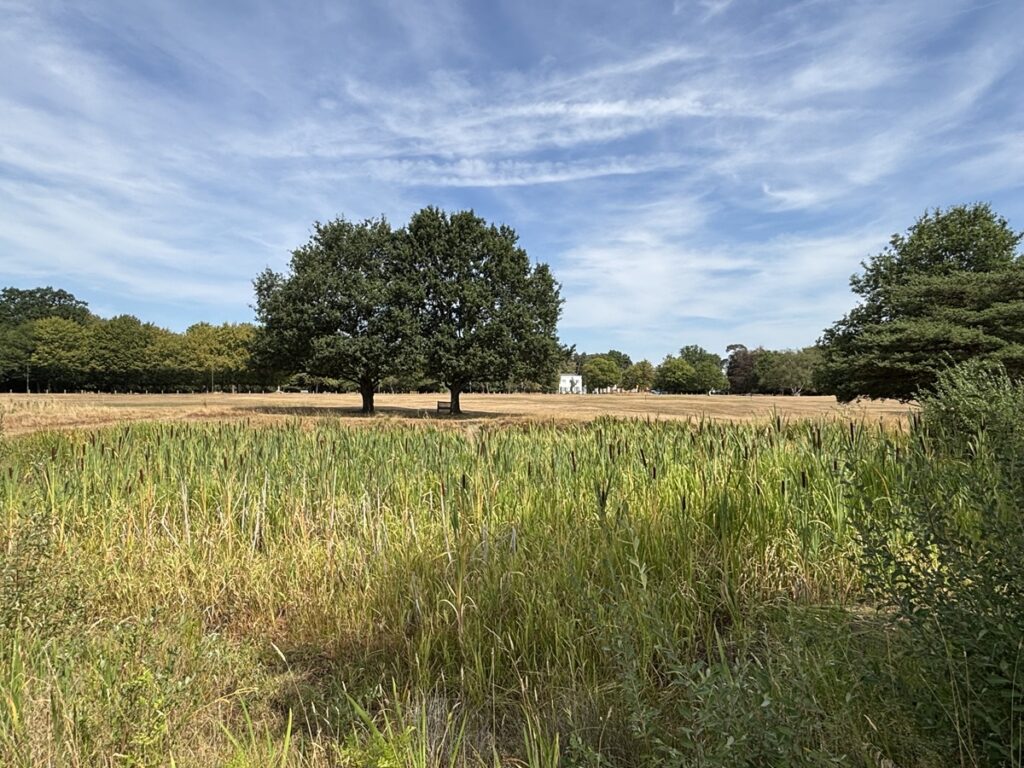
Another casualty is what is known as Gladsmuir pond which borders Hadley Common roadway, close to the junction with Camlet Way.

Bullrushes have grown across the base of the pond which in the spring is said to host Great Crested Newts, a protected species whose habit must be preserved.

Posted on

Work authorised on ponds at golf course in Friern Barnet to increase water storage and reduce risk of flooding in north London

PS: No decision on this project has been made by North Middlesex Golf Club and any proposals remain subject to the Club’s internal decision-making processes.

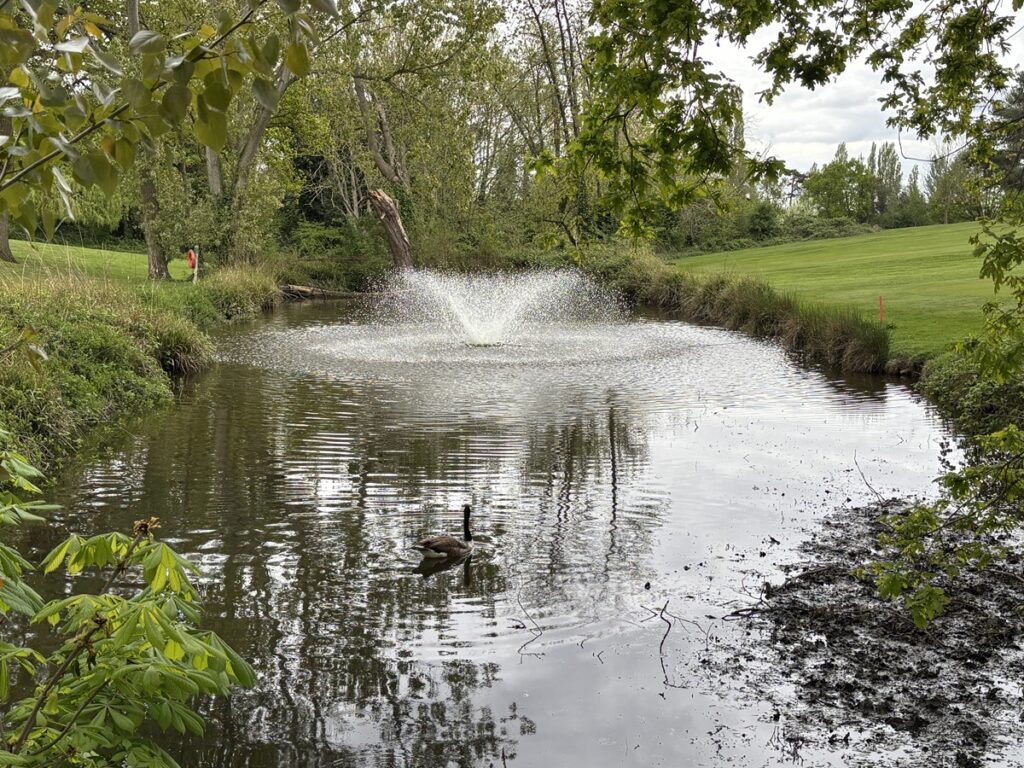
Two ponds at North Middlesex Golf Club in Friern Barnet Lane are to be cleared of silt and enlarged to improve flood management after heavy rainfall.

Water storage capacity along Blacketts Brook, which flows through the golf course and includes the two ponds, is to be increased at a cost of £340,000.

As part of the scheme, which is being funded by the Environment Agency, the two balancing ponds will be widened and de-silted.

A third flood storage basin further downstream, but within the golf course, will also be improved.

Enlargement will enable the ponds to retain more water and ease flooding in north London.

From the golf course, Blacketts Brook, flows through Friary Park and enters a culvert under both Friern Barnet Lane and the main railway line before joining Pymmes Brook.

Pymmes Brook, which flows through East Barnet village and Oak Hill Park, is itself subject to flooding.

This threat increases after Pymmes Brook is joined by tributaries such as Blacketts Brook and where, further south, flooding causes even greater problems in Upper Edmonton and Tottenham.

Two ponds along Blacketts Brook at Friern Barnet golf course to be enlarged to alleviate flooding after heavy rainfall

The two ponds in the golf course form part of a site of importance for nature conservation as they are thought to provide habitat for Palmate newts, which are rare in London.

Friary Park – where the continuation of Blacketts Brook is a popular feature – is also a site of importance for nature conservation.

In another move to improve flood resilience within the Borough of Barnet, the Environment Agency is to carry out an inspection of the Stoney Wood Lake reservoir near Mill Hill Golf Course at a cost of £82,000.

This is considered a high-risk large, raised reservoir. It has a capacity of at least 25,000 cubic metres of water above natural ground level.

The reservoir, formed by a dam constructed of steel sheet piling, impounds natural surface water.

There will now be a survey of 380 metres of sheet piling to assess the structure and identify any corrosion or damage.

Dan Tomlinson, MP for Chipping Barnet, welcomed the investment in the flood alleviation schemes.

“Climate crisis means we are facing greater rainfall and higher flood risk.

“We must do this work now: expanding capacity, ensuring resilience, making our infrastructure fit for the future, because the cost of inaction, waiting until there is a flood, is far greater.”

Posted on 1 Comment

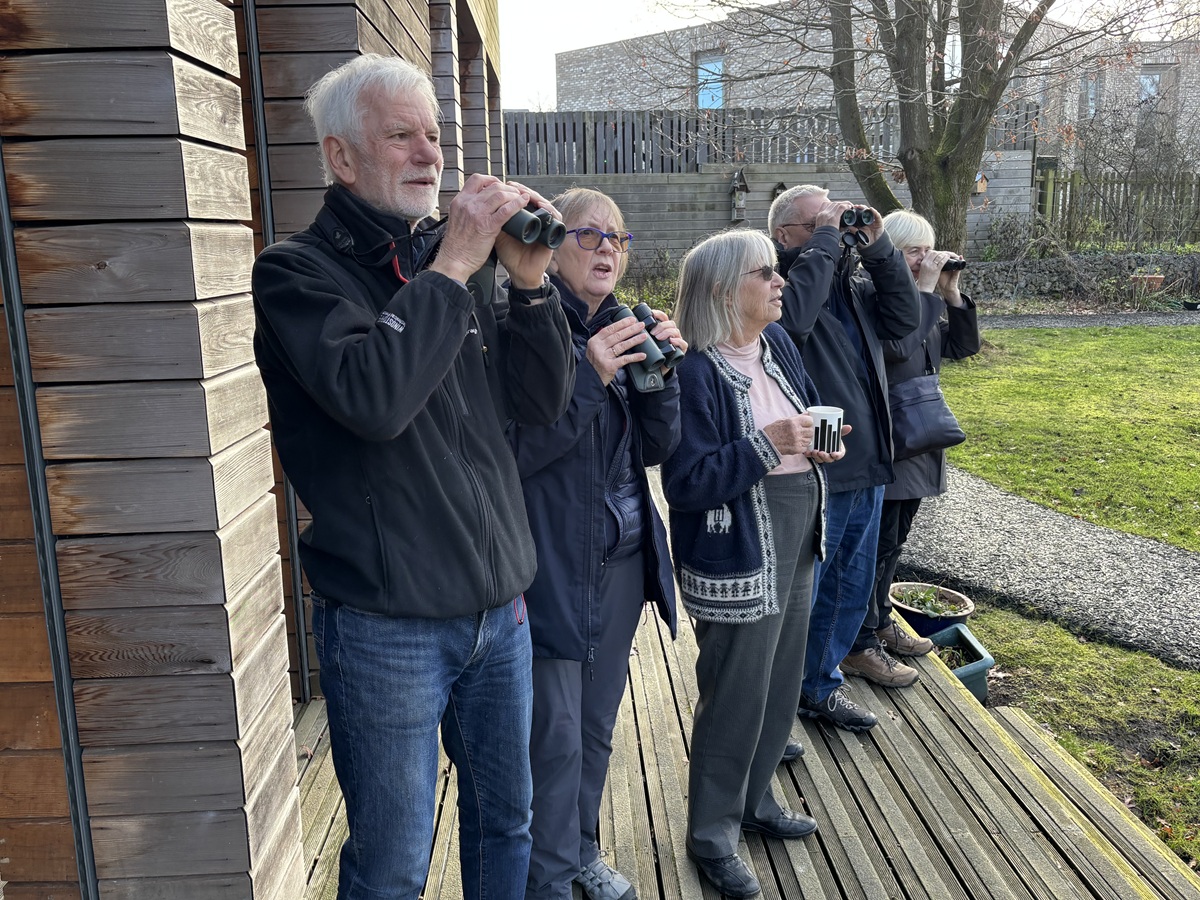
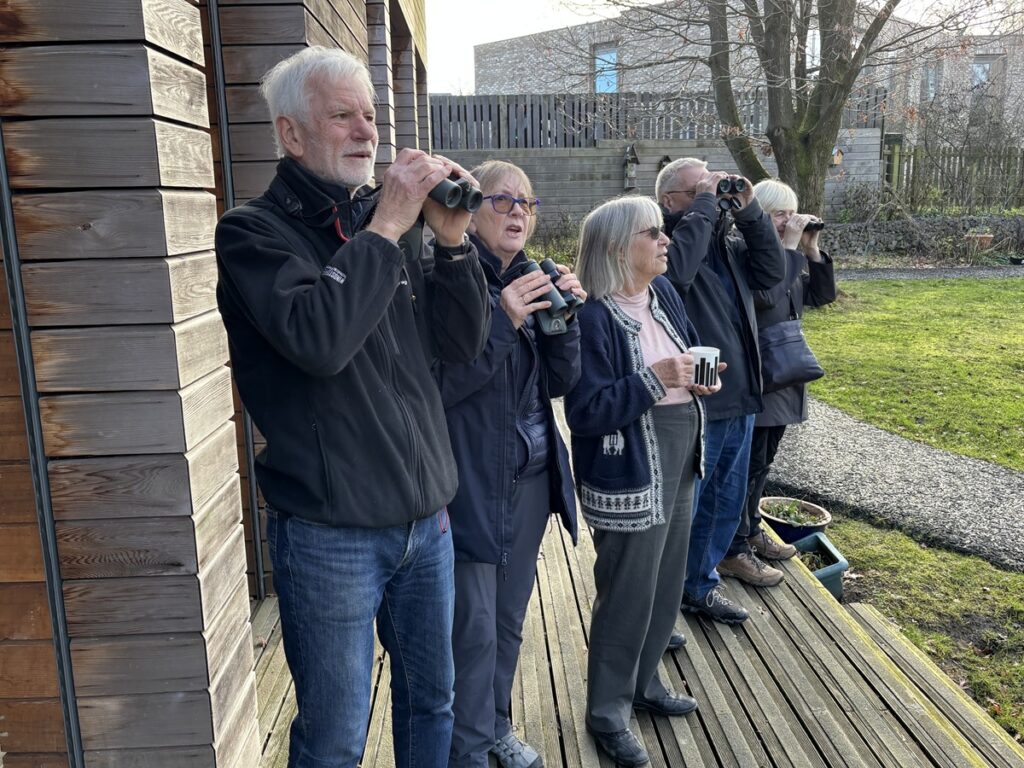
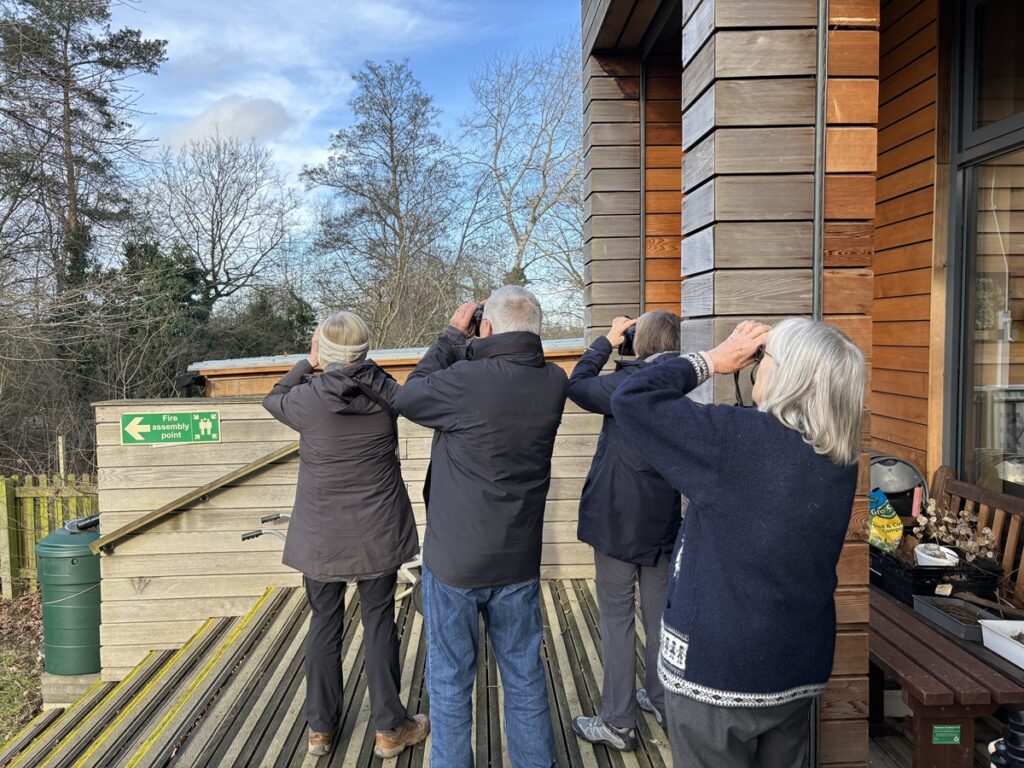
A great spotted woodpecker – and a sparrow hawk above – were just two of the species recorded during a Barnet Big Garden Bird Watch.

A sparrow hawk seen hovering and alighting in the trees disrupted the start of the Big Garden Bird Watch which was held at the Barnet Environment Centre in Byng Road.

Once it had flown off and they no longer felt threatened by a bird of prey, smaller birds returned to the centre’s bird table.

At the end of the hour allocated for the watch, a total of 13 different species had been recorded.

Ian Sharp – above, far left – group leader of the Royal Society for the Protection of Birds for Potters Bar and Barnet – said he was impressed by the centre’s nature reserve.

It was his first visit to the Byng Road centre to assist with a Big Garden Bird Watch, and he was delighted with the range of birds they had seen and identified.

To have seen a sparrow hawk – and the fear it created among smaller birds – was always a special moment and another treat had been to see a great spotted woodpecker.

Other birds seen during the watch included three great tits, four fieldfares, a redwing, a gold finch, and a blackbird, plus two of the inevitable parakeets.

Ian said that so far this winter he had not detected signs of the invasion of redwings, fieldfares and siskins from as far afield as Scandinavia which had been reported in some parts of the country due to hard winter weather in Europe.

RSPB Big Garden Bird Watch at Barnet Environment Centre records 13 different species including a great spotted woodpecker sparrow hawk

However, just after finishing the one hour allocated for the birdwatch, there was great excitement when a small flock of 11 fieldfares was seen flying into the nature reserve.

What Ian said he had found so encouraging was the environment centre’s success in attracting a younger generation of bird watchers and its extensive programme of visits by pupils from schools around Barnet.

Posted on

Smaller apples than usual but plenty of surplus produce on its way to foodbanks as volunteers tackle fruit-laden trees

A bumper crop of apples and plums is being collected for foodbanks across the London Borough of Barnet by volunteer fruit pickers from Barnet Community Harvesters who save and redistribute surplus produce.

Despite record summer temperatures and a prolonged drought, many trees have been fruiting far better than expected.

On their fifth visit of the season, volunteers picked 103 kilogrammes of cooking and eating apples from three adjoining gardens in Sebright Road, High Barnet.

Three crates with 45 kilogrammes of fruit were delivered to Chipping Barnet Foodbank and the rest went to Colindale Foodbank.

This is in addition to over 200 kilogrammes already donated Colindale and the Finchley Foodbank.

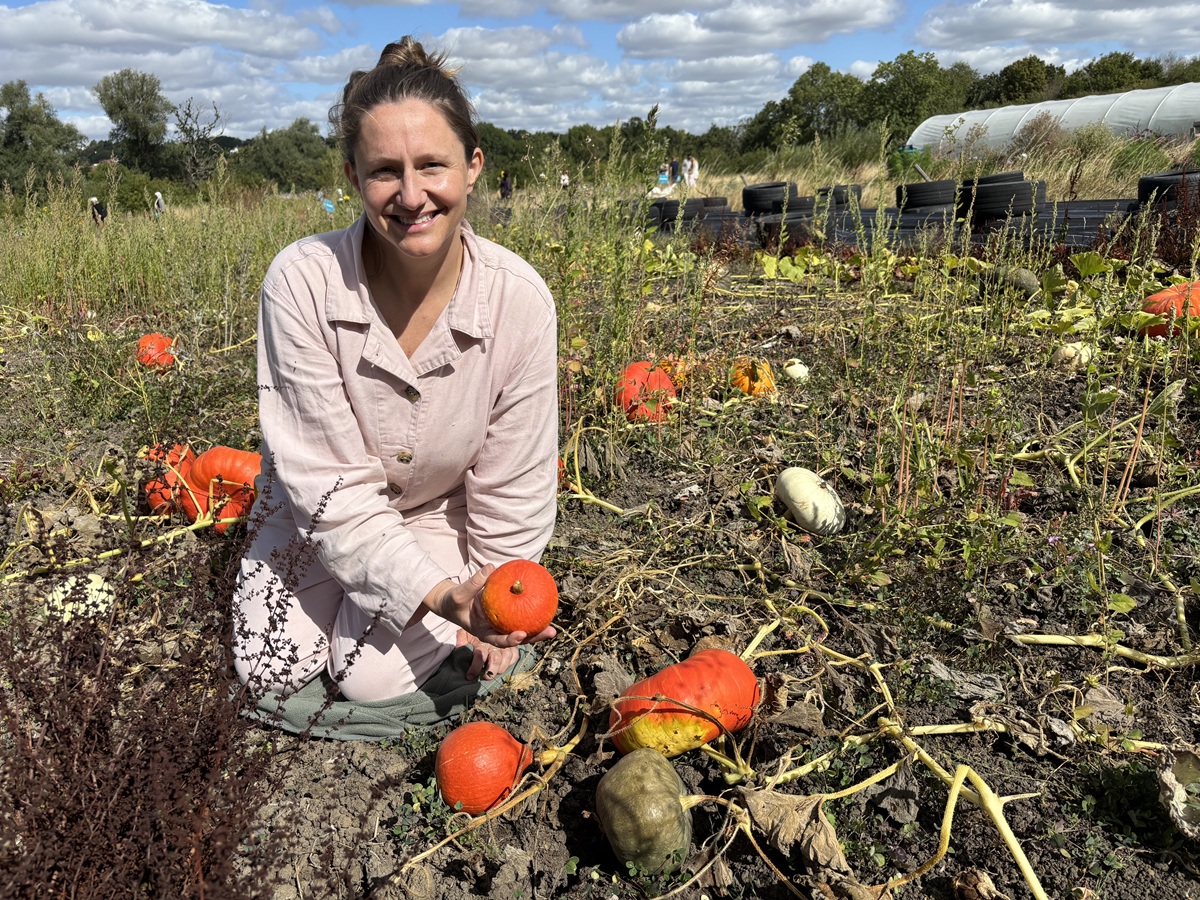
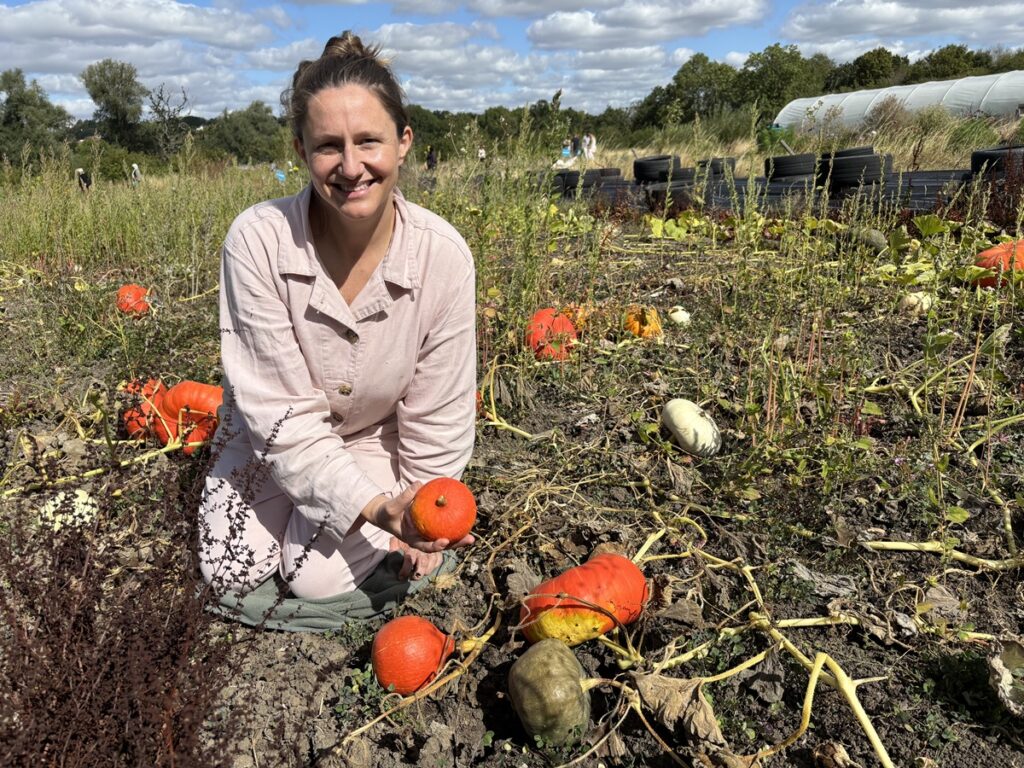
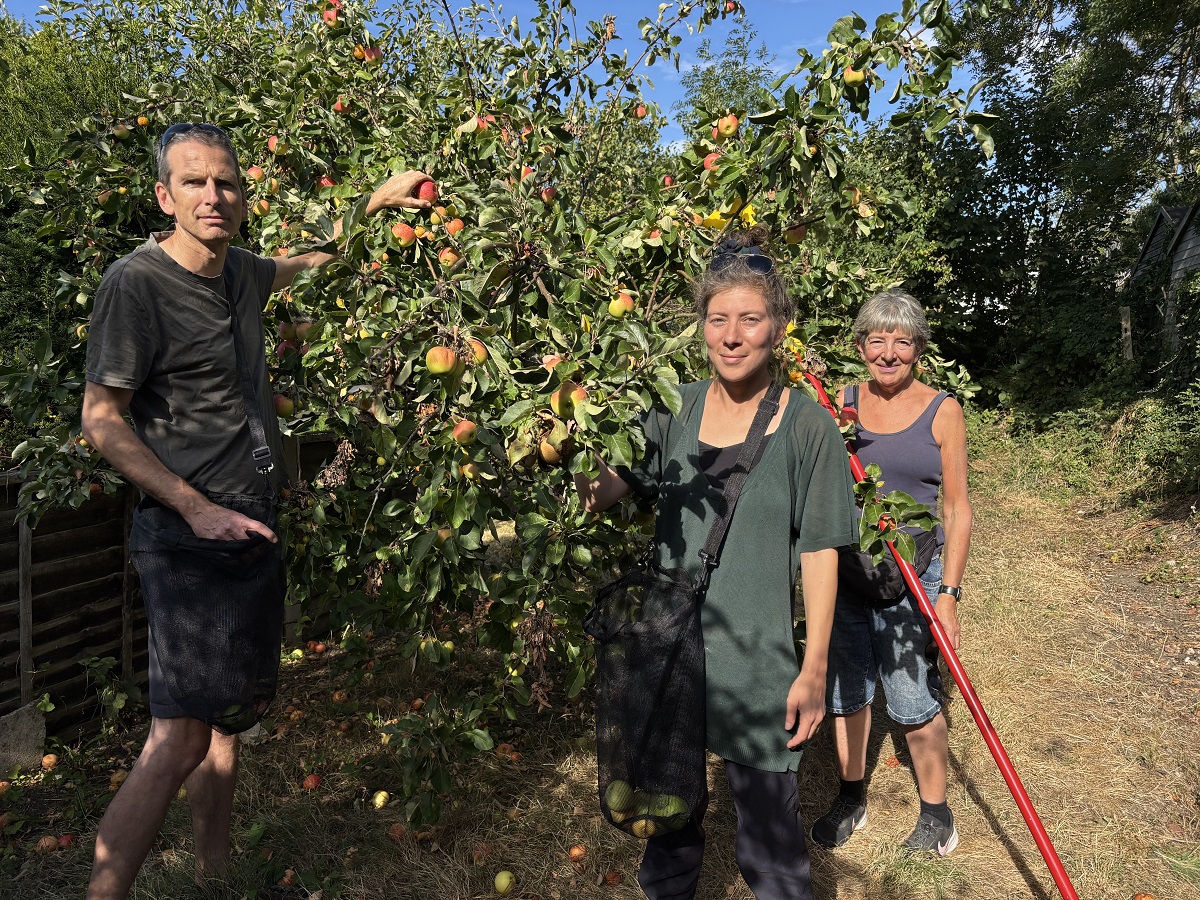
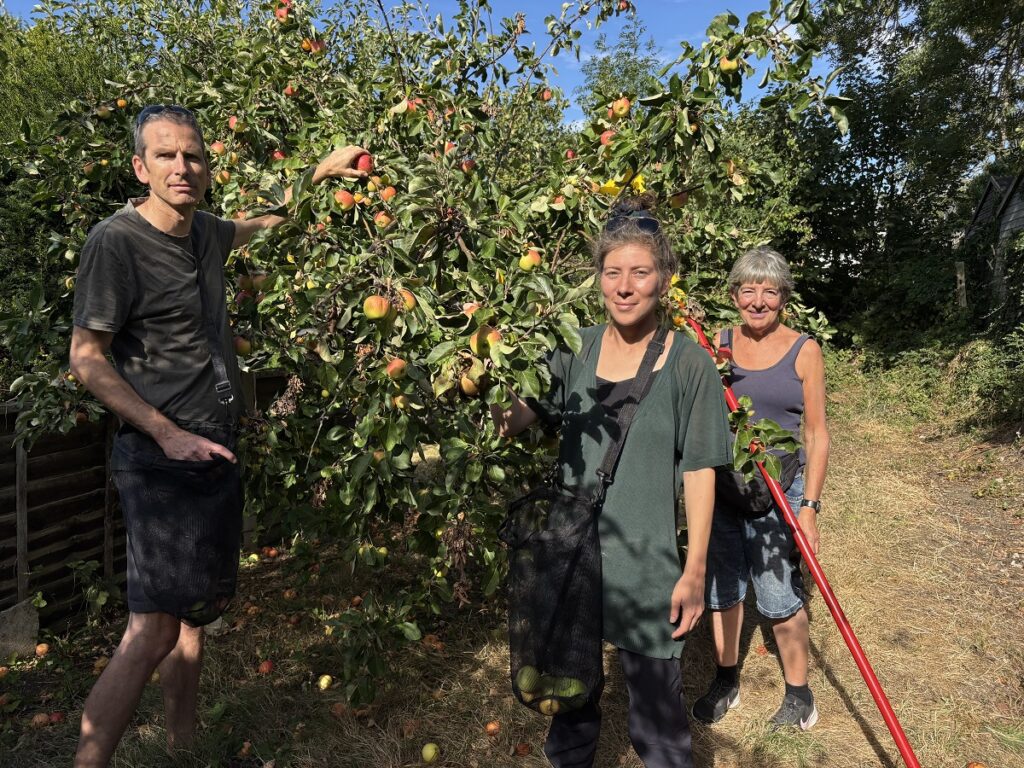
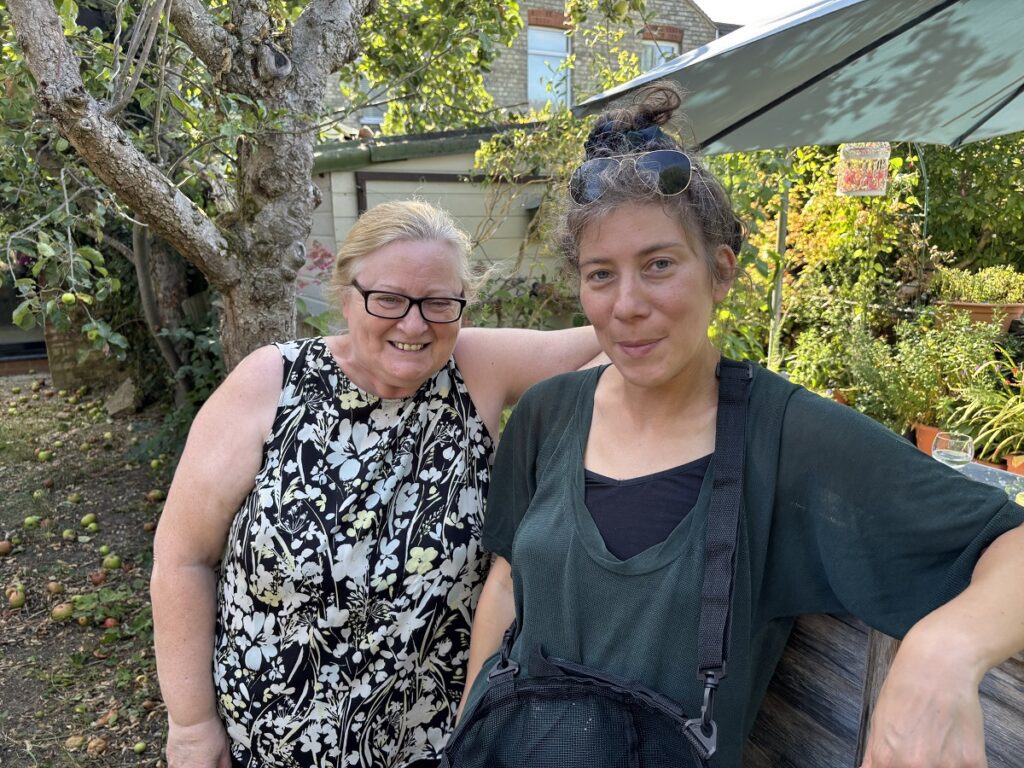
Organiser Daniella Levene (above, centre) who established the group five years ago – seen with volunteers Chris Schwarz (left) and Sue Goodwin – said the exceptionally hot and dry weather had advanced the fruit harvest by at least two weeks.

“Usually, we do our fruit pick at Sebright Road in early September, so to be here in the last week of August just shows the impact of climate change.

“We have noticed how fruit is ready for picking earlier and earlier each autumn but there has been a real change this year.

“When there is a drought, the trees do get stressed and can produce more fruit.”

Daniella said apples they were picking tended to be smaller but often sweeter than usual.

There was plenty of fruit on the trees and especially good crops of plums and damsons.

Surplus apples and plums on their way to Barnet's foodbanks as volunteer fruit pickers from Community Harvesters get to work

The visit to Sebright Road was hosted by Helen Harte (left, above) who was delighted that surplus apples from trees in three adjoining gardens would be going to foodbanks.

“There are far too many apples for us and otherwise they would have to go into our green bins which is such a waste.

“Unfortunately, there is a limit on the amount of fruit we can leave out on our doorsteps, so we are delighted the fruit is being picked in top condition and then going straight to foodbanks.”

Daniella said the fruit collected by Community Harvesters’ volunteers was always gratefully received at the foodbanks.

“Colindale is one of the busiest in London and fresh produce is so expensive in the shops, so our initiative is really appreciated.”

Although delighted by this autumn’s crop of fruit, Daniella doubted the group would match their record year of 2022 when the harvesters donated 1,800 kilogrammes of fruit to local foodbanks.

Posted on 1 Comment

Climate change might be responsible for earliest ever sightings of swifts swooping and squealing over High Barnet

Record hot weather in late April coincided with the earliest reported sightings of swifts who are considered by far High Barnet’s most popular avian visitors each summer.

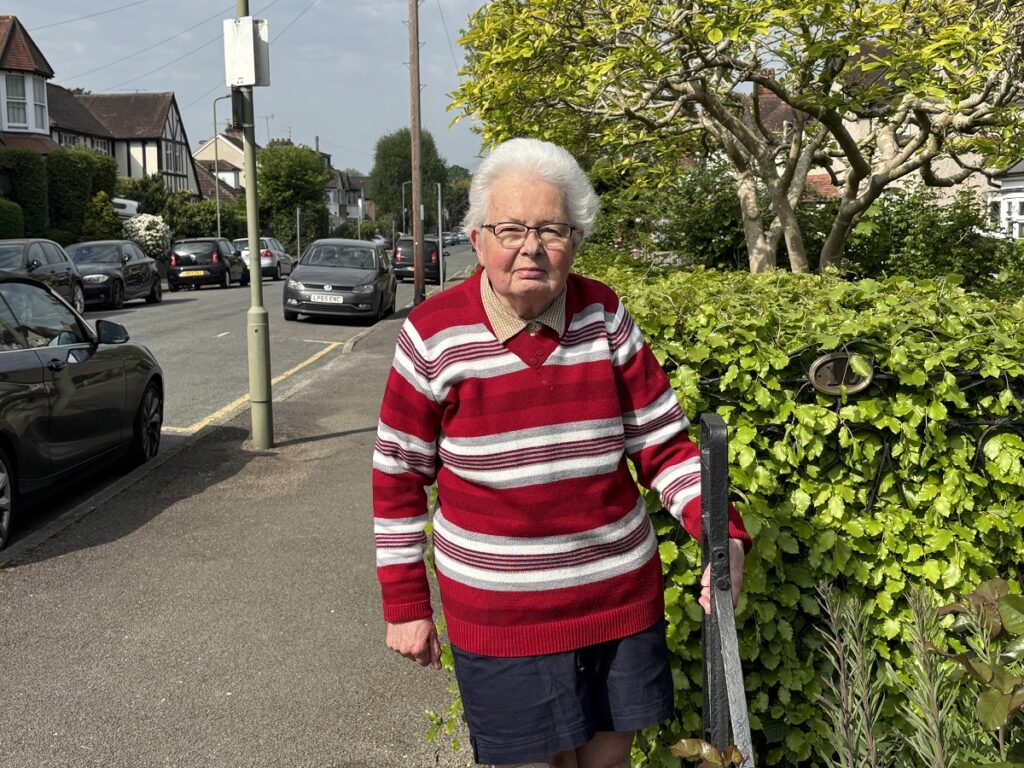
Veteran swift watcher Angela Morris saw four flying above Kings Road at 11.55am on Monday 28 April – her first April sighting in the forty years she has been recording their arrival in her diary.

“Usually, the swifts get here sometime in the first week of May. My latest ever sighting was May 14 and the earliest May 1, but it was a real surprise to have a late April sighting.”

Members of Barnet Swifts Group have also been reporting the swifts’ arrival.

Peter Lyons saw four circling above Manor Road late in the day on 28 April and other sightings were recorded over the following days – Robin Bishop saw several flying above Fitzjohn Avenue and Susan Skedd said she was awoken by their squealing above Leicester Road, New Barnet.

Even more encouraging for swift enthusiasts was the news that a pair have been seen visiting a nest box on a house in Granville Road which offers an array of nesting places including boxes and spaces under the eaves.

In view of the continuing interest in encouraging the provision of nesting boxes for swifts, David Martens, who founded the Barnet Swifts Group, says that north and east facing aspects are best to avoid the hot summer sun.

Playing recordings of swift calls, particularly early in the morning or an hour before sunset, can boost the chance of attracting swifts to a nesting box.

David, who is a now a member of the Welwyn Hatfield Swift Group, says swift news from around the locality can be seen by following the Facebook link to the Hertfordshire Swift Group.

Angela Morris said her interest in swifts dates to when her family moved to Kings Road in the 1950s and she started noting their arrival in her diary.

“I was so relieved to see them back again this year. I heard their screaming first and then saw them flying down Kings Road.

“Years ago, there were many more arriving each summer and they used to nest under the eaves of the Edwardian houses on the north side of Kings Road. Unfortunately, many of their nesting places have gone when people insulated their lofts and sealed off the eaves.

“Usually, I see them first at around 7.30pm in the evening, so to have a morning sighting on April 28 suggested to me they probably arrived the day before.

“The parent swifts tend to head off back to Africa at the end of July, but the new young birds take a time surveying the local scene, but they are off too by mid- August.”