Posted on

Green Belt reprieve from Mill Hill power plant proposals

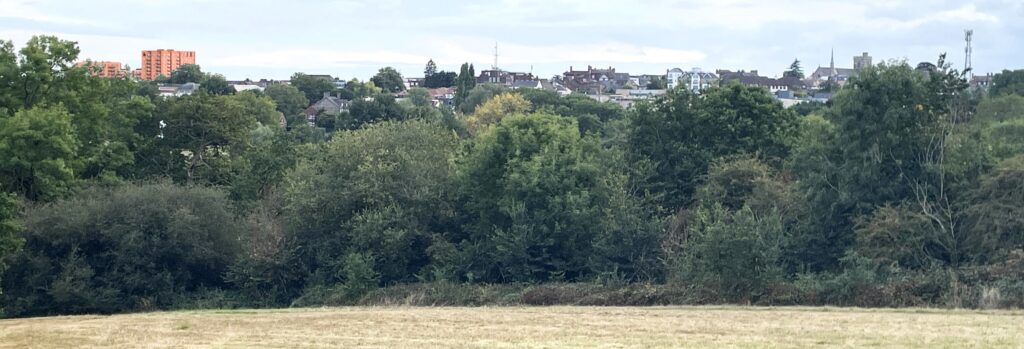
Barnet Council has refused planning permission for a 50-megawatt electric battery array in the green heart of the borough. An earlier application for a gas peaking plant nearby was withdrawn last year. Mill Hill’s Green Belt has been saved for the moment – but if the UK is serious about reaching zero-carbon, an alternative may still need be found somewhere in the vicinity.

Tucked away on pastures north of Partingdale Lane and mostly screened by woodland is one of Barnet’s visual surprises – a National Grid substation that looks as if it recently landed from an alien planet. In fact it’s been there for years, largely unnoticed except by walkers or horse-riders. Equally surprisingly, it sits on Barnet’s Green Belt and a site of Metropolitan Importance for Nature Conservation (SINC).

The site first came to the attention of many Barnet residents in 2019, when TNEI applied to build a gas peaking plant, increasing the footprint of the substation by some 25%, on the east side of the existing National Grid plant. TNEI’s justification was that it “would help to ensure that National Grid is able to ‘keep the lights on’ in the UK as the electricity system strives to maintain the balance between supply and demand while rapidly decarbonising.” Following over 400 objections, and perhaps a rethink about gas, the proposal was withdrawn a year ago.

Meanwhile Harbour Energy had submitted another application, to install a battery storage facility including 20 battery containers (each nearly 14m long and 3m high) and 10 inverter and transformer stations, plus security fencing and other associated works, on the west side of the plant. Harbour argued that the proposed development “would store power from the Grid at times of excess supply and would feed this power back into the grid at times of high demand/reduced generation capacity.” They claimed that no other suitable sites were available in or around Barnet.

This time there were 912 objections. They included one from Theresa Villiers MP on the grounds that, although outside her present constituency boundary, the battery array would adversely affect her constituents. She and others were very concerned about nitrogen oxide emissions, air and noise pollution, and their impact on natural habitat, wildlife and ecosystems. Most were also opposed to any encroachment onto the Green Belt or SINC.

That was also the Barnet Society’s chief concern. The site is part of a wonderful tract of fields and woods that survive between Totteridge and Mill Hill, much loved by the residents who live around it and walk or ride across it.

We didn’t dispute the growing demand for energy, but battery storage and power generation aren’t listed among the ‘very exceptional circumstances’ permitted by the National Planning Policy Framework. In our view, the development would only be justifiable as part of a coherent regional energy strategy that included detailed evaluation of alternative sites, endorsed by full public consultation and political support. None of these were evident. Approval would set a damaging precedent, opening the door to ad hoc proposals on other Green Belt sites.

We therefore welcomed the unanimous refusal of the application by Barnet’s Planning Committee B on 30 March, contrary to the Planning Officer’s advice to approve it.

The conflict between our environment and our demand for energy will go on. The government’s recently-published British Energy Security Strategy is too high-level to help in situations like this. It acknowledges planning issues, but doesn’t mention Green Belts once.

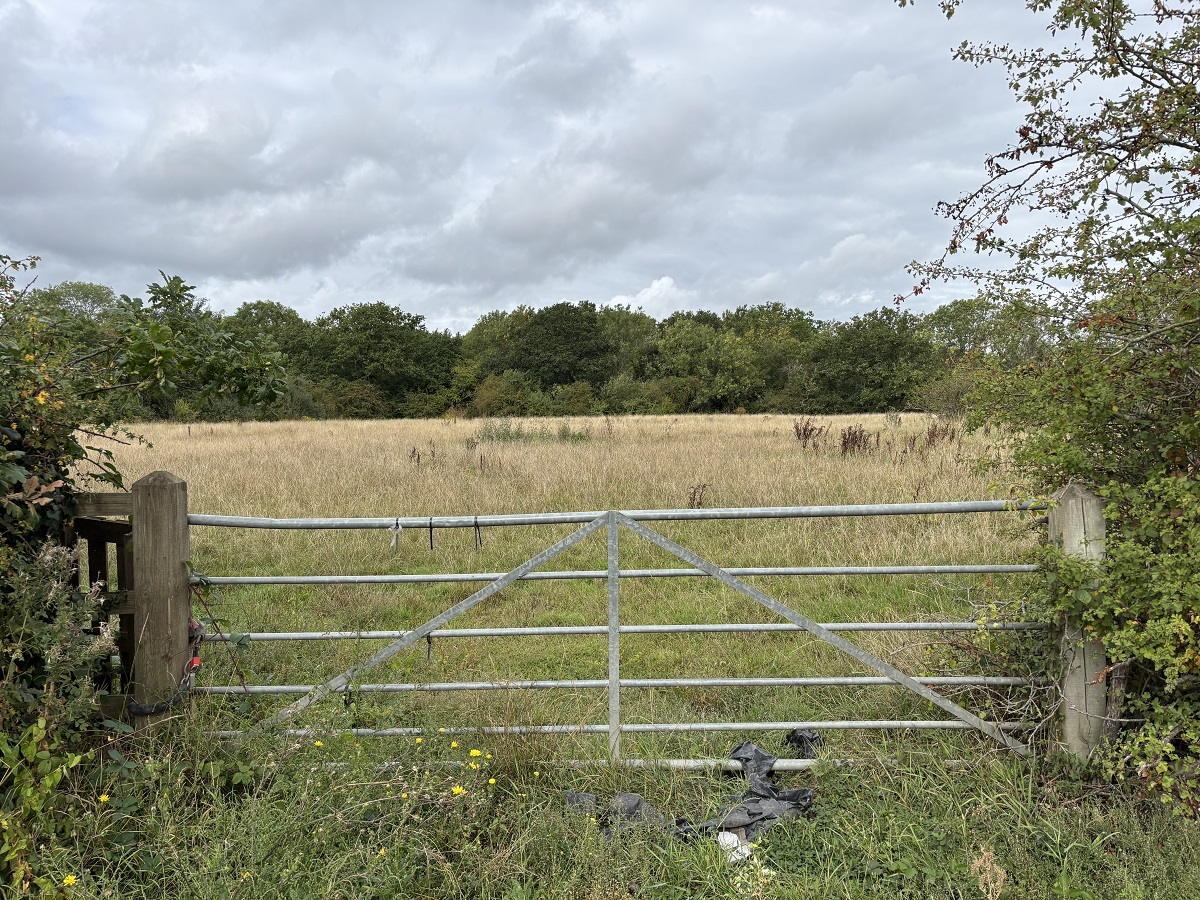
The threat to the Green Belt in Mill Hill has been beaten off, at least temporarily – but it’s under attack elsewhere. As I write, a proposal has been submitted for up to nine houses on farmland by Mays Lane, and a second application is in for Arkley Riding Stables off Barnet Road (this time for three, not four, houses). And a field by Hendon Wood Lane has yet to be cleared of builder’s mess after years of illicit use as a yard. The Society can’t drop its guard.

Posted on

New special needs school approved in Moxon Street office block

Last night Barnet Council’s Strategic Planning Committee unanimously approved conversion of the existing building into a 90-place school for pupils with Autistic Spectrum Disorder (ASD), despite concerns on the part of the Barnet Society. We wish it well, however – and hope it will trigger use of King George’s Fields for outdoor education, and perhaps a Forest School.

The Windmill School is sponsored by Barnet Special Education Trust (which already runs Oak Lodge School in East Finchley) and will be the first publicly funded school for Autism in the Barnet area. Public consultation on the proposal opened last October, with an exhibition in Tudor Hall. The scheme was described by Nick Jones here.

The origins of the proposal go back to 2017, when the Trust began searching for a suitable site for a second school. The offer of Department for Education funding to acquire a site, design and build a new school was never going to be turned down by the Council. Barnet is short of places for children on the Autistic spectrum and many sites were considered – though not, apparently, the Whalebones estate, which some would regard as an ideal site for a school, especially one wishing to develop an outdoor curriculum.

By 2021 the search was getting desperate. The Council rejected our suggestion of converting Grasvenor Avenue Infant School, which is due for closure. Its plan is to utilise the premises as an annex to Northway Special School. Due to the demand in Barnet for specialist places for ASD, both sites are apparently required to meet the demand.

No.50 Moxon Street was deemed the only remaining option. Over the last decade, numerous new schools and academies have been accommodated in redundant commercial and industrial buildings, often on confined urban sites. Where cleverly adapted, they can work well. But since most lack much in the way of outdoor space, they generally depend on timetabled access and imaginatively landscaped play terraces to compensate.

And while they can work for able-bodied and orderly pupils, this is often not the case for those with ASD. Their behaviours are often solitary and challenging, and so require more personal space than other children. Compounding the problem, Windmill School would have a very wide age range, from 5 (but sometimes cognitively younger) to 19. Each age and ability group would need its own appropriately designed and sized play facilities, which could not readily be shared. It’s also increasingly being realised that natural outdoor environments are particularly beneficial for those with ASD.

At Windmill, most outdoor needs will have to met in a rooftop playground that is only about 20% of the DfE’s minimum area recommendation for a school of this size and type. This causes us deep concern. The Trust’s Development Director, Ian Kingham, admitted to the Planning Committee that the playground was “woefully under area” but said that it was “the best option we have”.

Mr Kingham also asserted that the costs of transporting pupils to nearby outdoor green space “would not be a material factor”. But enabling children with ASD to access them safely requires commitments of time and staffing that most schools find hard to fund at the best of times. Sadly, because of the 2.5-metre solid wall around the rooftop playground, the nearby greenery will be almost invisible during normal play-time.

Those were the main reasons our Society Committee was concerned, but before deciding, we canvassed our members. For every member in favour, 14 opposed it. So we felt we had to object to the planning application, much though we like the principle of an ASD school.

It would be great if the Council’s decision galvanised the planners, Town Team and Chipping Barnet Community Plan to do something to improve connections from the town centre to King George’s Fields. Our existing woodland is potentially a marvellous Forest School only 50 metres from Moxon Street – but there’s currently no direct access between the two. Before long, proposals are expected for 49 Moxon Street, the property that blocks the way. It could be made a condition of planning approval that a public right of way is granted across the site to enable Windmill pupils – and the public – to benefit from the beauty and educational value of one of Barnet’s wonderful natural resources.

Posted on 1 Comment

Sunset View win at appeal vindicates Council and Barnet Society persistence

Eighteen months ago, the Barnet Society wrote that flouting of planning laws at 1 Sunset View and 70 High Street would be tests of Barnet Council’s will to enforce its planning decisions. Both owners appealed against Enforcement Orders, and both have lost. The decisions are significant victories over the degradation of Barnet’s Conservation Areas.


The saga of 70 High Street, which is within the Wood Street Conservation Area, was described in our web post last October. A Planning Inspector ordered the building, which exceeded its approved height by about 1.5m, to be demolished and the previous building to be reinstated.

A new planning application (no. 22/0835/FUL) has recently been submitted. Despite the inspector’s stipulation that the building be rebuilt as it was before, the new owners propose just to reduce the roof height but retain most of what has been built. The resulting facade is a poor effort which still clashes with its neighbours. We will be submitting comments shortly.

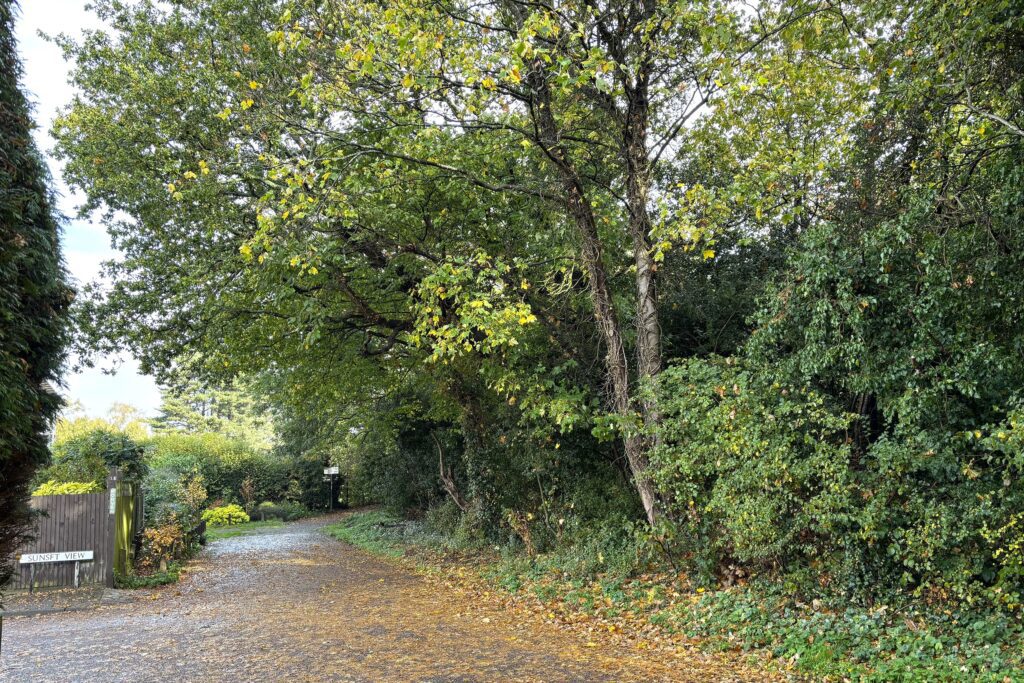
No.1 Sunset View was one of the best and most prominent houses in a road that is a North Barnet classic of garden suburb design, master-planned and largely designed by local architect William Charles Waymouth in the early 20th century. The houses are attractive variations on Arts and Crafts themes, and together comprise an unusually complete and high-quality development for its period. It’s an important part of the Monken Hadley Conservation Area.
The Society got involved almost five years ago, when a planning application was submitted to make drastic alterations and additions to the house. It was strongly opposed by local residents and the Society, and was withdrawn. We nominated the house for addition to the Council’s Local Heritage List, and in July 2019 it was formally Listed. The Council’s citation draws attention to the “considerable variety of well-crafted brickwork, door and window details…unified by consistency of materials” and mentions its attached garage, something of a novelty in the early days of mass motoring.

In 2018 another application was made, but refused. A third application was less damaging than the previous two but was still opposed, though this time it was approved.

In spring 2019 work started on site, but we became concerned when the original brown roof tiles were stripped off, smashed and replaced with red. When unauthorised rooflights appeared, the planners served a Breach of Condition Notice. You’d think that might have been a warning to the owner, but apparently not.

Over following months, the rear balcony was demolished and chimneys rebuilt, but not exactly as before. Original Crittall windows were replaced with clunky uPVC. New side windows appeared. The traditional front door was replaced with a modern one. The integral garage was rebuilt – taller than before, and with a new window behind fake garage doors. The freestanding garage in the same style as the house was demolished and replaced with a wider, more modern garage with an up-an-over metal door. The low brick front garden wall was replaced with high railings. The front garden was covered with concrete paving blocks. The attractive Arts & Crafts interior was gutted.

None of these changes were in materials or style faithful to the original, and none was made with planning consent – a requirement in Conservation Areas. Cumulatively, they seriously eroded the house’s original quality. The Council issued several Enforcement Notices, and in November 2020 the owner appealed against them.


Finally, after a 15-month wait, a Planning Inspector has upheld all but one of the Council’s Notices. The bricks used in the extensions can stay, but all the other features must be removed and replaced to match the originals. The owner has six months to do the work.

Sunset View resident Bill Foster commented,

“It is great news that the Planning Inspectorate has ruled in favour of Barnet Council’s Enforcement Notices and many of No 1’s architectural features that were removed will have to be restored. Hopefully this will also send a clear message to anyone else seeking to make inappropriate alterations to buildings in a conservation area that they won’t get away with it. We are very grateful to the Barnet Society for all the support given to us over the past five years.”

Both 70 High Street & 1 Sunset View have been important victories in the cause of protecting the Conservation Areas. They have demonstrated that the planning system can be brought to bear against demolition (or partial demolition) of heritage assets without consent and building something which flies in the face of what has been given consent. Both cases have been a huge waste of time (and money) because we shouldn’t have to defend what is so clearly expressed in the law and the planning system. We hope the outcomes will serve to increase awareness of this, and show developers that Barnet is not a pushover.

A better approach to building in a Conservation has recently been illustrated at the other end of Sunset View. Last year, the owner of another of the street’s charming houses wanted to replace its porch and make some other modifications, and consulted the Society on their design. We made some constructive suggestions – and lo! Some changes in keeping with both house and street.

Posted on 1 Comment

Rambles round Barnet – enjoy them while you can!

Chipping Barnet is a great base for some glorious countryside walks, and the best are described in Rambles Round Barnet – two volumes published by the Barnet Society. The good news is that Volume I has just been reprinted in a limited edition. The bad news is that some of the walks are threatened by development, so walk them while you can.

Rambles Round Barnet – In the footsteps of EH Lucas was published by the Barnet Society in 2012 and has been out of print. It was a handy A5 booklet containing four walks from a guidebook originally researched by EH Lucas, the Society’s Treasurer (1948-70), and issued by the Society in 1948.

In 2013 a further three walks from Lucas’s guide were published in Volume II, which is still in print and available from Waterstones in The Spires or directly from the Society.

One of the few benefits of Covid-19 has been revival of interest in the countryside, with a noticeable increase in walkers and cyclists on local paths in the last year. At the conclusion of the Society’s 75th anniversary year, it seemed appropriate to reprint Volume 1.

The reprint is a facsimile, in a limited edition of 150, of the 2012 booklet. No attempt has been made to alter the charming text and illustrations of the 2012 edition, which was largely the work of Owen Jones and David Ely, but eight pages of updates and additional information have been inserted as a postscript. Both Rambles I & II are on sale from Waterstones in The Spires and Barnet Museum, or direct from the Society at £6 per volume (or £10 for both) plus postage and packing. Contact details are given below.

No-one would claim that Barnet and Hertfordshire can compete with more dramatic landscapes elsewhere in Britain. But their quiet qualities often get overlooked, and Covid-19 has reminded many of us how valuable they are. Rambles may not be up there with Guide to the Lakeland Fells, Alfred Wainwright’s famous walking guidebooks to the Lake District. But they are full of shrewd observations and good advice. Lucas, Jones and Ely are Barnet’s Wainwright, and deserve to be celebrated.

The four walks described in Rambles Round Barnet – In the footsteps of EH Lucas are:

Walk 1 – The green heart of Barnet  This takes you through countryside that was threatened, in 1945, by Barnet Council’s plans to triple the population of Chipping Barnet to 60,000. The Barnet Society was founded to fight them, and did so successfully.

Walk 2 – Mimmsy meadows and bluebell woods  Between South Mimms and North Mymms (sic) is a beautiful circuit of sequestered woods, open meadows and long views – amazingly, never more than about half a mile from the M25 or A1.

Walk 3 – Ancient fields and a magic grove only half a mile from built-up Barnet  This walk includes two delightful tracts of countryside, one each side of the A1, and an enchanted grove, half a mile long, of venerable trees bordering Dyrham Park.

Walk 4 – Traditional farmland meets modern motorway  Not a walk for those seeking respite from the 21st century, though it has sweet rustic moments. But if you wonder whether English countryside can coexist with modern technology, this is the place to find out.

The walks have all been checked this spring. As well as containing additional information, the insert picks out highlights, lists any changes since 2012, and gives tips on routes and good times to go.

All the walks take you through countryside designated as Green Belt after the 2nd World War, partly due to the campaigning of the Society. With a few exceptions, development is permitted only in very special circumstances. But that hasn’t stopped many applications being submitted. That the landscape has survived largely unspoiled for 75 years is testimony to ongoing work by us and other voluntary groups in Barnet and Hertfordshire, as well as the stewardship of both councils.

However, this reprint is tinged with concern that some of the walks will be lost within a few years. Although the UK government and Barnet Council claim to be committed to retaining the Green Belt, and the walks themselves are mostly safeguarded Rights of Way, major developments are currently being planned on or near land over which they pass.

Most of the open land north of the M25 and both sides of the A1 has been identified in Hertsmere Council’s draft Local Plan for potential housing and employment development, as well as pockets south of the M25. Huge Sky and Hertswood film studio complexes are proposed for fields south of Rowley Lane. New Rabley and Redwell ‘Garden Villages’ are proposed near South Mimms. These will all leave a massive mark on what is at present open greenery.
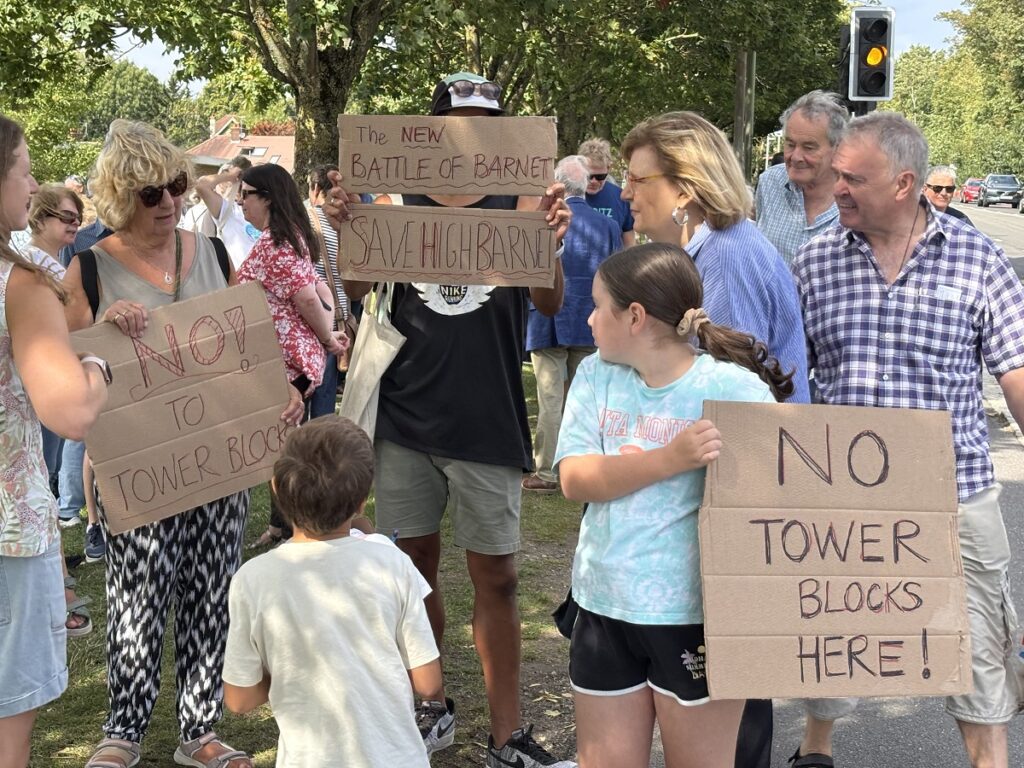
Nor is Barnet Council exempt. Although it plans to create a major new Regional Park between Arkley, Mill Hill and the A1, it also proposes to build an £11m community and leisure hub in the middle of Barnet Playing Fields – which the Council itself has designated Green Belt.

This web post is therefore not simply an invitation to buy Rambles Round Barnet – Volume I while stocks last. It also urges you to get out and savour our wonderful countryside while it is still there to enjoy.
Posted on

Is there an assured future for High Barnet’s historic cattle trough and marble drinking fountain

Barnet Council’s highways department is preparing a new set of policies for the future safeguarding and maintenance of historic structures such as horse troughs and street signs.
Continue reading Is there an assured future for High Barnet’s historic cattle trough and marble drinking fountain

Posted on

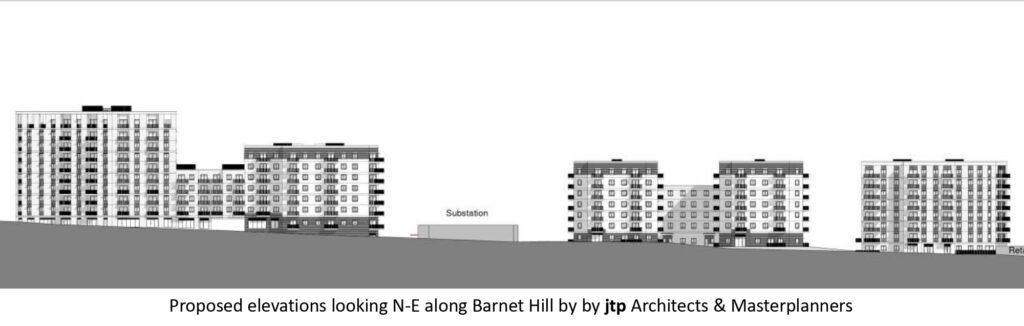
Tower block heights reduced after complaints about New Barnet’s “high-rise monstrosity”

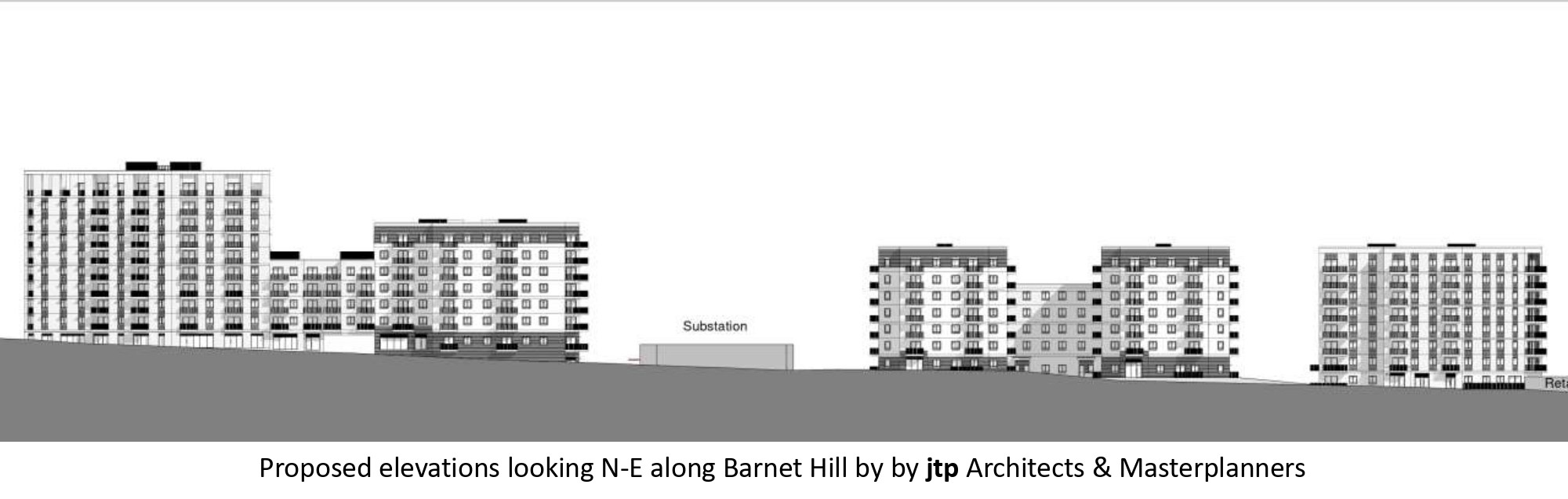
Developers seeking to build 554 homes on the former gas works site in New Barnet have released new images to show how the height and density of the proposed tower blocks has been reduced in a fresh attempt to gain planning approval.

Continue reading Tower block heights reduced after complaints about New Barnet’s “high-rise monstrosity”

Posted on

Fly tippers beware: Monken Hadley Common curators intend to fight back

Fly tipping of garden rubbish and even builders’ rubble has become a worrying problem along the edges of Monken Hadley Common – and the worst offenders are a few of the owners of the priciest properties in roads such as Parkgate Crescent, off Camlet Way, and Fairgreen, off the Cockfosters Road.

Continue reading Fly tippers beware: Monken Hadley Common curators intend to fight back

Posted on

A never ending challenge: guarding the historic heart and landmarks of Chipping Barnet

Protecting the historic townscape around Barnet parish church, Hadley Green and Monken Hadley requires the constant monitoring of planning applications – a task that is becoming no easier thanks to cuts made by Barnet Council.

Continue reading A never ending challenge: guarding the historic heart and landmarks of Chipping Barnet

Posted on

Locally listed landmark at risk

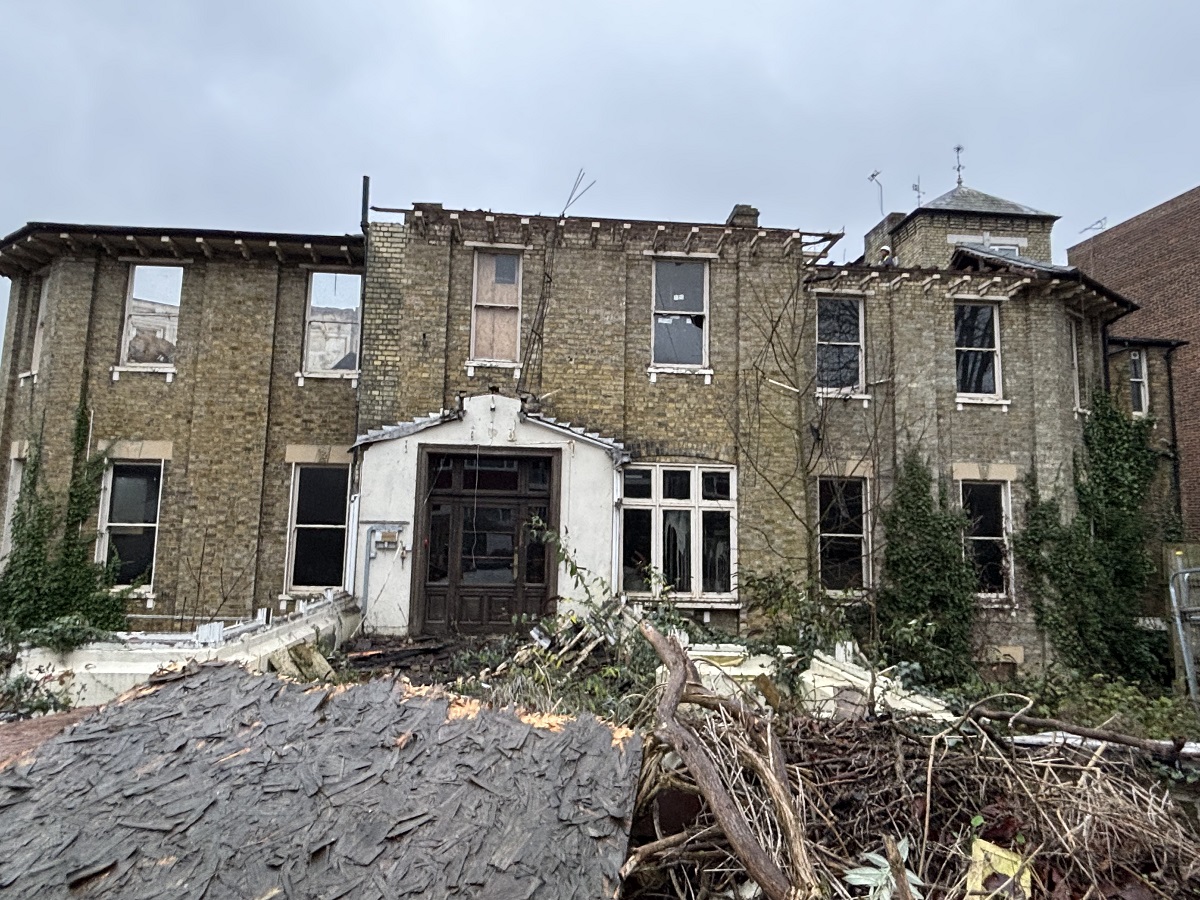
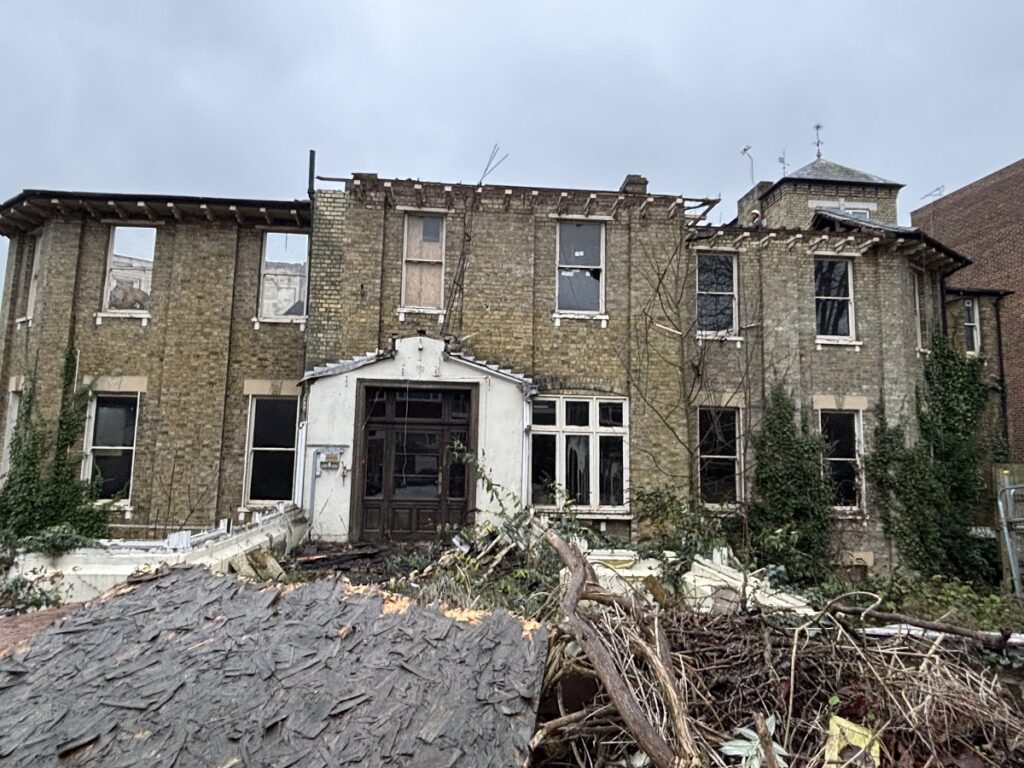
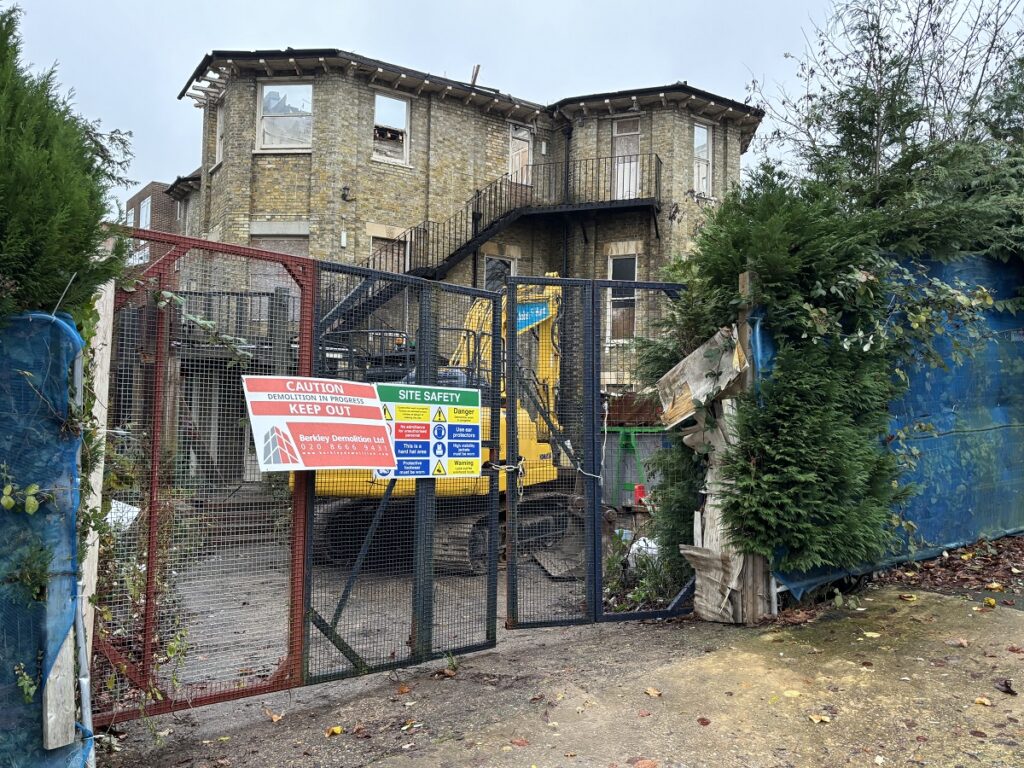
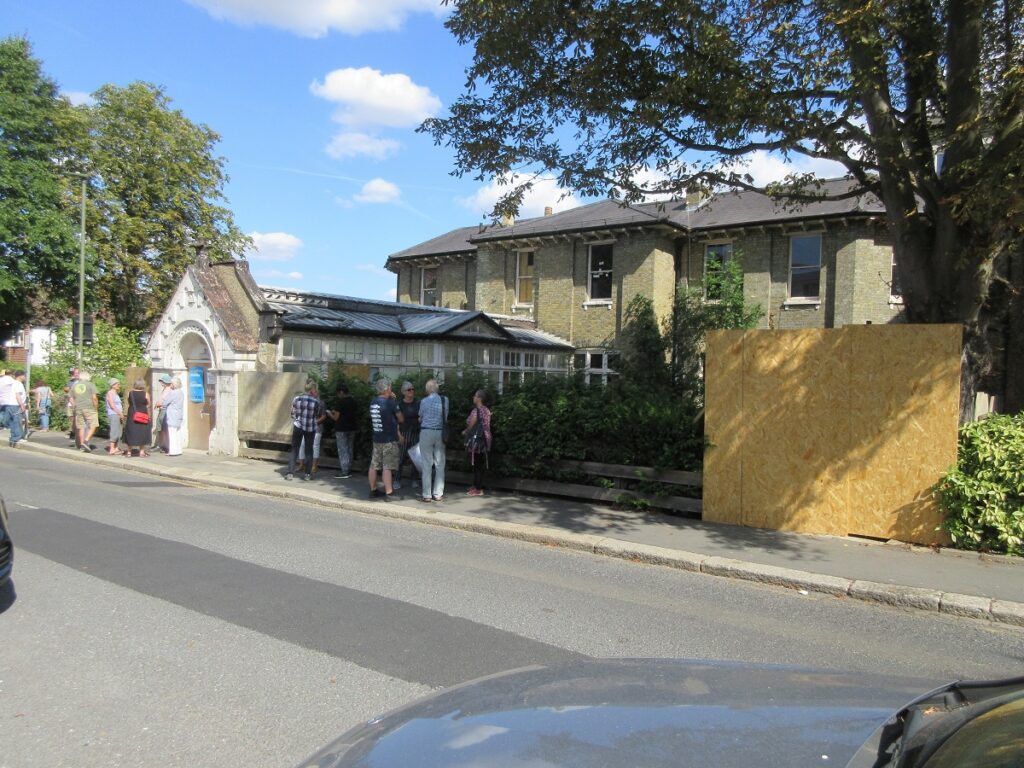
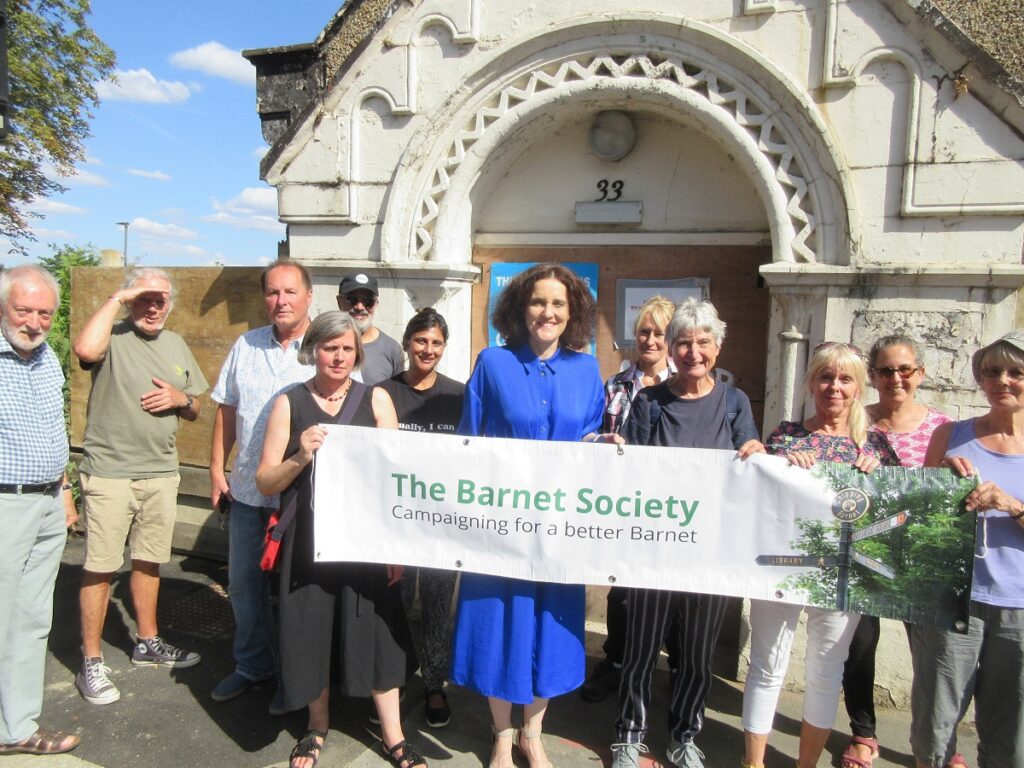
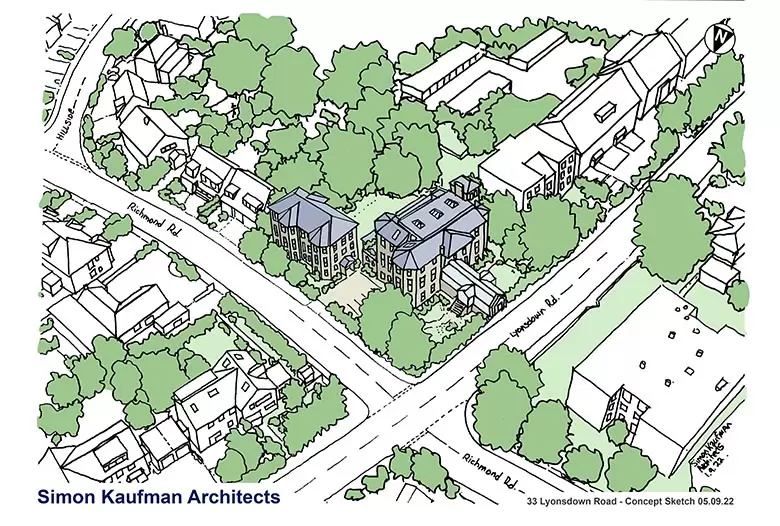
The future of 33 Lyonsdown Road New Barnet hangs in the balance as the last the property guardians have left the villa. This locally listed building has been threatened with demolition by its owners, Abbeytown Ltd, who unsuccessfully applied to build a five-storey block of flats on the site.

Continue reading Locally listed landmark at risk

Posted on 1 Comment

Power wash brightens up Church Passage after bench restoration

Community action to clean and oil the extra long bench in Church Passage has spurred Barnet Council to act: its street scene department has carried out a power wash of a section of the paving to remove grease and grime left by accumulated food stains.

Continue reading Power wash brightens up Church Passage after bench restoration

Posted on 1 Comment

Community action delivers — volunteers scrub clean the longest bench in Barnet

A band of volunteers spent the afternoon scrubbing down High Barnet’s most popular street art fixture — the long teak bench that extends for much of the length of Church Passage and provides a welcome resting place for one and all.

Continue reading Community action delivers — volunteers scrub clean the longest bench in Barnet

Posted on

Can you believe it? Aberdeen Council now owns historic Barnet marketplace

Land Registry documents hold the answer to at least some of the mystery surrounding the ownership and future of High Barnet’s vacant market site: the land is now owned by Aberdeen City Council which purchased the site for £4 million in April 2019.

Continue reading Can you believe it? Aberdeen Council now owns historic Barnet marketplace

Posted on

Semi-finals for Victoria Quarter as gas works site developers try again for approval

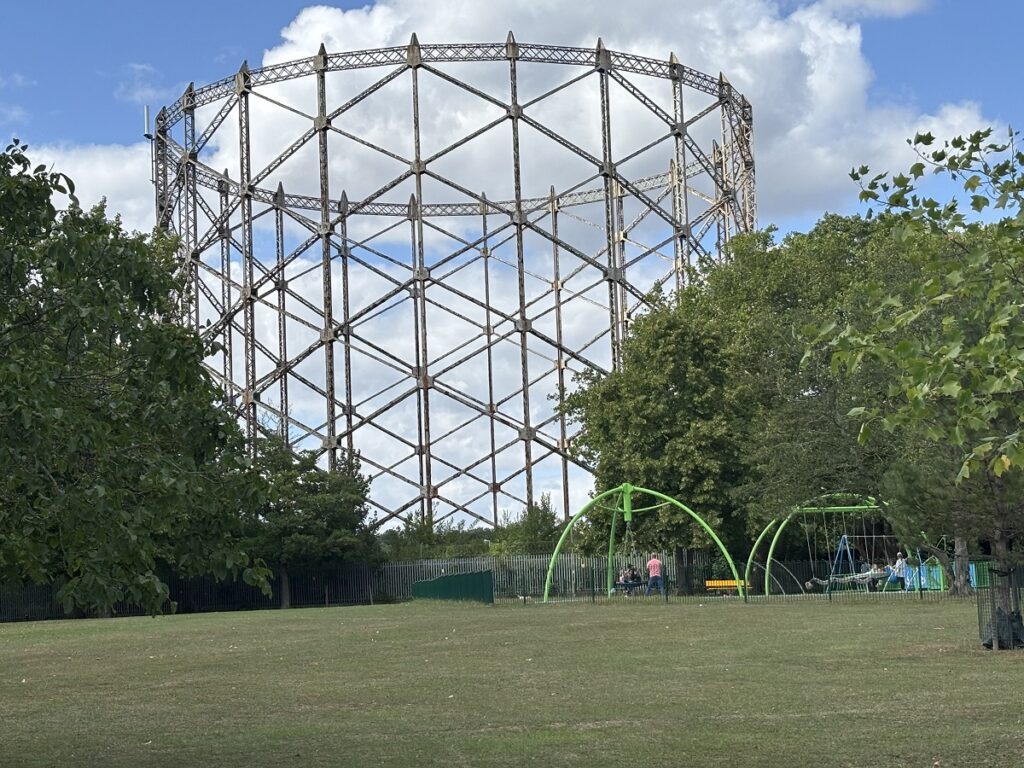
After being roundly refused planning permission last year and failing to get the support of the Mayor of London, developers are again inviting residents to offer ideas and opinions on fresh proposals for a massive housing scheme on the New Barnet gas works site.

Continue reading Semi-finals for Victoria Quarter as gas works site developers try again for approval

Posted on 8 Comments

Anger over possible installation of solar panels in Barnet parks and open spaces

Barnet Council’s environment committee is examining the feasibility of using small parks and green spaces across the Borough of Barnet as possible sites for installing solar panels or electricity storage units for renewable energy.

News of the plan – which could result in reduced public access — has met with an angry response from residents and conservationists.

Continue reading Anger over possible installation of solar panels in Barnet parks and open spaces

Posted on

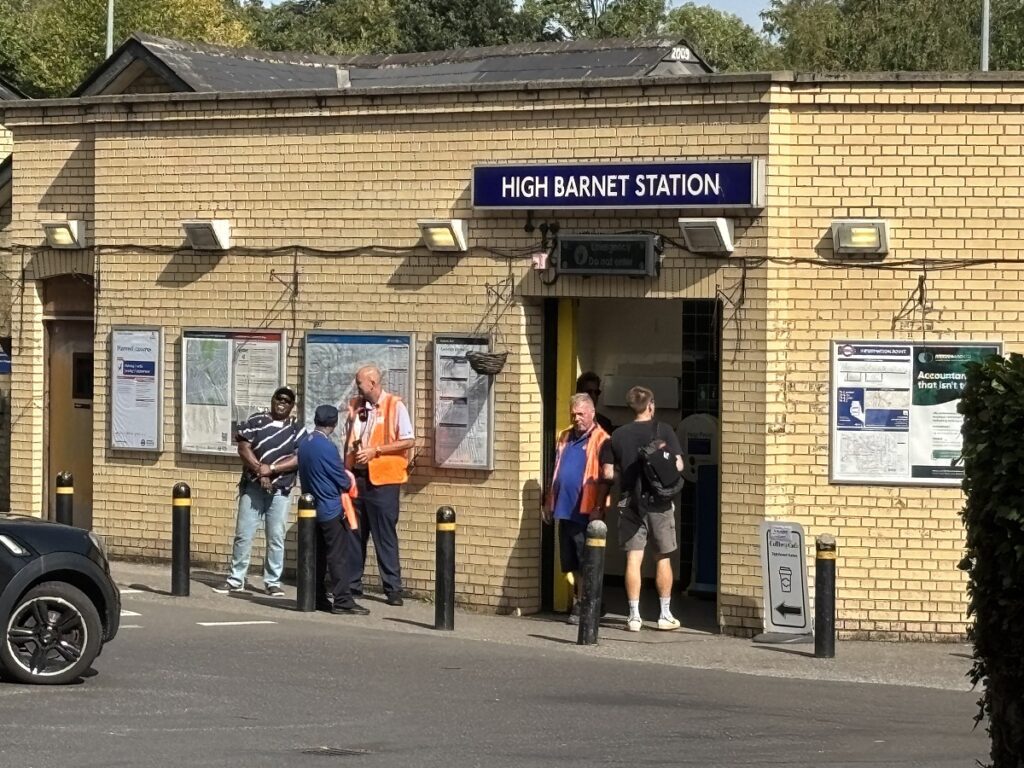
High Barnet Station – our response to the revised proposals

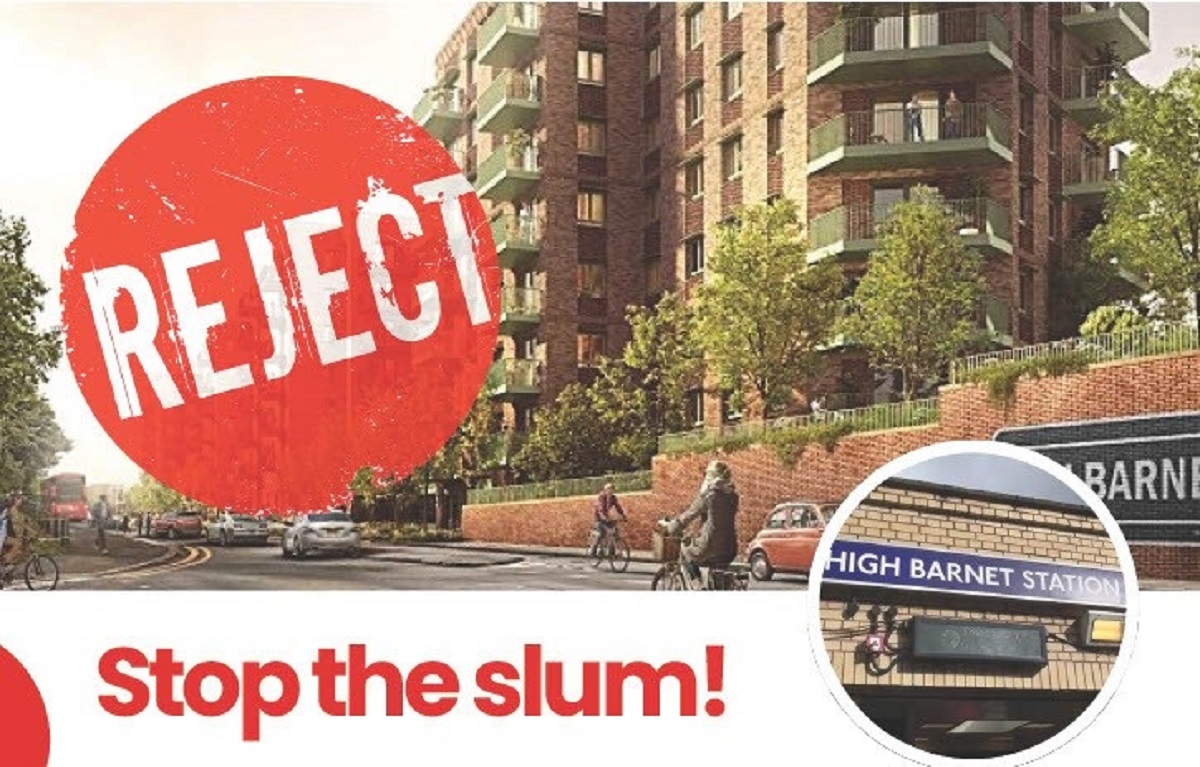
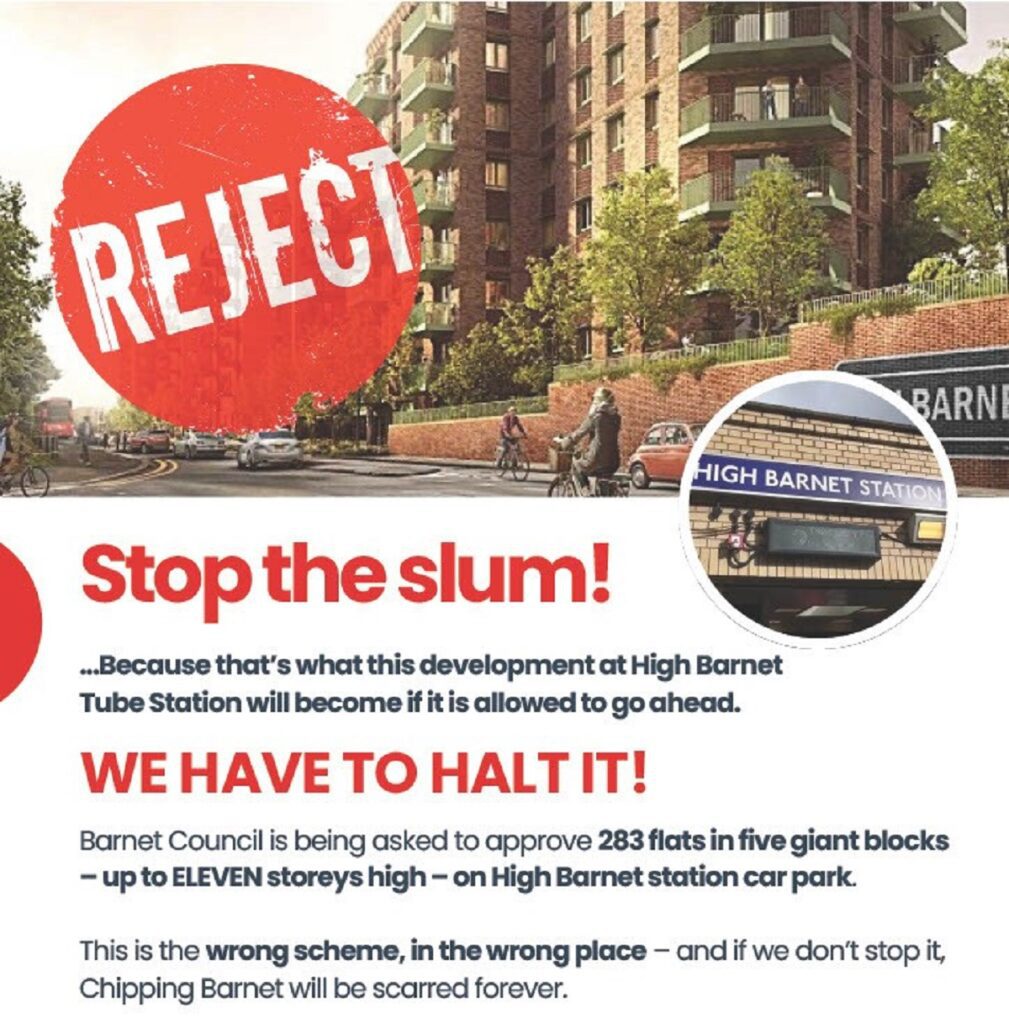
Plans for the station land have been scaled back, as Nick Jones reported on 7 November. But unless more radical improvements are made, the Barnet Society will oppose them.

Continue reading High Barnet Station – our response to the revised proposals

Posted on 14 Comments

Scaled back plans for Barnet station development

Mature trees are to be kept and the multi-storey blocks of flats to be built around High Barnet tube station have been reduced in height, but there is still to be a drastic reduction in the number of car parking spaces.

Continue reading Scaled back plans for Barnet station development

Posted on 9 Comments

Two blocks of flats abandoned and instead trees to be preserved

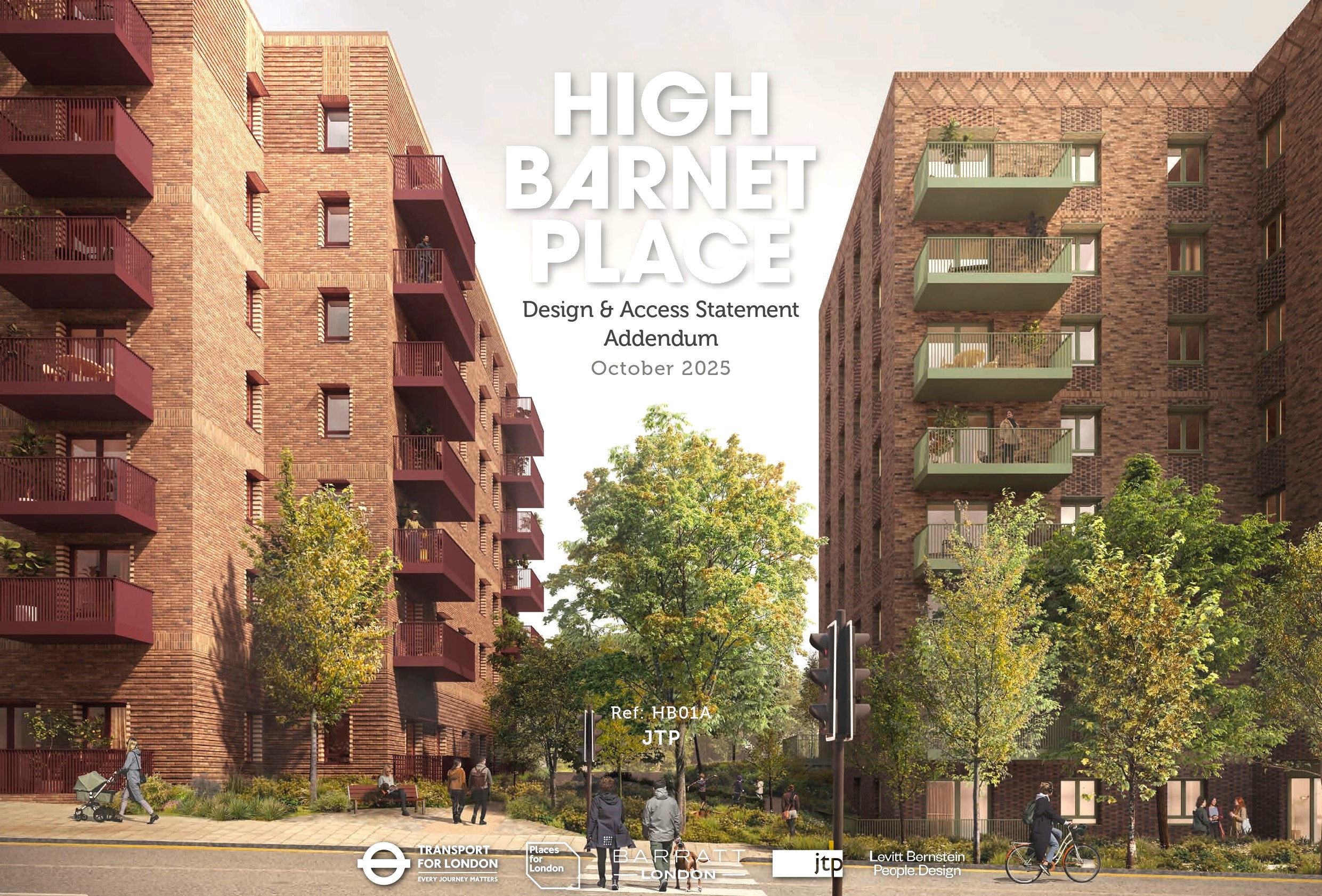
Transport for London and developers Taylor Wimpey have reduced significantly their original plans to redevelop land in and around High Barnet station with five-storey blocks of flats.

Continue reading Two blocks of flats abandoned and instead trees to be preserved

Posted on 3 Comments

Residents’ anger over loss of pedestrian walkway

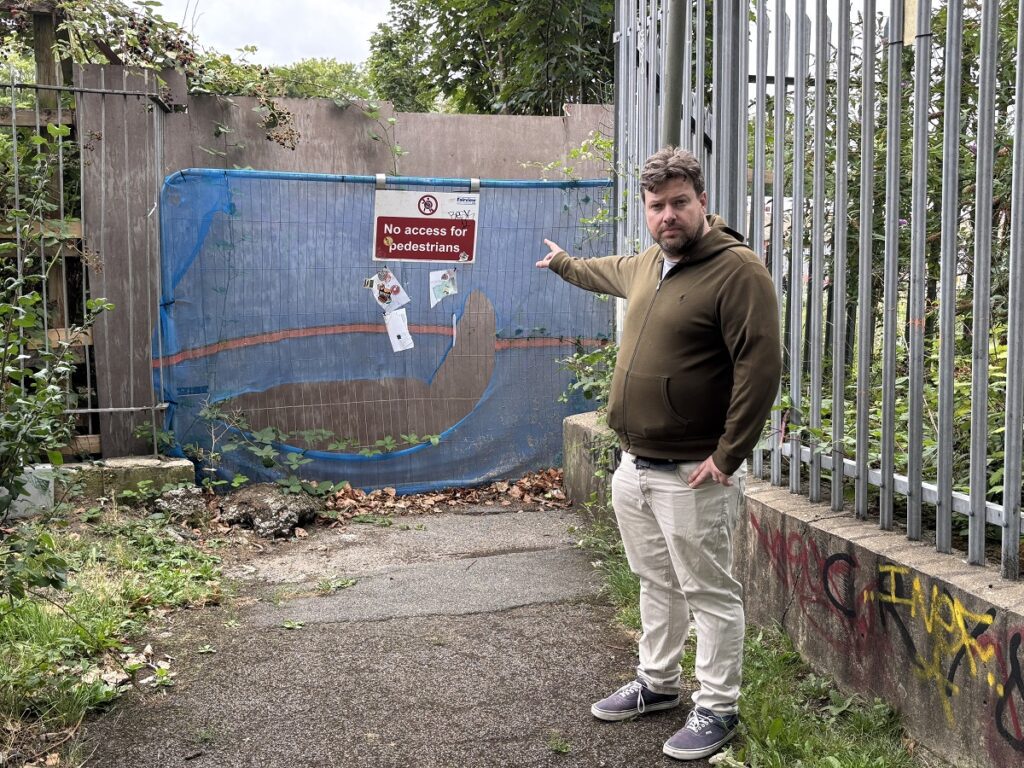
The wall built over a pedestrian walkway to the Byng Road environment centre, playing fields and allotments

Barnet Council is investigating complaints by local residents that the newly opened Noah’s Ark Children’s Hospice has extended its car park to include a pedestrian grass verge along the road leading to the Byng Road environment centre, playing fields and allotments.

Continue reading Residents’ anger over loss of pedestrian walkway