Posted on 2 Comments

Pressure to offer and retain workrooms and offices close to Barnet town centre, but developers claim there is no demand for employment space

Barnet Council is facing another challenge to its policy of encouraging developers to keep or offer space for workrooms and offices in new housing developments close to High Barnet town centre.

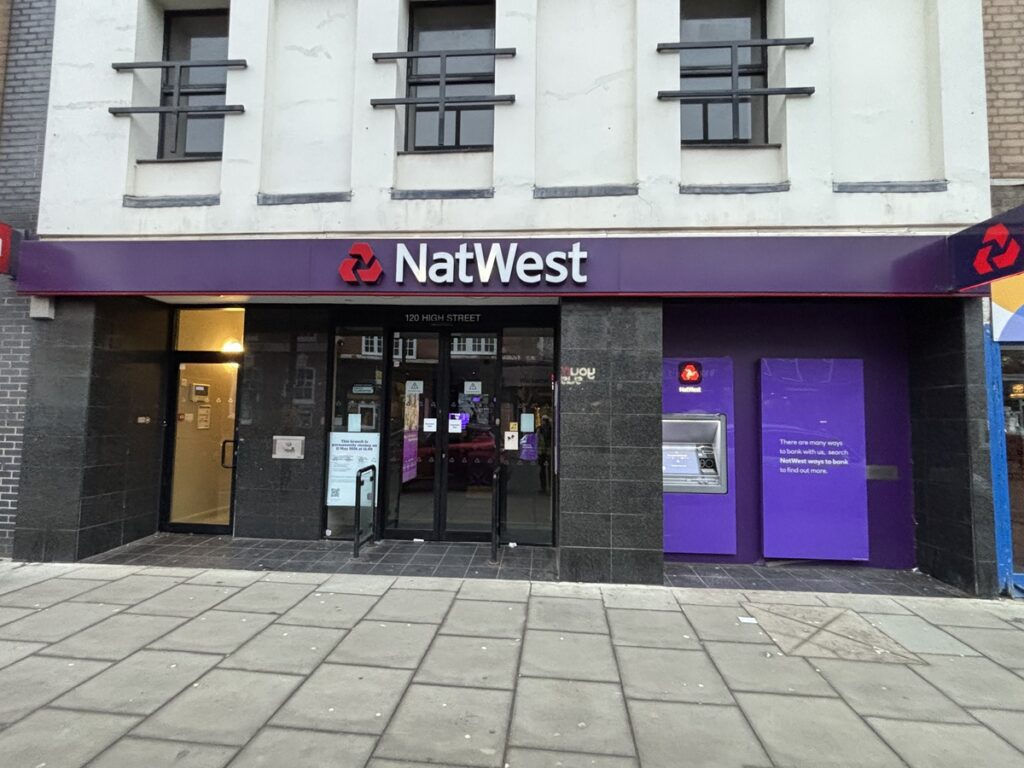
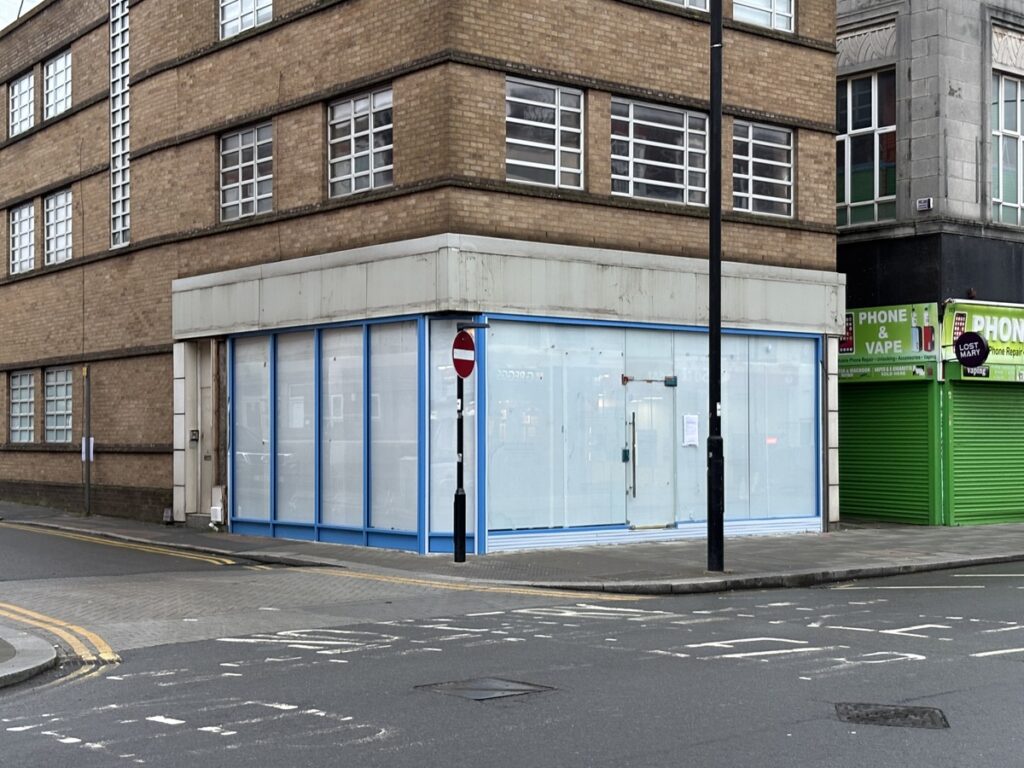
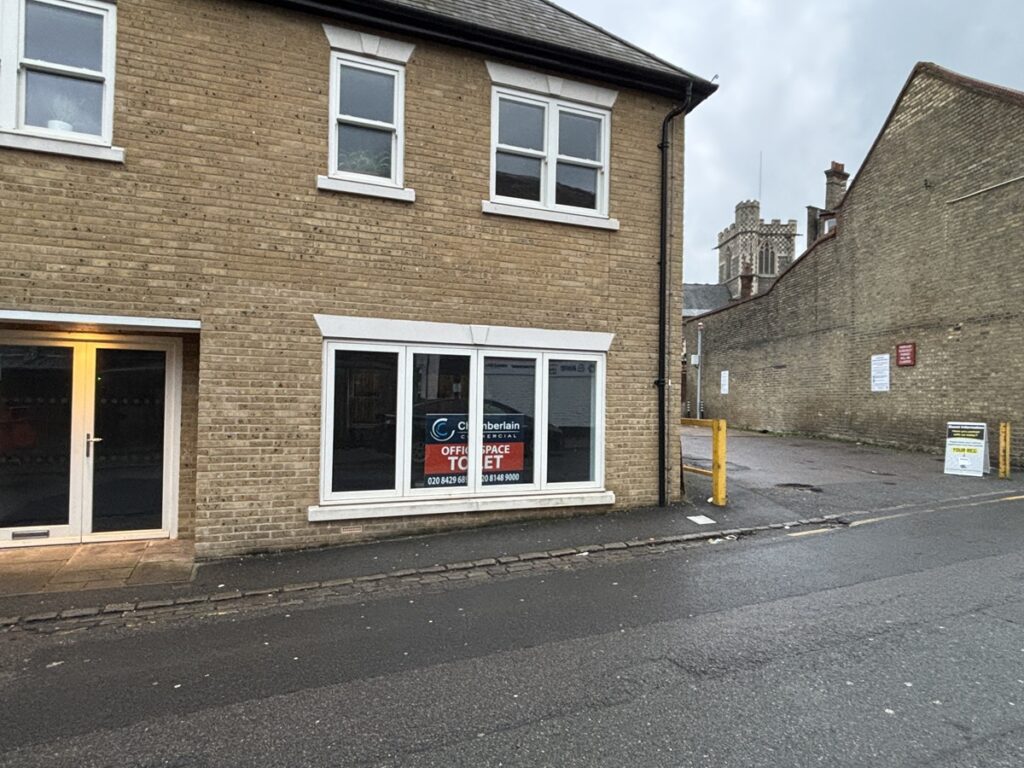
So far, the council’s attempt to ensure that affordable space for employment is available is failing to attract tenants as indicated by the number of “To Let” signs.   

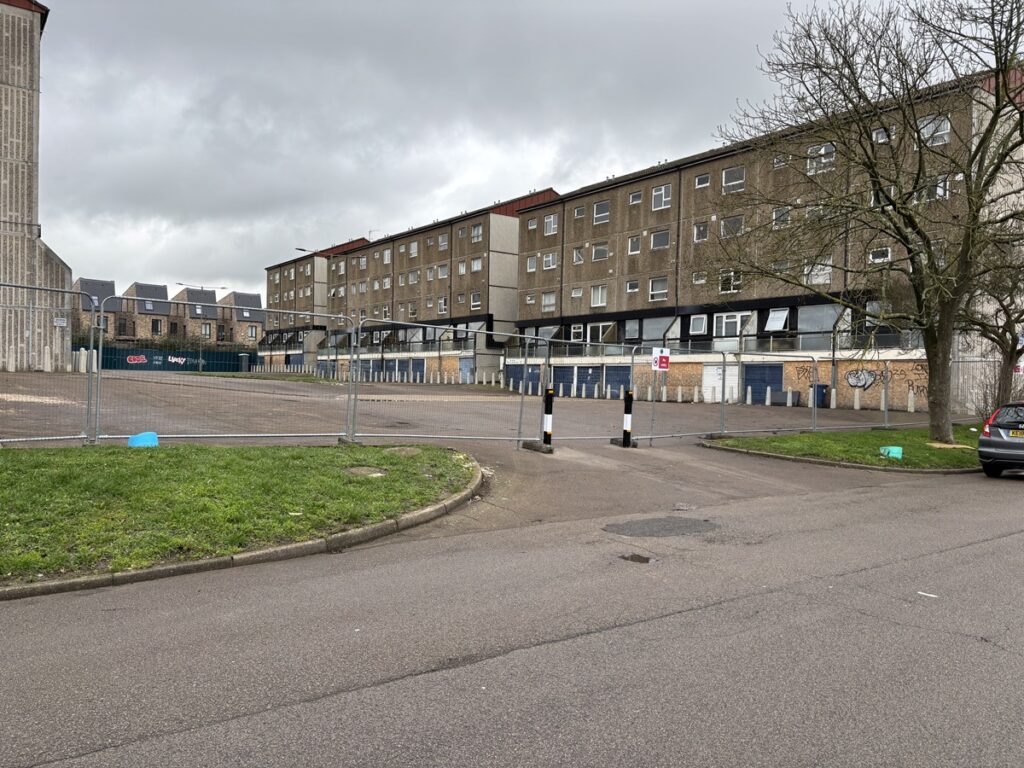
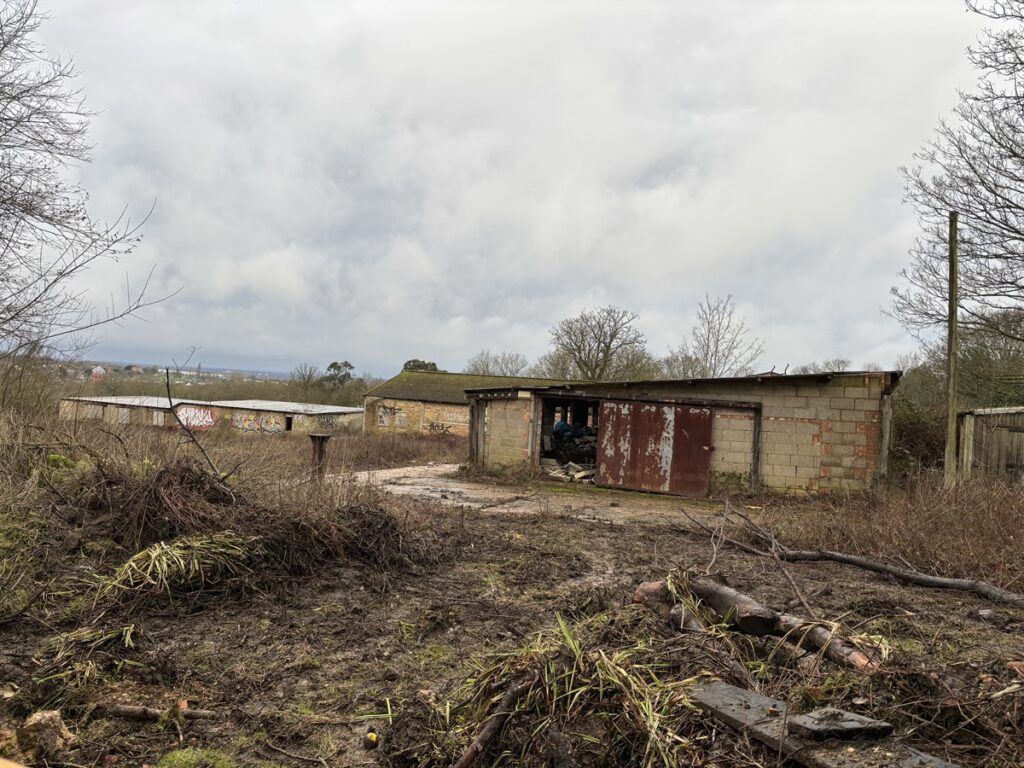
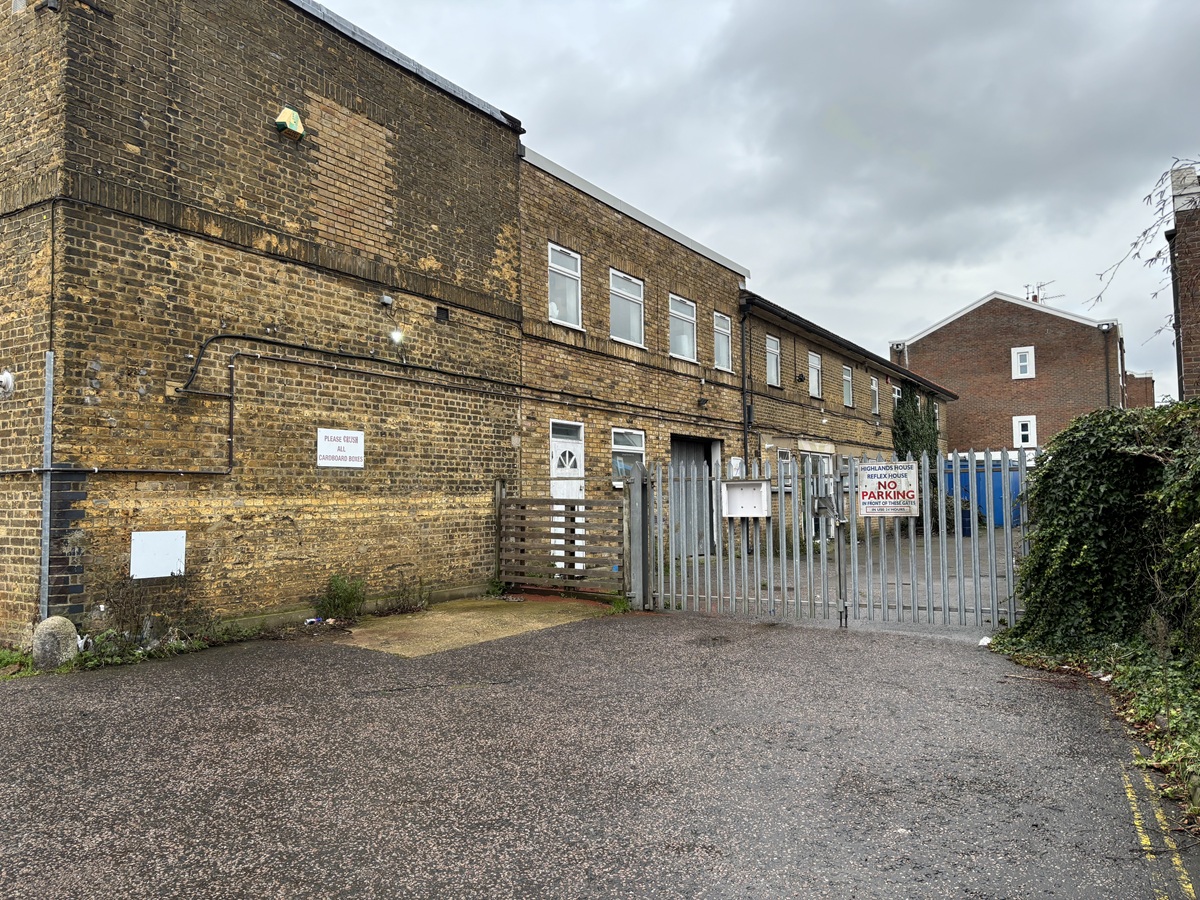
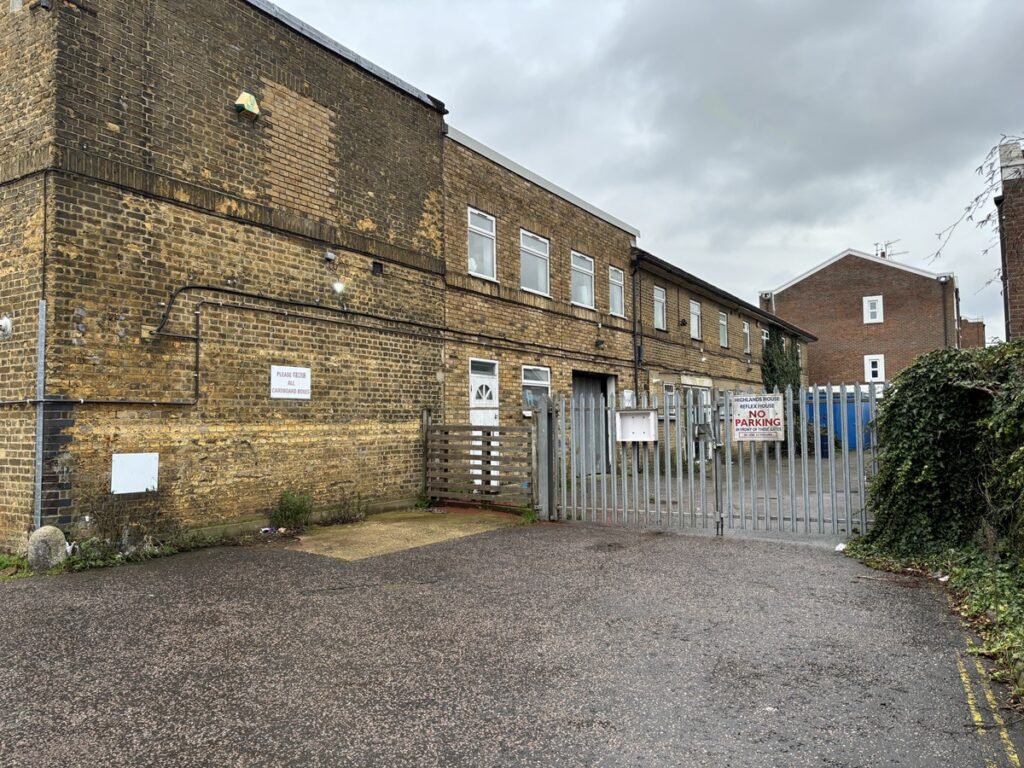
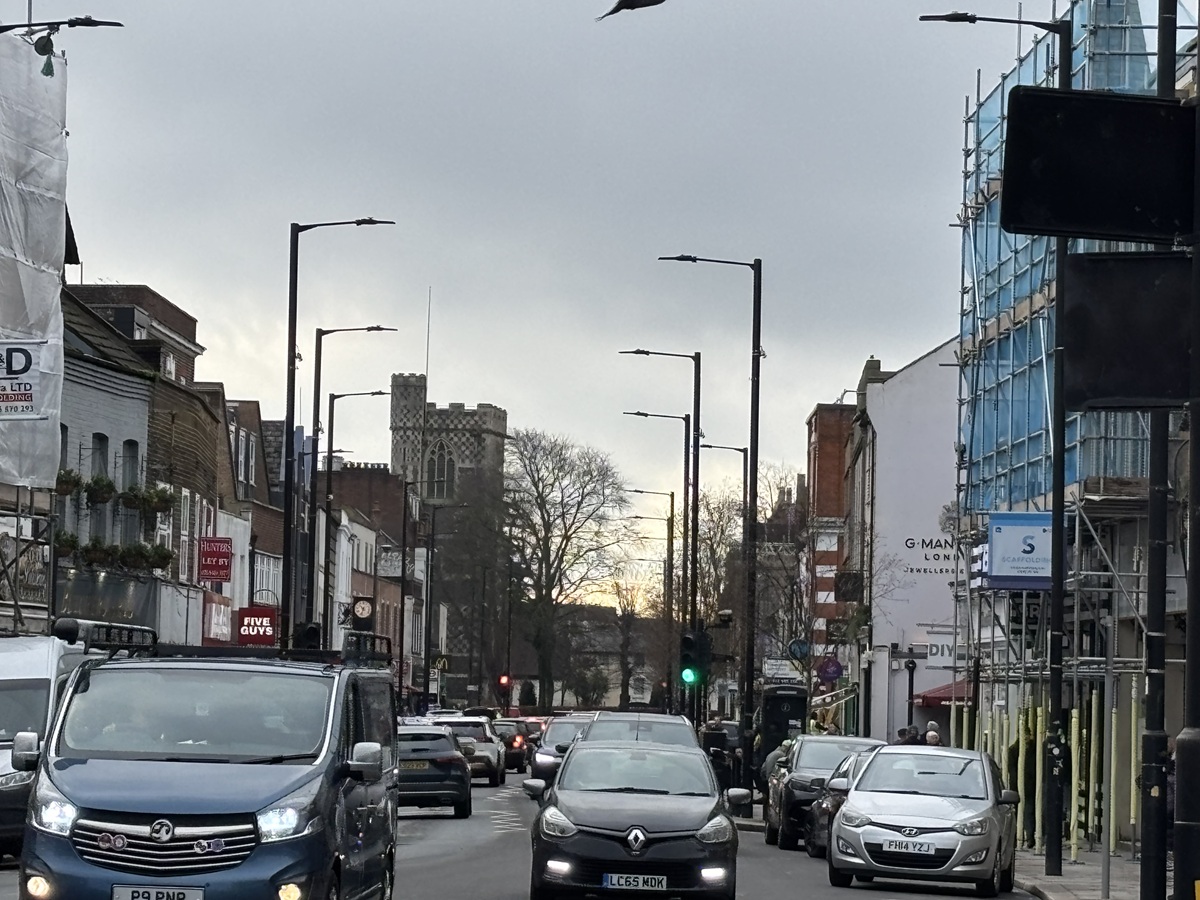
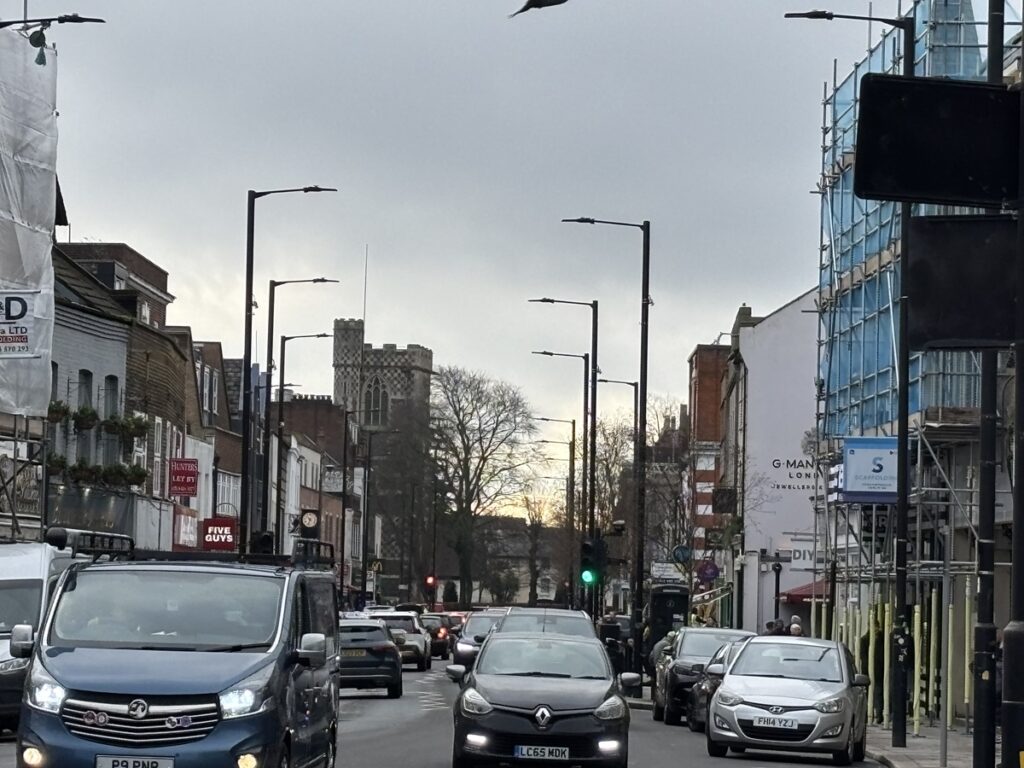
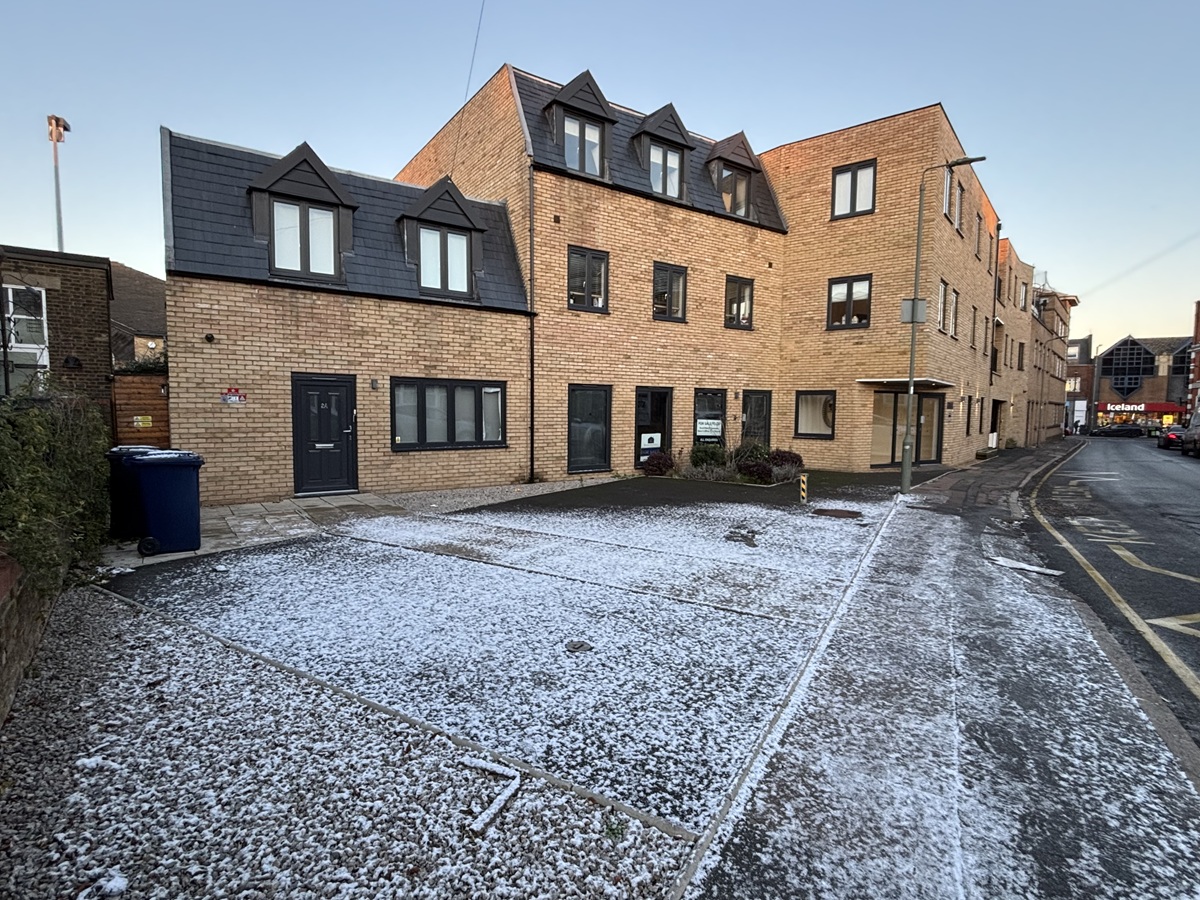
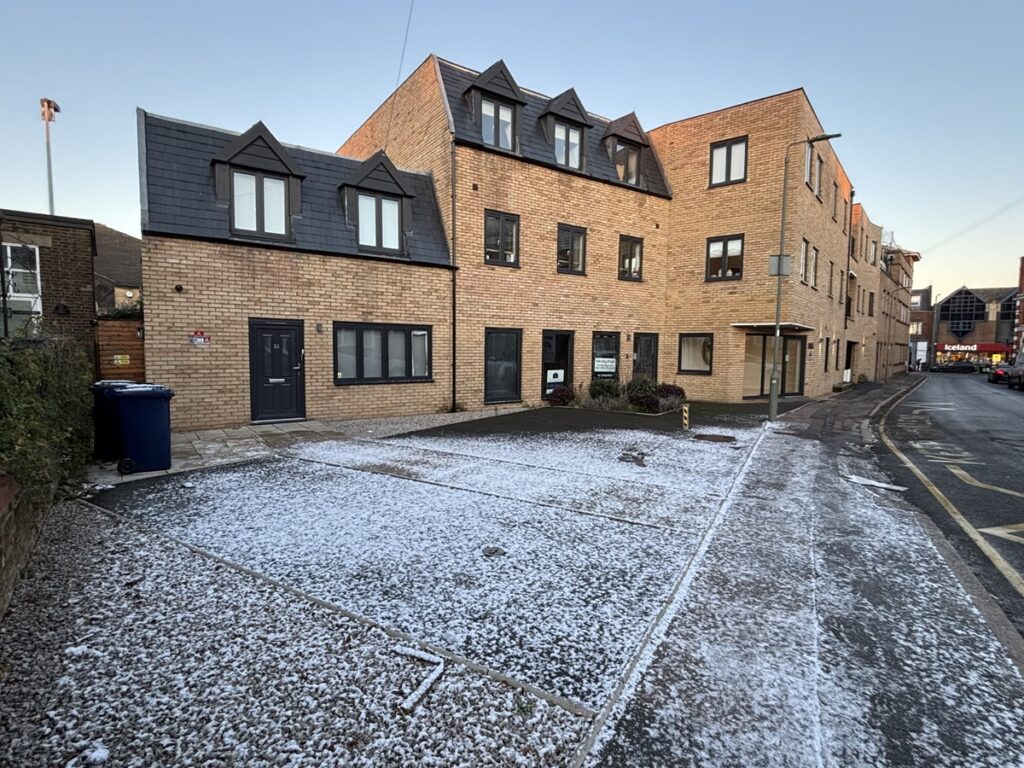
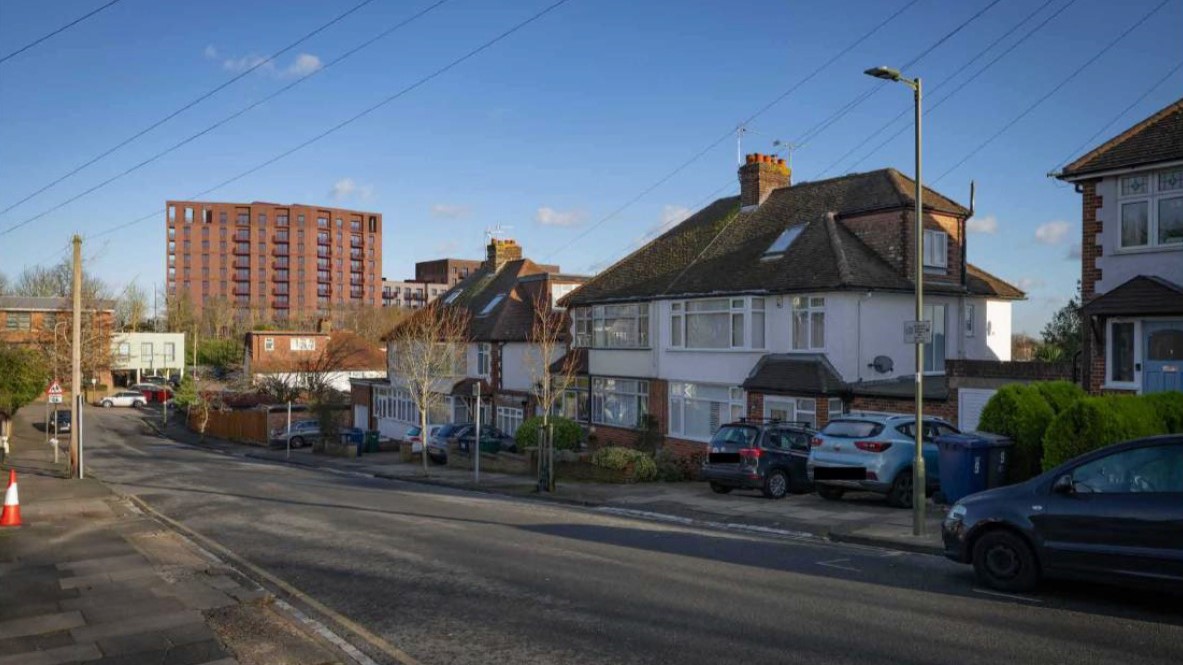
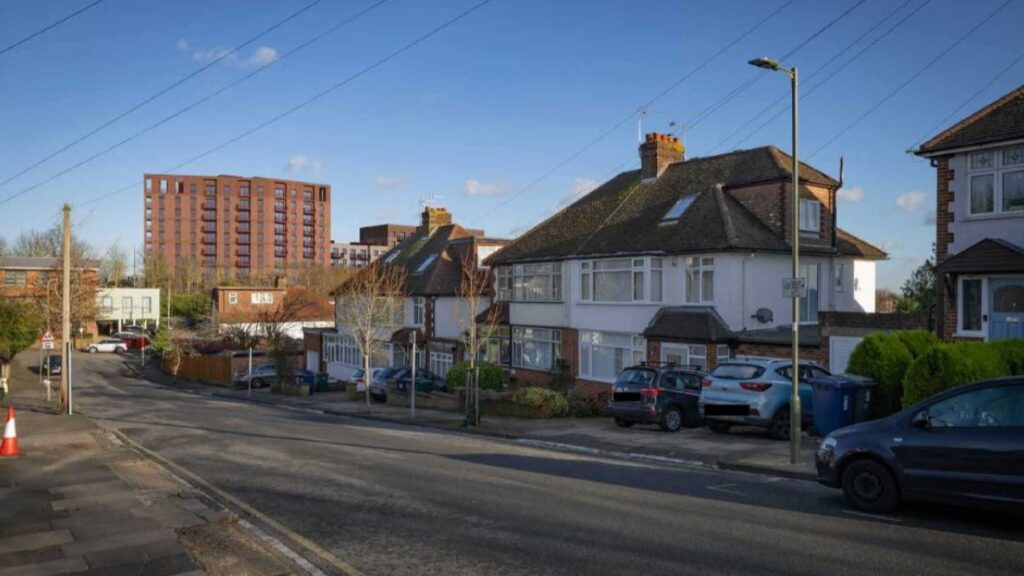
The latest challenge revolves around a fresh application to change the use of Highlands House in Bath Place, just off the High Street – see above – to provide seven self-contained one-bedroom flats.

Previously Highlands House was used for offices and graphic printing by sign makers RHM Event Graphics who have moved to premises at Borehamwood.

Subsequently the building has remained vacant, and other developers in the vicinity say the lack of demand for commercial space close to the town centre is underlined by the failure to find a tenant for a potential affordable workspace in the adjoining Lightfield housing development.

When dealing with planning applications, the council has been insisting that in line with the Barnet local plan, affordable employment space should be provided when new housing developments replace commercial and industrial premises.

In the case of Highlands House, council planners will have to decide whether prior approval is required for a change of use following new government regulations on permitted development.

An application to convert Highlands House to flats was rejected last year on the grounds that it would have a “detrimental effect” on the free flow of traffic and highway safety in Bath Place.

But this latest application states the seven flats would be car free and the developers would enter a legal agreement to restrict car parking permits.

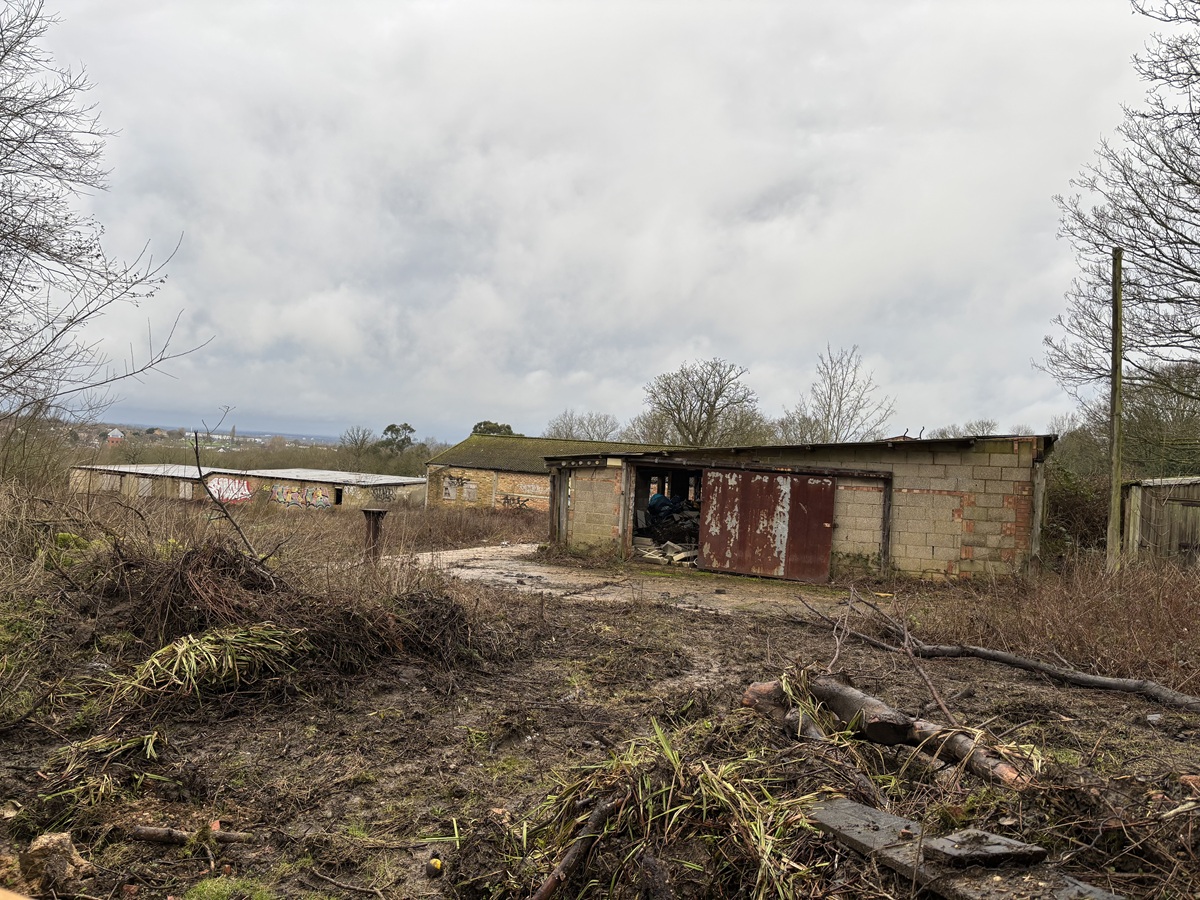
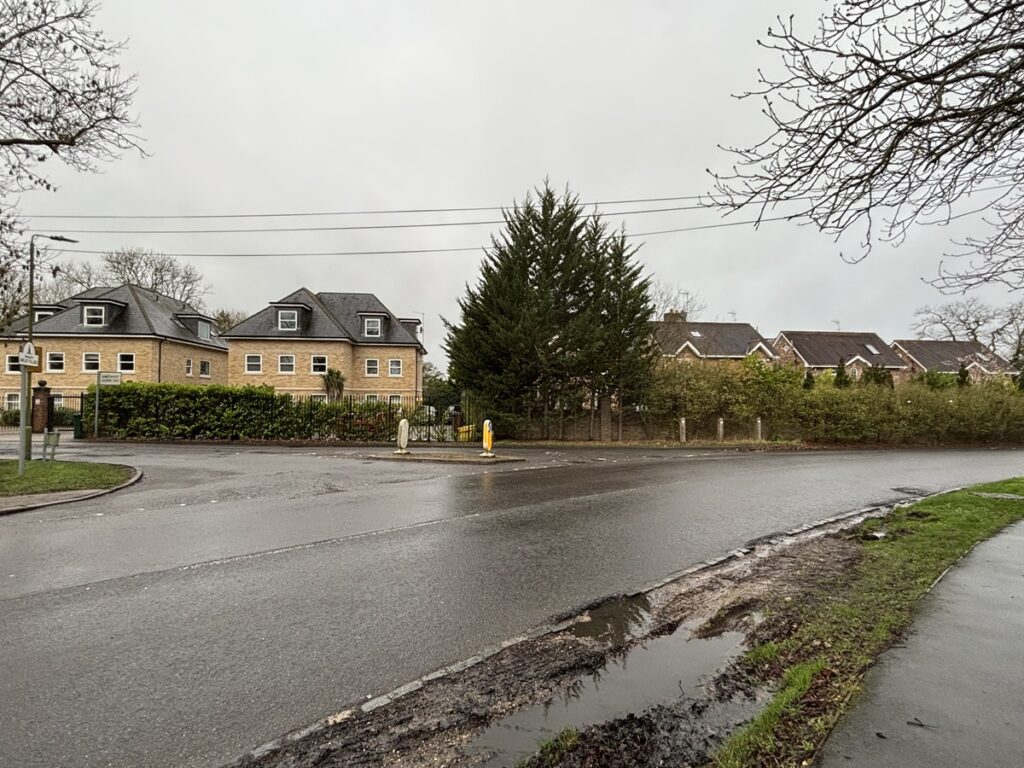
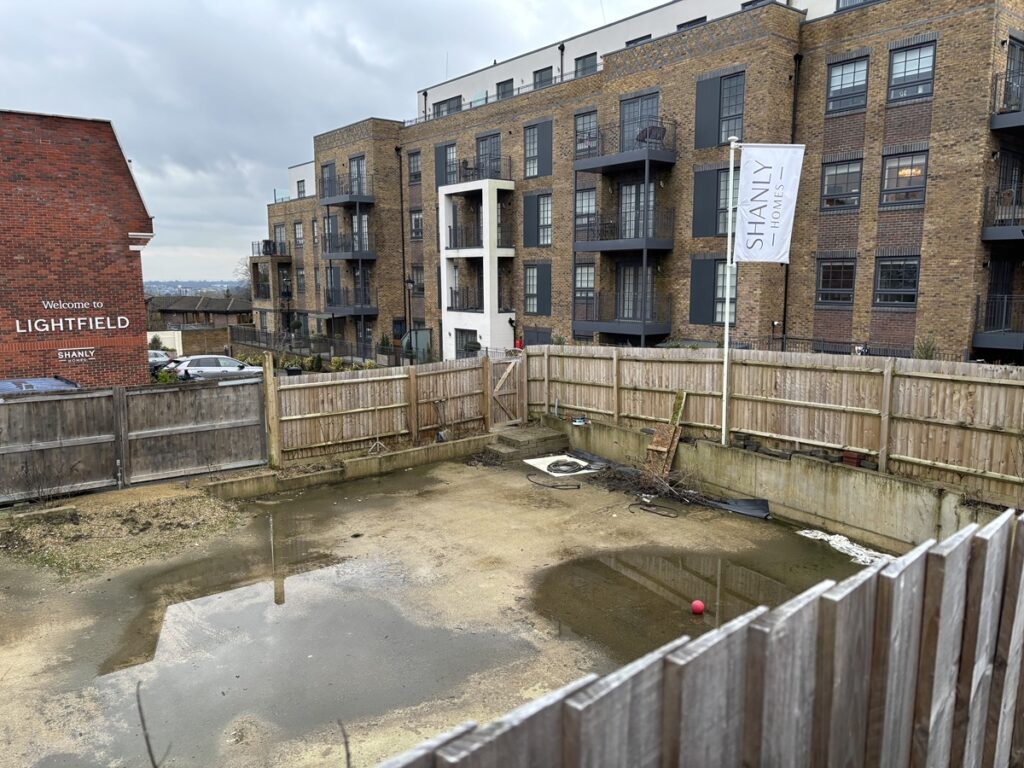
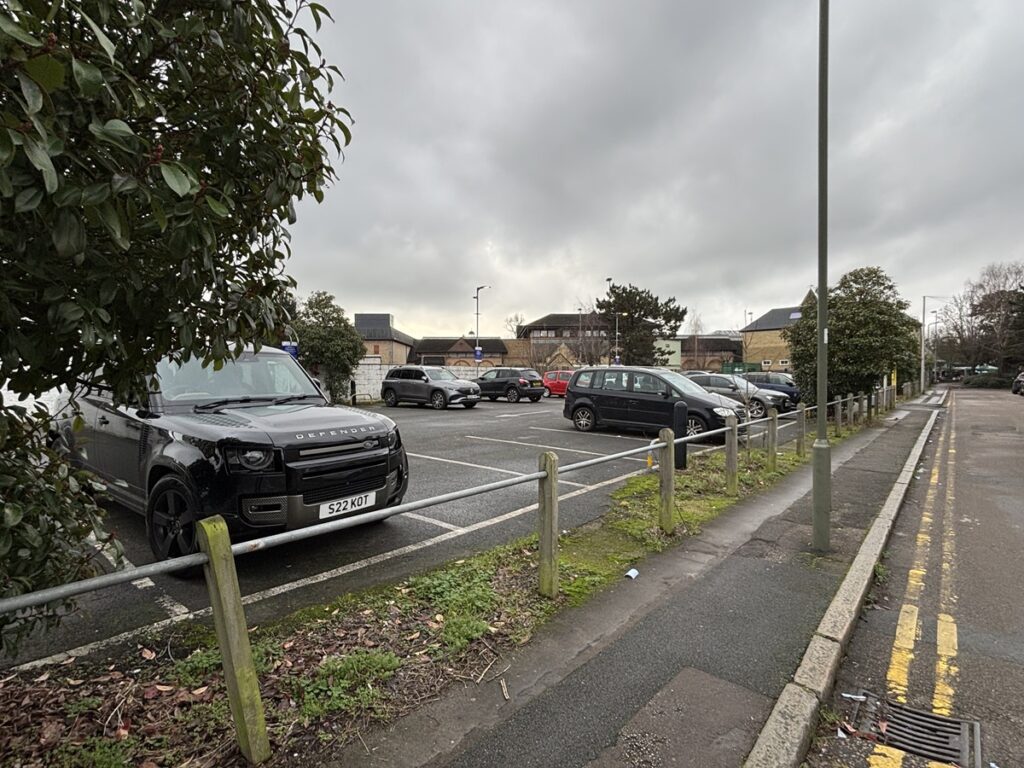
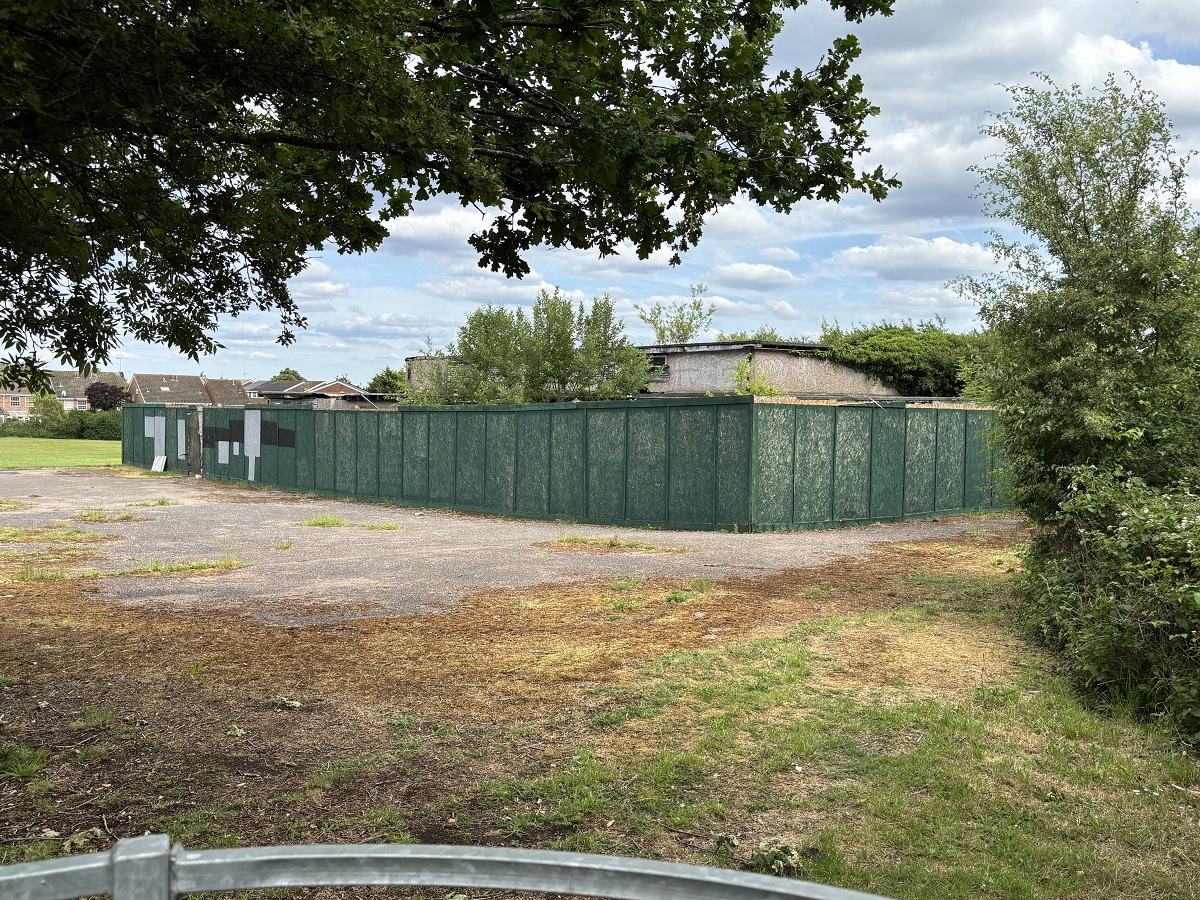
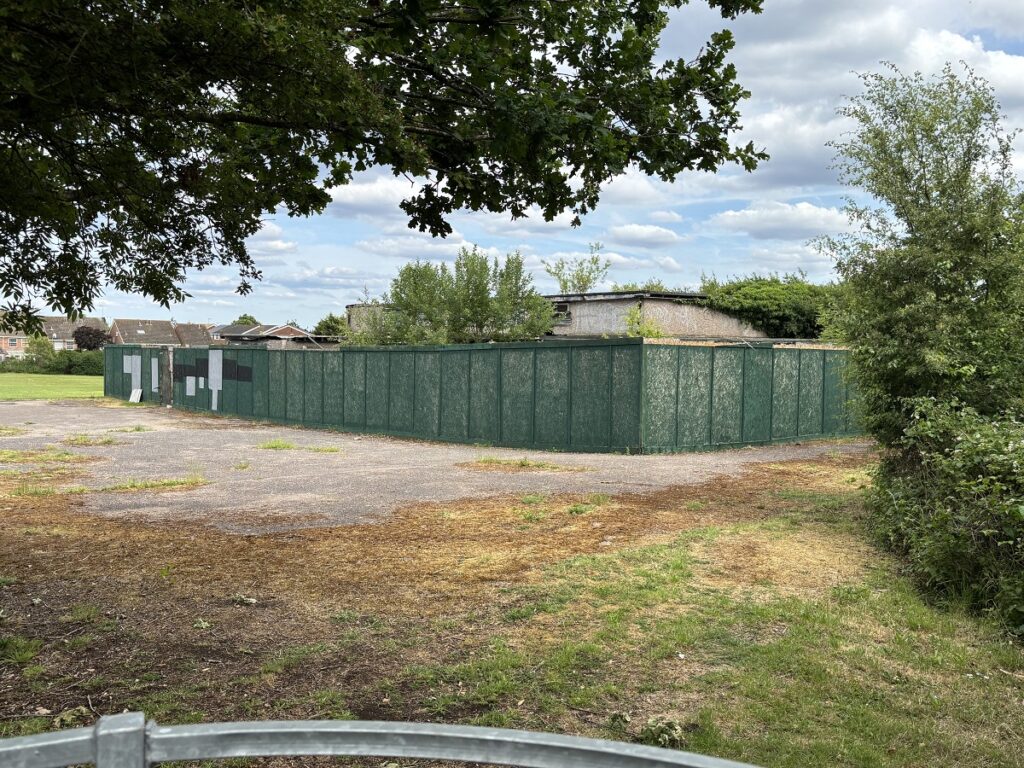
Just a few yards away from Highlands House is an empty site – see above – which was earmarked for affordable workspace when approval was given to Shanly Homes to provide 40 homes in flats and houses on the new Lightfield estate, just off the High Street.

Lightfield was built on the site of Brake Shear House which once housed 20 businesses in small factories and workshops which had a combined employment floorspace of 4,000 square metres.

When granting permission for Lightfield, the council stipulated that the site should retain 754 square metres of employment space.

Since the completion of the new estate, the developers say there has been no interest in developing the available commercial floor space and this prompted a fresh application to build a four-storey block which would have comprised eight flats with a ground floor offering 210 square metres of employment space.

However, after this application was refused, the developers took their case to a planning inquiry, only to find that the inspector backed the council.

In his report, the inspector said there was no evidence the employment space had been advertised at a genuinely competitive price; the developers had not demonstrated satisfactorily that there was no demand; and building additional flats would mean a “significant decrease in the employment potential of the site”.

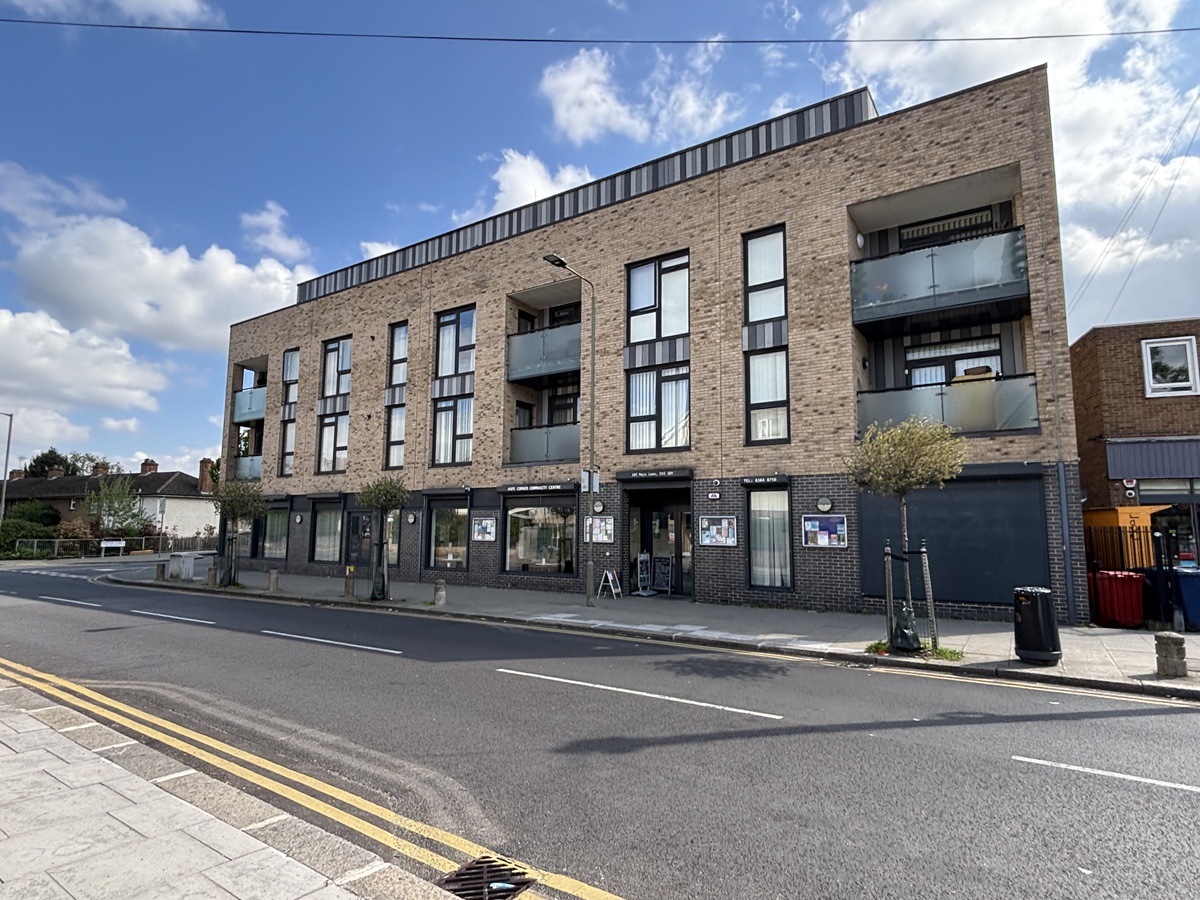
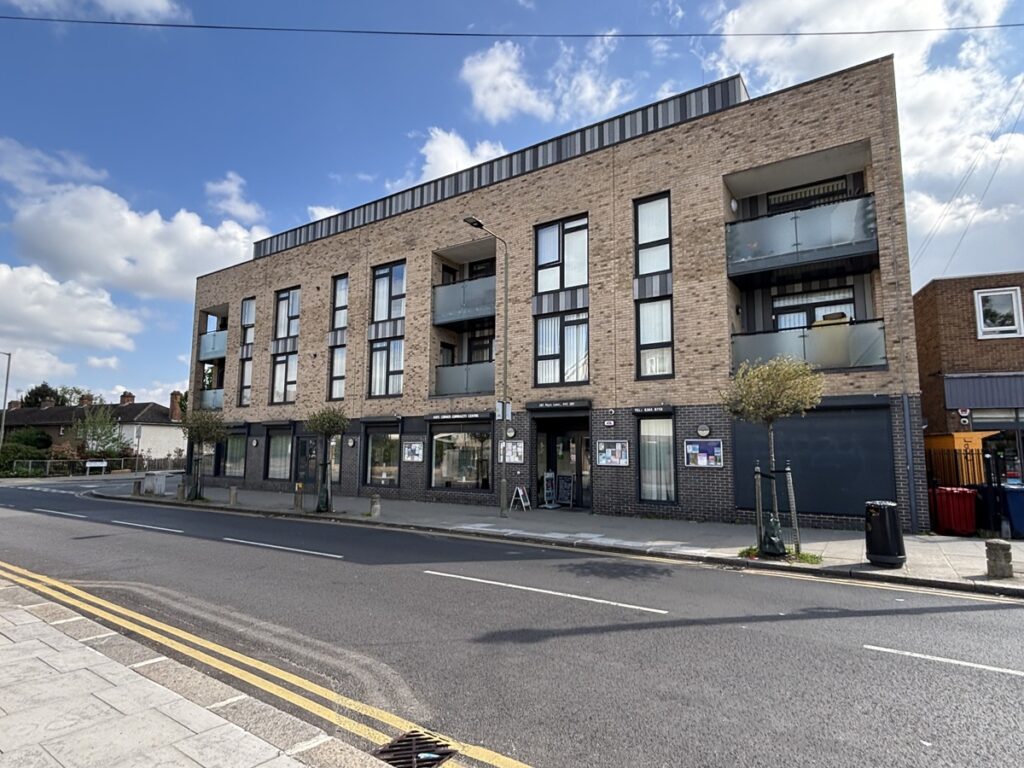
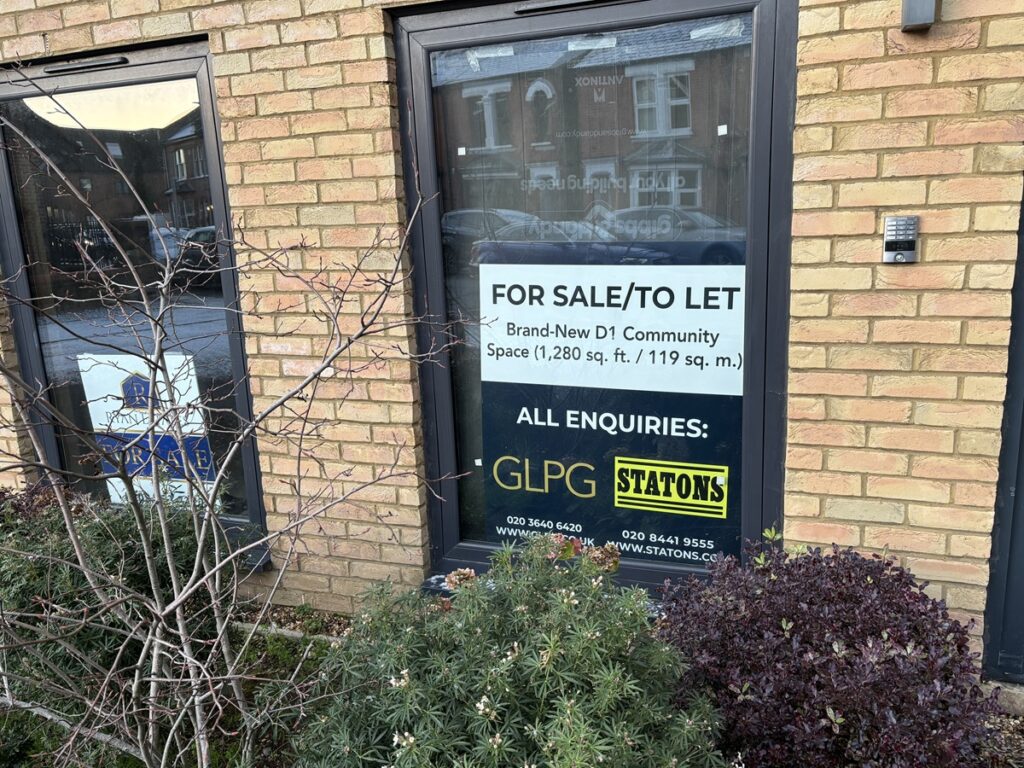
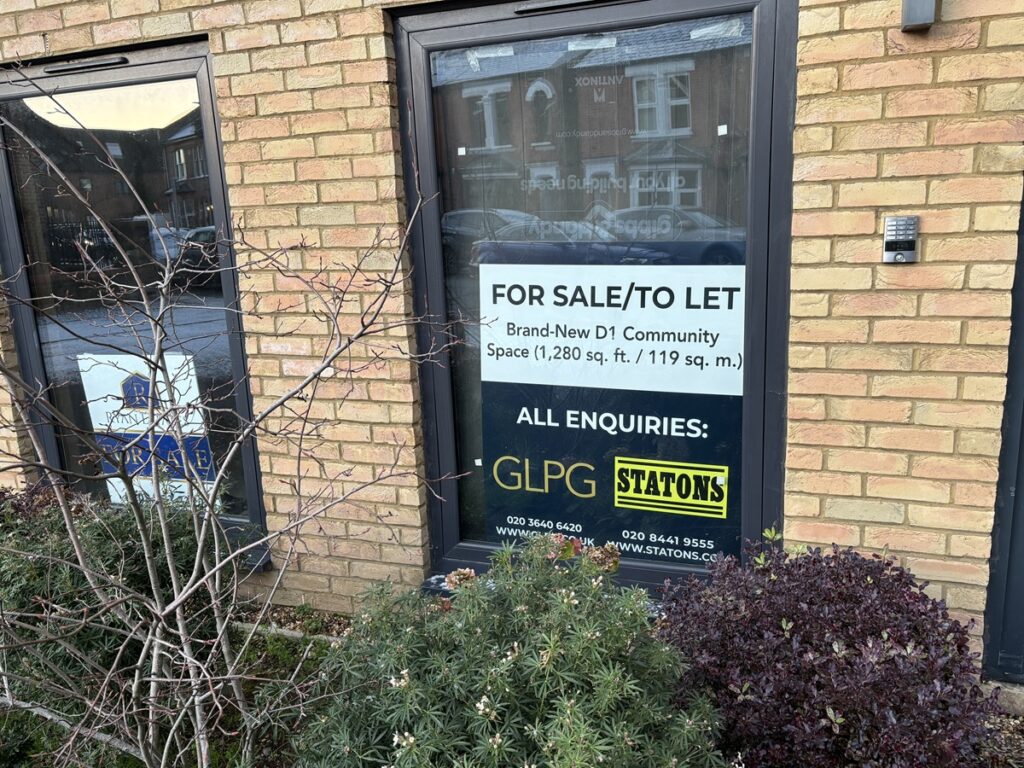
In support of its wider policy of seeking mixed development, the council has intervened to see if a tenant can be found for vacant community space on the ground floor of a new block of flats in Salisbury Road.

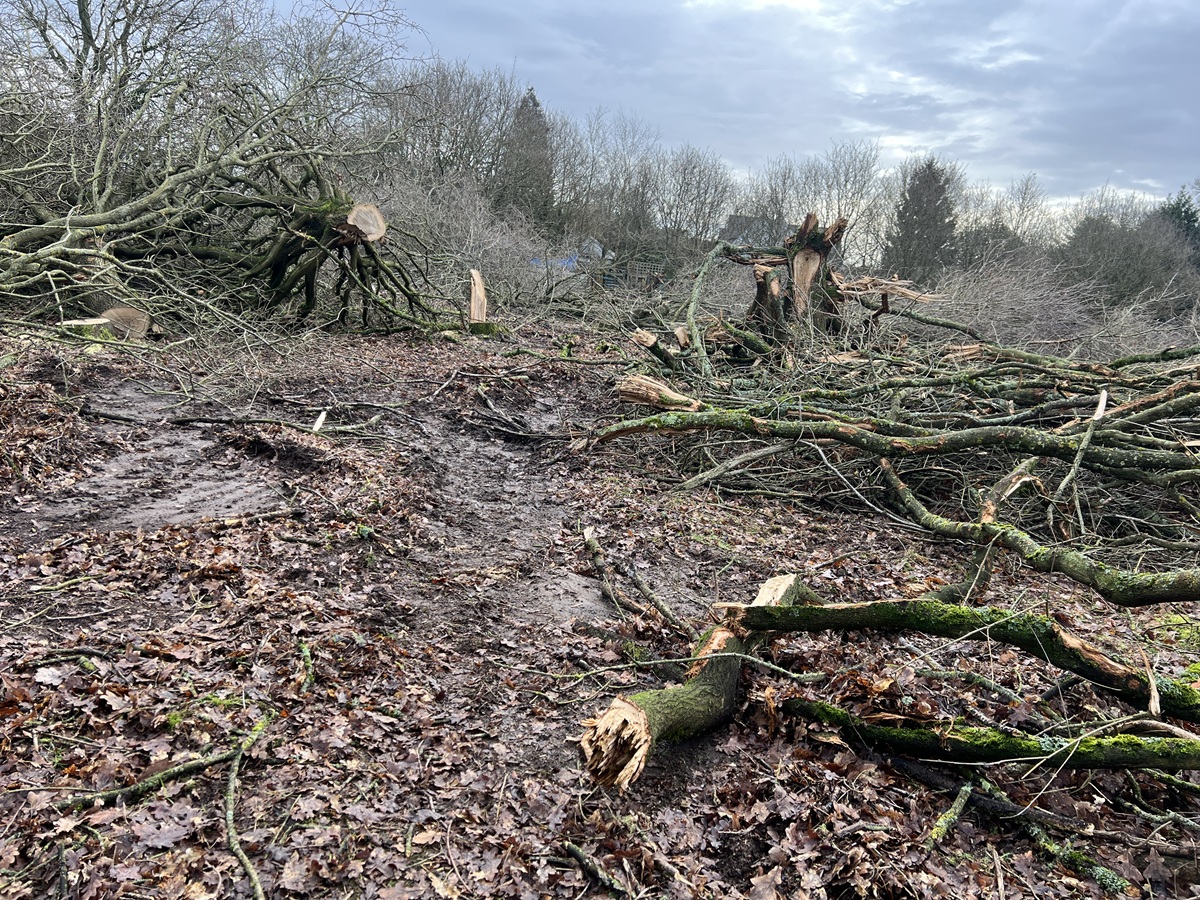
This follows the council’s refusal for permission to convert vacant community space on the ground floor of the new block – see above – into a three-bedroom flat.

Again, the developers say that despite having been “extensively marketed” for four years there has been minimal interest in hiring the community space.

In an attempt to find a potential tenant, the council is to contact community groups and local charities to see if there is any interest.

The ground floor space of 1,280 square feet is on the market for a guide sale price of £400,000 or an annual rent of £25,000.

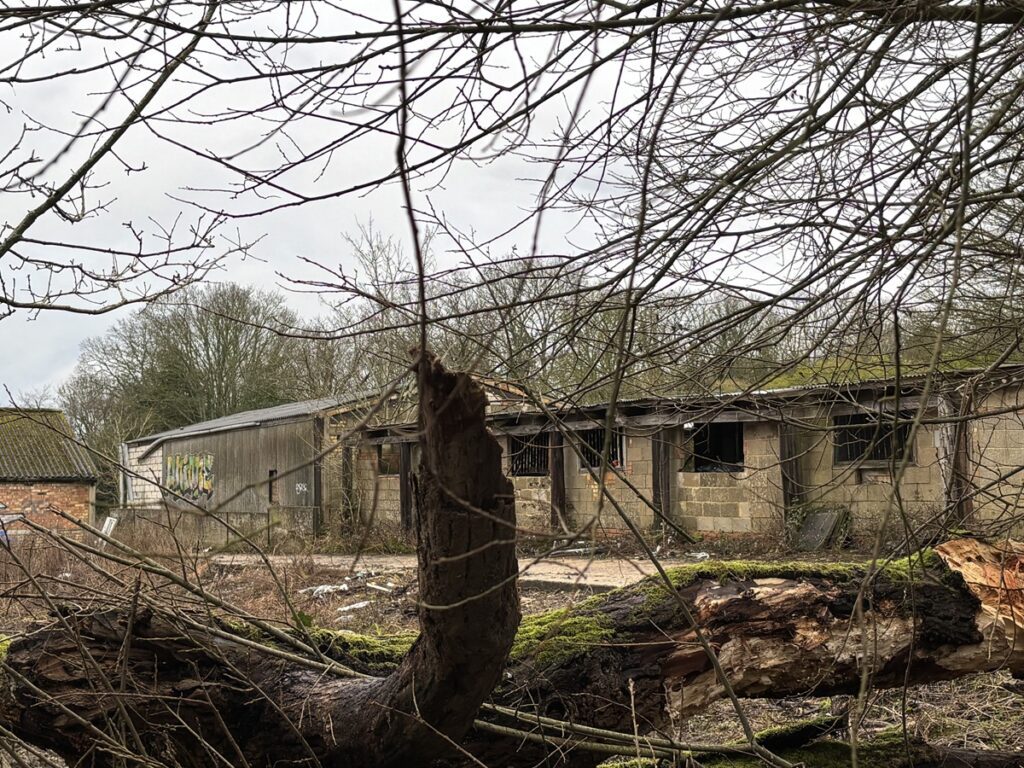
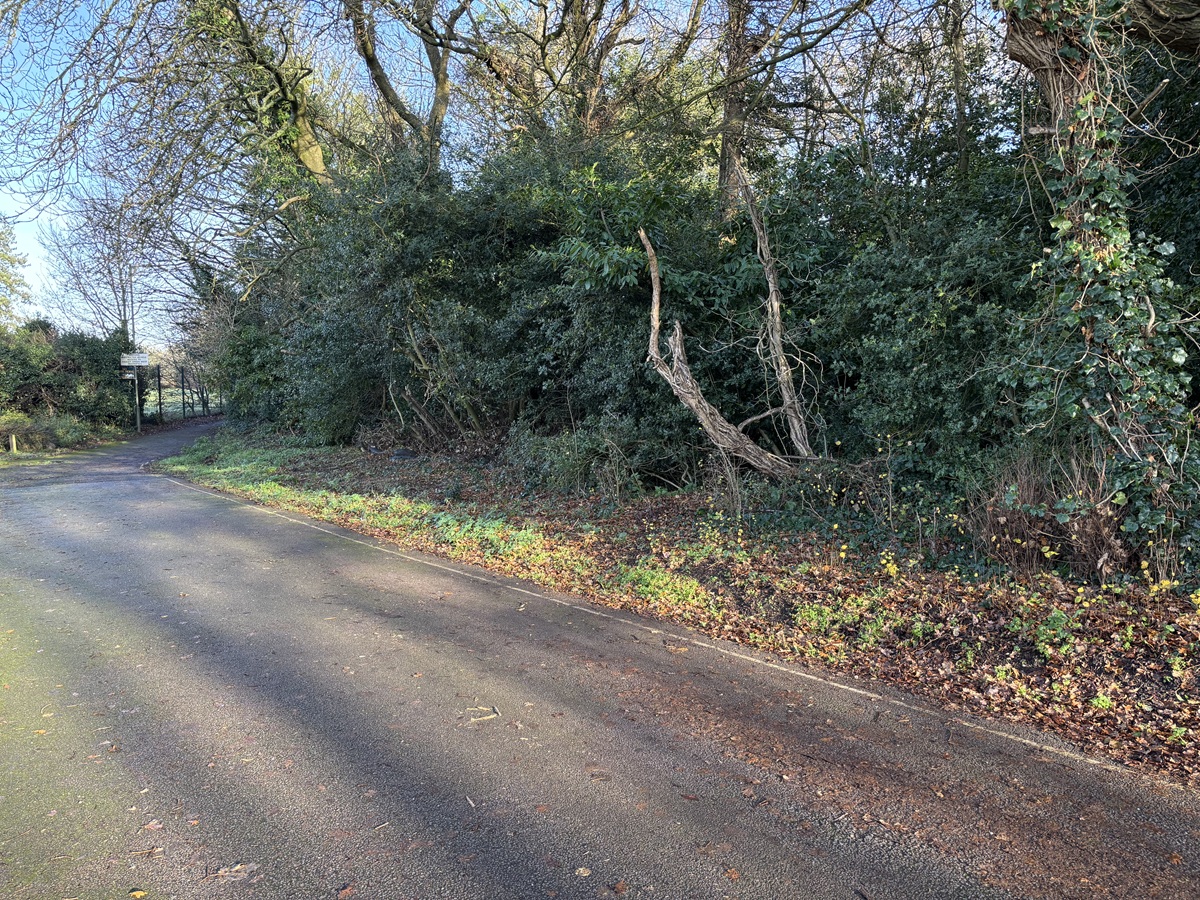
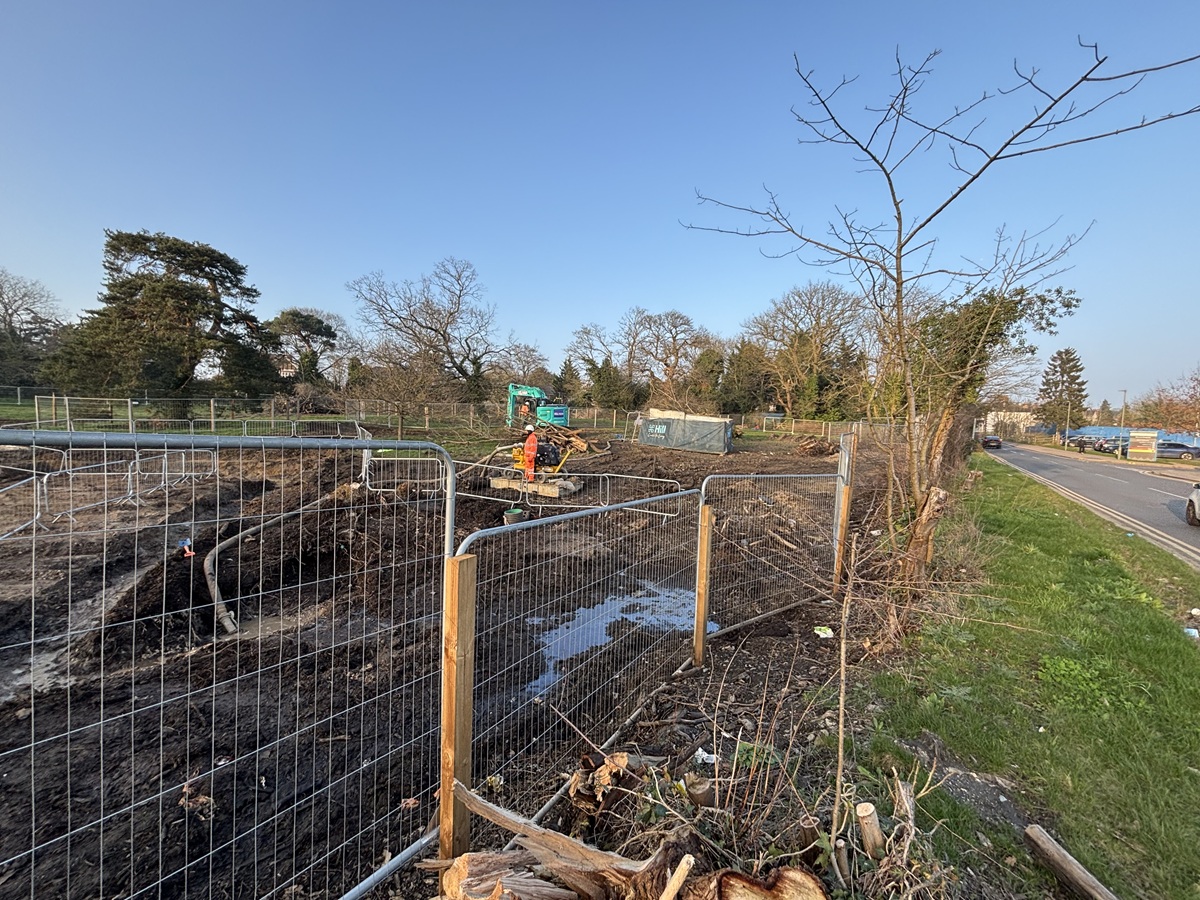
Another vacant commercial space which has been on the market for some considerable time is on the ground floor of new flats in Moxon Street – see above – which were built after the demolition of a car repair business and a former Salvation Army Hall.

Posted on 7 Comments

Planning application in to build a house in Christchurch spinney

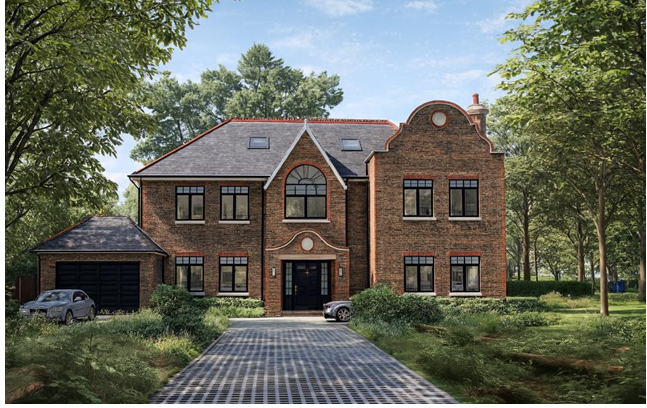
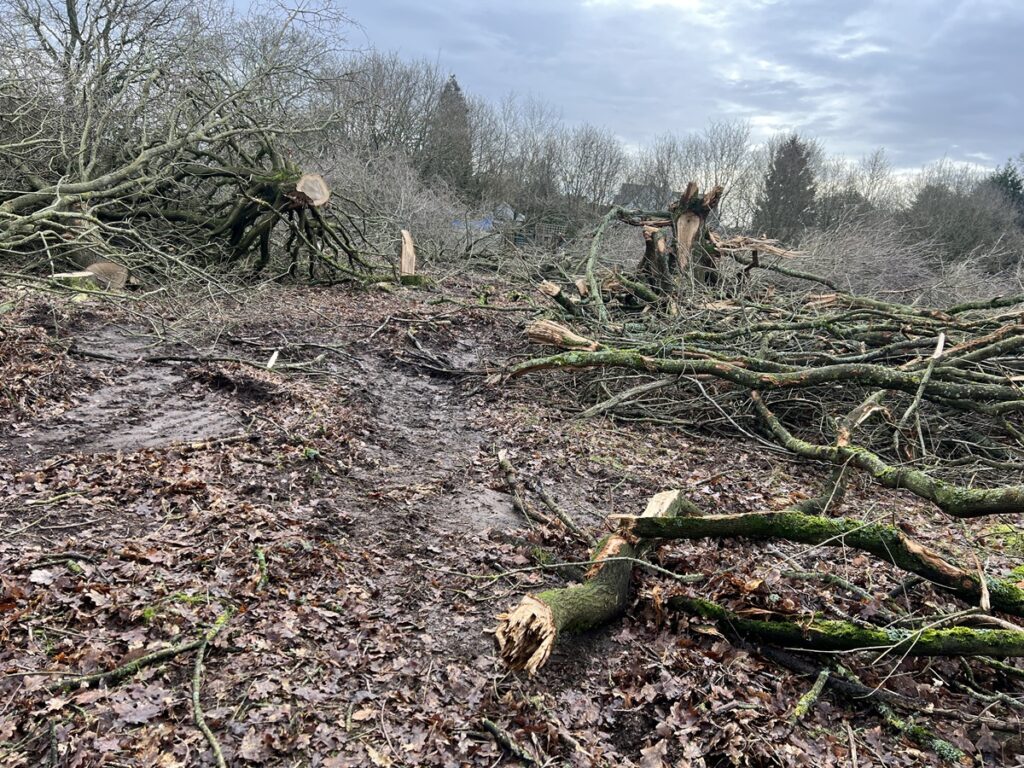
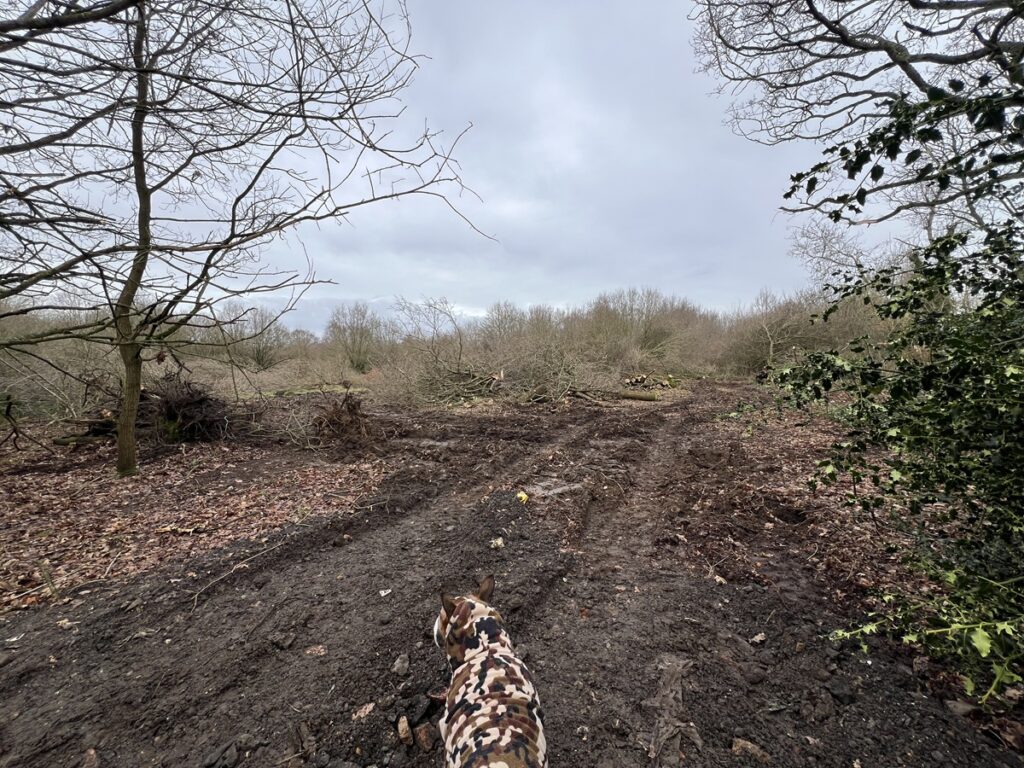
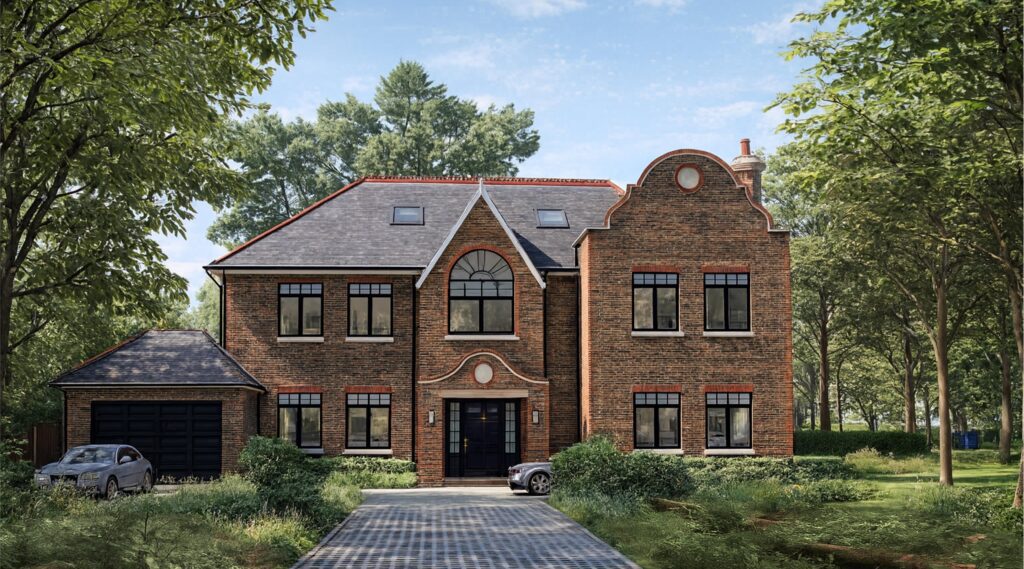
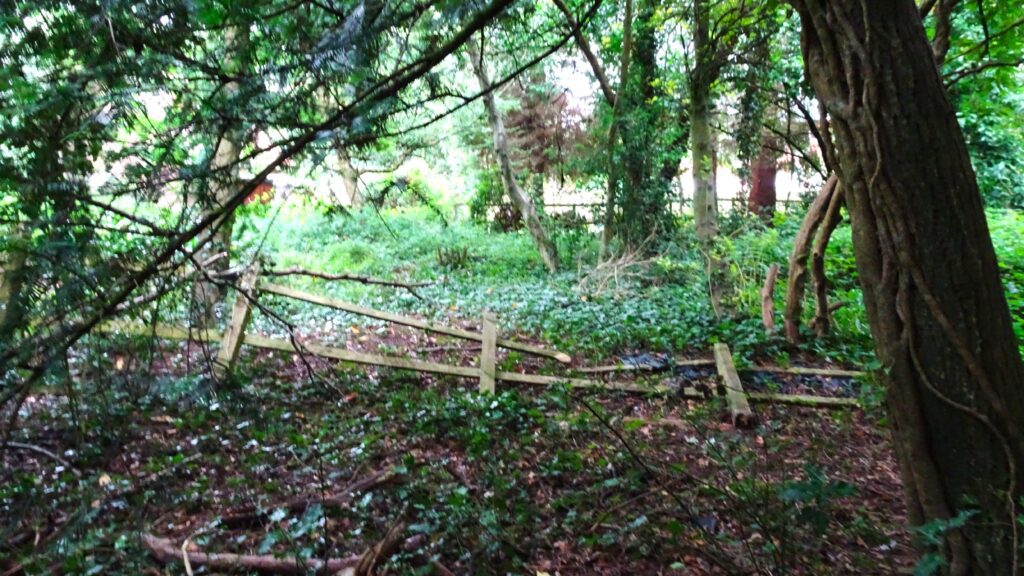
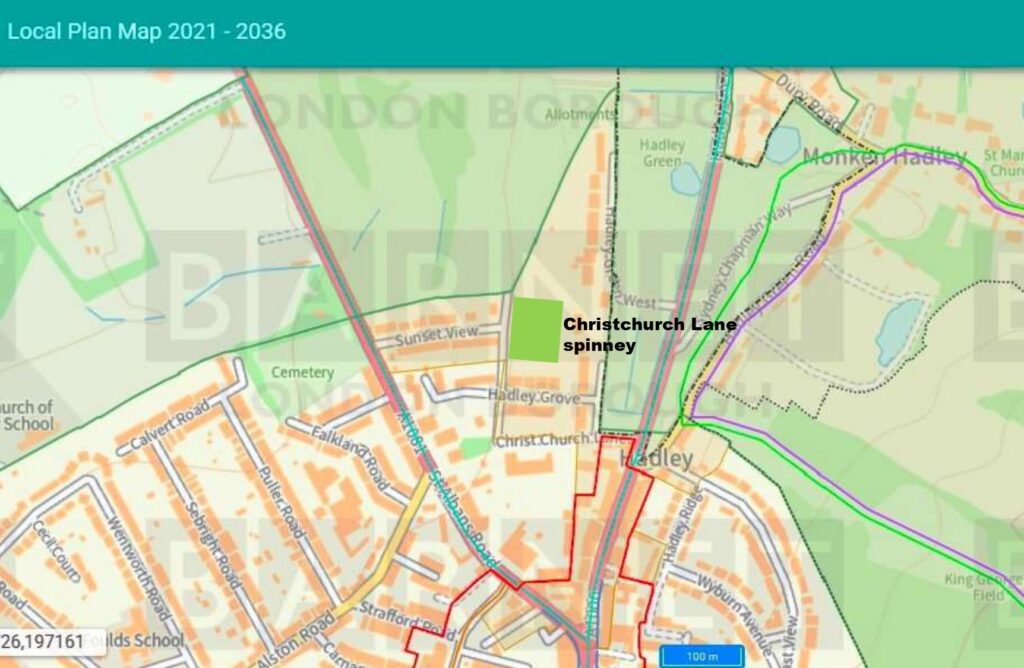
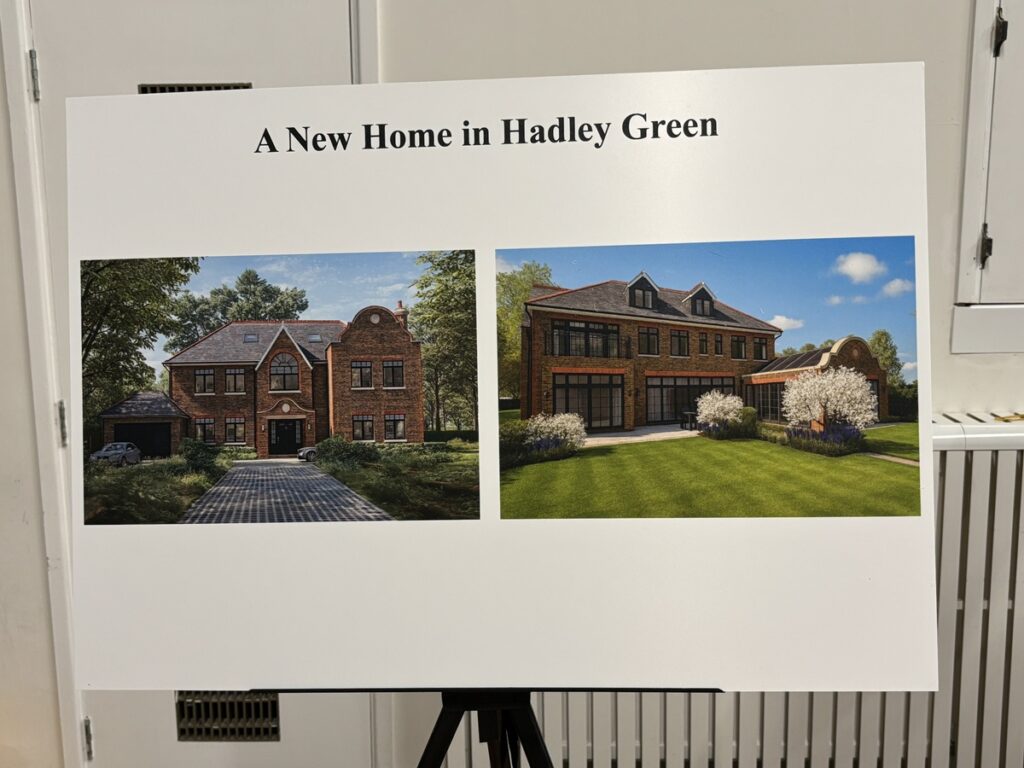
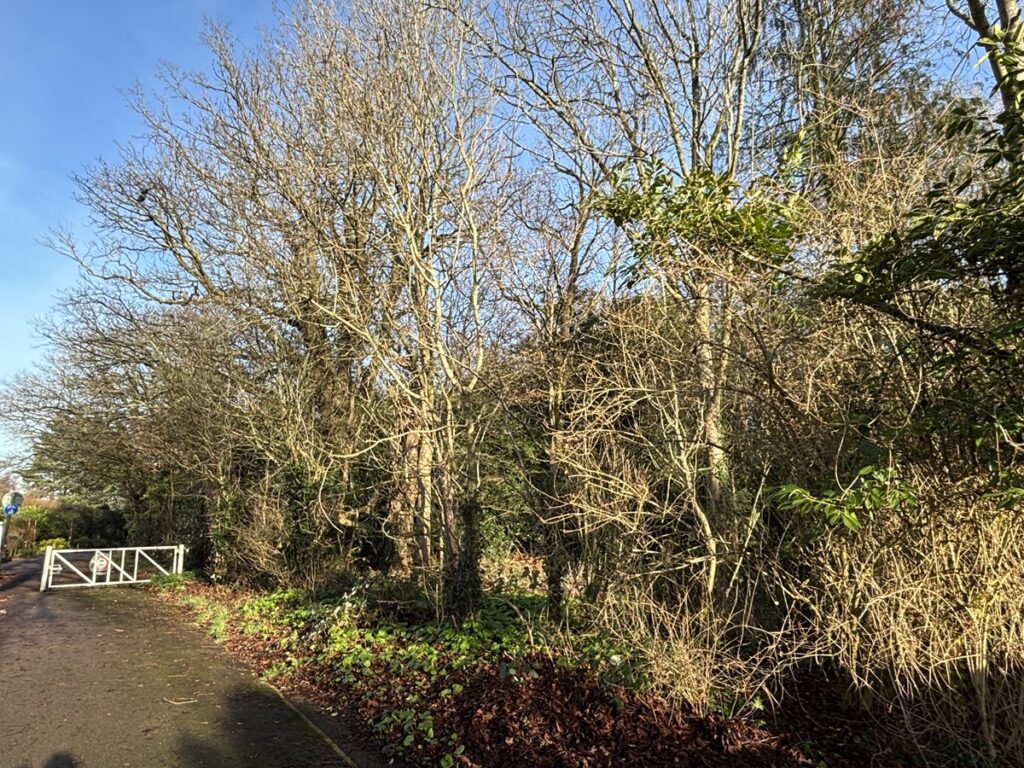
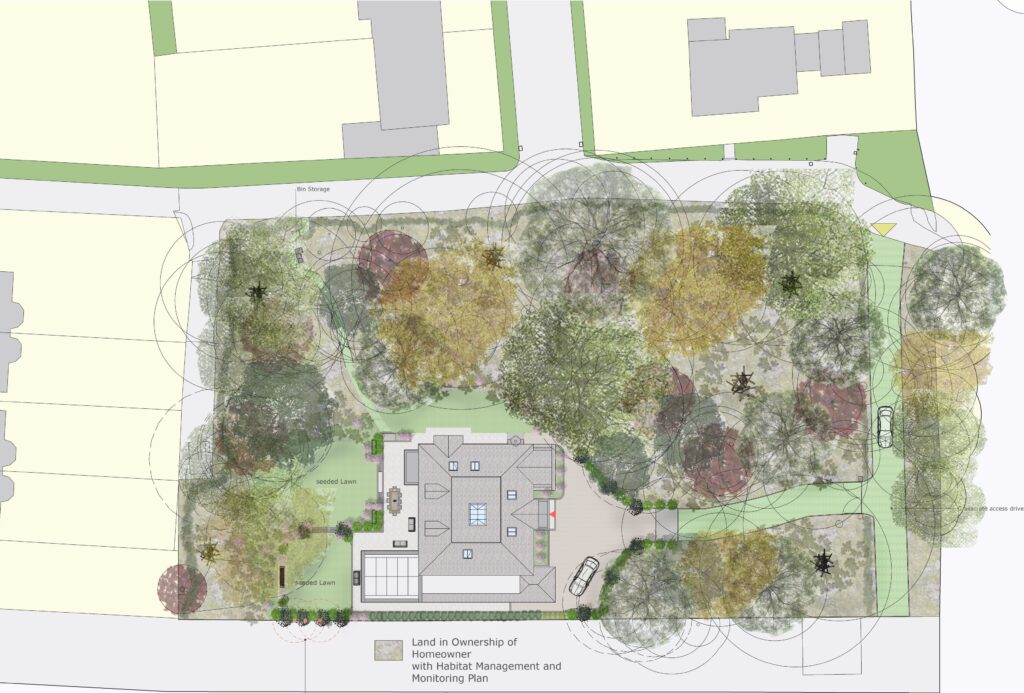
Above is a visualisation of the new 6-bedroom house proposed by its designers, Alan Cox Architects, in secluded woodland barely 200 metres from Barnet High Street. The site is described by the applicants as ‘unkempt’, and by locals petitioning against development as a ‘wildlife haven’. The site is within the Monken Hadley Conservation Area and close to the Green Belt. Some trees have individual Tree Preservation Orders; however all the trees are protected by the conservation area status.

The application is a test of Barnet Council’s commitment to protecting the environment. You can comment on the proposals until Thursday 12 February – see below for details.

Barnet Council declared a Climate and Biodiversity Emergency in 2022. Barnet Labour’s Green Manifesto promised to ‘Protect ALL existing green spaces in the Borough’. And its recently-adopted Local Plan contains policies and supplementary planning documents specifically to protect green spaces. Mayor Khan has similar planning policies, and recently consulted on London’s first Nature Recovery Plan to reverse biodiversity loss.

The site is mainly established deciduous woodland. Although small in area its ecological value is great because it provides a vital undisturbed ‘green corridor’ for the transit of insects, animals and flying creatures between the Old Fold Manor golf course and Hadley Green, both of which are in the Green Belt. It is not managed, however, and its biodiversity is limited by the dominance of cherry laurel and bramble on the east side of the site.

In 2024 the Council authorised the sale of part of the spinney that it owns for £430,000, subject to the buyer obtaining planning consent.

The planning application is by Christchurchgrove Ltd, a developer in a joint venture with Barnet Recreation Trust (BRT), which owns the other part of the present site. BRT is a charity that supports ‘the provision of facilities in the interest of social welfare for recreational and leisure-time occupation’ locally.

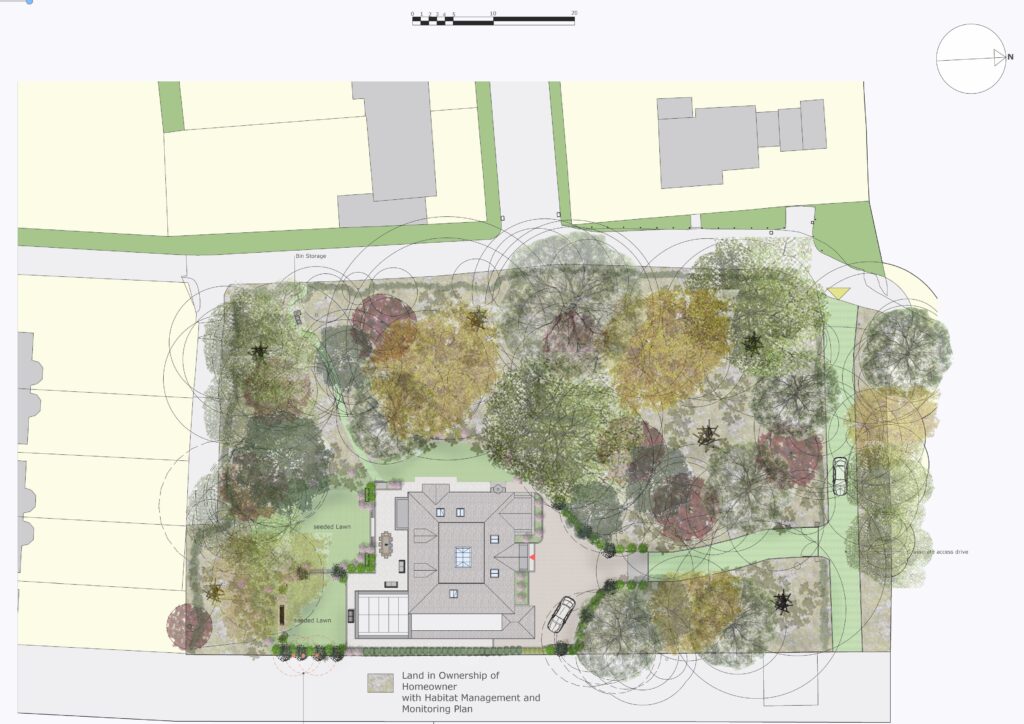
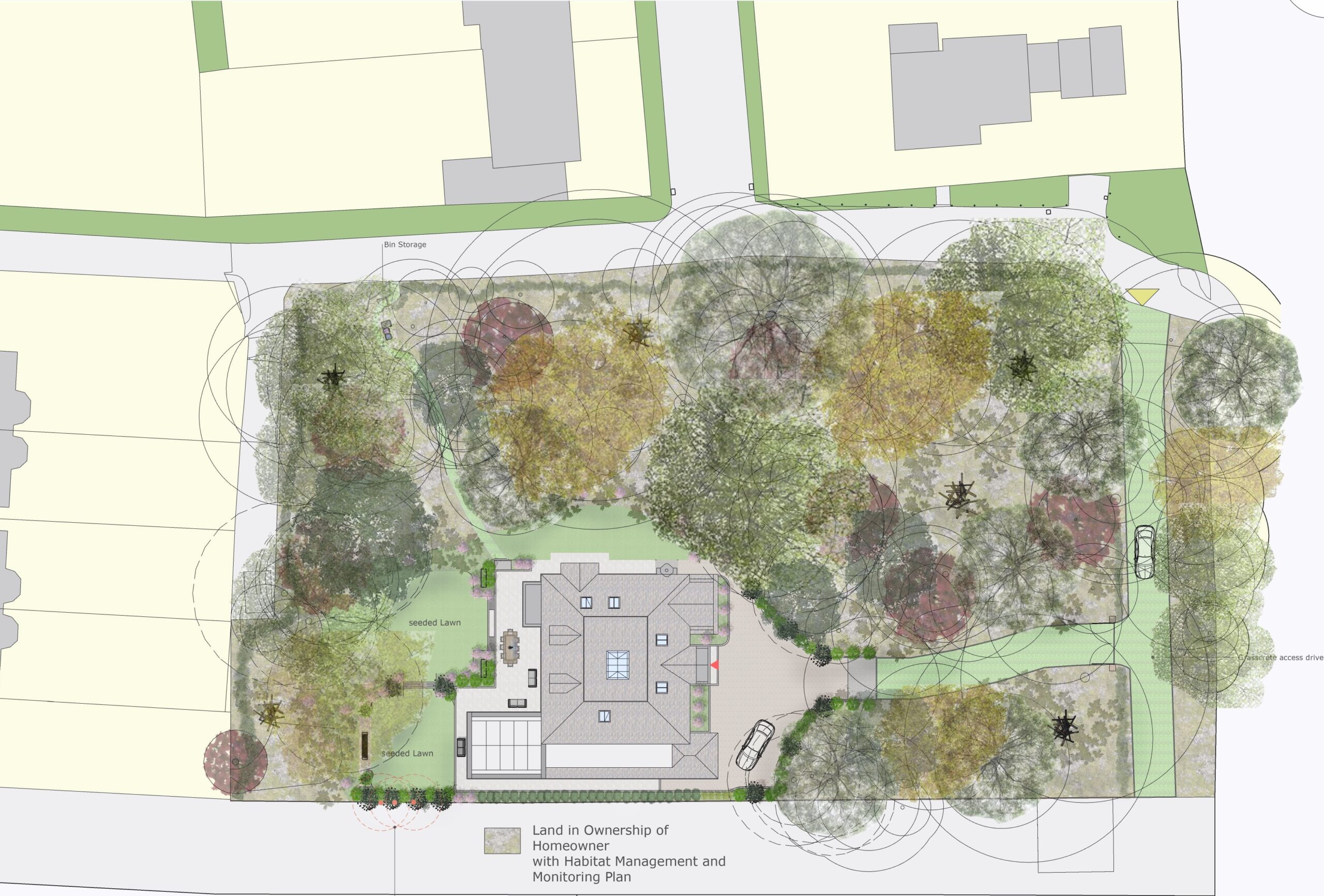
Both organisations would profit from the sale of the substantial (567 sq m) new house and garden that would occupy about a third of the site. The house-owner would be responsible for the rest of the (0.4 hectare / 1 acre) site, which includes almost all the existing protected trees. (See plan below by Helene Landscape and Garden Design).

A public consultation on the proposals was held before Christmas, and Nick Jones’s report on that can be found here. You can also read my earlier post on the issues this project raises for nature protection.

Ideally, the Barnet Society would like to see Christchurch spinney and its wildlife conserved, enhanced and protected, with a minimum of landscaping to enable some public access. In practice, that would require funding and organisation that the Council can’t currently provide. It’s a pity no effort seems to have been made to find a community group or charity to take it on.

Although we’d prefer no house to be built at all, we wouldn’t object to permission being given for one on the least ecologically valuable part of the site on certain conditions:

  • The house and garden must be in keeping with their natural setting.
  • They must be built to high environmental standards.
  • The site as a whole must be subject to a long-term management plan to safeguard and enhance the environment.

The scheme the Society was shown last year fell short on all these counts. To the developer’s credit, however, it has been improved in the light of our comments. Overall, therefore, we’re neutral about the application. But because we aren’t yet convinced about a number of critical details, we’ll submit a list of conditions that must be met before approval.

How you can comment

Have your say one of these ways:

  1. on the Council’s planning portal (ref. no. 26/0116/FUL) via the Comments tab;
  2. email comments direct to planning.consultation@barnet.gov.uk (cc tania.sacordeiro@barnet.gov.uk); or
  3. post your comments to the Planning Officer: Tania Sa Cordeiro, Planning and Building Control, Barnet Council, 2 Bristol Avenue, Colindale, NW9 4EW.

In the cases of 2 & 3, be sure to include:

  • the application ref. no. (26/0116/FUL) clearly at the top
  • the site address (Land Opposite 15 Sunset View Barnet EN5 4LB) and
  • your name, address and postcode.

Sending a copy to our MP dan.tomlinson.mp@parliament.uk and to your local Councillors will increase the effectiveness of your comments.

Posted on 1 Comment

Barnet Football Club abandons planning appeal over stadium at Underhill as Bring Barnet Back identifies possible new locations   

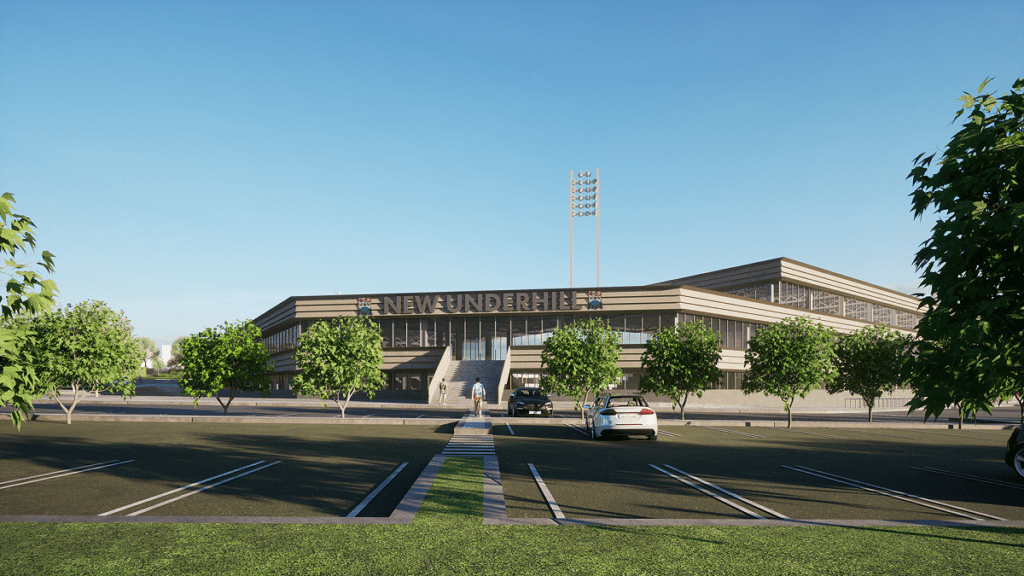
A short list of four or five possible locations for a new stadium for Barnet Football Club is now being considered in depth by supporters of the Bring Barnet Back campaign after lengthy discussions with Barnet councillors and planners.

In view of what the campaign says is now a “very positive” dialogue, the club has decided not to appeal against the strategic planning committee’s refusal last July to approve an application for a new stadium on Barnet playing fields at Underhill.

The last date for an appeal is January 24, but the Bring Back Barnet campaigners urged the club’s chairman Tony Kleanthous against challenging the council.

“Constructive conversations” with councillors and planners have succeeded in producing a shared sense of good will over the push to secure a move from the club’s existing stadium at The Hive, Harrow, and a return to the town.

A total of 51 alternative sites for a stadium were identified and evaluated by the campaign and the highest scoring four to five sites will now be assessed in greater detail.

They are all in what is described as a “ring of suitable sites” – in an area within High Barnet, New Barnet and East Barnet.

As an indication their good faith in trying to find a site acceptable to the council, the campaigner says they will not identify sites on their short list so as to prevent the long-standing controversy over Barnet FC’s return to the town becoming a political football at the council elections in May.

Bring Barnet Back had been thinking of whether to promote candidates – or a symbolic single candidate – in the May elections to demonstrate the strength of their support but decided against the move so as not to jeopardise the constructive relationship which they have established with councillors across the political parties.

However, the campaign will establish a clear public record of which candidates “clearly articulate” their backing for the principle of the club’s return so that supporters can make “informed decisions”. 

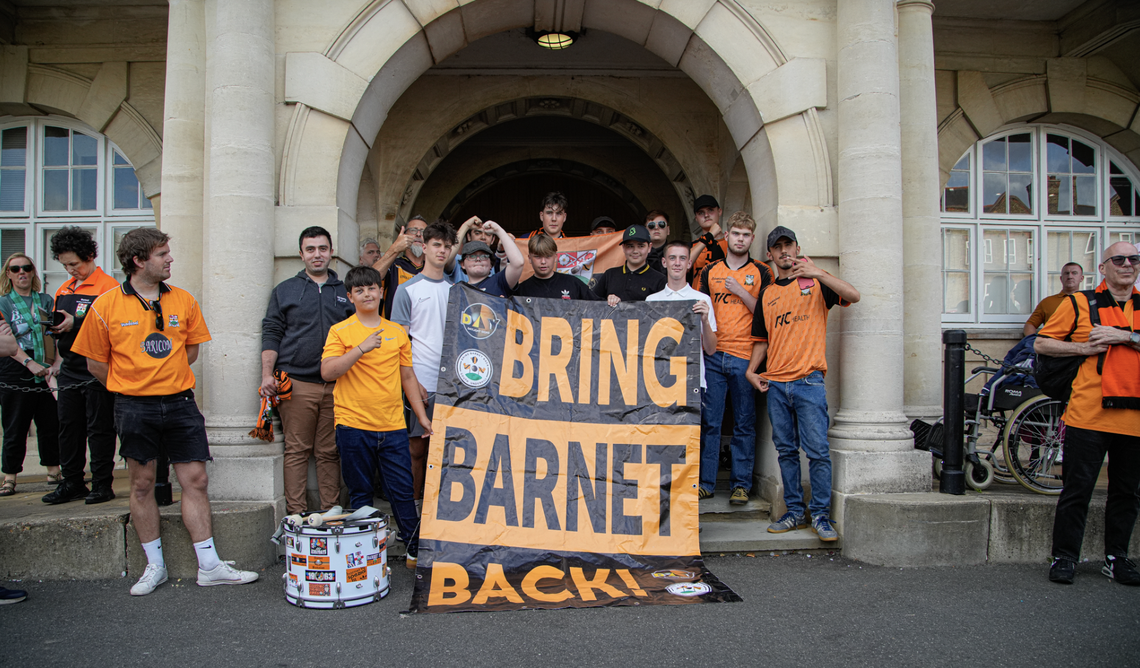
The application for a new stadium at Underhill was rejected by the strategic planning committee last July – see supporters above outside the town hall at Hendon – on the grounds that it failed to demonstrate “very special circumstances” for breaching the Green Belt.

Barnet FC’s planning consultants, WSP, and other consultants, advised that the club would have a “very good opportunity” to appeal on the grounds that the government was now encouraging certain developments within what was deemed “Grey Belt” land.

But the campaign feared an appeal might take 12 to 18 months, with no guarantee of success and even less likelihood of the council agreeing to lease a site on Barnet playing fields.

Conversations over the last few months have indicated that councillors believed the campaign had not been “sufficiently explicit” about why returning to the town was essential for the club.

At stake was the long-term sustainability of the club, given its reliance on continued financial support for the chairman.

The current stadium at the Hive is over an hour away from Barnet on public transport and over a quarter of the club’s local fans no longer attend, creating an annual deficit for Barnet FC of over £1 million.

“Without a permanent asset – a stadium – in its home town, the club’s long-term future remains structurally insecure.

“We now believe there is a shared understanding with all councillors we have spoken to that this is not a matter of sentiment, but of sustainability.”

However, the campaign recognised that the needs of the football club could not be considered in isolation and needed to be grounded in the “delivery of clear, substantial and demonstrable community benefit”.

Although the July application for a stadium had included proposals for a sports hub, medical facilities and wider economic benefits for the town, councillors were clear that a fresh application needed to be “more tightly and explicitly” linked to the need for additional community facilities and collaboratively designed to help deliver the council’s wider objectives.

Any revised plan would take into account issues like the number of school pupils with special education needs, how best to alleviate pressure on the adult social care budget, community-based medical provision and support for young people.

“Prior to these conversations Bring Back Barnet did not fully understand why the original application failed; these discussions have now provided clarity and are reshaping the approach going forward.

“Councillors stressed the importance of designing proposals with them rather than for them.

“The original application was perceived as presenting a largely complete scheme, with limited opportunity for councillors and officers to shape its form, priorities and trade-offs at an early stage.

“Finally, councillors highlighted the need for deeper consultation with key local groups prior to submission.

“In particular, the opposition from Northway School and Ark Pioneer Academy was seen as avoidable had those institutions been engaged meaningfully at an earlier stage.

“When a suitable location is identified and finalised by the planners, Bring Barnet Back will work with local groups to ensure the plans benefit as many as possible.”

Barnet Barnet Back campaign says it has short list of four to five locations for a new stadium for Barnet FC following club's decision to appeal over Underhill plan

Whereas the previously suggested Barnet playing fields site had scored strongly on technical planning grounds, it failed to meet the political test required for approval.

Therefore, any alternative site would have to command sufficient support from councillors to secure permission.

Until further enquiries, technical work and extensive private consultation, the campaign will not reveal the location of the four to five sites on its short list.

“Publishing a potential site prematurely, without full due diligence, would be irresponsible. It would risk exposing early-stage options to speculation, misinformation and unnecessary opposition.

“We fully understand – and share – the frustration this lack of public detail may cause. However, particularly in an election year, it is essential that any future proposals are robust, well-evidenced and carefully prepared.”

Bring Barnet Back statement in full: https://public.hey.com/p/76F1KjJccqW7Q9577B1aTzg3

Posted on 4 Comments

Wish list from Marks and Spencer targets High Barnet and New Barnet among sites across the borough as possible locations for a new food hall

High Barnet and New Barnet are two of ten districts within the London Borough of Barnet which are on a wish list of potential sites for a new Marks and Spencer food hall.

M&S plans to double its number of stores across the country and has named 197 possible locations within Greater London.

The ten within the Borough of Barnet are Brent Cross Town, Cricklewood, East Finchley, Edgware, Finchley, Golders Green, Hendon, High Barnet, Mill Hill East and New Barnet.

Currently an M&S food hall at Whetstone is closed while the premises are being upgraded to offer more products and to include a new bakery and coffee counter.

Until it re-opens in the spring, customers are being advised to use M&S food stores in Friern Barnet and Southgate.

In announcing its expansion programme, M&S has identified a wish list of 500 locations across the country and the company’s aim over the coming years is to almost double its existing 330 stores to 420 dedicated food shops and 180 mixed stores.

Within the M25 the company says it is targeting sites which benefit from strong public transport links and a steady footfall throughout the week and are capable of delivering an M&S food hall with a trading space of between 6,000 and 18,000 square feet.

Large sites are need so that the food halls can stock the full range of M&S food, offer wider aisles for bigger shopping trolleys, and large car parks for more family shoppers.

High Barnet and New Barnet are on a wish list for a site for a new Marks and Spencer food hall

Perhaps one of the few, if only sites, within the High Barnet town centre which might attract the interest of M&S would be premises within The Spires Shopping Centre or a site on surrounding land presently used for a staff car park and the Chipping Close car park (on the former Barnet Market site).

Plans to redevelop The Spires with shops along a through walkway, together with the construction of five and six storey blocks of flats, appear to have been in abeyance since administrators took control after the owners, BYM Capital, became insolvent in 2023.

An M&S local food store at 146 Barnet High Street – and a Sainsbury Local which replaced it – were both closed some years ago after becoming loss making.

Posted on 2 Comments

Plan for additional flat rejected as Barnet Council still hopes tenant might be found for vacant community space close to Barnet High Street

Barnet Council has intervened to see if a tenant can be found for vacant community space on the ground floor of a block of flats which were built in Salisbury Road after the demolition of the former Fern Room, once the home of Barnet Old People’s Welfare Committee.

After failing since 2021 to either sell or rent the community space, the developers applied for permission to convert the ground floor into a three-bedroom flat – an application that was rejected last year.

This refusal has now prompted the council’s intervention as the planners were not prepared to allow the loss of a possible community facility so close to the town centre.

The council says it wants to work with the developers to see if a tenant can be found for a broader range of openings including possible flexible work, retail or community use as part of the town centre improvement.

Community groups and local charities – together with Chipping Barnet Town Team – are being alerted to see if there is any organisation which might be able to make use of the space.

Given the financial pressures on the voluntary sector, it is perhaps no surprise that the developers have failed to find a new tenant – the ground floor space of 1,280 square feet is on the market for a guide sale price of £400,000 or an annual rent of £25,000.

A report presented to the council on behalf of the owners by real estate advisers Newsteer says that despite having been “extensively marketed” for four years there has been minimal interest in the space for community use.

Therefore a “logical beneficial re-use” would be to convert the space into a three-bedroom flat, but the council’s planning department disagreed.

After refusing plan for additional flat Barnet Council intervenes to see if a tenant can be found for vavant community space close to Barnet High Street

Barnet Old People’s Welfare Committee – which provided activities for Barnet’s elderly residents for 75 years – had to vacate the Fern Room in 2017 when it was purchased by SAS Investments to make way for the new of flats.

Eviction from its day centre meant the loss of a wide range of activities including coffee mornings, a social advice centre, and the running of evergreen clubs and minibus outings.

After paying £875 a quarter to rent the Fern Room, the committee realised it would be unable to afford the new community space which SAS Investments said would be increased in size to 1,600 square feet and offered for hire to a much wider range of uses including sports activities such as 5-a-side football.

In the event the new community space was reduced to 1,280 square feet – the same as the Fern Room – and the planning committee noted that it remains an empty shell although the 2019 planning approval stated it would be “fully fitted out and ready for use.”

Failure to fit out the space had made the rent “potentially prohibitive” for some prospective community use and the planners considered the developers had presented insufficient evidence that the facility was no longer required.

The proposed new ground-floor flat would have no private amenity space and high-level windows to the bedrooms would provide inadequate daylight and a poor outlook, resulting in a poor standard of accommodation.

“Consequently, the proposal would provide only a single additional residential unit and whilst in a sustainable location, would not outweigh the harm resulting from the total loss of a community facility without adequate justification.”

When first applying to demolish the Fern Room, SAS Investments said it was a “very dilapidated, inefficient building” but respected the longstanding community use of the Salisbury Road site and were anxious to work with local community groups by providing a new and much larger community space.

The loss of the Fern Room is an illustration of the on-off, piecemeal development of Barnet town centre.

The site was sold by Barnet Council to the developers of The Spires shopping centre in 2009 and passed on through the ownership of UBS, the William Pears group and Hunter Asset Management before being sold to SAS Investments for redevelopment in 2017.   

Posted on 4 Comments

Hadley Green residents line up in opposition to housing development in their conservation area

Fine period houses in their own sizeable grounds and gardens are a feature of the tree lined roads and footpaths around Hadley Green – all adding to the character of the Monken Hadley Conservation Area.

That settled harmony of the locality with its clusters of mature trees is about to challenged by a contentious proposal to seek planning permission to build a large new architect designed house with its own swimming pool.

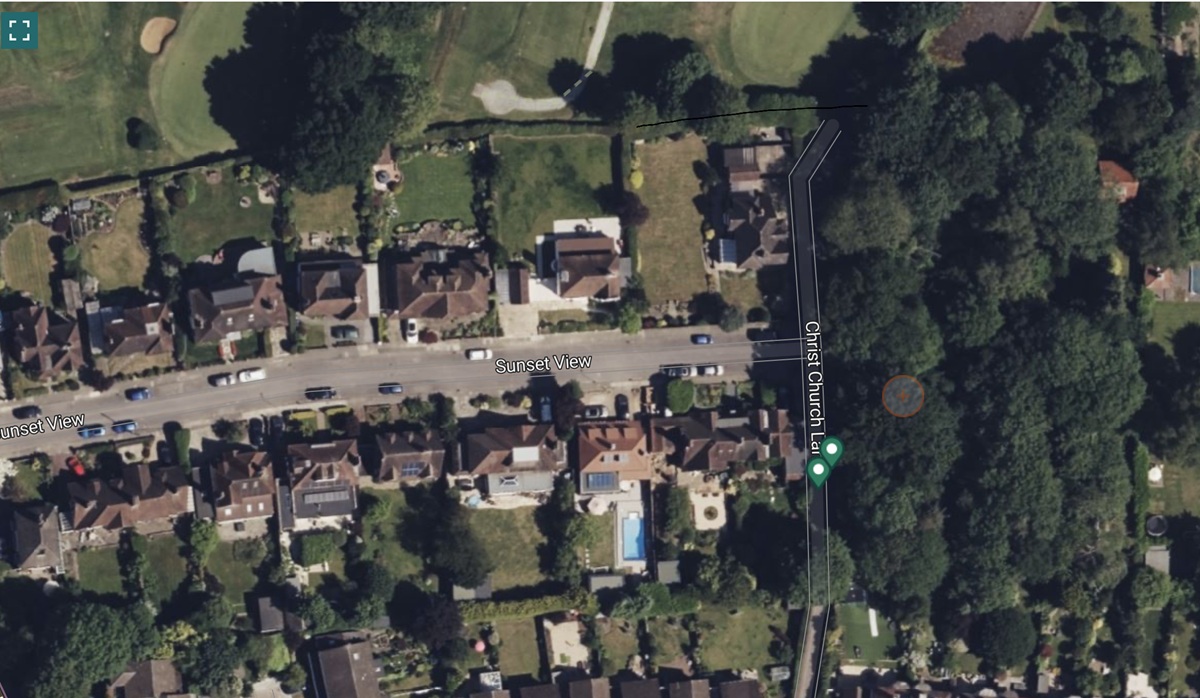
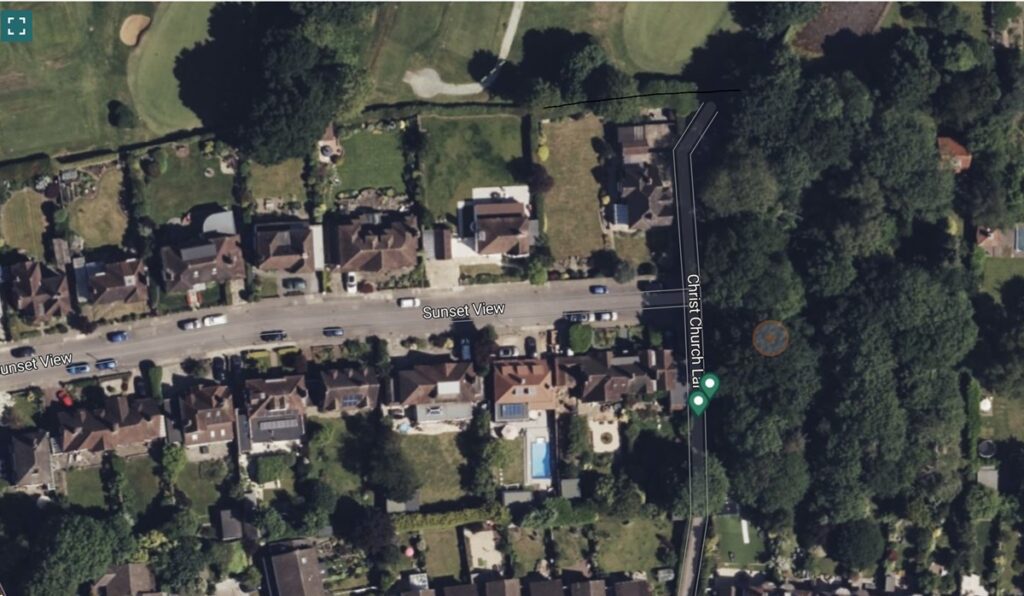
A wooded plot on the western edge of Hadley Green – alongside Christ Church Lane at the junction with Sunset View – is the proposed site for what would be a new five-bedroom double fronted property to be built in the Arts and Crafts style.

Nearby residents say the vast majority of those living in adjoining roads are firmly opposed to new housing on the one-acre plot because it would threaten protected trees and disrupt a local wildlife corridor.

They fear they are faced with a speculative proposal aimed at getting planning consent to build inside the conservation area.

Mounting opposition within the neighbourhood was all too apparent after the developers Christchurchgrove Ltd held a public consultation to unveil their plans – opposition to which was led by residents in Gladsmuir Road, Hadley Gove and Christ Church Lane.

Stuart Lees of Alan Cox Architects told Jenny Remfry, a nearby resident and Barnet Society vice president, that steps would be taken to safeguard mature trees on the site, most of which are already covered by tree protection orders, and there would be other measures to enhance the biodiversity of the woodland.

In fact, the new house would be surrounded by trees and as a result would be hardly visible, which had been one of the aims in the design.

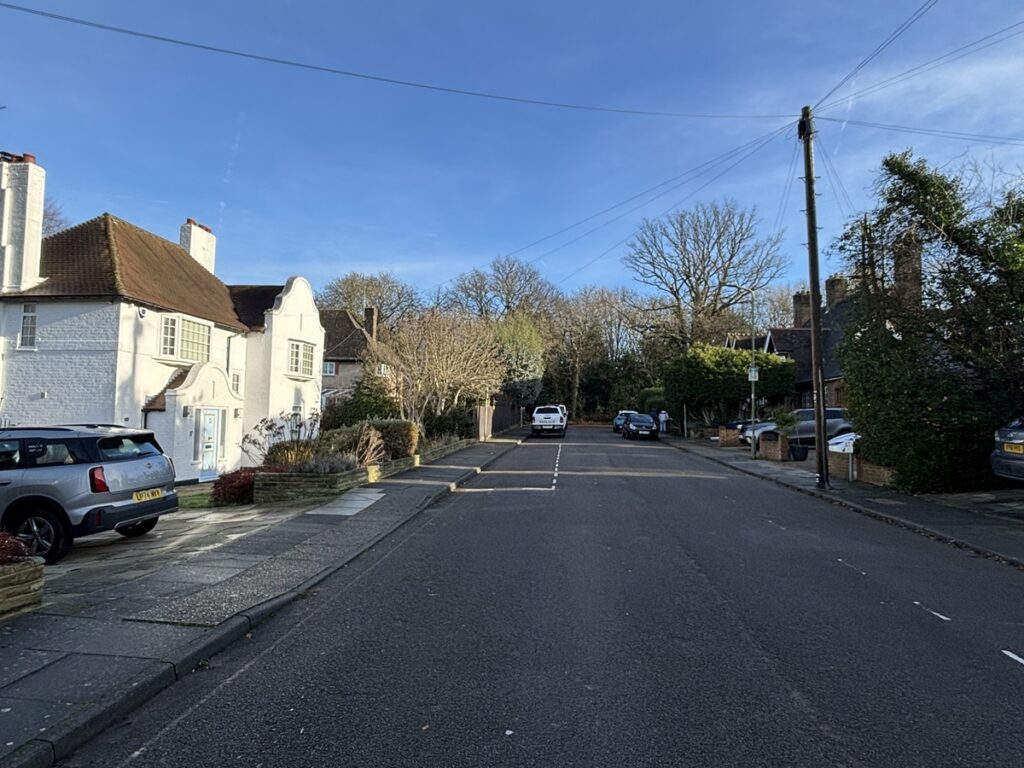
But Dr Remfry asked why have such restricted views of the new property when much was being made of the fact that it was in the Arts and Crafts style in a design which reflected the Arts and Crafts houses in Sunset View – see above.

“What makes this area so appealing is that people admire the magnificent period houses and villas in and around Hadley Green. They like looking at them.

“If the developers are going to all the trouble of designing an Arts and Crafts style new house surely it should be more visible?”

Controversial application to build a large house in Hadley Green woodland in Monken Hadley conservation area.

Mr Lees accepted that the new house would be larger than other nearby houses, but it matched the scale of the plot and was in character with the historic pattern of residential development in sizable plots with cultivated gardens.

Most of the objections revolve around the loss of natural habitat if the woodland becomes the site of a new house.

Stuart Robinson, planning adviser for the project, acknowledged that there might have been a case for building more than one house but trees on 70 per cent of the site were safeguarded by protection orders.

However, the site had “relatively low ecological value” at present largely due to the prevalence of invasive non-native plants and general neglect.

If the site was properly managed, it would contribute more to the biodiversity of the area, and the developers would be legally bound for 30 years to ensure there was a net biodiversity gain.
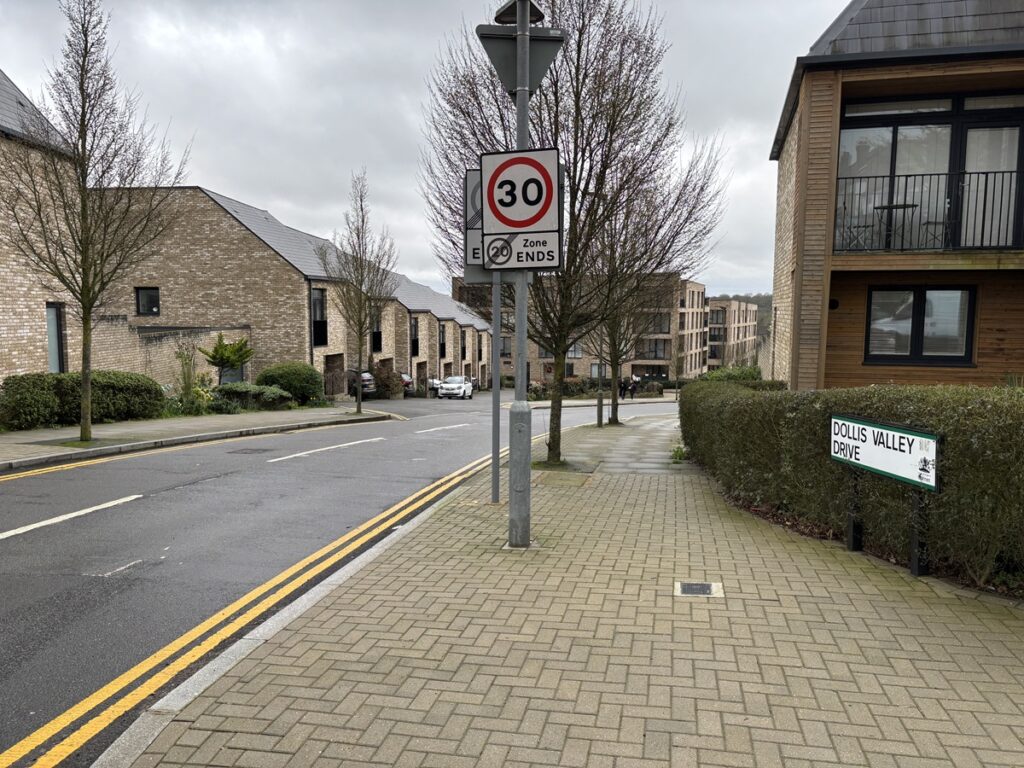
Similarly, in order to reassure local residents that they were not planning to build more houses on the land, there would be a covenant on the planning application to restrict the site to one house.

Project manager Andrew Robinson said that the purpose of the public presentation was to answer rumours about their intentions and to reassure residents that the application was restricted to one house and that with enhancement they were proposing there would be a biodiversity gain for the next 30 years.

Nonetheless nearby residents told the Barnet Society they remained sceptical about the likelihood of the proposed house ever being built.

They were also concerned about the ownership of the land which is currently in the joint ownership of Barnet Recreational Trust and Barnet Council.

Christchurchgrove Ltd has a purchase agreement with the council, conditional upon obtaining planning permission.

An application for planning approval is due to be presented to the council early next year.      

Posted on 20 Comments

High Barnet Place planning application refused by 8 votes to 1!

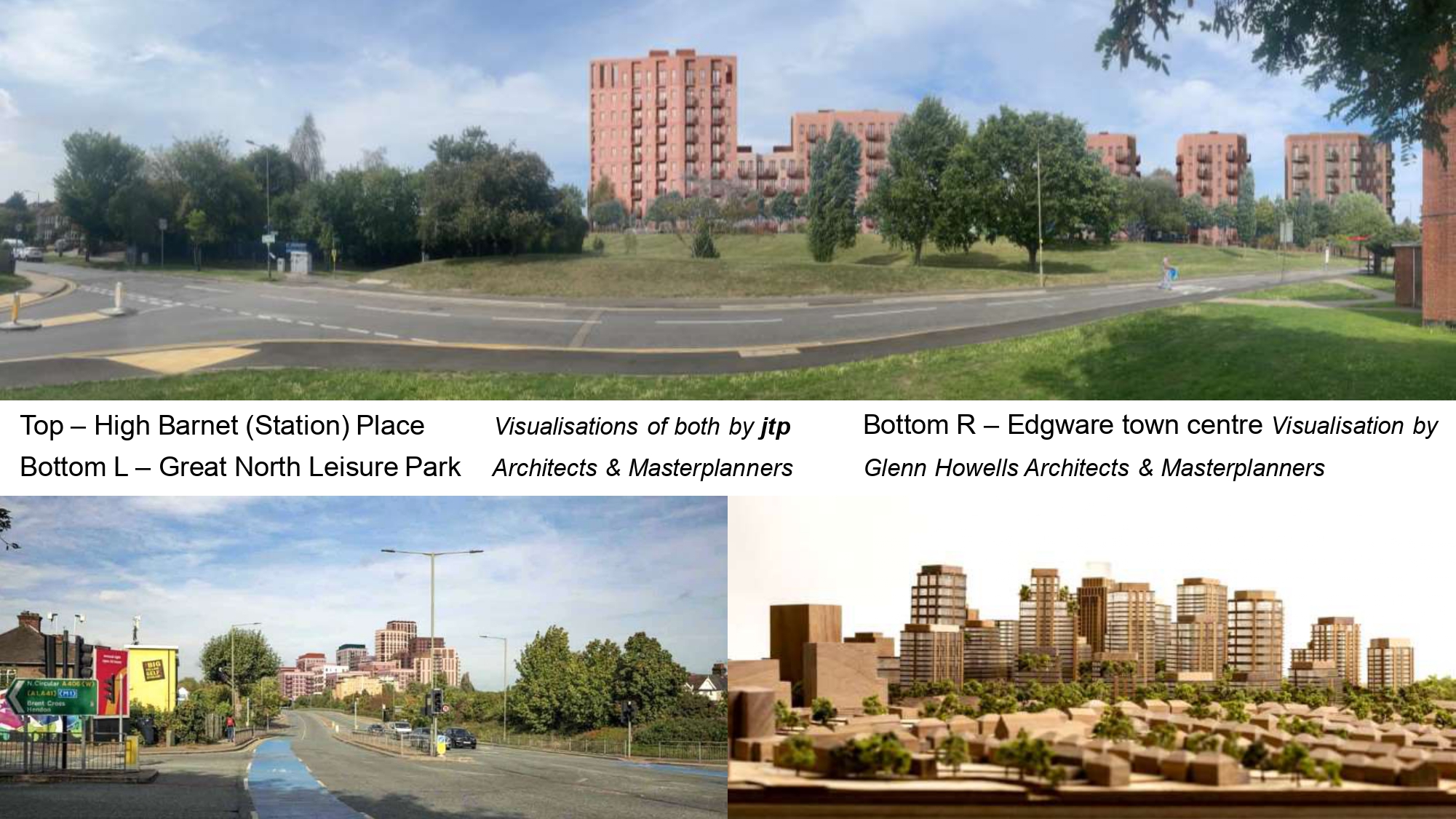
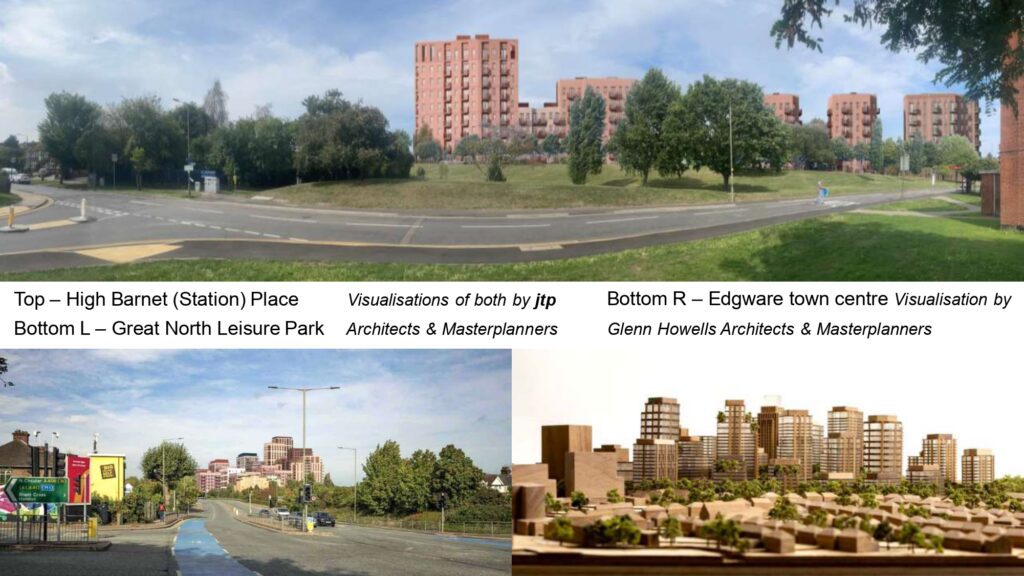
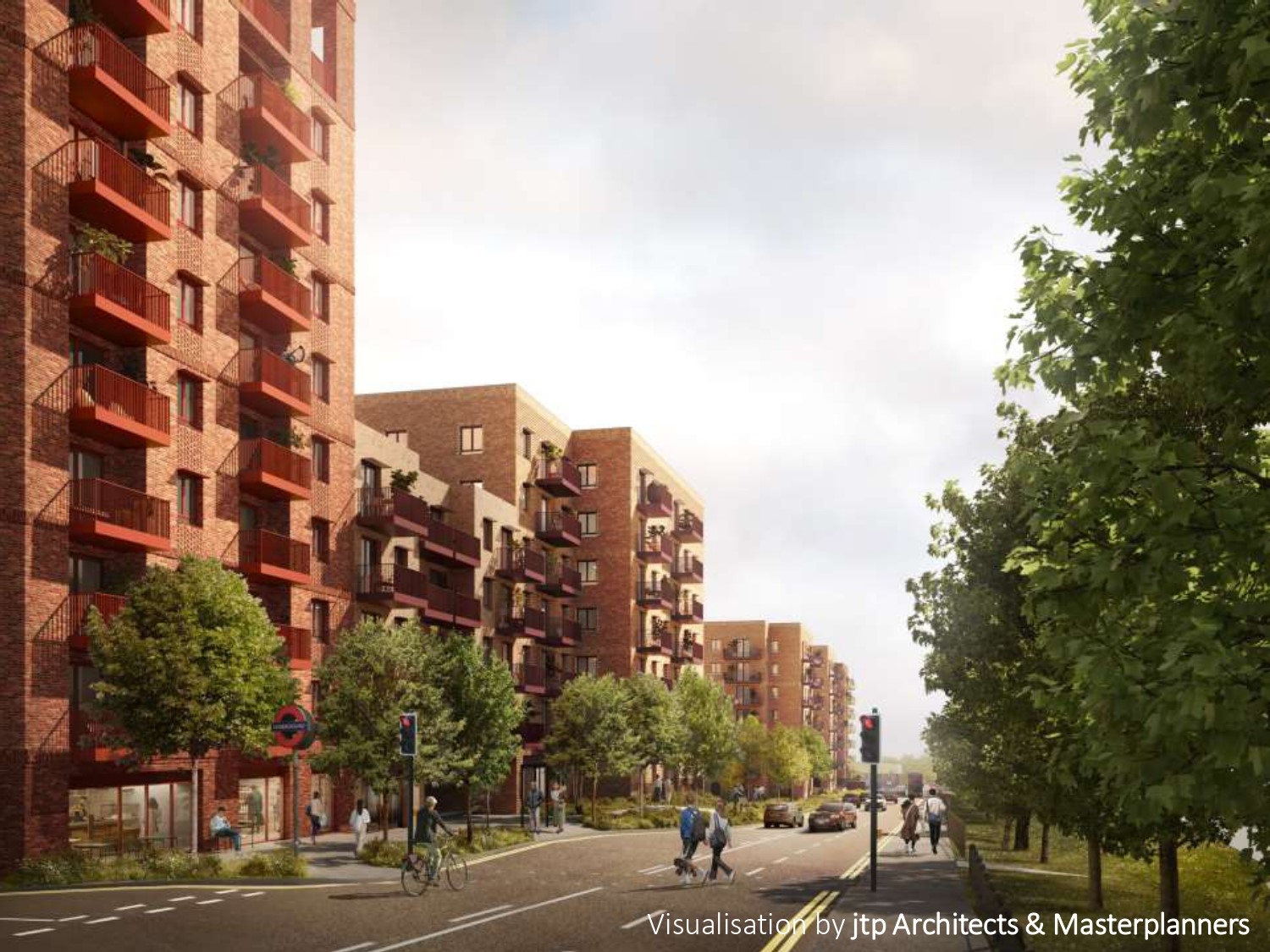
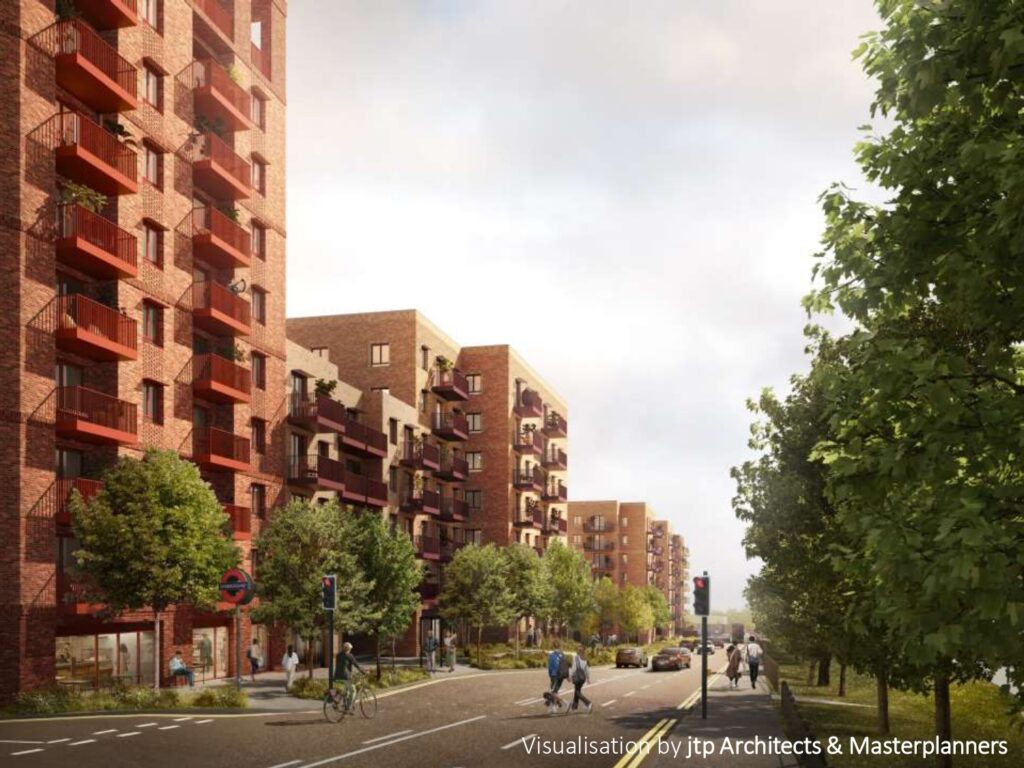
After a nearly three-hour Strategic Planning Committee meeting this evening, Barratt London’s planning application for 283 flats on High Barnet Station car park was refused on grounds of excessive height and harm to local context (see jtp Architects & Masterplanners visualisation above). It’s a magnificent vindication for the 802 Barnet residents who objected to it.

The decision follows last Thursdays’ rejection of a much larger proposal for 1,485 homes plus replacement leisure, sports and other facilities on the site of the former Great North Leisure Park off the A1000 by the North Circular in Finchley. It’s encouraging that the Council is willing to treat cases on their merits instead of simply shooing through every housing project.

The Barnet Society role

The Society had submitted a 64-page critique of the application plus a further 8 pages of comments on recent Barratt amendments. In his report, the Planning Officer summarized our comments in just 10 lines, a feat of compression worthy of a planning award. But that didn’t matter as we had circulated our full comments to all Councillors on the Committee, as well as to the Councillors of Barnet Vale, High Barnet & Underhill wards.

We’d collaborated closely with Barnet Residents Association (BRA) whose submission was broadly aligned with ours; and members of both organisations were kept informed at all stages. Of the 802 individual comments posted on the planning portal, it was notable how many were well argued, detailed and by no means standardized letters – unlike many of those supporting the application.

The meeting

At the meeting the Planning Officer summarized his 100-page report and recommended approval of the application.

Three ward Councillors then addressed the meeting in person (in addition to the nine Councillors on the Committee itself): Cllrs Sue Baker, David Longstaff & Mark Shooter. Though from three different parties, all passionately opposed the application, which may have made an impression on the members of the Committee.

A dozen objectors had asked to speak but Committee rules only allowed one. By prior agreement between them Simon Kaufman, a local architect and Society member, spoke against the scheme, supported when it came to questions from Councillors by Gordon Massey of BRA and Nick Saul of BRA & the Society.

Simon began by circulating some of Barratt’s misleading visualisations, pointing out that the height of several blocks exceeded the limits in Barnet’s Local Plan. He disputed that the design was ‘exceptional’ as Barratt claimed. No Conservation Officer’s view had been obtained on the impact of the design; it would be visually dominant, out of character and harm the settings of St John the Baptist’s Church and High Barnet Station. He deplored the quality of the housing and public realm; the result would not be an inclusive, sustainable community. He noted numerous concerns about personal safety and vehicle congestion. Public consultation had been performative, not collaborative. The scheme offered no tangible community benefits, repeated mistakes of the 1970s and Barnet would inherit the long-term costs.

One young woman, a student of Barnet & Southgate College, spoke in support of the application – but when asked by a Councillor if she would like to live in the development, admitted that she didn’t live in Barnet and probably wouldn’t.

Barratt were represented by project director Martin Scholar and a colleague. They emphasized their experience of delivering similar housing developments and denied that financial viability was their only criterion.

Committee Chair Cllr Nigel Young probed Barratt’s justification for breaching the 7-storey height limit for the site in Barnet’s Local Plan. When they replied that the station would benefit from a tall landmark, he quoted from the Plan’s Examining Inspectors who had identified High Barnet’s skyline as a defining feature of the locality and asked whether they had given that due consideration. Barratt’s representatives didn’t have a satisfactory answer.

Committee members then debated the proposal between themselves, but when put to the vote the outcome was surprisingly decisive.

What will happen next?

The application, being one of strategic importance to London, must be referred to the Mayor of London, who may call it in or refuse it.

Barratt has the right to appeal to the Planning Inspectorate against the Council’s refusal, but that would entail months of delay with no guarantee of success.

A simpler solution would be for Barratt to slice the tops off blocks over 7 storeys and modify the design to look more in keeping with the existing neighbourhood. That would probably mean offering less than the 40% of affordable housing in the rejected scheme. However, if they could significantly improve interchange and accessibility between all forms of transport around the station – and even provide some car parking – they might surprise themselves by the amount of public support a new scheme could attract.

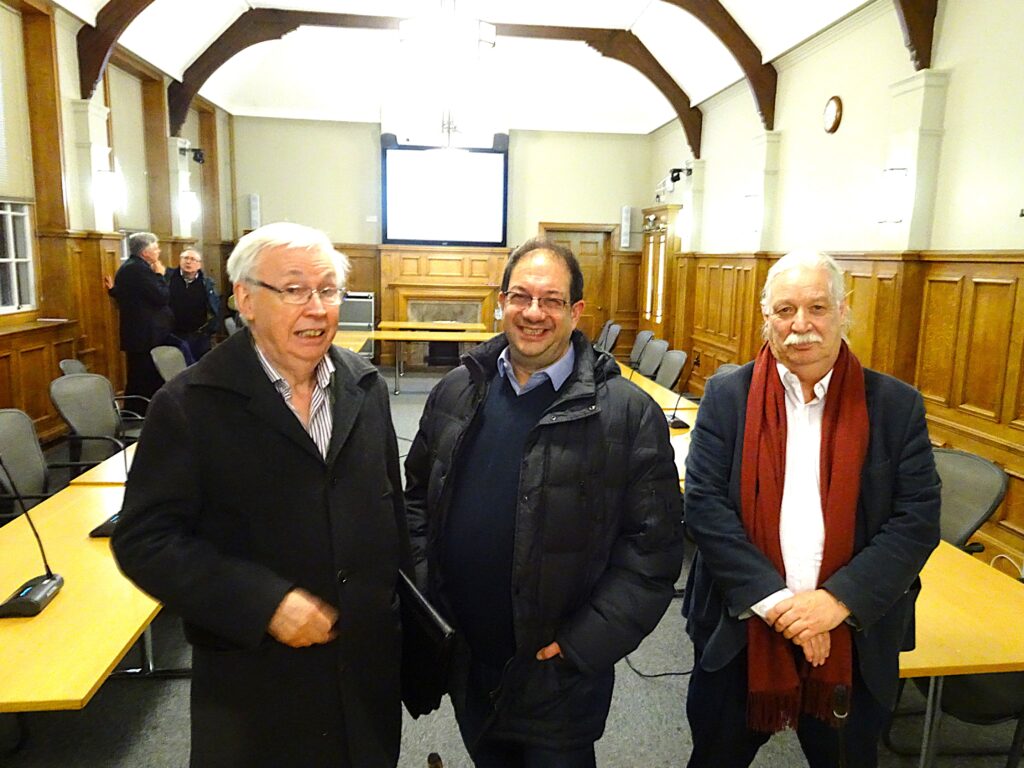
Below (L to R): Gordon Massey (BRA), Simon Kaufman & Nick Saul display three shades of happiness at the scene of their victory.

Posted on 11 Comments

Public consultation on proposed new house in Christchurch Lane spinney

Local developer Christchurch Grove Ltd expects to submit a planning application soon to build a house within existing woodland on the east side of Christchurch Lane (see plan above by Helene Landscape and Garden Design). It raises an increasingly urgent question in Barnet: how much, if any, green space should be sacrificed for new homes?

I wrote about this peaceful haven of wildlife less than 200 metres from Barnet High Street in a recent web post. Situated within the Monken Hadley Conservation Area, with numerous trees protected by Tree Protection Orders, it forms a ‘green corridor’ between two major pieces of Green Belt land, Old Fold Manor golf course and Hadley Green. Its value for biodiversity is greater than its small size (0.438 hectare / 1 acre) would suggest. https://www.savechippingbarnetwoodland.org/ is petitioning to save it from development.

The Barnet Society got involved 18 months ago when the Council decided to sell its portion of the land for £430,000, subject to the buyer obtaining planning consent. Since the part of the site where development is proposed has the least ecological value, a case could be made for building a single house.

Our concerns were twofold. The quality of the wood had to be conserved and enhanced wherever possible. And any house and garden must be in keeping with their natural setting and built to high environmental standards.

The initial plans fell short on all counts. To the developer’s credit, the scheme has now been revised. Whether it meets our original concerns we’ll find out at a public consultation on Friday 12 December from 4.30pm till 7:00pm at Pennefather Hall (next door to Christ Church), St Albans Rd, Barnet, EN5 4AL.

The developer’s team of planning, architectural, ecology and Biodiversity Net Gain (BNG) consultants will be on hand to advise on their proposals. They are also offering to place a covenant on the site to the Barnet Planners to restrict planning permission to one residential property only, to allay concerns about any future or further development of the land.  

They trust that this transparency will dispel many negative comments, especially on the ecology and BNG improvements to the site. 

There is limited parking available on site, which is only a 5-minute walk from The Spires and alternative parking. 

Below is a visualisation of the proposed house by Alan Cox Architects.

Response from Andrew Robinson, Project Manager, Christchurch Grove Ltd.

As the person responsible for bringing forward the plans for a new home on this neglected pocket of land in Hadley Green, I am obliged to the Barnet Society, for giving me the opportunity to correct a number of errors in the recent article and the basis for the petition which has recently been organised.

Robin’s article queries that the site in Christ Church Lane, which he describes as a “haven of wildlife” has not been included in the London’s wildlife plan [Nature Recovery Plan]. The answer is simple. Whilst the site is home to a number of fine tress (all of which are protected) it has a low level of biodiversity. We know this because we have had it surveyed by an expert ecologist.

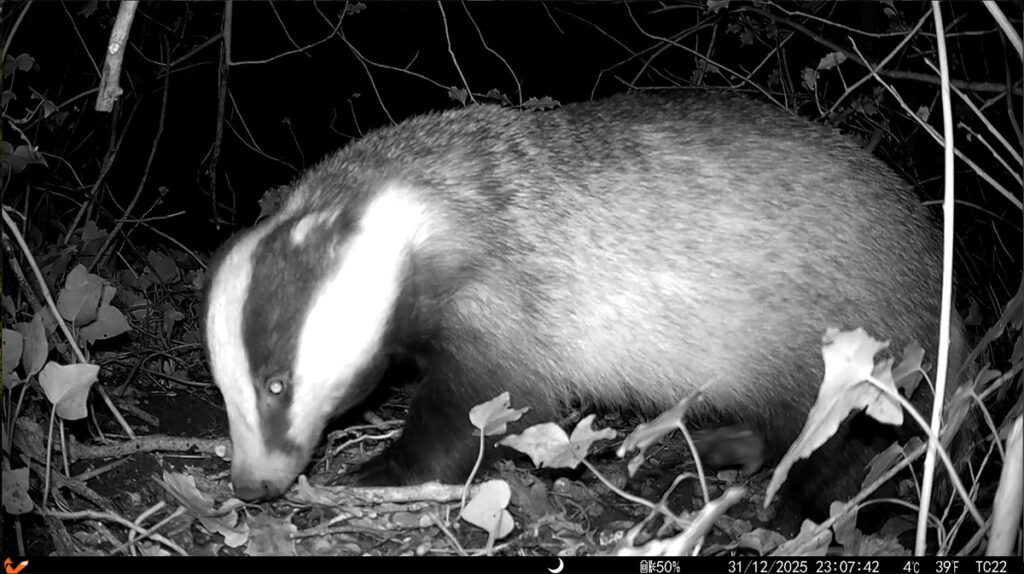
This survey has shown that there are absolutely [no] mammals living here. No badgers, foxes, bats, deer or hedgehogs as the promoter of the recent petition would have you believe or, in fact, any protected species.

Nature needs nurturing. Unfortunately, this site been left unkempt for over 60 years! Whilst many of us see an abundance of greenery as a good thing, here the result of our survey has shown that due to neglect the area has become overrun by invasive species which are undermining the quality of the soil and preventing daylight to the understorey, thereby killing of what remains of the indigenous habitat.

We all know that wildlife needs help to flourish in urban environments. That is why the scheme that we will bring forward will guarantee a habitat management scheme supervised by experts. This will cover 70% of the site with the remainder forming the garden for the new home.

Gardens themselves are good for nature of course. The RHS research has shown that levels of biodiversity are just as high in cultivated gardens and that is why Hadley Green generally benefits from having so many. Even with a new home here built within the site, we will provide a 10% increase in biodiversity!

Indeed, according to the Council’s Conservation Area Appraisal a quarter of Monken Hadley is in residential use, typically large houses, in substantial plots with cultivated gardens. So I question why would any supporter of the Barnet Society want to oppose a plan for scheme which so typifies the area.

Why would anyone support the continuation of neglect of an area where the habitat and protected trees are being slowly eroded by invasive species?

I would also like to point out that the beneficiaries of this proposal will be Barnet residents. That is because the two landowners promoting it are, the Council and the Barnet Recreational Trust. The latter is a local charity which in the last five years has financially supported almost twenty different local organisations including the Parish of Monken Hadley where it has recently donated £110,000 toward the re-building of the Church Hall. The proceeds flowing from this project would similarly be invested.

Finally, I would like to thank all those who attended our public consultation last week. I was grateful to be able to have the opportunity of providing the evidence behind the claims we have made in relation to the project. If anyone who was not able to attend would like to see the material, please do not hesitate to let me know.

Footnote I would also like to put the record straight as regards that my option deal is with Barnet Estates and not with Barnet Homes.

Posted on 1 Comment

Sad loss of an imposing Victorian villa built when New Barnet was developed after the opening of its main line railway station

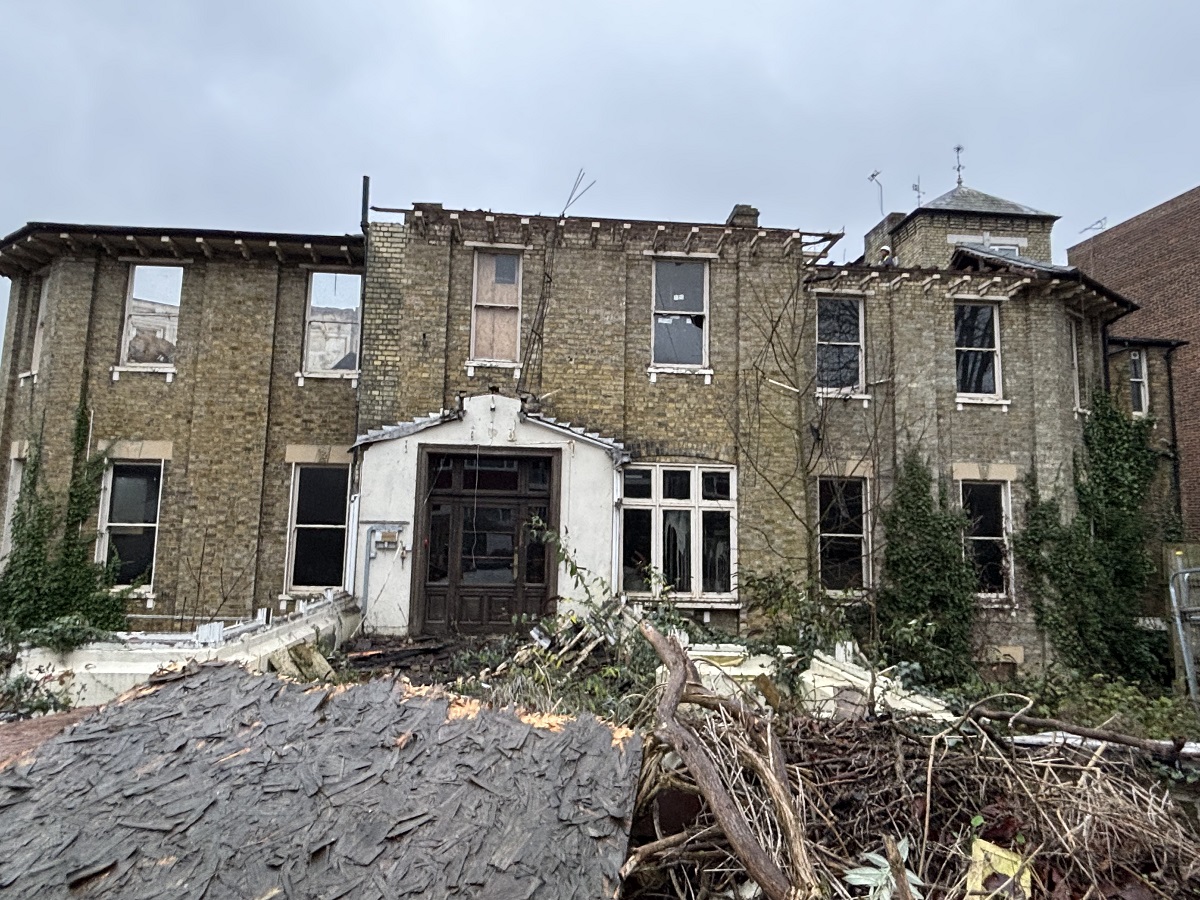
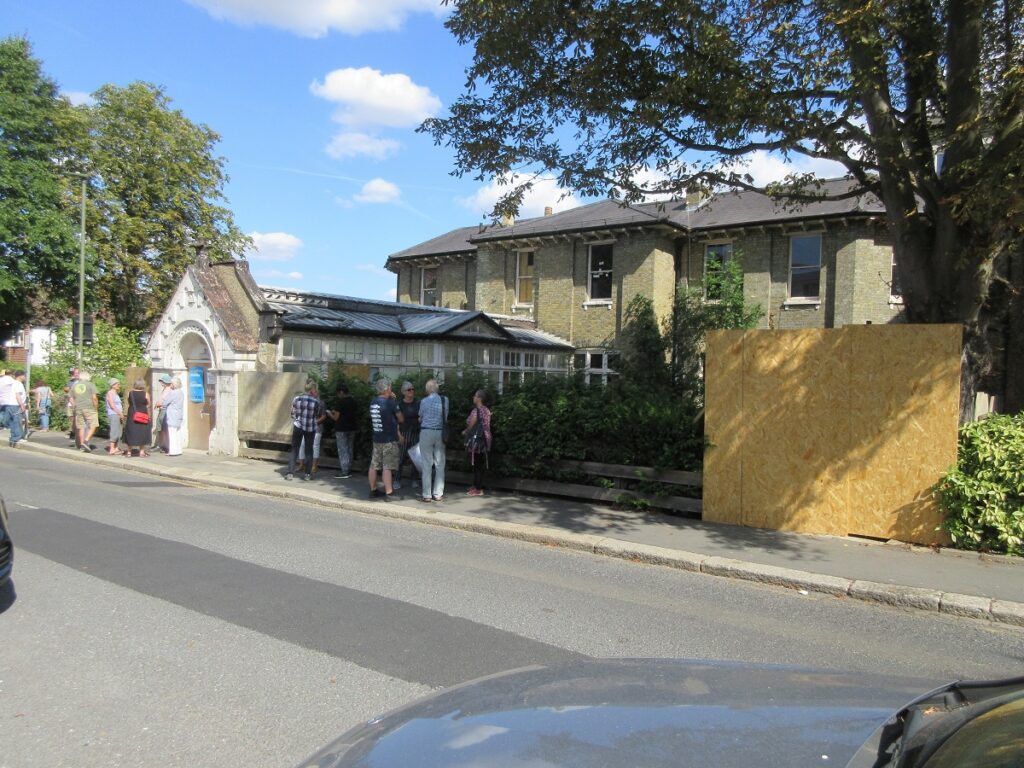
One of New Barnet’s last remaining large Victorian villas – 33 Lyonsdown Road – is being demolished much to the disappointment of community and heritage groups who fear it will be replaced by blocks of flats.

There is no certainty about future development of this prime site as two planning applications by the owners Abbeytown Ltd have been rejected by Barnet Council.

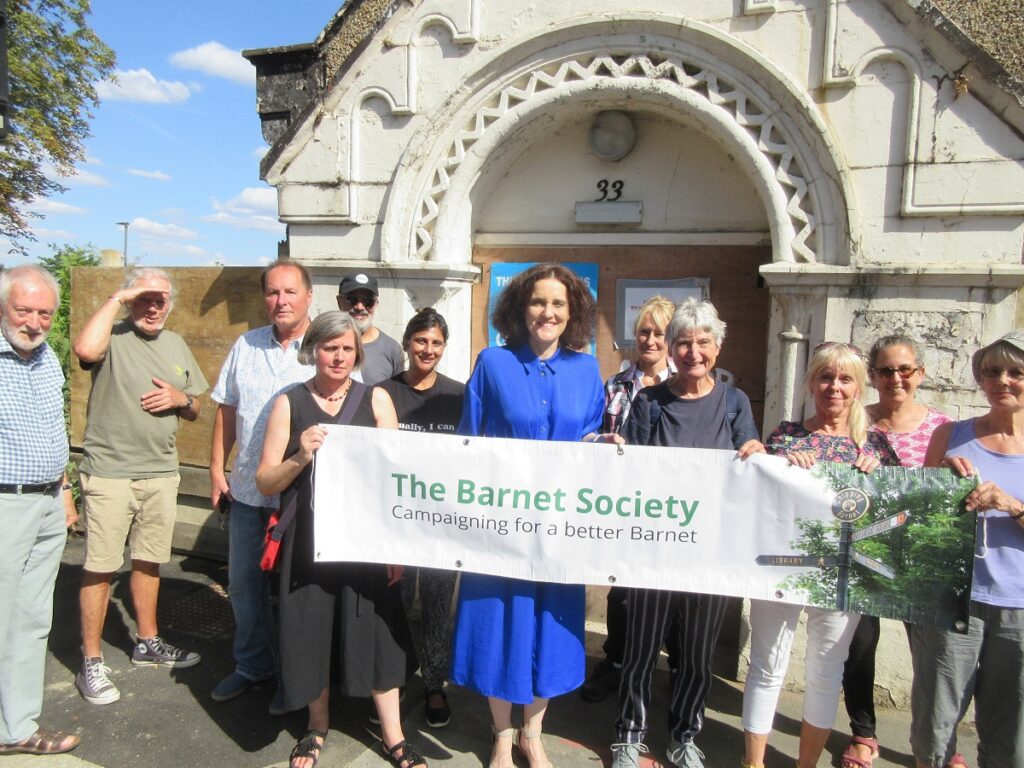
A spirited campaign was launched in 2017 to try to secure the restoration of what was considered one of the last and best examples of the imposing private villas and terraced houses which were constructed after the opening of New Barnet station in 1850.

After failing to secure approval for a five-storey block of flats – and losing two planning appeals – Abbeytown was granted permission in 2022 to demolish 33 Lyonsdown under permitted development rights.

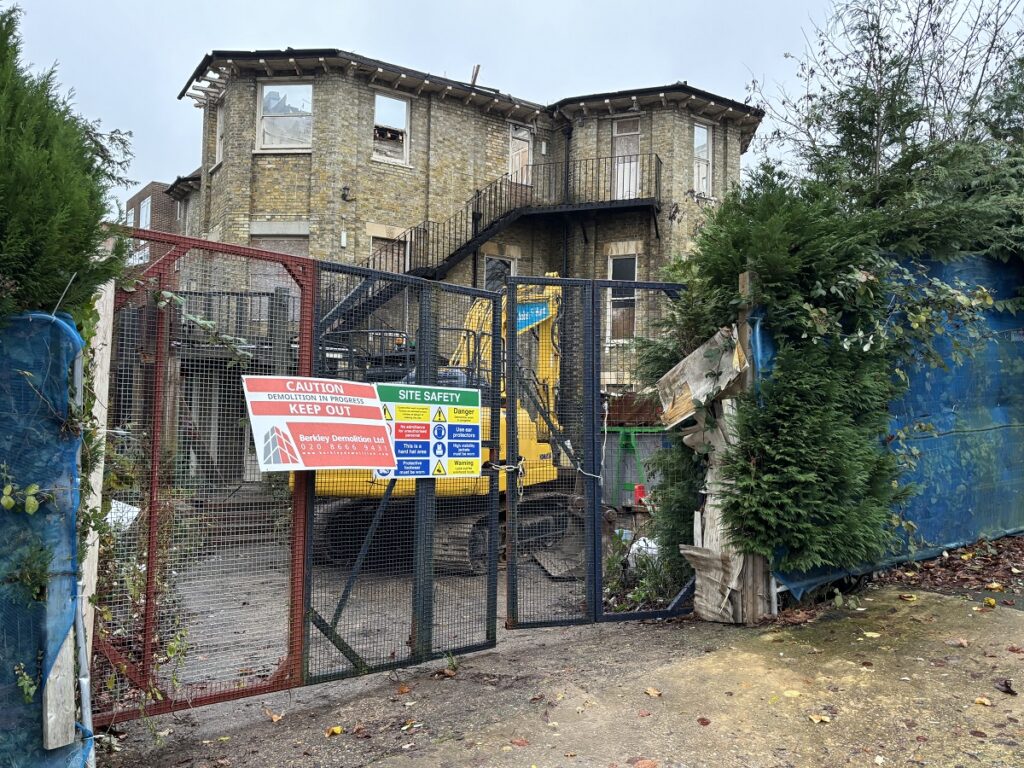
Demolition contractors have finally moved heavy equipment onto the site, and the roof of the building was off within a matter of days.

In his monthly newsletter the Chipping Barnet MP Dan Tomlinson said that residents had raised concerns about the state of the property at a consultation event in Barnet Vale. He said he was “pleased to report that demolition work started this week”.

Robin Bishop, who leads for the Barnet Society on planning and the environment, was appalled by the sad loss of one of the few surviving buildings from the first Victorian settlement at New Barnet.

“Despite being on Barnet’s heritage list, a quirk in the planning law has allowed the owner, Abbeytown, to demolish it without reference to the planning committee.

“For five years the local community, together with the society, fought off earlier plans to replace 33 Lyonsdown with characterless blocks of flats.

“We raised substantial funds for top level legal advice and even designed a more acceptable scheme to retain and extend the villa, all without success.

“A new planning application is doubtless already in the pipeline.”

33 Lyonsdown had a chequered history variously having been a private home, an outpost of London’s Foundling Hospital, a women’s refuge and a base for missionary priests.

In her time as the Chipping Barnet MP, Dame Theresa Villiers, intervened to prevent the demolition, writing to the development company Abbeytown at the offices of estate agents Martyn Gerrard.

She supported the society’s campaign arguing that it was “sad to see such a beautifully designed villa, which was such a feature of New Barnet”, being threatened with demolition.

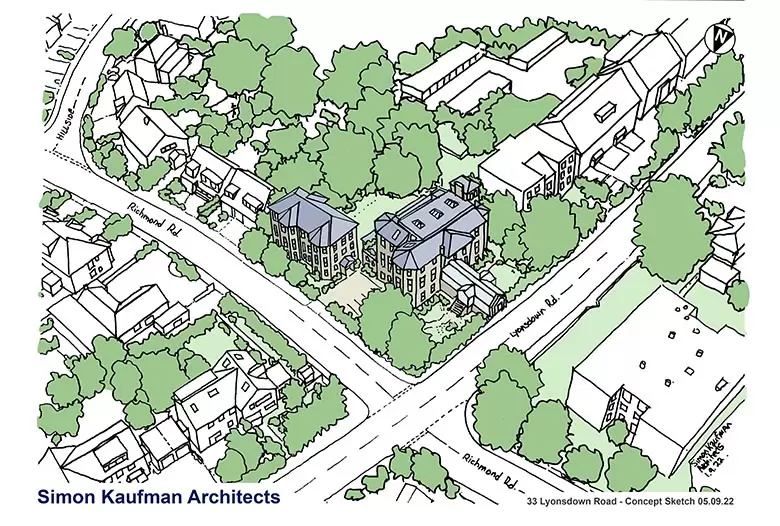
Simon Kaufman Architects prepared a full feasibility study and visibility assessment to demonstrate a more conservation-led approach to retain a building that had become a heritage landmark.

Under the proposal, the existing building would have been converted into apartments, retaining its original richly detailed stone porch, panelled entrance hall and other original feature.

This would have delivered a comparable floor area and improved sales values when set against total redevelopment.

Alongside the restoration, there was a proposal for a modest new-build block within the grounds which would have mirrored key proportions and materials while maintaining distance from neighbouring properties.

Simon Kaufman insisted this alternative vision was supported with site plans, financial appraisals, and heritage justification, and those opposing demolition had been anxious to engage with the owner to promote a design-led conservation strategy that would have protected the unnecessary loss of an important local building.      

Posted on

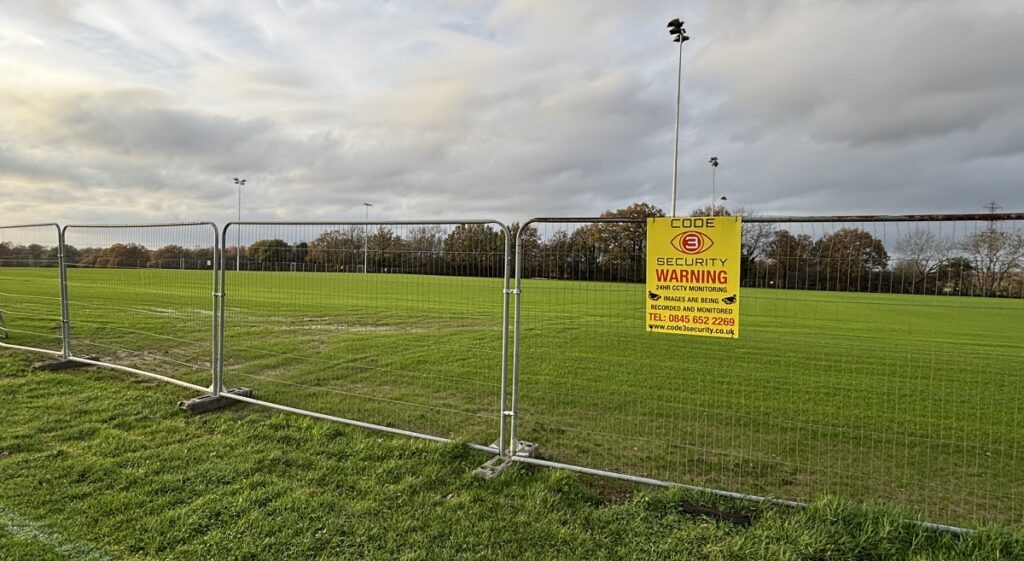
Two re-laid pitches and installation of new floodlights are the start of extensive improvements at Barnet’s Byng Road playing fields

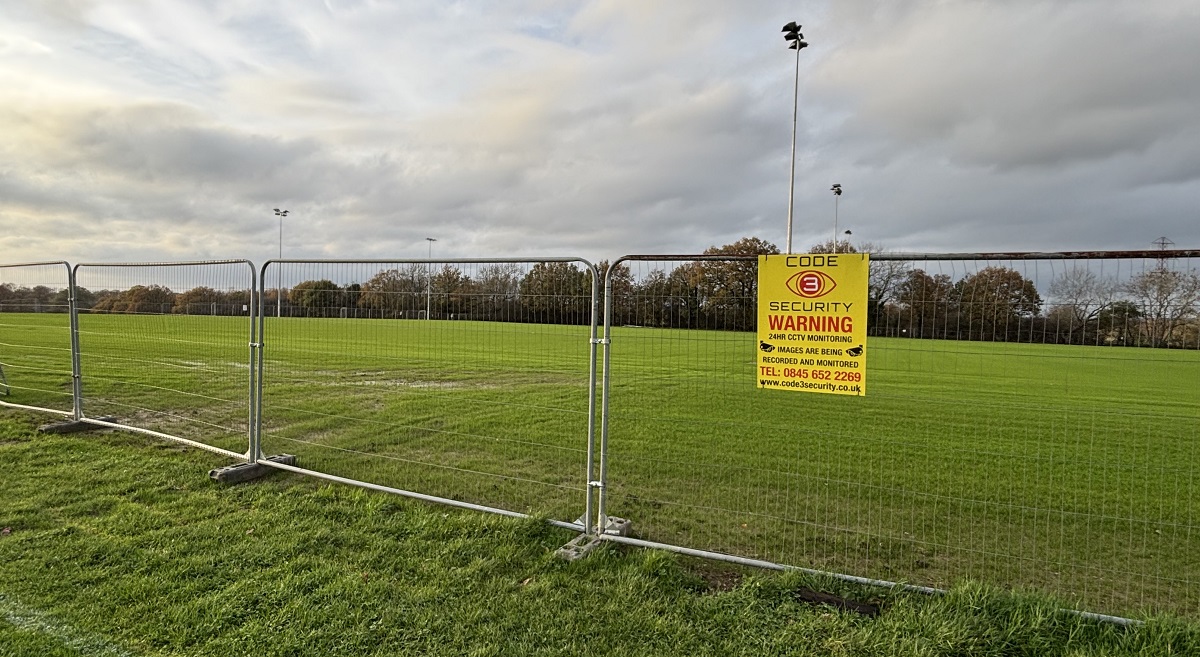
Barnet Council has contributed to the upgrading of the rugby pitches at the Byng Road playing fields by paying for the installation of six new floodlights.

Two of the pitches were re-laid during the summer and will remain fenced off until the start of the new playing season next autumn to give the grass ample growing time to bed in.
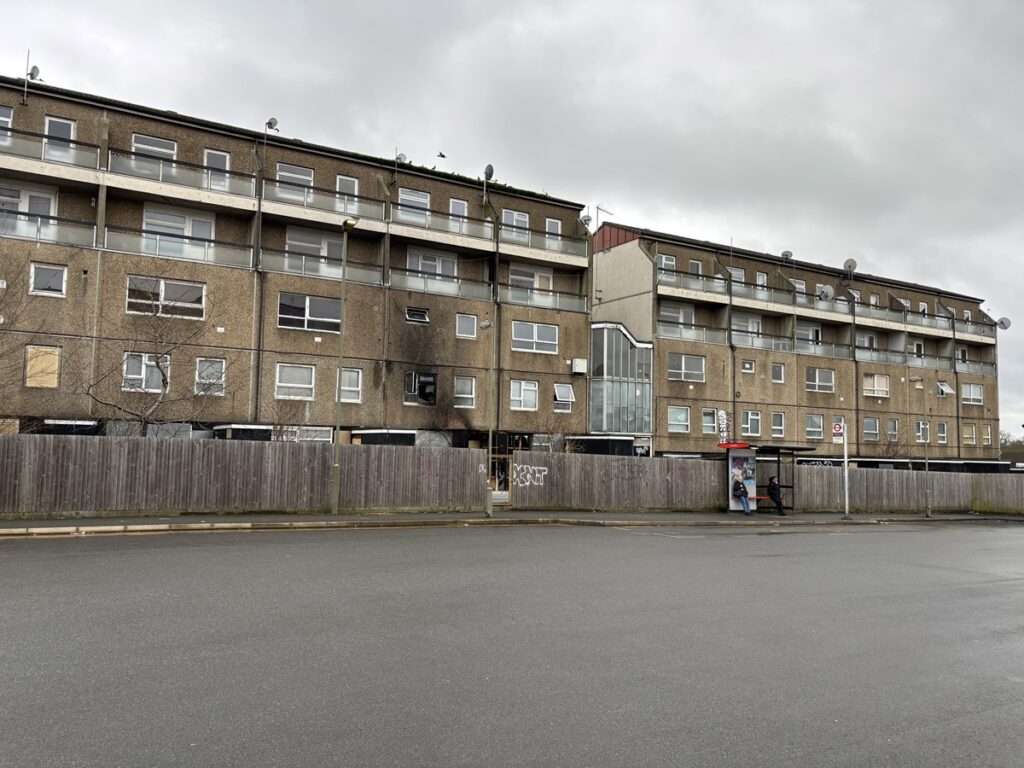
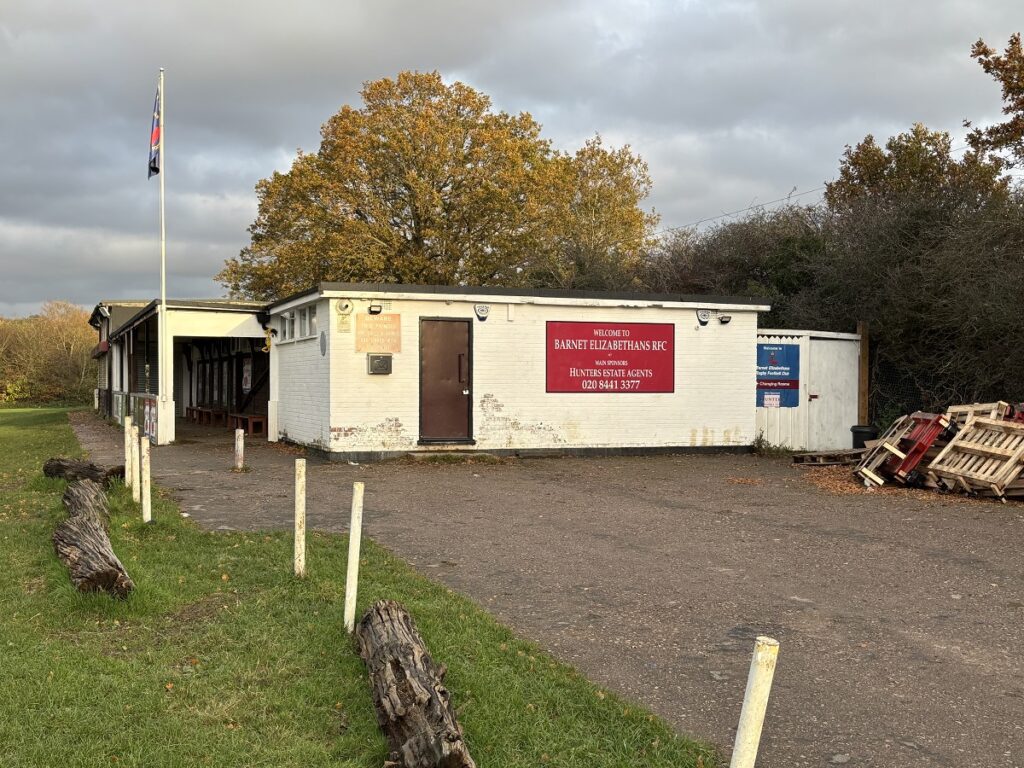
Barnet Elizabethans Rugby Club, which has planning approval for an extensive programme of improvements at Byng Road, is delighted with the council’s investment in new floodlighting which it says will do so much to extend the opportunities for playing and training.

Funding for the floodlighting was provided through the council’s income from the community infrastructure levy which is paid by developers.

Relaying the first two pitches was a costly exercise for the club because of the sloping ground at Byng Road and a poorly drained surface liable to get waterlogged.

During the worst of the winter months the pitches have often been unplayable for up to eight weeks.

If the two newly laid pitches are ready for use next autumn, the club will engage contractors to relay and resurface the playing area nearest the clubhouse.

Alex Bell, chair of the group responsible for ground improvements, said a target date had not yet been set for the demolition of the Elizabethans’ clubhouse, which dates back to the late 1950s, and which is in urgent need of replacement.  

Planning approval for a new clubhouse was obtained two years ago.

“Our aim is to start work on the clubhouse in the next couple of years once we have dealt with and met all the conditions which go with the planning agreement.”

After these conditions were finally agreed between the council and the club, there was a unanimous vote in favour of the scheme by the strategic planning committee despite fears that a new two-storey clubhouse and floodlighting would result in “substantial harms to the sense of openness” to the Green Belt countryside surrounding the playing fields.

There was concern that the scale of the new clubhouse together with 108 car parking spaces and a total of 12 floodlights would be highly visible and have a harmful impact.

Given the strategic significance of the Byng Road playing fields for Barnet Elizabethans – and the importance of maintaining outdoor sports facilities within the borough – the committee considered these “very special” circumstances outweighed any harm to the Green Belt.

The elevation of the new clubhouse – with eight changing rooms on the ground floor and a function area above – far exceeds the dimensions of the current building, increasing the height by 3.4 metres to 7.6 metres and increasing the volume by 150 per cent to just under 1,000 square metres.

However, these dimensions are just below the threshold to be referred to the Greater London Authority.  

Posted on

Safeguards agreed by Barnet Council add greater protection for Quinta Village Green and could help to restore derelict youth club

Quinta village green and derelict Quinta youth club one step closer to being brought under residents' control after Barnet Council agrees asset of community value protection.
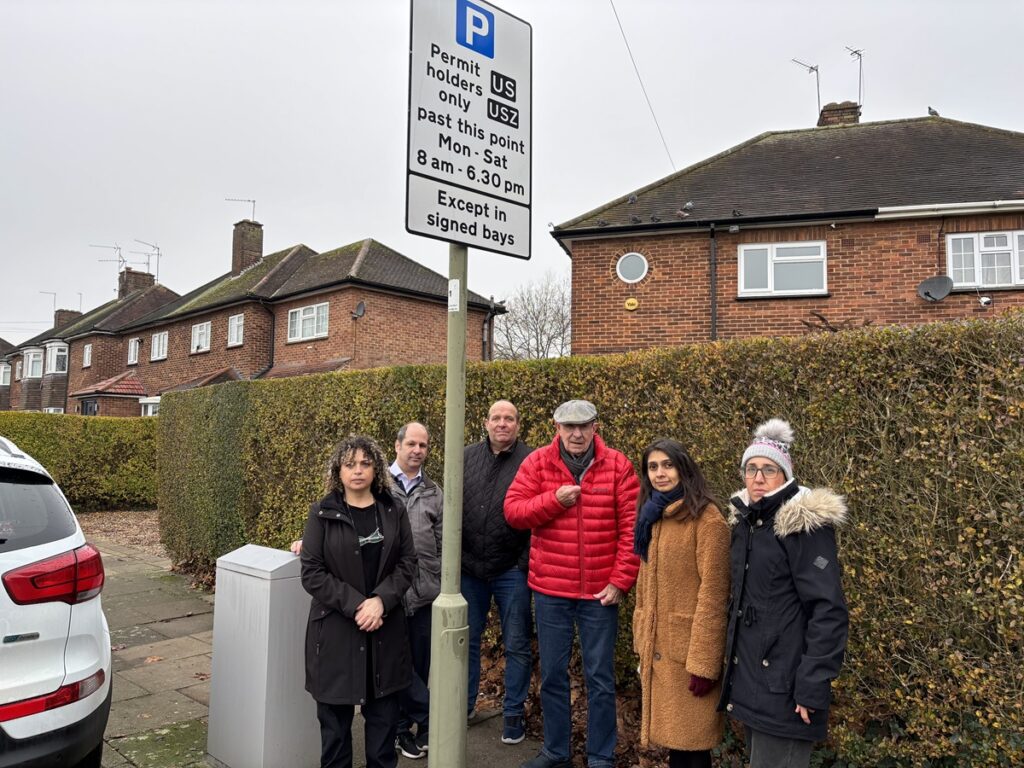
Quinta Village Green and the abandoned former Quinta Youth Club are one step closer to being brought under the control of a group of residents living in and around Mays Lane, Barnet, who have been campaigning for years to safeguard their open space and reopen a derelict clubhouse.
Barnet Council has agreed to list the whole site as an asset of community value, a safeguard which the Quinta Village Green Association hopes will be the first step towards establishing new facilities for the community.

ACV status for the green and clubhouse gives the community the right to apply for a potential community asset transfer which would allow a residents’ organisation to manage and operate the land and building for the benefit of the community.

An application is now being made to register the association as a community interest company which could develop and maintain community facilities on a non-for-profit basis.

Councillor Barry Rawlings, leader of Barnet Council, agreed to list the green and clubhouse as an ACV after meeting representatives of the village green association.

They outlined their vision for reviving the youth club building and enhancing the village green as a community-led hub.

Gina Theodorou, chair of the association, said the membership was thrilled that the importance of the green and club had been recognised and that the council had shared their vision that this was a place where people could come together.

“We can now start planning for a sustainable future with the hope that ACV status will ultimately lead to a full community asset transfer, ensuring the site remains protected and accessible for generations to come.”

She thanked Councillors Rawlings and Councillor Zahra Beg (Underhill) and Paul Frost from Barnet Council for their support.

The site was registered as a village green in 2010 following a public inquiry. Residents had argued that it should be preserved as an open space for community use and maintained by the council.

Local volunteers built the clubhouse in the 1960s and it served first as a youth club and community hub, later becoming a nursery and meeting place.

It has been vacant since 2006 when it was boarded up but in recent years residents have become increasingly concerned about continuing vandalism and anti-social behaviour around the building.

Planning approval was given in 2021 for use of the clubhouse to be changed from community use to become a store for the library service for schools in the Borough of Barnet but the proposed refurbishment did not take place, and the building has fallen further into disrepair.

Posted on 1 Comment

Former public house The Jester – the haunted house of New Barnet – is finally levelled by demolition contractors

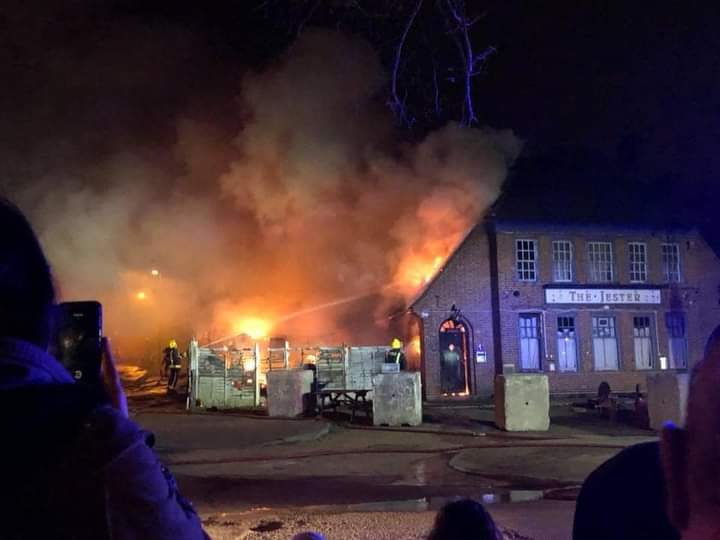
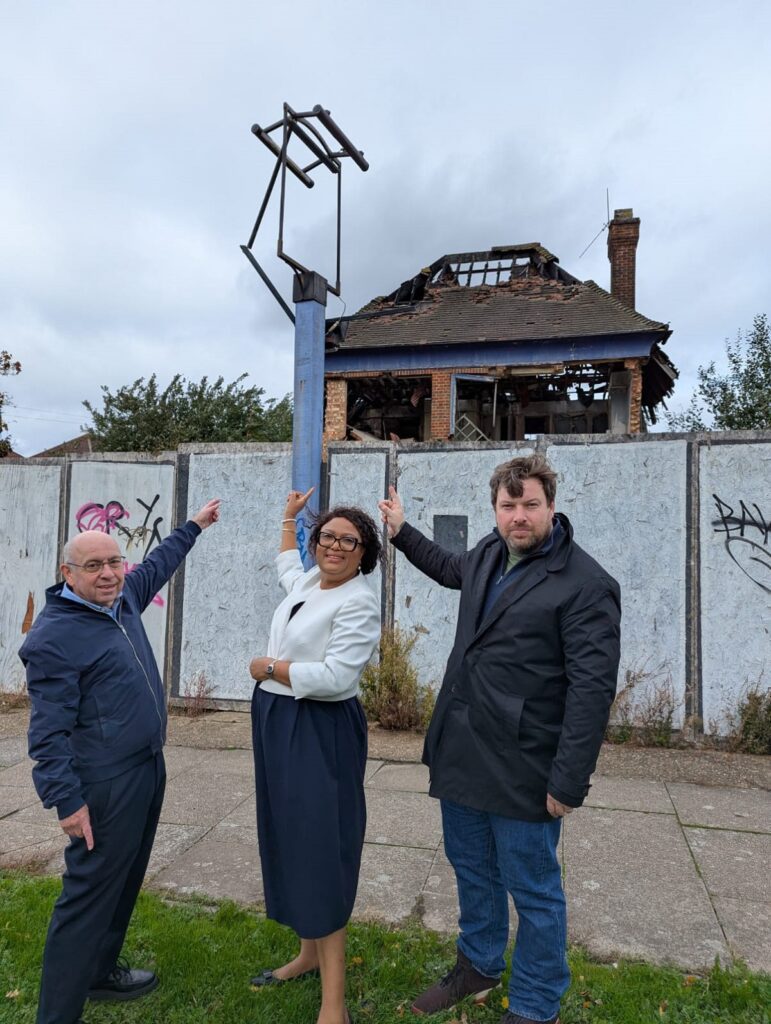
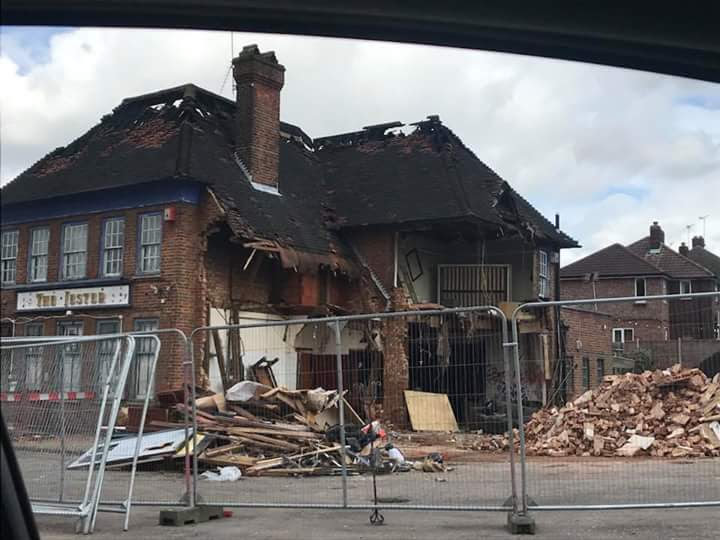
After a seven-year campaign New Barnet community activist Ros Howarth finally says farewell to the last remnants of the abandoned public house The Jester which was left wrecked after a fire in 2018.

Demolition contractors have spent several days levelling the derelict pub which had remained an eyesore after protracted disputes over its future and then a series of contested planning applications.

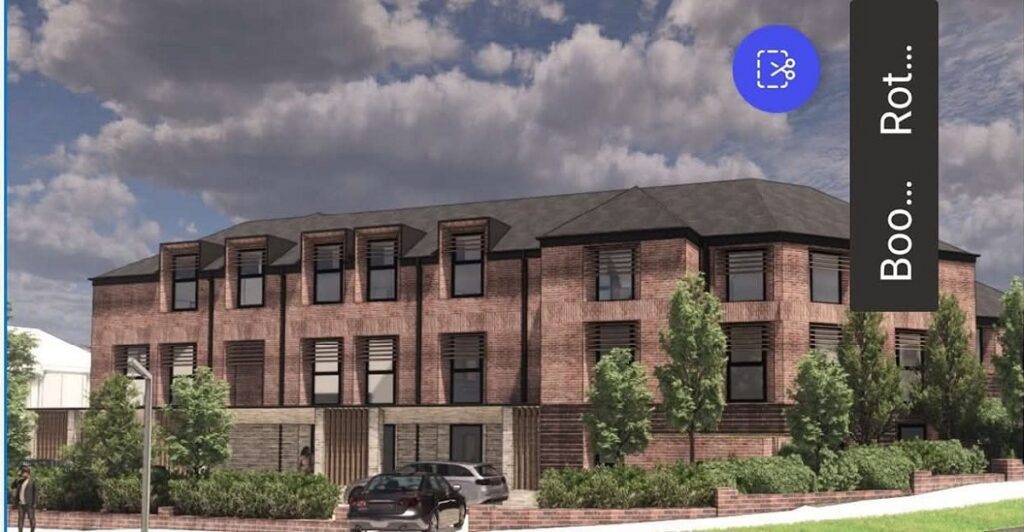
Approval was given in May last year for the site – at the junction of Northfield Road and Grove Road – to be redeveloped with a three-storey children’s nursery and three houses.

Built in 1958 as a result of a petition from residents, The Jester became a well frequented pub and restaurant.

The fire seven years ago – photograph above by Oliver Jennings – was said at the time to have been a heart-breaking blow for the community.

Ros Howarth and other campaigners fought tirelessly for the construction of a replacement public house or some other community building to benefit the locality.

“It’s a bitter-sweet moment,” she said.

“Everyone around here has been delighted to see it being demolished but we are disappointed. We wanted a new community pub or cafe.

“Instead, approval has been given for a private children’s nursery with up to 100 places.

“We already have three council-run nurseries within walking distance, and we don’t think there will be the demand for a private nursery.”

The final go ahead for the demolition of what had been dubbed New Barnet’s haunted house was a relief for Barnet Councillors.

East Barnet Councillor Simon Radford – above far right, with Councillor Phil Cohen and Councillor Edith David – said he and his colleagues shared the disappointment of nearby residents that the owners of the site had not opted to construct a new community pub.

“While we won’t be getting pub, we will have a children’s nursery which is certainly better than the haunted house which has stood there for the last seven years.”

Councillor Radford paid tribute to the resolve shown by the community.

“Ros Howarth has been a tremendous advocate for their campaign to get a replacement for the pub, and they demonstrated there was a viable alternative.”

Ros Howarth – founder of the Justice for Jester Facebook page – said she doubted whether a private nursery with up to 100 places would be viable.

Construction work is due to last for 18 months with the development completed by the spring of 2027.

The fear of nearby residents was that the new building – see developer’s image above – might at some stage be converted into flats.

Even if there was sufficient demand for a nursery, they were concerned that the site lacked sufficient car park spaces for 27 members of staff and visiting parents.

Parking was already a problem in surrounding roads, and an added problem was that Northfield Road was the main approach road for the nearby Jewish Community Secondary School which was served by a dozen or more coaches every day.

“All the new nursery school will have is a few dropping off places, so we think that with the amount of local traffic this isn’t going to be the safest place for small children.”  

The Jester public house, wrecked and abandoned after a fire in 2018 is finally demolished to make way for a new children's nursery in New Barnet

A start was made on demolishing the pub after the fire in 2018, but Barnet Council stepped in to halt the work – and that was the start of what seemed to be a never-ending saga of changes in ownership, court cases, appeals and futile planning applications.

Posted on 6 Comments

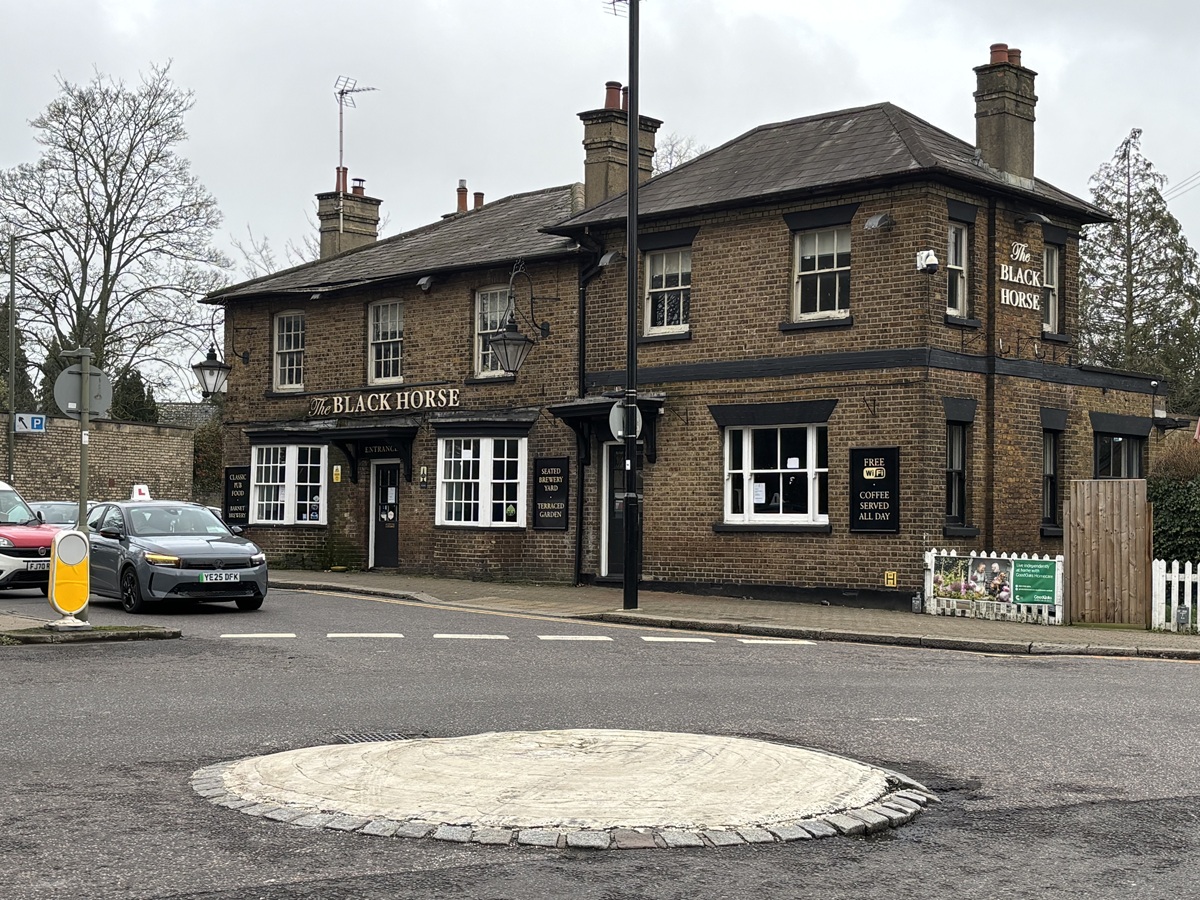
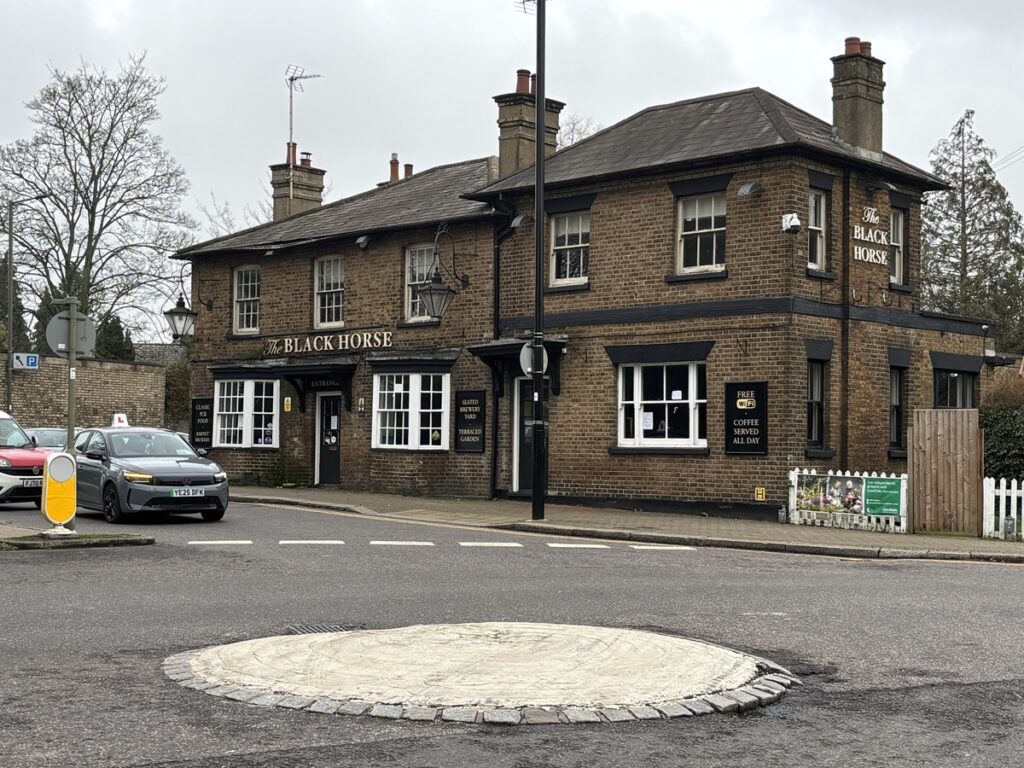
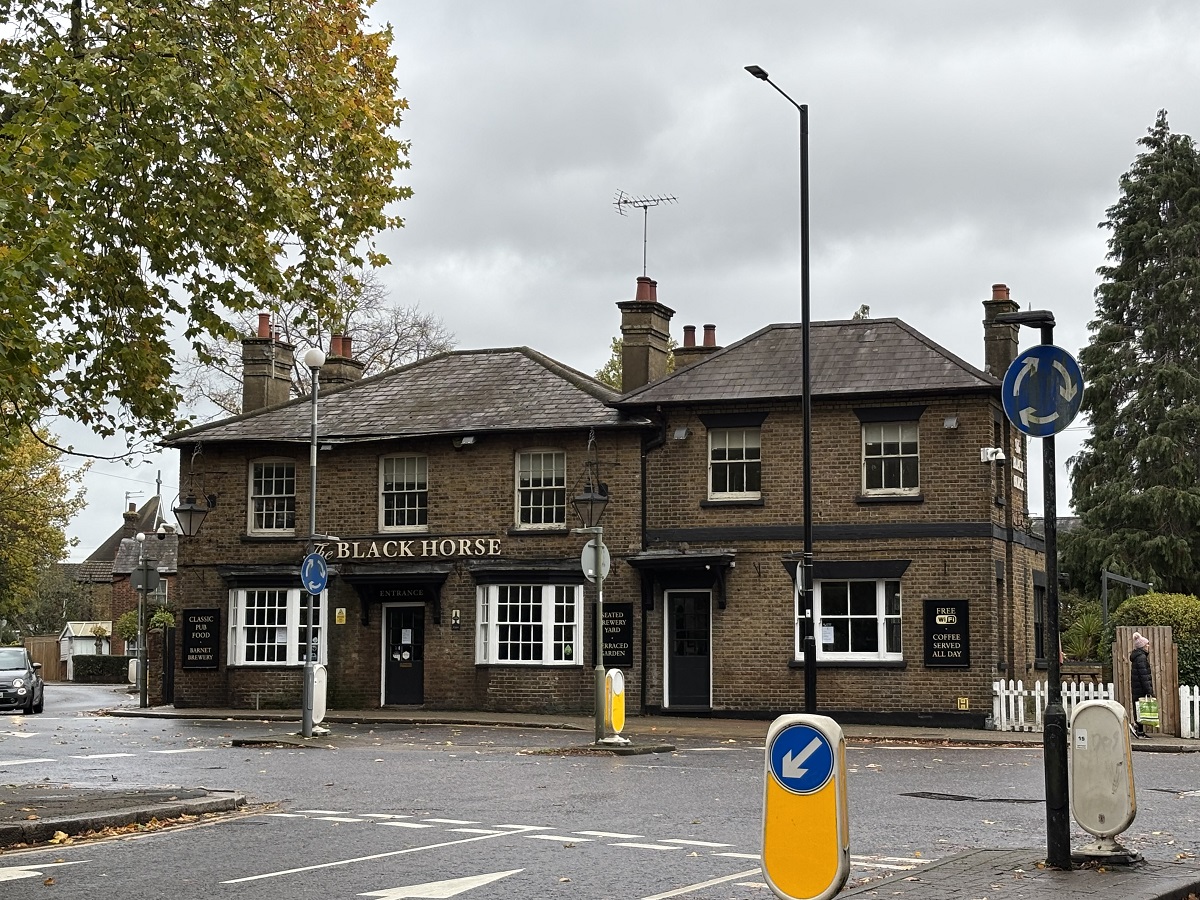
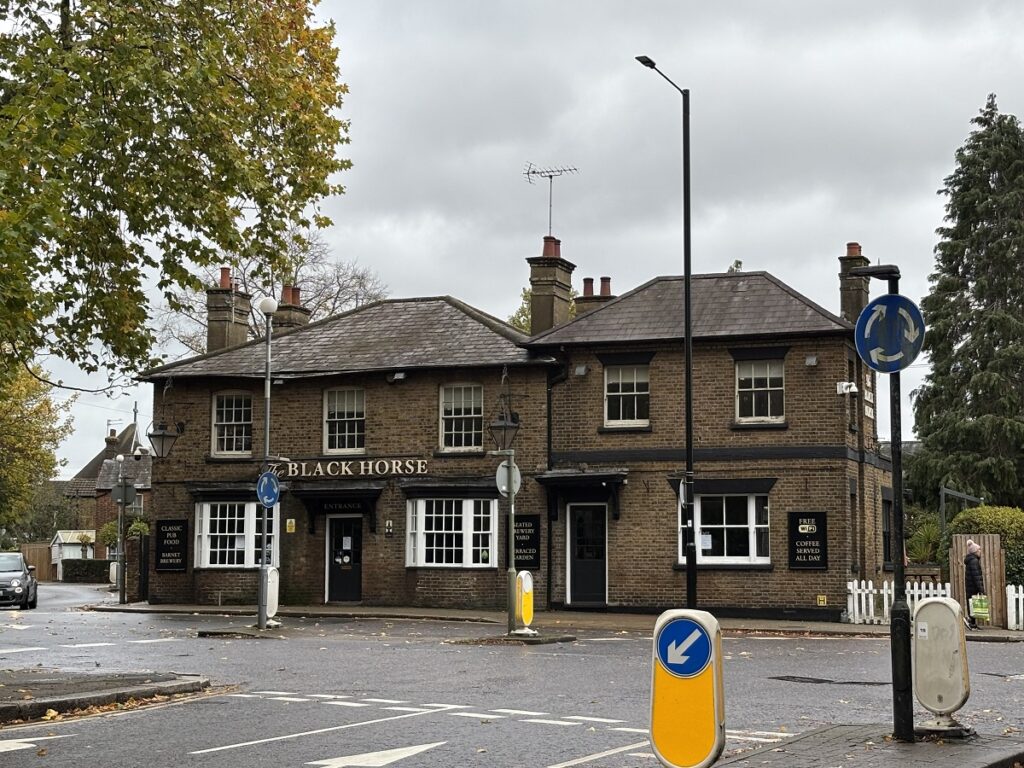
Star Pubs say “high level of interest” in re-opening Black Horse but mounting local concern over pub’s continued closure

Star Pubs want to re-open Black Horse public house as soon possible but concern over continued closure prompts petition to safeguard its future

Such is the depth of local concern over the continued closure of the Black Horse public house that a petition has been launched to gather support for its future to be safeguarded by Barnet Council with an order to declare it an asset of community value.

Owners Star Pubs, part of Heineken UK, told the Barnet Society that they are keen to re-open the Black Horse as soon as possible.

“The Black Horse is a great pub.

“We are in the process of recruiting a new operator and we are getting a high level of interest.”

Star Pubs operates 2,400 leased and tenanted pubs across the country and the last leaseholder of the Black Horse vacated the pub in mid-September.

Within a few days well over 1,000 people have signed the petition calling for the pub to be listed as an asset of community value. It has been organised in the name of Olly Gough – www.change.org/p/save-the-black-horse-chipping-barnet-list-it-as-an-asset-of-community-value

It says the current closure is a reminder that “times are tougher than ever” for pubs and that Chipping Barnet cannot risk losing one of its most cherished pubs.

Said to have been established in 1720, the Black Horse is described as having “real social importance to the local community” and if it ceased to be a pub it could become a place for social gatherings, recreation or cultural events.

Chipping Barnet MP Dan Tomlinson, says he has already alerted Barnet

Council to the continued closure.

“Given the status of the Black horse as a locally listed building within the Wood Street Conservation Area, I sought assurances that the council would retain the building and that any future development would be sensitive to its heritage status – which the council confirmed would be the case.”

An application for ACV status would need considerable support from the community.

Chipping Barnet ward Councillor Emma Whysall, who has expressed her concern over the pub’s closure, together with the Barnet Residents Association, are urging regular customers to band together to see if they can get sufficient backing for an application.

An ACV declaration was made by the council last year after the closure of the Prince of Wales, the last pub in East Barnet village, and it was added to Barnet’s list of buildings considered to be community assets.

However, the ACV was overtaken by Stonegate Group’s sale of the pub to the Heartwood Collection which runs a chain of licensed premises with dining areas, and which re-opened the Prince of Wales in May after what was said to have been “a multi-million pound” investment.

East Barnet Residents Association raised a petition with over 3,000 signatures in support of the ACV application.

Posted on 1 Comment

Food and hospitality on offer at the High Barnet Islamic Centre for an afternoon visit by refugees and asylum seekers

High Barnet Islamic Centre, which opened last year, extended its outreach programme of community events with volunteers welcoming over 30 asylum seekers and refugees with a full spread of snacks and refreshments.

The group travelled to the centre by coach from a nearby hotel for an afternoon of hospitality organised in conjunction with HAWA, a Hertfordshire-wide multicultural women’s group which provides a range of care services.

Extra warm clothing was offered to those who needed it including hats and scarves.

Anjim Iqbal (far right), events co-ordinator for the High Barnet centre – seen with volunteers Siham Bedjaoui and Zeenath Auleear — said laying on a high tea was just one of the initiatives which she and her volunteers hope will help strengthen inter-community relations.

Holding a monthly soup kitchen for homeless and needy families is their next project and again the aim is to reach out to the local community.

“We have already been promised support from local sponsors. They are helping us to source bread to go with soup of the day,” said Anjim.

At an open day in October, the centre welcomed a group of councillors led by Barnet Council leader Barry Rawlings and Chipping Barnet MP Dan Tomlinson, newly appointed as the Exchequer Secretary at the Treasury.

Mr Rawlings stressed the importance of the Borough of Barnet strengthening multi-faith relations and establishing strong links across its various communities and faiths, an objective fully endorsed by the constituency MP.

Mr Tomlinson congratulated the centre on opening its door to the community and for proposing an initiative like a monthly soup kitchen where there would be a warm welcome, refreshments and company.

“I have been to the High Barnet Islamic Centre a couple of times since it opened, and I have been really impressed to find a community which is so outward facing and welcoming.

“It is so heartening to see the Muslim community, like other religious communities in Barnet, uniting in their efforts to bring people together and create a strong community.”

High Barnet Islamic Centre,, which opened last year, welcomed group of refugees and asylum seekers for an afternoon of refreshments and hospitality.

Since the centre, which is in Bath Place, just off Barnet High Street, opened in May last year, it has held a range of multi-cultural events such as bazaars and open days.

Darul Noor charity, which was previously based at the Rainbow Centre on the Dollis Valley estate, moved to the centre after raising £1.8 million to purchase the building from the Template Foundation.

An application has been submitted to Barnet Council for retrospective planning permission to regularise its use as a public hall and for public worship and religious instruction.

In 1995 the Template Foundation secured planning approval to use the building for education and training – permission which the centre’s consultants Absolute Town Planning say should be regularised to match the needs of the Islamic Centre.

“Unlike many planning applications nothing is proposed either physically or by way of use.  The application simply seeks to regulate what has been happening at the site for some time.”

Objections to the application have been submitted to the council on the grounds that regularising use of the building as an Islamic centre for prayer would “cause harm to residential amenities in the area and increase noise and also increase pedestrian and vehicular traffic.”

Before being used by the Template Foundation, the building had been part of small commercial complex, and it was said to be “unsuited to attracting large numbers of people”.

Supportive comments included praise for the centre’s outreach work. It had established itself as a “well managed and trusted community asset and reflects values of co-operation and respect shared across the borough.”

In backing the application, Steve Verrall, director of Barnet Community Projects, said that when Friday prayers and Ramadan were held in the Rainbow Centre at Dollis Valley, they had always been well organised.

These premises were no longer big enough and the new centre in Bath Place had already proved to be an “asset to the borough”.

Local Muslims living in and around High Barnet, who had previously attended Friday prayers in North Finchley, said they welcomed the opening of a centre in High Barnet.   

They considered the objections had been based on “misunderstandings and out-of-date assumptions”. A change of use, they said, would have no visual impact on the Monken Hadley Conservation Area.

Posted on

Developers Hill Residential preparing to start construction work on estate of 115 new homes on Whalebones farmland off Wood Street, Barnet

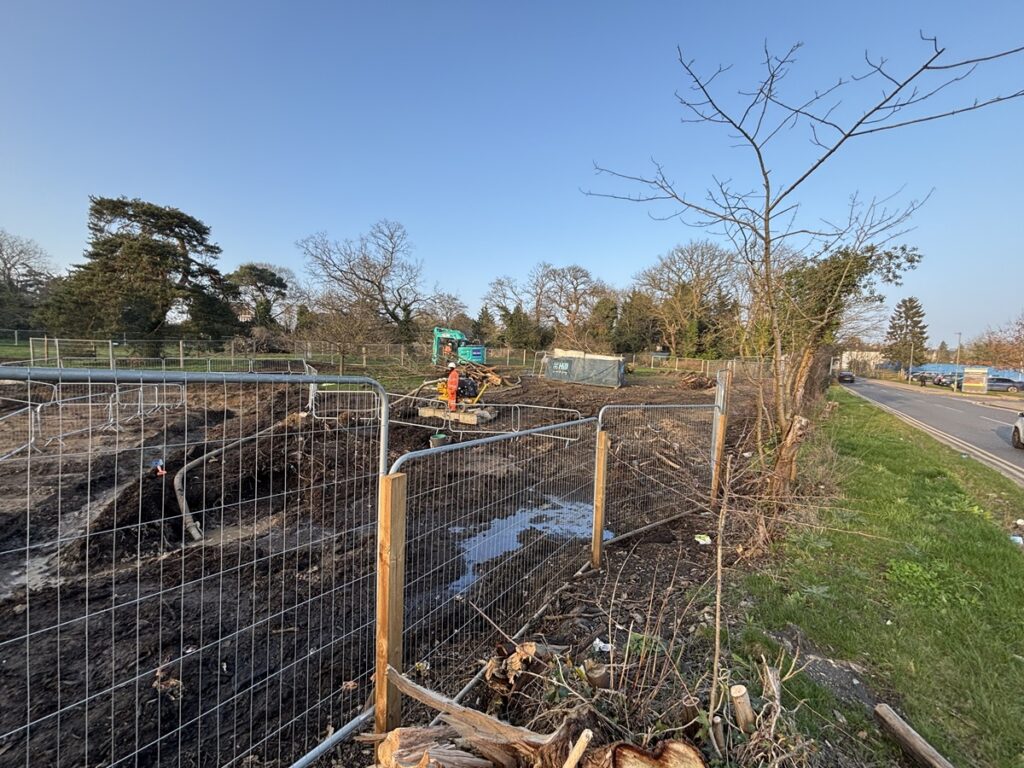
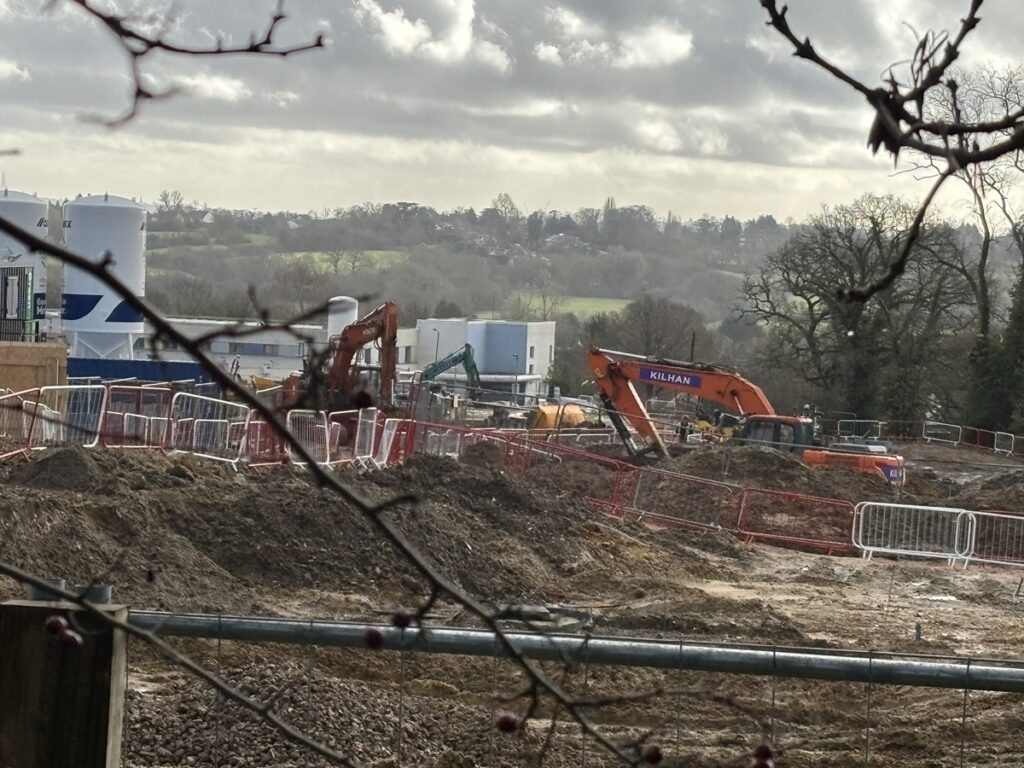
Access for contractors’ heavy equipment has been established at the site of the former Whalebones smallholding and farmland off Wood Street, Barnet, where Hill Residential are to build 115 new homes.

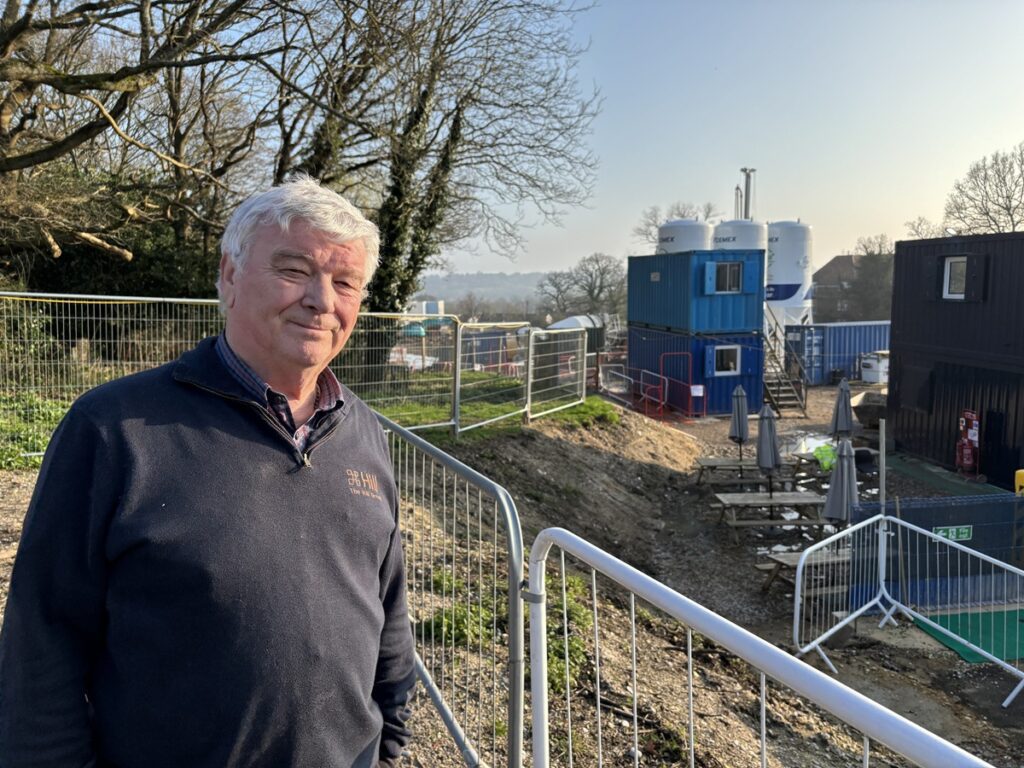
Site offices have been installed ready for preparatory groundwork and the construction of a new community building to provide a replacement studio for the Barnet Guild of Artists.

Hill Residential of Waltham Abbey recently completed the purchase of the Whalebones land from the Gwyneth Cowing Will Trust following the granting of planning permission.

Demolition of the farm buildings which make up the smallholding – and an adjoining timber-framed artists’ studio bequeathed by Miss Cowing – is expected to start once the replacement studio has been completed.

The new community building will be constructed on farmland which faces on to Wellhouse Lane, opposite the bus terminus at Barnet Hospital.

Trustees for Miss Cowing, who died in 1987, and who was the granddaughter of the founder of the Barnet Press, first applied ten years ago for planning permission to build houses on the fields around the now privately-owned Whalebones House.

A protracted campaign to prevent the development ended in October last year when the Mayor of London gave the final go ahead after Barnet Council had voted narrowly in favour.

Objectors to the scheme, who included the Barnet Society and the former Chipping Barnet MP Theresa Villiers, claimed the new housing estate would destroy a significant wildlife habitat and result in the loss of the last remaining   farmland between Arkley and High Barnet.

Most of the new houses will be built in the largest of the fields which is opposite the Arkley public house, and which is between the new Elmbank development and the woods surrounding Whalebones House.

In an interview for Built Environment News, The Hill Group’s founder and group chief executive, Andy Hill, confirmed that the purchase of the Whalebones farmland had been completed.

He reiterated previous undertakings that half the 12-acre site will be retained as a publicly accessible open space.

“Whalebones Park is a site of outstanding beauty, and we are proud to be entrusted with its future.

“Our plans respect the heritage of the Grade II listed Whalebones House and the character of Barnet, while delivering a sustainable new neighbourhood.”

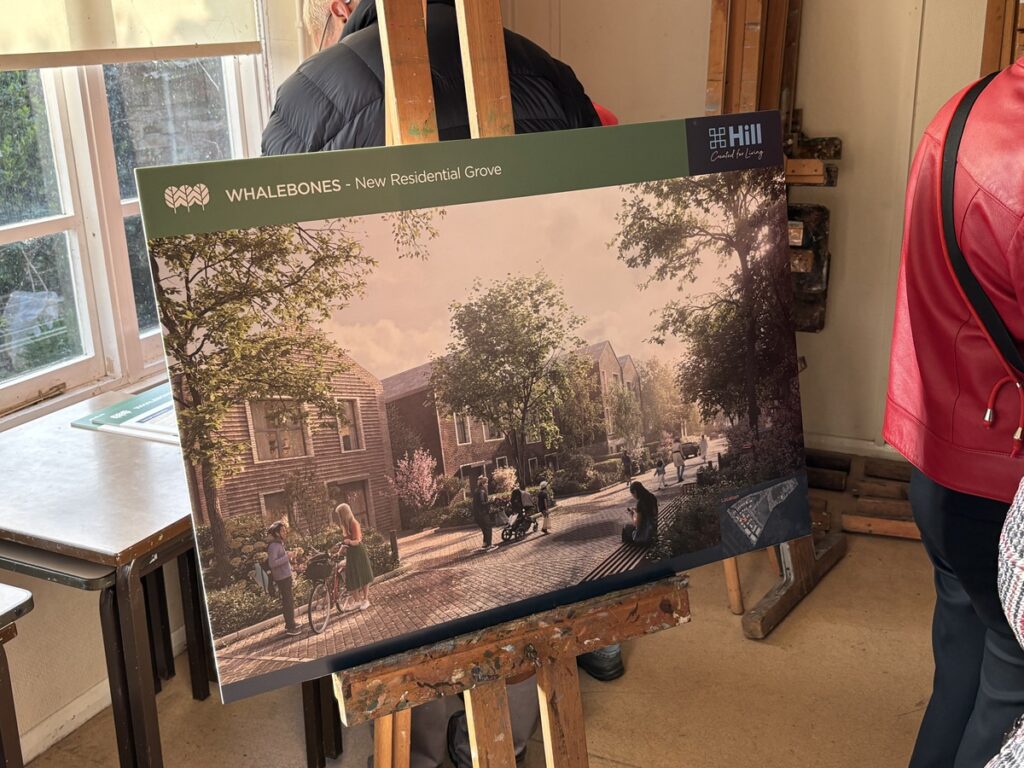
Planning approval has been given for 115 houses and apartments in buildings ranging from two to five storeys in height. (Image, Hill Residential).

“Spacious, modern family homes” would be available for private sale and affordable homes would be provided in partnership with the affordable housing charity Sovereign Network Group.

SNG’s regional managing director Matthew Bird told BE News that its partnership in the development of Whalebones Park would demonstrate how affordable homes can be integrated into high quality sustainable development.

“Our 54 homes at Whalebones will provide much-needed opportunities for local people to access affordable rent and shared ownership in Barnet, supported by the wider benefits of new open space and community facilities.”  

Posted on 4 Comments

Protecting green spaces – how serious are our politicians?

View of Christchurch spinney in early autumn

This peaceful spinney in Christchurch Lane is a haven of wildlife less than 200 metres from Barnet High Street – but it’s threatened by new building. How can that be?

Barnet Council declared a Climate and Biodiversity Emergency in 2022. Its recently-adopted Local Plan contains policies and supplementary planning documents specifically to protect green spaces of all kinds.

Mayor Khan has similar planning policies and is currently consulting on London’s first Nature Recovery Plan (LNRS) to reverse biodiversity loss. Surely the spinney’s future is safe?

Worryingly, the answer is no.

Last year the Council authorised the sale of part of the spinney that it owns for £430,000, subject to the buyer obtaining planning consent. Existing covenants on the land restrict development to private residential use. A planning application is expected before long.

The site is mainly well-established woodland with several Tree Preservation Orders but would benefit from sensitive management. Although small in area (0.438 hectare / 1 acre), its ecological value is great because it provides a vital undisturbed ‘green corridor’ for the transit of insects, animals and flying creatures between the Old Fold Manor golf course and Hadley Green, both of which are in the Green Belt.

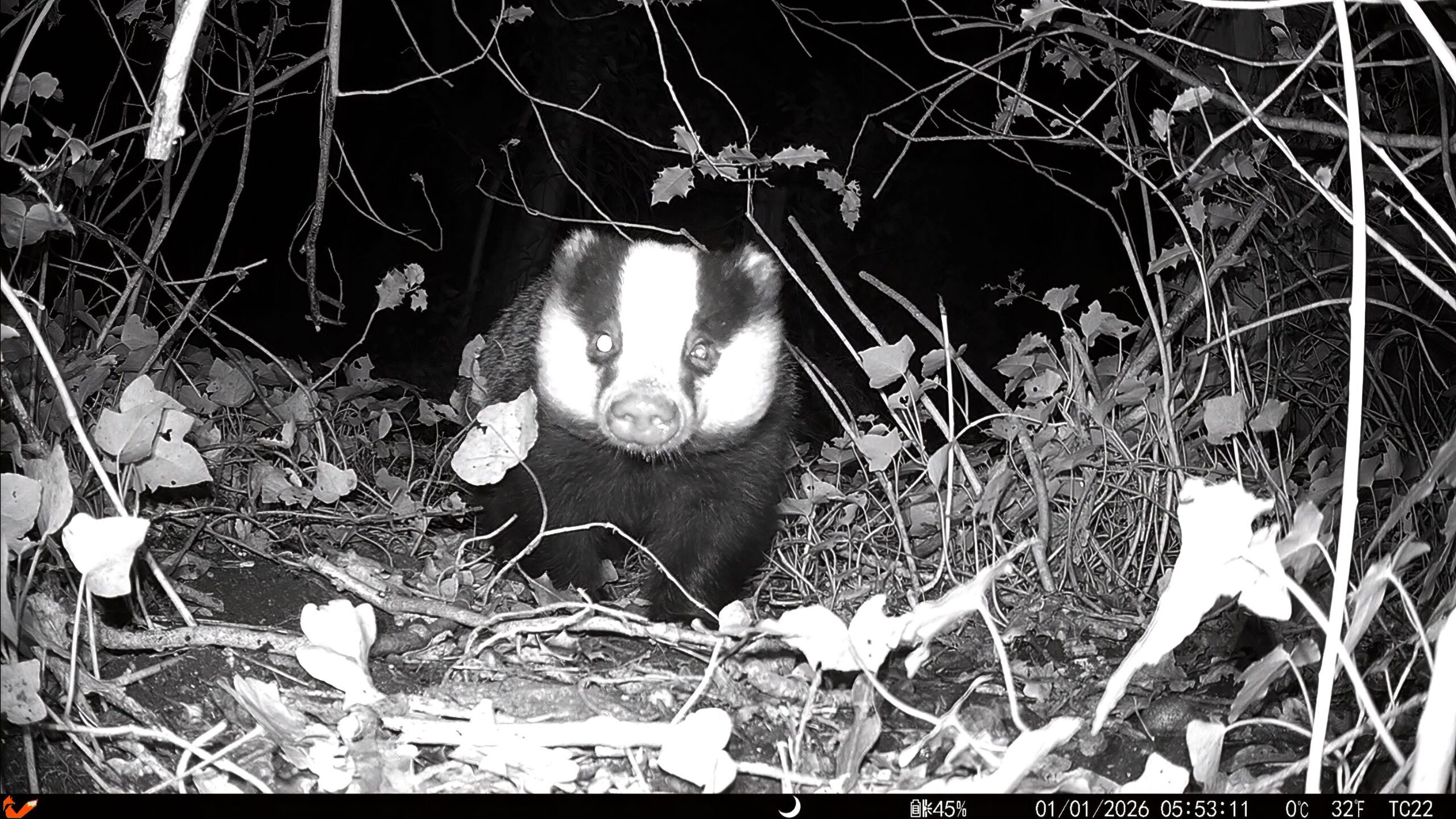
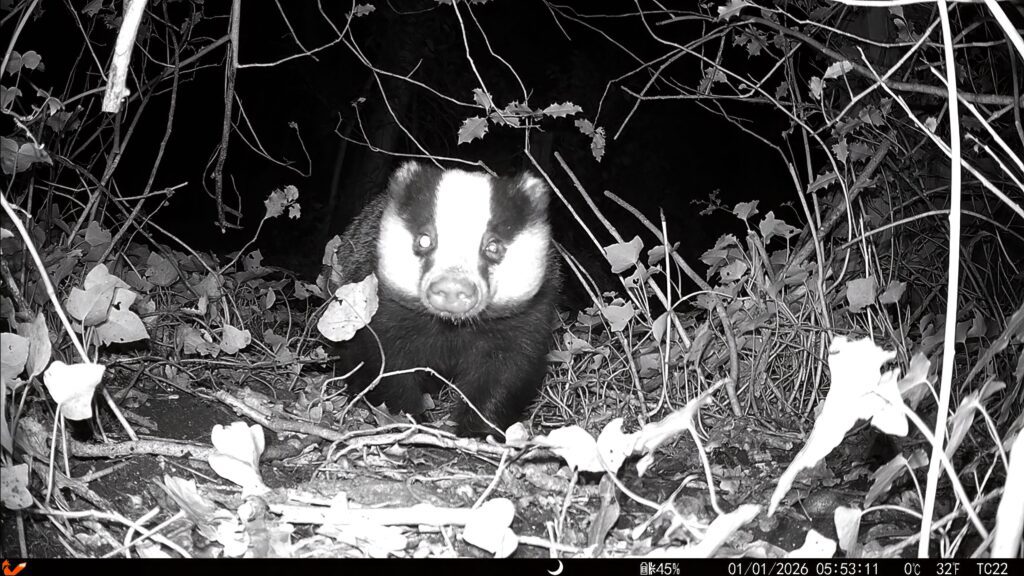
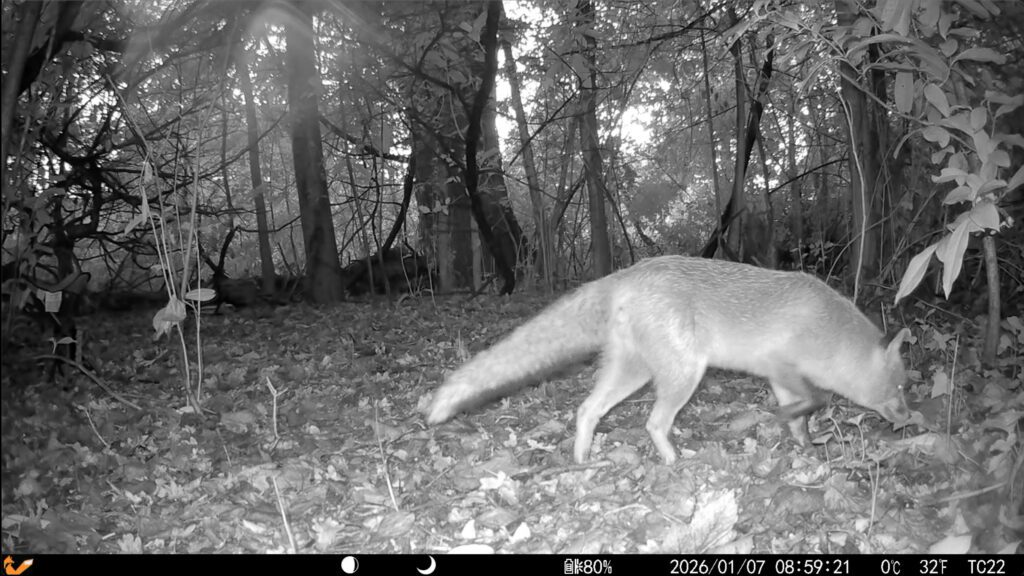
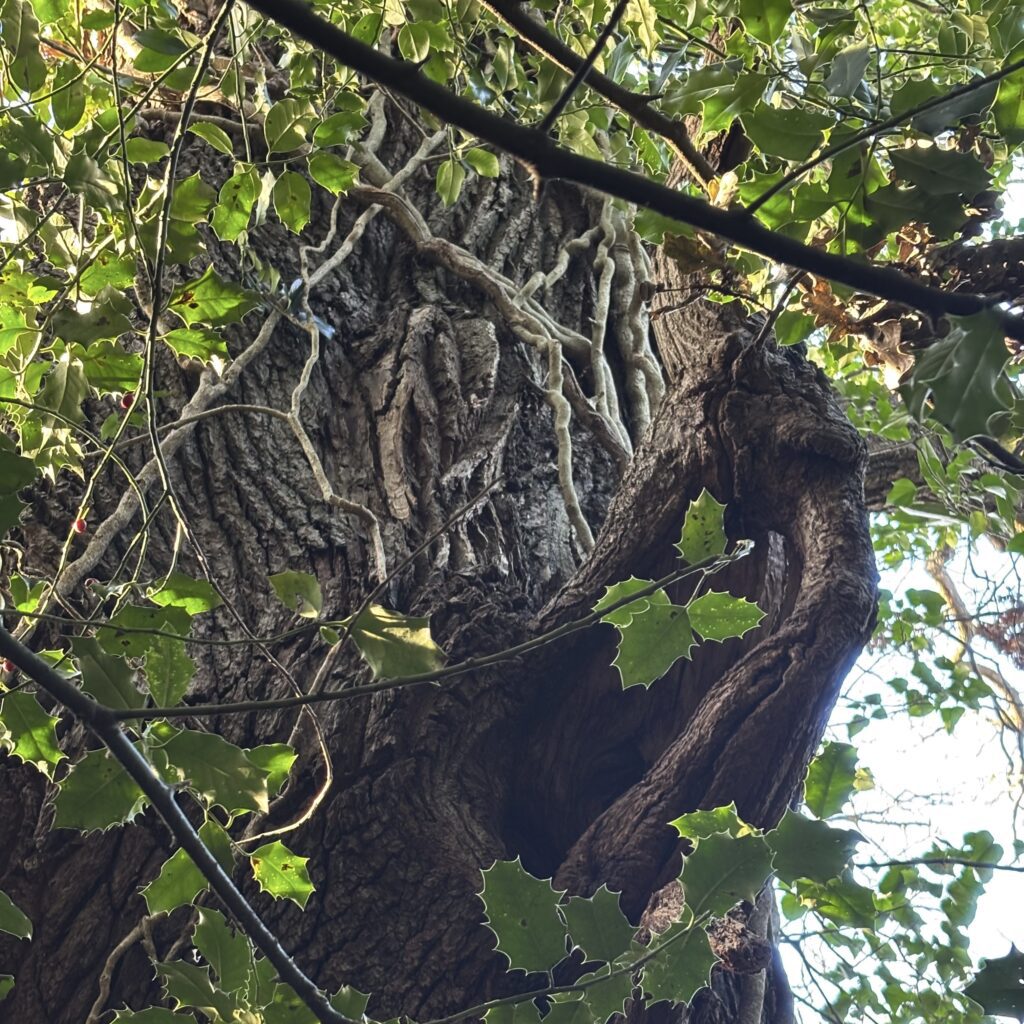
Local resident Marianne Nix says ‘The spinney is a rich and biodiverse habitat, regularly visited by badgers, foxes, muntjac deer, bats and hedgehogs as well as birds on red and amber conservation list 5.’ Above and below are some of her recent photographs.

The spinney’s location within the Monken Hadley Conservation Area should provide it with statutory protection. But the Barnet Society knows from bitter experience over the Whalebones Estate housing development that the Council can override Conservation Area status if it decides that development would be ‘less than harmful’.

The plan above is based on an interactive map that is a key component of the draft London LNRS. It shows Areas of Particular Importance for Biodiversity (such as Hadley Green – purple on the plan) and Areas that Could Become of Particular Importance (such as Old Fold Manor golf course – sage green on plan).

On it is marked Christchurch spinney, highlighting its value of as a strategic link between the golf course and green. Unfortunately, the spinney itself is not designated in the LNRS.

Mayor Khan’s draft explains the purpose of an LNRS, identifies six overarching priorities for London and describes in impressive detail the range of landscape characteristics and wildlife species that deserve protection. It’s a welcome framework for the guidance of future development across London.

Development of the LNRS has enabled Council Biodiversity Officers to check the existing data. It turned out that much was inaccurate, out of date, incorrect or non-existent. It has now been updated and significant effort has gone into identifying potential sites of particular importance and for taking action. So thanks to the LNRS, we now have a better baseline for our local nature.

There’ll be a chance to suggest new locations such as Christchurch spinney when the LNRS is next reviewed, which will take place every three to 10 years (the government will advise on the timeframe). Until then, the Council’s duty is to protect the spinney.

In 2022, Barnet Labour’s Green Manifesto promised to ‘Protect ALL existing green spaces in the Borough’. In the May 2026 local election Barnet voters will be able to hold Councillors to account.

You can comment on the draft LNRS here. The deadline is Wednesday 29 October 2025.

Below: LNRS map extract showing designated areas in Chipping Barnet parliamentary constituency

Posted on

Family homes rather than high-rise blocks of flats are planned for New Barnet gas works site where redundant gasholder will be demolished

After several ongoing local disputes about the height and density of new blocks of flats residents’ associations have welcomed plans to build 80 family homes on the remainder of the gas works site in Albert Road, New Barnet.

Save New Barnet campaigner John Dix said community groups were delighted that developers Berkeley Homes had reflected local opinion and are seeking planning permission for three- and four-bedroom homes – of two to three storeys in height – instead of opting for a high-rise scheme.

The four-acre site is just to the north of the much larger Victoria Quarter development where City Fairview are constructing a new complex of 420 flats in 11 blocks of up to eight storeys in height.

After years of opposition to schemes offering only high-rise flats, usually of just one- and two-bedrooms, Mr Dix said Berkeley Homes had taken heed of the campaign by community groups for the construction of more family homes.

Under the Barnet local plan, the four-acre brownfield site had been earmarked for as many as 190 homes.

Save New Barnet feared that Berkeley Homes might follow the example of City Fairview and build yet more blocks of flats.

“Berkeley Homes have seemed anxious to engage with the community, and it really is a pleasant change when a developer listens to what the community wants,” said Mr Dix.

“Our demand all along has been for more family homes rather than one-bedroom flats and well done to Berkeley Homes for having listened.”

Mr Dix acknowledged that there were some restraints on the site which might add to the sale price of the new houses – the site needed to be decontaminated and there will continue to be some underground pipework.

When asked by the Barnet Society at a consultation evening as to whether the scheme would include any affordable housing, architects JTP said this was still under consideration.

Berkeley Homes and other developers have been in discussions with the Greater London Authority over possible changes to the affordable housing targets for London – one proposal under discussion is reducing the requirement from 35 to perhaps 20 to 25 per cent in order to speed house construction. 

Family homes planned for remainder of New Barnet gas works site where redundant gasholder os to be demolished

Perhaps the biggest change to the area will be the demolition of the 90-year-old cast iron framework of the New Barnet gasometer – a local landmark as seen from the Victoria Recreation Ground.

Built in 1934, with an original capacity of 2,000,000 cubic feet of gas, the gas holder was decommissioned in 2009, purged of gas and collapsed to its lowest level.

Visible from streets all around New Barnet, the massive structure divides opinion – some think it should have been pulled down years ago while others admire its elegance and welcome its presence as a familiar sight on the local skyline.

The 38-metre-high frame of what was originally known as a column guided gasholder has been described by National Grid Property Holdings as having “no particular historic or architectural merit” and “little, if any, heritage value.”

Consultation on Berkeley Homes’ master plan for the Albert Road site closes at the end of October when an application will be made to Barnet Council for planning permission.

Demolition of the gasholder is likely to take place during 2026 along with other remedial work on the site. The scheme is due for completion in 2031.

Posted on 3 Comments

Full English breakfasts are on the march up the Great North Road as Hole in the Wall Cafe plans to transfer to Dory’s Cafe in High Barnet

Kevin Callaghan, proprietor of the Hole in the Wall Cafe – said to be Barnet’s oldest cafe – is temporarily transferring his business to the premises of the former Dory’s Cafe, another local institution, which ceased trading in the summer. 

The Hole in the Wall, established in 1935 and hidden behind hoardings on the Great North Road, is to be demolished along with other buildings on the Meadow Works industrial estate at Pricklers Hill.

The closure of Dory’s Cafe in August was the end of an era.

Opened in 1954, it had been run by three generations of the same family and its closure followed the retirement of its proprietors Guiliano Cardosi and Angela Casali.

Mr Callaghan has secured a lease on the former Dory’s Cafe – to be renamed Corner Cafe – and he will transfer the business on a date to be announced once all the legalities are complete.

The existing Meadow Works complex of industrial and commercial premises is to be replaced with a new self-storage depot which will include new premises for the Hole in the Wall Cafe along with co-working spaces.

Mr Callaghan and his staff have earned a well-deserved reputation for their full English breakfasts and lunch menu.

Over the decades the Hole in the Wall, where Mr Callaghan first started working 20 years ago, has become a well-used pit stop for lorry drivers and motorists heading out of London.

The closure of Dory’s Cafe prompted tributes across social media and a flood of memories of full English breakfasts, tasty snacks and friendly welcome – a reputation to be proud of.

Mr Callaghan is delighted that the Hole in the Wall will have a new home once the Meadow Works industrial estate gets a new lease of life.

Proprietor of Barnet's oldest cafe The Hole in the Wall is moving up the Great North Road to former Dory's Cafe  in High Barnet while new premises are built.

Developers Compound Real Estate say they are awaiting planning permission but do have approval in principle for a new state-of-the-art self-storage facility and co-working spaces, fronting on to the Great North Road, which will be available to support local small businesses and entrepreneurs.

A cluster of ageing and dilapidated light industrial buildings will be demolished to make way for the new development.

One of the last to move out is a furniture maker which has been based at Meadow Works for the last nine years.

Proprietor Sebastian said that he was disappointed to be leaving as it had been difficult to find new premises and rents were high.

“We have managed to find another workshop in Waltham Abbey but that just shows how few affordable workspaces there are around Barnet. It’s not easy for small businesses in woodworking and carpentry.”     

Posted on

Sad farewells with house building to start soon on farmland at Whalebones, off Wood Street, the last countryside between Arkley and High Barnet

Demolition and clearance of the Whalebones smallholding and fields off Wood Street, High Barnet, has moved a step closer with developers having completed the purchase of the site for the construction of an estate of 115 new homes.

Housebuilders Hill Residential of Waltham Abbey and the Gwyneth Cowing Will Trust were jointly granted planning permission last year to develop farmland which adjoins Whalebones House, former home of the Cowing family.

With ownership having been transferred from the Cowing trustees, the handover has required the relocation of two long-standing tenants of Whalebones – the Barnet Guild of Artists and the Barnet and District Beekeepers’ Association.

A replacement studio for the artists’ guild is to be provided in a new community building to be constructed in Wellhouse Lane but the beekeepers’ association, which has been based at Whalebones for the last 60 years, has moved to a temporary site at a farm in Arkley. 

Trustees for the late Miss Gwyneth Cowing, granddaughter of the founder of the Barnet Press, who died in 1987, first applied ten years ago for planning permission to build houses on fields at Whalebones,

A protracted campaign to save a significant wildlife habitat and the last remaining farmland between Arkley and High Barnet ended in October last year when the Mayor of London gave the final go ahead after Barnet Council had voted narrowly in favour of the scheme.

Most of the new houses – see image above from the Hill Group – will be built in the largest of the fields which is opposite the Arkley public house, and which is between the new Elmbank development and the woods around the now privately owned Whalebones House.

In an interview for Built Environment News, The Hill Group’s founder and group chief executive, Andy Hill, confirmed that the purchase of the Whalebones farmland had been completed.

He reiterated previous undertakings that half the site will be retained as “publicly accessible open space”.

“Whalebones Park is a site of outstanding beauty, and we are proud to be entrusted with its future.

“Our plans respect the heritage of the Grade II listed Whalebones House and the character of Barnet, while delivering a sustainable new neighbourhood.”

Space will be provided close to Well Cottage for a small holding for an agricultural tenant. The former tenant farmer at Whalebones, Peter Mason, who had been there since the 1960s and who had once reared cattle and horses at Whalebones, died last year.

Planning approval has been given for 115 houses and apartments in buildings ranging from two to five storeys in height.

“Spacious, modern family homes” would be available for private sale and affordable homes would be provided in partnership with the affordable housing charity Sovereign Network Group.

SNG’s regional managing director Matthew Bird told BE News that its partnership in the development of Whalebones Park would demonstrate how affordable homes can be integrated into high quality sustainable development.

“Our 54 homes at Whalebones will provide much-needed opportunities for local people to access affordable rent and shared ownership in Barnet, supported by the wider benefits of new open space and community facilities.”  

Alongside the purchase of the farmland by The Hill Group, the former stable block has also changed hands and has been acquired by the owners of Whalebones House.

In recent days there have been some emotional farewells because over the decades the stable block, with its much-loved ornate and welcoming interior, had been home not only for the beekeepers but also for groups of Barnet Girl Guides and Brownies.

Miss Cowing’s generosity in providing a meeting place for local organisations – and paying for the construction of the timber-framed artists’ studio – left a legacy of philanthropy which the trustees of the estate said they had been anxious to preserve and respect.

Unlike the Guild of Artists which is signing a lease for use of a new community building in Wellhouse Lane, the beekeepers’ association decided it was not in a position to secure charitable status and take on added responsibilities.

Instead, the beekeepers have found temporary storage place for their equipment at an apiary on a farm in Arkley but will miss the use of the stable block for meetings, lectures, training courses, honey extraction and storage.

Moving out was a sad moment for long serving members of the association who gathered for a final group photo in a room which, for them, held so many memories – from left to right, president Geoffrye Hood, apiary manager Wilf Wood, association secretary Ann Songhurst, and Shri Kam.

The association, which currently has 107 members, has apiaries at various sites around High Barnet including Cat Hill, Arkley, and also Mill Hill. 

Four hives of bees kept at Whalebones were moved from the site earlier this year.

One of the greatest disappointments for the association will be the loss of a purpose-built facility for honey extraction which was fitted out with the latest equipment with help of a grant from the Millennium Commission which distributed funds to mark the turn of the millennium.

Geoffrey Hood said their facilities had been of great importance in the association’s education programme and every year since 2013 he had helped to train ten to 15 newcomers to beekeeping.

“We tend to start new beekeepers off with a hive at one of our apiaries and then they usually find their own sites.”

Developers Hill Residential completed purchase of farmland at Whalebones off Wood Street, High Barnet, site of 115 new homes

The Barnet and District Beekeepers’ Association had its very own postcode. Wilf Wood said a former president Rodger Hedgecoe arranged with the Post Office that letters should be addressed to EN5 4BZ.

Posted on 17 Comments

Planning inspector is being asked to reconsider Barnet Council’s rejection of plans for Barnet Football Club’s return to Underhill

Barnet Football Club has launched an appeal against the refusal of Barnet Council to approve an application to build a new stadium at Underhill.

A public inquiry before a planning inspector will give the club a chance to explain what it believes are the reasons why a new football ground should be permitted on playing fields close to the club’s previous stadium.

Despite being within the Green Belt, the club hopes an inspector will overturn the planning department’s advice that a new stadium in a “valued local park” would result in “substantial and irreversible harm to the openness and function of the Green Belt”.

BringBarnetBack, the group which is campaigning to bring the club back to a site as close as possible to its original home at Underhill, believe every effort should be made to secure a full public hearing.

When the application was considered by the strategic planning committee in July, members voted by 6-0 to reject the plan (with three councillors abstaining).

Councillor Barry Rawlings, leader of the council, told the Barnet Society that planning officials were now assessing the grounds of which the club had launched its appeal.

As the debate about whether Barnet FC should return to Underhill – from its current base at The Hive, Harrow – was now “a live issue” once again he was restricted in what he could say.

But he wanted to emphasise that his door as council leader remained open if the club did come forward with other alternative sites for a new stadium in or around High Barnet.

“It is difficult because of the proximity of the Green Belt, but as a council we would be prepared to look at other sites suggested by the club, such as a ground shared with another club or land already designated for sport.”

A survey conducted by the Barnet Society among community groups and councillors before decision in July, showed that the town was split down the middle over whether a 7,000-seat stadium should be built on Barnet Playing Fields.

Underhill Councillor Zahra Beg, who spoke out against the application in July, said she remained opposed to using the playing fields for a football stadium, but she was anxious to understand the grounds on which the club was appealing.

Planning inspector being asked to reconsider Barnet Council's refusal to grant planning permission for new stadium for Barnet Football Club at Underhill.

In view of promotion to League Two of the Football League, BringBarnetBack believe the club’s current success – it is currently placed 10th in the League – strengthens the case for securing a return to Underhill which they argue would provide a tremendous boost to match attendances and boost the High Barnet economy.

Posted on 6 Comments

Last chance to have your say on Barnet Heights

… or High Barnet Place, as the development proposed next to High Barnet Station is officially called (see above). But Barnet Heights would be a more accurate description of 283 flats over the whole of the present car park in blocks of 5 to 11 storeys high.

Whichever, it’s the most serious threat to Chipping Barnet’s character and functioning in decades. And Friday 19 September is the deadline for public comments on the planning application.

The Barnet Society strongly opposes the proposals, and urges you to do so too.

Our key reasons for objecting strongly to the current planning application are because:

  • It breaches many policies in Barnet’s recently-adopted Local Plan.
  • It would create homes of unacceptably poor safety and quality in terms of layout, detailed design and amenity.
  • It would be no more accessible – and probably less safe – than the present site.
  • Contrary to the developers’ claims, it would be unsustainable by many environmental standards.
  • It would irreparably harm the identity of the neighbourhood, nearby and from afar.
  • No compensating benefits of significance are offered in terms of transport connectivity or new/improved facilities to the existing community.

We’re currently finalising a full justification of our objections. A draft summary of them can be found here.

The Society would welcome a development that combined a genuine improvement to the public realm and public transport connectivity alongside well-designed homes at a sympathetic scale of development. But this application is not that.

As I write, over 300 objections have been posted on the Council’s planning portal – impressive, but we need more.

In March Dan Tomlinson MP’s position was neutral, but his current stance has not yet been made known. Former Chipping Barnet MP Theresa Villiers has submitted an objection.

Curiously, of the 26 supporters of the scheme, hardly any actually live in Chipping Barnet.

How you can comment

Have your say one of these ways:

  1. on the Council’s planning portal (ref. no. 25/2671/FUL) via the Comments tab;
  2. email comments direct to planning.consultation@barnet.gov.uk (cc sam.gerstein@barnet.gov.uk); or
  3. post your comments to the Planning Officer: Sam Gerstein, Planning and Building Control, Barnet Council , 2 Bristol Avenue, Colindale, NW9 4EW.

In the cases of 2 & 3, be sure to include:

  • the application ref. no. (25/2671/FUL) clearly at the top
  • the site address (High Barnet Underground Station, Station Approach, Barnet EN5 5RP) and
  • your name, address and postcode.

Sending a copy of your comments to our MP dan.tomlinson.mp@parliament.uk and to your local Councillors will increase the effectiveness of your objection.

Posted on 1 Comment

Years of neglect prompting residents’ bid to get Barnet’s former Quinta Youth Club registered as asset of community value

Bid to get asset of community value status for derelict Quinta Youth Club in Mays Lane Barnet

After years of frustration about the state of the derelict and vandalised former Quinta Youth Club, residents in Mays Lane and surrounding roads are applying to have the building and adjoining village green registered as an asset of community value.

They regard this as the only way to secure the site for community use in case there is an attempt to sell the site for redevelopment.

Over 30 residents have already signed up in support of the application which has been made by the 200-strong Quinta Green Residents Association.

A campaign to try to persuade Barnet Council to refurbish or rebuild the boarded-up youth club was launched in the summer but there has been continued vandalism, and no action has been taken to secure the building or tackle the disrepair.

Local volunteers built the clubhouse in the 1960s and it served first as a youth club and community hub, later becoming a nursery and meeting place.

The clubhouse is in a corner of Quinta Village Green which was registered as a public open space in 2010 after a public inquiry following a campaign by residents to ensure that it was preserved for community use and maintained by the council.

Gina Theodorou (above), chair of the Quinta Green association, said that registering the clubhouse and green as an asset of community value was “a once in a generation” chance to get the building back into community use.

“For too long the Quinta Youth Club has been left derelict, attracting vandalism and arson.

“With strong community support, we are asking our councillors and our MP to stand with us in safeguarding this historic site for the benefit of the whole area.”

Ms Theodorou recognised that the scale of disrepair has made it difficult to lease the building.

Registering it as an ACV would give the community the chance to take it over once again and restore it for public use which would improve the area and help tackle antisocial behaviour.

Planning approval was given in 2021 for use of the clubhouse to be changed from community use to become a store for the library service for schools in the Borough of Barnet.

There were proposals to refurbish the single-storey building, install new doors and windows, and use it for the storage, archiving and dispatching of library books for the borough’s Schools Library Resource Service.

But no action was taken to implement the plan, resulting in the mounting concern of residents about the failure to tackle the vandalism and disrepair.  

Posted on 7 Comments

Barnet Hospital said to be in “constructive discussions” with Barnet Council over car parking pressure on nearby roads

Community organisations have welcomed assurances that Barnet Hospital will try to reduce the pressure which car parking by hospital staff, patients and visitors is placing on surrounding residential roads.

Plans for a further expansion of the ever-widening controlled parking zones around the hospital are meeting a barrage of criticism from householders who are forced to pay for parking permits.

Barnet Council officials are understood to have suggested to the Royal Free Hospital Trust that the management at Barnet should look for ways to alleviate the problem.

Nearby residents could not be expected to acquiesce as more and more local streets become a parking lot for the hospital, necessitating the introduction of an ever-expanding CPZ.

Residents’ associations understand that the trust will now examine what more can be done to increase the capacity of the hospital’s own car parks off Wellhouse Lane – by making better use of the space available – and by taking over vacant sites.

Currently Barnet Hospital has insufficient parking space for its own staff and a request for yet another increase in the undisclosed number of on-street parking permits – which are already issued for staff use – has apparently been refused.

News of what are said to be “constructive discussions” between the council and the hospital follow in the wake of further expansion of Barnet Hospital CPZ.

This has recently been extended – despite strong local resistance – to take in seven roads around Ryecroft Crescent, on the Arkley side of Quinta Drive.

Almost 80 per cent of the residents who replied to a consultation were against the introduction of a CPZ extension, but the council has gone ahead with a widening of the zone on what officials say is “an experimental basis”.

There was further uproar last month when the council held consultations on the proposed Underhill South CPZ – a new CPZ which would introduce restrictions and permits in 29 roads, including several cul-de-sacs, which are on either side of Mays Lane, extending from the junction with Manor Road all the way westwards to the junction with Shelford Road.

A council survey was said to have shown that there were “extremely high levels of parking stress” in most of the roads surrounding Mays Lane caused by the extra demand for spaces from hospital staff, patients and visitors.

But residents say a CPZ over such a wide area – extending to the Dollis Valley riverside walk – is completely unnecessary and would become extremely expensive for residents.

The Quinta Green Residents Association and the Underhill Residents Association – which are both claiming there is overwhelming opposition to a new CPZ – said they had been urging strategic solutions to the problems caused by the hospital.

Community groups welcome assurances that Barnet Hospital will take steps to try alleviate car parking pressure on surrounding streets.

They believed the hospital’s existing car parks could be reconfigured to take more vehicles and that vacant land around the hospital – such as the site above at the Wellhouse Lane-Wood Street junction – should be brought into use.

The two associations say one option might be for the hospital to reach agreements with local organisations including schools and clubs to see whether it was possible to rent additional parking spaces.

Posted on

Campaign underway to secure long-term future for highly successful on-site school farm at Totteridge Academy

A bumper summer crop of pumpkins, tomatoes, cucumbers and other produce is another illustration of the continuing success of GROW, the school and community farm which has been created on a six-acre field next to The Totteridge Academy in Barnet Lane.

Visitors were welcomed at an open day by the farm’s managing director Lucy Hollis (above, far right) who is encouraging local residents to give their opinions on whether GROW should be granted a ten-year lease of the land.

There was nothing but praise for the way this educational charity has encouraged pupils at The Totteridge Academy to get involved in the planting and growing of vegetables, fruit and flowers.

A fascinating look back at the inspiration behind the development of an innovative school farm – and GROW’s success over the last six years – has been prepared by Anna Robins (see her text below).

Some of the produce from the farm goes straight to the school kitchen for seasonal meals for pupils and surplus is sold at a farm shop at the school entrance.

GROW’s contribution to the community has expanded since it opened in 2019 with the introduction of raised-bed gardens for use by families who have no outdoor space and through the organisation of regular gardening clubs for children on Saturdays and in school holidays.

GROW’s aim is to gain security of tenure of its site with a ten-year lease and ensure community support for any future planning applications.

The open day marked the start of a month-long consultation to test public support for the farm and to gain approval for a lease agreement with United Learning Trust (on behalf of Totteridge Academy) and the Department of Education.

For Rob and Yvonne Verrill – above with Lucy Hollis – the chance to be shown around the farm brought back family memories.

“Our son went to The Totteridge Academy, and it is great to see how the school is now offering local children the chance to learn how to cultivate and grow food.

“It is so beneficial to get children involved out-of-doors activities. It is great for their self-esteem.”

Another first-time visitor Nick Gagen was shown the raised beds where families without gardens can grow produce.

“I live in Manor Road and have walked past the farm lots of times but never been inside. It’s great to see what GROW does for the school and local community.

“I grew up in the Cambridge Fens, so I know how important is to understand all about nature and plants.

“My family used to say that when children who were evacuated from London during the last war arrived to stay, they had no idea that food was grown out in fields. They thought it all came in tins and boxes.”

For farm manager Chis Haigh the tomato crop has exceeded expectations with lots of varieties doing well – heritage tomatoes, Roma, gourmand and gardener’s delight.  

He says that securing a long lease on their field – which was previously unused by the school – would assist in planning future cultivation and make it worthwhile to plant more fruit trees such as apple, pear, quince, plum and mulberry.

GROW has already planted over 60 fruit trees and around 500 hedge-row trees around the perimeter of the farm.

In her history about the development of GROW, Anna Robins (above) – chair of the Byng Road Allotment Committee – explains that this initiative was part of a recovery plan for The Totteridge Academy after several troubled years and a falling school roll.

In 2016, Chris Fairbairn was appointed the new head teacher by United Learning Trust, which had taken over the management of the school, and he set about a five-plan to make Totteridge the “most improved school in London”.

Anna – who said Mr Fairbairn knocked his promise “out of the park within two years” – takes up GROW’s story:

“While Mr Fairbairn and his team steadied the ship and set it on a course to success, the school was also moving up the social ladder. The school’s hall was featured in a 2018 John Lewis advertisement and Mr Fairbairn’s invited his university friends to deliver assemblies and classes – radio and television presenter Rick Edwards, historian Dan Jones, and television presenter George Lamb.

“According to George Lamb’s interview with the Harmony Project, he was having his own crisis that mirrored The Totteridge Academy.  While he achieved success as a radio and television presenter, he ‘felt empty’ and his achievements were ‘pointless and did not know what to do with himself’ – a fact echoed by his dad: ‘a game show host […] Not a very serious guy in the scheme of things’. 

“Affected by the 2011 riots, George Lamb threw himself into volunteer and community work focussing on disenfranchised and disengaged people.  In 2016, like The Totteridge Academy, in times of turmoil, George Lamb also turned to Mr Fairbairn.  Over the next few years, George Lamb became a regular visitor at Totteridge because he “liked the energy that his friend brought to the school”. 

“He was looking ahead to the next generation, realising that raising young people’s environmental IQ was important as ‘there will be no human rights, if there is no planet’.  On his next visit to TTA, George Lamb spotted a derelict six-acre field next to the school’s old car park that was supposed to be redeveloped into football pitches.  Due to a lack of funding and declining pupil numbers, this was never actualised, and so these six acres were dedicated to GROW.

“In December 2019, GROW submitted a planning application to change the use of these six-acres from school playing field to a City Farm with educational farming.  Officially launched in 2019 by George Lamb, the school grounds started their transformation into a community farm. In June 2021 it featured in the Evening Standard, on BBC’s Gardeners World in October 2021, and Children in Need in 2024. 

WHAT DOES GROW DO?

“By far the main beneficiary of GROW is the Academy itself. The initiative’s biggest achievement is connecting the school kitchen to GROW’s food to create seasonal dishes for pupils and staff.  Pupils can see the journey of their food from field to fork. Over the past six years, GROW has provided food for over 100,000 school lunch plates for the Totteridge Academy community.

“Also, GROW’s aim is to integrate itself with the entire school curriculum and to apply the subject knowledge on the farm. While some subjects are easily applied to the GROW farm, like science and the recently revived Food Technology, GROW’s challenge is to support all subjects across the curriculum so all pupils can access and learn from GROW.  Other subjects that have used the GROW farm are photography, English, and geography – most of which were re-introduced to the Academy’s curriculum due to its academic success.

BENEFITS FOR LOCAL COMMUNITY

“The local community can access GROW: by a community stall in the academy’s car park, where fresh food is affordable and accessible for all ( Wednesday 3pm-6pm. from November 3pm-5pm); Grow-Cook-Share which provides local families with no outdoor space with a raised bed to grow fruit and vegetables; and BUNCH an AQA qualification in floristry for people aged between 13-16 years old. 

“GROW also provides after-school programmes and holiday clubs for free school meal recipients. 

“In the last few years GROW has spread its initiative across the London Borough of Barnet.  They are working with Underhill School & Children’s Centre and Whitings Hill Primary School by supporting them to set up their own farms to help their communities access fresh food and enhance their wellbeing through farming.

“Grahame Park now has its own community garden welcoming local residents to grow food, learn new skills, and connect with their neighbours. It is a thriving hub with over 550 visitors joining the community garden. 

“Together with Live Unlimited, GROW runs two additional clubs on Saturdays.  Live Unlimited was set up in 2018 for children who are or have been Looked After by the London Borough of Barnet.  Its aim is to help children gain life skills, build relationships and networks, reduce isolation and providing them with the best opportunities possible.  Live Unlimited ensures that all care-experienced children and young people reach their potential and lead happy and fulfilling lives. 

VOLUNTEERING OPPORTUNITIES

“Residents of London Borough of Barnet can also access GROW by volunteering to help grow food and flowers, learn how to farm their own food as well as help with their mental health.  It is available to anyone over the age of 16 years old and takes place on Wednesday morning from 10.00am – 4.00pm.  Wellies, waterproofs, gloves, and tools are also available for volunteers to use. If that is not enticing enough GROW also provides a vegan lunch made from GROW farm produce and offers a 20% discount at their community stall. 

“Adults who need additional support are not forgotten either.  They are invited to volunteer at GROW Friday from 10.00am to 1.00pm.  Volunteers will work in a group of no more than five adults and will get involved in a range of activities that best suit their individual needs and interests.

“Since January 2025, GROW has sown over 25,000 seeds – 1,200 pumpkins, 5,000 leeks and 450 tomatoes and are on target to sow a total of 64,500 seeds by the end of August.  It has sold a half a tonne of food to the community, had 153 people participate in their various programmes and had another 48 volunteers join GROW.” 

For further information, please visit their website:  https://www.wearegrow.org/.  Or if you have any questions or would like to volunteer at GROW please contact:  hello@wearegrow.org

Posted on 20 Comments

Transport for London bans flats protest rally outside High Barnet station – but across the road residents launch their “New Battle of Barnet”

A mass protest against plans for five high-rise blocks of flats on the car park at High Barnet tube station attracted over 250 residents who were greeted with toots of support from the horns of passing motorists.

London Transport moved swiftly to warn of prosecutions if protestors gathered around the station entrance, so the rally was switched to the other side of Barnet Hill.

Fifteen posters warning of the consequences of any “unauthorised protests or gathering or loitering” had been fixed to walls and fences all around the lower entrance.

A posse of four members of London Underground staff stood at the station forecourt and were on hand in case of any breach of Transport for London byelaws.

Despite the ban on meeting in the area around the station’s lower entrance, the groups organising the protest – Barnet Society, Barnet Residents Association and Hands Off high Barnet – were determined to show the strength of opposition to a redevelopment they argue is the “wrong scheme, in the wrong place”.

As supporters were marshalled back up the slope of the station entrance to cross the road to the grassy bank on the opposite side of Barnet Hill, there were muttered protests at what was seen as TfL’s high-handed approach in banning a rally on their land.

In particular, the wording of the notices – suggesting their presence might lead to prosecutions – led some residents to complain that TfL seemed to be turning High Barnet into a police state where free speech and protest were being suppressed.

While remaining friendly and approachable, the four London Underground staff on duty outside the station entrance were a clear indication that TfL meant business – the rally had apparently been banned on grounds of health and safety.

As the crowd of protestors continued to grow in size – approaching 250 people or more on some estimates – the organisers said they were delighted by the turn out.

Four thousand leaflets had been distributed calling for support, reminding residents they had until Friday 19 September to register their objections with Barnet Council.

Gordon Massey, who analysed the scheme on behalf of Barnet Residents Association, told the crowd they had to recognise that TfL – through its subsidiary Places for London – was determined to build as many homes as possible on spare land at London Underground stations.

“283 flats on this site are far too many and the design of them is absolutely dreadful. Just listen to the noise from the road and think what it will be like living there.”

He praised the joint effort there had been with the Barnet Society whose planning and environment spokesman Robin Bishop said the society’s team approach would allow them to present Barnet Council with “a substantial submission” detailing the faults in the scheme.

As the rally continued, hand-made posters held up by the grandchildren of Jane Ouseley (far left) amused passing motorists who tooted their horns in support of the message: “No tower blocks in High Barnet”.

Summing up the defiance of the crowd was a slogan on one of the posters: “The new Battle of Barnet”.

Another poster on the roadside at the entrance to the station left passers-by in no doubt about what the protest was all about.

Ken Rowland, chair of the residents’ association, said the size of the crowd showed why residents felt so strongly about an “appalling and monstrous” development.

“We need to stop this…the children living in homes in these blocks will not be able to open the windows…they will be overlooking an electricity sub station and railway tracks, and it is not the appropriate place for a development of this size.”

Kim Ambridge, a founder member of Hands-Off High Barnet which fought successfully against a 2019 plan – later withdrawn – for high-rise flats, deplored the loss of the station car park.

Her concern was reinforced by Barnet Vale Councillor David Longstaff who thought that by building over a well-lit car park, TfL was failing to acknowledge the fears of women arriving at the High Barnet station late at night.

At the end of the rally the crowd showed their contempt for TfL’s ban on the protest outside the tube station by marching up the High Street to the parish church of St John the Baptist.

Mass protest rally against tower blocks of flats at High Barnet tube station goes ahead despite Transport for London ban on gatherings outside the station entrance

A final photo-opportunity underlined another message of from the rally – that the proposed 11-storey block of flats at the station would break the historic skyline of High Barnet and compete with the commanding presence of the church tower.

Posted on 1 Comment

Work underway to stabilise precarious brickwork in fire-ravaged Hadley Green house before reconstruction starts

A massive crane has been brought in by contractors to help install scaffolding and internal braces to stabilise the walls of a large Georgian house on Hadley Green which was gutted in a disastrous fire over the May bank holiday.

Seventy firefighters supported by ten fire engines fought the blaze at Hollybush House, but the roof collapsed and all that was left was the shell of the Grade II listed building and its chimney stack.

Plans are now being prepared for the repair and restoration of the house, which was built in around 1790 and which the owners say they recognise is an important part of the historic heritage of Monken Hadley.

An application has been submitted to Barnet Council for the post-fire reconstruction, including repairs to the walls, high-level masonry, windows, doors and roofs and the reinstatement of historic stairs and rooms.

Work starts on reconstructing Hollybush House, a Georgian property on Hadley Green which was gutted in dramatic May bank holiday fire.

A report to the council by architects and historic building consultants Donald Insall Associates says masonry at a high level and in some areas at the rear of the property was left structurally unstable and needed to be stabilised.

Work is due to start on the reconstruction in October and should be completed by March 2027.

Because the internal floors and fabric of the building were totally destroyed, the architects say it will only be possible to recreate the original appearance of the house.

The rebuilding would go “as far as it is possible” to restore the significance of the Grade II listed building and its contribution to the character and appearance of the Monken Hadley Conservation Area.

Hollybush House is one of several Grade II-listed buildings along the east side of Hadley Green, including Wilbraham Almshouses and Grandon to the north-

east, and Livingstone Cottage, Monken Cottage, Monkenholt, and Fairholt to the south-west.

The houses along Hadley Green Road are all located within the registered battlefield for the 1471 Battle of Barnet, a defining conflict of the Wars of the Roses.

Hollybush House is described in the consultants’ report as a modest country house formed of an amalgamation of 18th century domestic buildings and later additions.

It is thought that the site began as an early-18th century cottage, which was extended in the late-18th century with a classic Georgian country house façade.

The main house, which retained the majority of the historic features and decoration, suffered the worst damage.

However, there are some surviving historic items – a few sashes, shutters, and doors – which were temporarily removed for repair and refurbishment, but the loss of original historic fabric meant that the significance of the house had been permanently diminished.

Soon after the current owners purchased Hollybush House in 2020, they applied for planning permission to restore the building.

After 18 months of restoration work, which included installing a new roof and windows, the refurbishment was due to have been completed sometime in early 2026 – until fire broke out in one of the rooms in the early hours of Bank holiday Monday and spread to the roof.

Posted on

Barnet Council goes to High Court to challenge a planning inspector’s go ahead for a travellers’ caravan site in Mays Lane

An application has been made to the High Court to challenge the go ahead for a travellers’ caravan site on a field in Green Belt land off Mays Lane, Barnet, on the grounds that the decision was inaccurate.

A planning inspector approved the plan for pitches for two travellers’ caravans because the needs of two gypsy families with seven young children “tipped the balance” in their favour.

Barnet Council had previously refused permission but after a lengthy planning inquiry, the inspector, Graham Chamberlain, decided that the “very special circumstances” of the two families outweighed any harm to the Green Belt.

In seeking to reverse the decision through a judicial review, the council will have to indicate why it believes the inspector’s conclusion was factually flawed.

Mr Chamberlain had concluded that the best interests of the “seven young children” in case would be served by “establishing a secure permanent home” for them at the appeal site”.

But in challenging the decision, the council is expected to argue that the evidence showed that in fact only four or five children would live on the site, with just one of them enrolled in school.

Therefore, the council could insist that the inspector’s decision was legally unsound.

Quinta Village Green Residents’ Association – which opposed the caravan site, and which was disappointed by the go ahead given by the inspector – has welcomed the council’s High Court challenge.

When he overturned the council’s refusal to grant planning permission, Mr Chamberlain acknowledged that a travellers’ caravan site on a two-acre paddock, previously used for grazing horses, would result in “some modest harm to the character and appearance” of the Mays Lane area.

However, he concluded that the balance in favour of the scheme changed significantly when the personal circumstances of the two gypsy families were factored in, especially the best interests of the seven children.

“Indeed, personal circumstances tip the balance in favour of the scheme when all other considerations are contemplated cumulatively…It follows that the very special circumstances necessary to justify the development have been demonstrated.”

Members of the residents’ association have now been told of the legal challenge which is being made by the council close to what would have been the end of the six-week period for a judicial review.

In going to the High Court, the association hopes the council will emphasise that Green Belt protections carried substantial weight under national planning policy.

Inappropriate development of the kind proposed, should only be allowed in “very special circumstances”.

While the welfare of children was rightly a primary consideration, it had to be based on accurate evidence.

The inspector had relied on the advice of the barrister for the brothers Patrick and J Casey, who had made the planning application, but by seeking a judicial review the council implies these submissions were incorrect and failed to consider the actual circumstances of the children involved.

Posted on 5 Comments

Co-ordinated fight back by community groups organising a united front against plans for high rise flats at High Barnet station

Community groups are presenting a united front in objecting to Transport for London’s planning application to build five high-rise blocks of flats on a car park and strip of land alongside the London Underground station for High Barnet.

To highlight the strength of opposition to the “wrong scheme in the wrong place” a rally is to be held on the morning of Sunday 7 September at the lower entrance to the tube station starting at 11.30 am.

Barnet Council has extended until Friday 19 September the deadline for residents to respond to the scheme.

After widespread complaints about the decision to organise public consultation during the summer holidays when so many people were likely to be away, the council acknowledged extra time should be given to ensure residents understood the full impact of the application being made by TfL’s property subsidiary, Places for London.

Leading the way in opposing the scheme are the Barnet Society and the Barnet Residents Association which have both been preparing a detailed list of objections to the application to provide 283 flats in five high storey blocks, one of which would be 11 storeys high.

They say the five blocks of flats are “unattractive and overbearing” and completely out of scale and character for the locality with the eleven-storey block rising above the skyline.

Gordon Massey, who prepared a point-by-point summary of the association’s objections, says the proposed development is a “poorly designed blot on the landscape” with the expectation that the flats would be overwhelmingly purchased by buy-to-let landlords.

Living conditions on the new estate would be poor as 75 of the flats would be single aspect facing west, raising issues of noise, heat and ventilation with the likelihood that with all windows having to remain closed, they would rely on mechanical ventilation.

“We are not opposed to the redevelopment of this site for housing, but the people of High Barnet and future residents of this development deserve something much better than this.”

Mr Massey’s conclusions are in line with those of Robin Bishop, who leads for the Barnet Society on planning and the environment, and who thinks the scheme would have a brutal impact on the existing townscape and greenery of High Barnet, Underhill and Barnet Vale.

“Our main objections to the scheme are to the alien scale and character of the designs; its unsustainability as a neighbourhood; its unsafe environment; and the lack of community benefits.”  

Other community groups warn of grave consequences if the development goes ahead with the danger that sandwiching high-rise blocks of tiny flats onto a strip of land between the tube line and Barnet Hill would, in their opinion, be destined to create the slum housing of tomorrow.

Hands Off High Barnet, a campaign group which co-ordinated objections to a 2019 scheme to build seven blocks on the site – a plan which was later reduced and withdrawn – fears the same mistakes are being made once again.
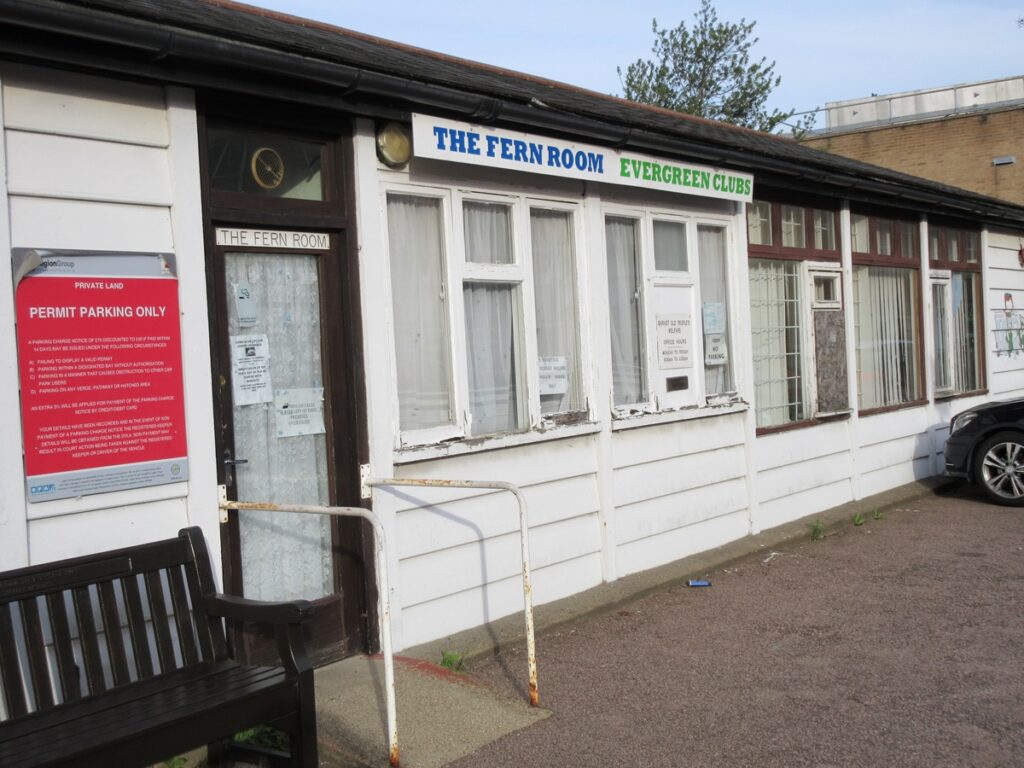
Of the 283 flats being proposed, 68 would be of only one bedroom when High Barnet desperately needed more family homes.

The loss of a well-lit station car park would pose a particular danger for women returning to High Barnet late at night.

“After all the objections we made to the last application, TfL are still not making it any easier for disabled passengers who need to be dropped off or collected at the station,” said Kim Ambridge, one of the founders of Hands-Off High Barnet.

John Dix of the Save New Barnet Campaign – which fought long and hard trying to prevent too many new flats being squeezed into the Victoria Quarter site – said he thought the station scheme was “really shocking”.

The children’s play space in the new development was the “absolute bare minimum” for under 11s.

“One of the children’s play spaces is a steep slope – it drops by 3.3 metres from top to bottom – with steps down the middle underneath one of the blocks.

“They call it the ‘undercroft’ play area, but the wind assessment says it is a problem area and is not for lingering.

“How any human being could classify this dark, draughty underpass as a play area is beyond me.

“The children’s play area for the 12-18-year-olds is, wait for it…500 metres away on Barnet playing fields.”

Mr Dix said he hoped Barnet Councillors read the details of the application, refuse to give approval, and tell the developers to go back to the drawing board.

To raise awareness of TfL’s application and publicise the rally on Sunday 7 September volunteers hope to distribute a leaflet – see below – to around 4,000 households in High Barnet.

Community groups across High Barnet organising co-ordinated fight back against plans for high rise blocks of flats at High Barnet tube station
Posted on 6 Comments

Landing on Barnet Hill soon – unless the Council can be persuaded to refuse it

This development would permanently alter the identity of Chipping Barnet. If approved by the Planning Committee, it would set an extremely damaging precedent for the town centre and neighbouring areas. We have until Friday 19 September to comment on it – see how to do so at the end of this post.

The planning application

Places for London (PfL, a partnership between Transport for London & Barratt London) want to build 283 flats over the whole of the present car park in blocks of 5 to 11 storeys high. You can see the full application at https://publicaccess.barnet.gov.uk/online-applications/ (reference no. 25/2671/FUL).

At a public meeting on 20 March Dan Tomlinson MP was neutral about the scheme, but asked PfL to deliver more benefits for the community. Examples suggested were moving the northbound bus stop closer to Station Approach and providing bus access to the station forecourt. Frustratingly, the application offers only some benches and better lighting to the pedestrian ramp and a couple of extra disabled car bays.

Mr Tomlinson has told the Society that he is reviewing the application and will reassess his position.
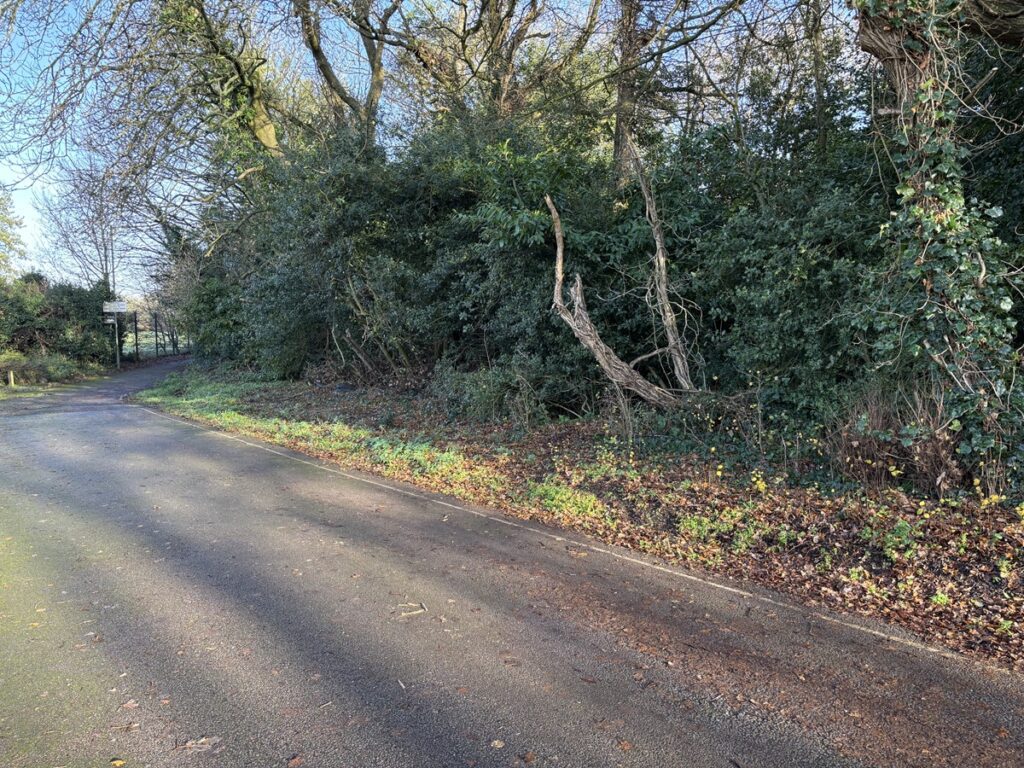
The Barnet Society’s response

The Barnet Society strongly objects to the application.
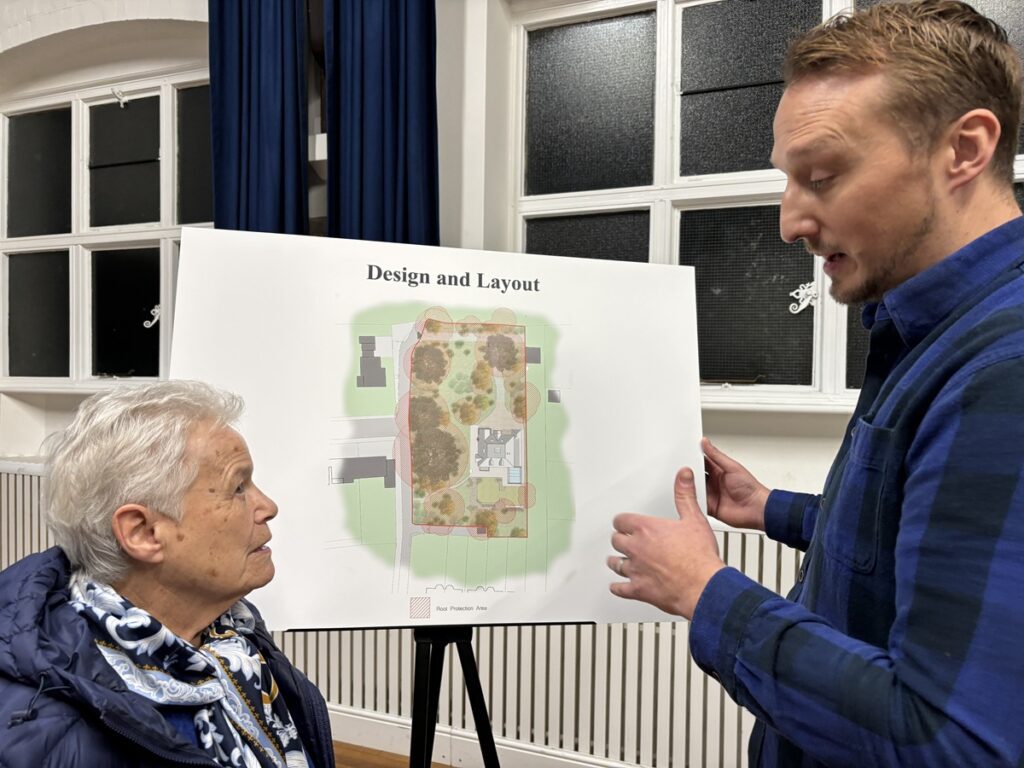
We do so with regret because we respect Barnet’s need for new homes and support good design. We also accept the principle of building at transport hubs, and would welcome improvements to this prominent site.

But the designs submitted are not appropriate for this location. They amount to massive overdevelopment, to the great detriment of the character of Chipping Barnet and with almost no compensating benefits to the local community. Our main objections are summarised below.

An alien imposition

The designs are entirely out of scale and character with our green and historic neighbourhood.

At the top and bottom of Barnet Hill, few buildings exceed three storeys, but those proposed would rise over three times as high. They would totally dominate the existing townscape and greenery that make High Barnet, Underhill and Barnet Vale special. They would break the historic skyline from several viewpoints.

Two of the published visualisations are particularly misleading. View 2 (from Underhill) shows only three of the five blocks. Our own version (above) shows a truer picture.

View 14 (from Pricklers Hill) hides St John the Baptist’s church, which currently dominates the skyline, behind a tree. Below, our version demonstrates how the development would compete with – and detract from – the traditional preeminence of the church.

We do not object to gentle densification of our neighbourhood, but this would be a brutal and irreversible step-change.

It would also be a clear breach of Barnet Council’s own recently-adopted Local Plan, which expressly rules out buildings over 7 storeys at High Barnet Station.

The developers’ claim that ‘the tallest building serves [as] a welcoming and attractive gateway from the Station’ is a sublime example of marketing oversell. The trees lining both sides of Barnet Hill already provide a distinctive and beautiful southern ‘gateway’ to our town. The Station needs no such a grandiose landmark: its reticence is part of its charm.

An unsustainable neighbourhood

The applicants and their designers describe their proposals as an ‘exciting well-connected and highly sustainable residential neighbourhood’ (Planning Statement 2.6). On the contrary, it is disconnected and unsustainable at almost every level.

The constraints of the A1000, Northern Line, TfL structures, unstable geology and sloping topography force the applicants to propose a height and density that would be expensive to build, service and maintain for decades to come.

Squeezed between the busy, noisy and polluted road and railway, the new homes could not economically provide healthy environments internally or externally. The promised Passivhaus standards require levels of construction skill and expenditure that we doubt would be attainable.

Flat layouts are often poor.  Some are only single-aspect and, facing north-east, would have very poor sunlight and natural ventilation. A high proportion face south-west with potential to over-heat in summer. Expensive acoustic mitigation and mechanical ventilation (costly to run) would be necessary.

Only 35% of the total number of flats would be ‘affordable’. No guarantees are provided to restrict buy-to-let or overseas investors. At least some of the flats would probably become over-occupied, resulting in a population of nearly 1,000 with no gardens and minimal amenity space.

It would have a high proportion of children but only token outdoor play space. Outdoor play and social space for older children, young adults and the elderly would be negligible. Family stress would increase.

A truly sustainable scheme would place public health, community energy and low waste at its heart. It would be complemented on-site by a rich range of habitats and community gardening, and supported by excellent public transport connections and cycleways. None of these are on offer. Biodiversity net gain could only be achieved by substantial off-site provision. Residents would lack most of the physical, social and economic infrastructure necessary for a settled, inclusive and intergenerational neighbourhood.

An unsafe environment

We are unconvinced that there would be a net improvement in safety. Removal of all general car parking spaces would increase risks to women and other travellers with concerns for their personal safety, especially in late evening and early morning.

Although the ‘woodland walk’ would get an upgrade, the new recessed benches are likely to encourage misuse. The long and contorted strip between the new flats and the tube tracks would invite anti-social behaviour. With its many dark recesses and corners, the project would rely heavily on CCTV cameras and external lighting to meet Secure by Design standards.

Lack of community benefits

Connectivity between tube, buses, taxis and private vehicles would remain poor. Direct bus access to the Station forecourt is ruled out. TfL make no commitment to moving the northbound bus stop closer, or to a cycle lane on Barnet Hill. Pedestrian and wheelchair accessibility would be only slightly improved. Congestion would worsen.

New demand for local surgeries, nurseries and schools would be significant, with no certainty of the developer’s contribution to meeting it.

Loss of car parking

We are unconvinced by the rationale for removing the car park. The only spaces left would be a few disabled bays and (ironically) those for TfL staff. Yet park-and-ride is an option highly valued by residents on the fringes of Barnet and Hertfordshire and boosts tube use. Without improved public transport and connectivity to the Station consequences would be severe, both for travellers and for residents near the Station.

The inconvenience and distress caused by CPZs has lately been illustrated at Underhill South. Similar protests can be expected from residents in the proposed Zones E (Barnet Lane & Sherrards Way) and F (Meadway, Kingsmead, Potters Lane, Prospect Road, Leicester Road & King Edward Road) as well as others affected in Barnet Vale and parents of pupils at St Catherine’s RC Primary School, many of whom have to drive considerable distances due to its wide catchment area.

Postwar mistakes repeated

The mistakes of postwar estate planning – not least in the nearby Dollis Valley Estate – have been forgotten. If approved, in a few years’ time future Barnet residents, politicians and planners will wonder how this development was allowed to happen.

Above: proposed view from King George’s Fields

How you can comment

Have your say one of these ways:

  1. on the Council’s planning portal (ref. no. 25/2671/FUL) via the Comments tab;
  2. email comments direct to planning.consultation@barnet.gov.uk;
  3. post your comments to the Planning Officer: Sam Gerstein, Planning and Building Control, Barnet Council , 2 Bristol Avenue, Colindale, NW9 4EW.

In the cases of 2 & 3, be sure to include the application reference no. (25/2671/FUL) clearly at the top plus your name, address and postcode.

Increase the effectiveness of your objection by sending a copy of your comments to our MP dan.tomlinson.mp@parliament.uk and to your local Councillors.

Posted on

Race is on for community groups rallying opposition to “massive” high-rise redevelopment around High Barnet tube station

Overwhelming local opposition is emerging to Transport for London’s latest application to build five high-rise blocks of flats on a car park and land alongside High Barnet tube station.

Since plans were published four weeks ago, the response has been heavily against the scheme for being a “massive overdevelopment” with the tallest 11-storey block being described as “horrendous” and “overbearing”.

But the race is now on among community groups to raise public awareness and marshal their case against the plan before the September 2 deadline for registering comments with Barnet Council.

Ward councillors and High Barnet MP Dan Tomlinson are to be briefed by the Barnet Society and Barnet Residents Association as the two organisations finalise their detailed responses.

There have been some complaints of underhand tactics: Why is a consultation on such a significant application being conducted during the summer holidays when so many residents are likely to be away? 

Some of the comments posted so far online have been in favour arguing that 283 new flats would provide “much-needed housing” and “smarten up” the area.

But comments posted on the Barnet Society website since 23 July – and direct responses to the society’s draft of its own objections to the plan – indicate mounting opposition.

Issues of greatest concern are the potential harm a massive development might have on the historic character of High Barnet; the loss of the station car park; the smallness of the flats (68 of 283 would be one-bedroom); the lack of community benefit or support for a new neighbourhood of nearly 1,000 people; and the failure to make substantial improvements to public access to the station and connections for bus passengers.

A fuller understanding of the implications of the development by TfL’s subsidiary Places for London is generating additional criticism.

To offset the loss of the station car park – and prevent commuters parking in nearby roads – new controlled parking zones are being proposed for Underhill (Barnet Lane/Sherrards Way) and Barnet Vale (Meadway, Kingsmead, Potters Lane, Prospect Road, Leicester Road and King Edward Road).

There are also increasing doubts about the poor layout inside the blocks and fears that a high proportion of the flats facing south-west could probably overheat in the summer.

Robin Bishop, who leads for the Barnet Society on planning and environment, says the five blocks of flats would have a brutal impact on the existing townscape and greenery of High Barnet, Underhill and Barnet Vale.

The tallest block of 11 storeys – seen superimposed in orange on the photograph above of the view taken from Pricklers Hill –would “break the historic skyline from several viewpoints and compete with, and detract from, the traditional pre-eminence of St John the Baptist parish church”.

“Our main objections to the scheme are to the alien scale and character of the designs; its unsustainability as a neighbourhood; its unsafe environment; and the lack of community benefits.”

Under the approved Barnet local plan, land around the tube station is earmarked for the construction of up to 300 homes but with a height limit of seven storeys.

Breaking that undertaking by approving the plan would be regarded by the scheme’s opponents as a grave betrayal by Barnet Council.

Community groups marshalling opposition to massive high rise flats at High Barnet tube station before deadline for comments on 2 September.

If the application is approved, it would mean the closure of the container yard operated by Container Safe Ltd which rents out around 120 self-storage containers on what was originally the station coal yard.

Paul and Bev Meehan, who run Container Safe, say that under the terms of their lease for the site from TfL they are subject to six months’ notice.

The couple faced the same uncertainty in 2020 when an application was made to build 292 flats on the site – a plan that was subsequently withdrawn.

They point to the fact that they do provide a vital service for many small businesses and traders in and around High Barnet who store equipment and supplies inside the containers.

Storage space has become increasingly expensive for small businesses which find the rents being demanded on new industrial units are prohibitive.

Comments on the plan can be made via the Barnet Council website quoting reference no. 25/2671/FUL.

Alternatively, you can email comments direct to planning.consultation@barnet.gov.uk or post your comments to the Planning Officer: Sam Gerstein, Planning and Building Control, Barnet Council , 2 Bristol Avenue, Colindale, NW9 4EW. In both cases you must also include the application number (25/2671/FUL) and address (High Barnet Underground Station Station Approach Barnet EN5 5RP) plus your name, address and postcode.

The Barnet Society recommends that views should also be forwarded to your local councillors.