
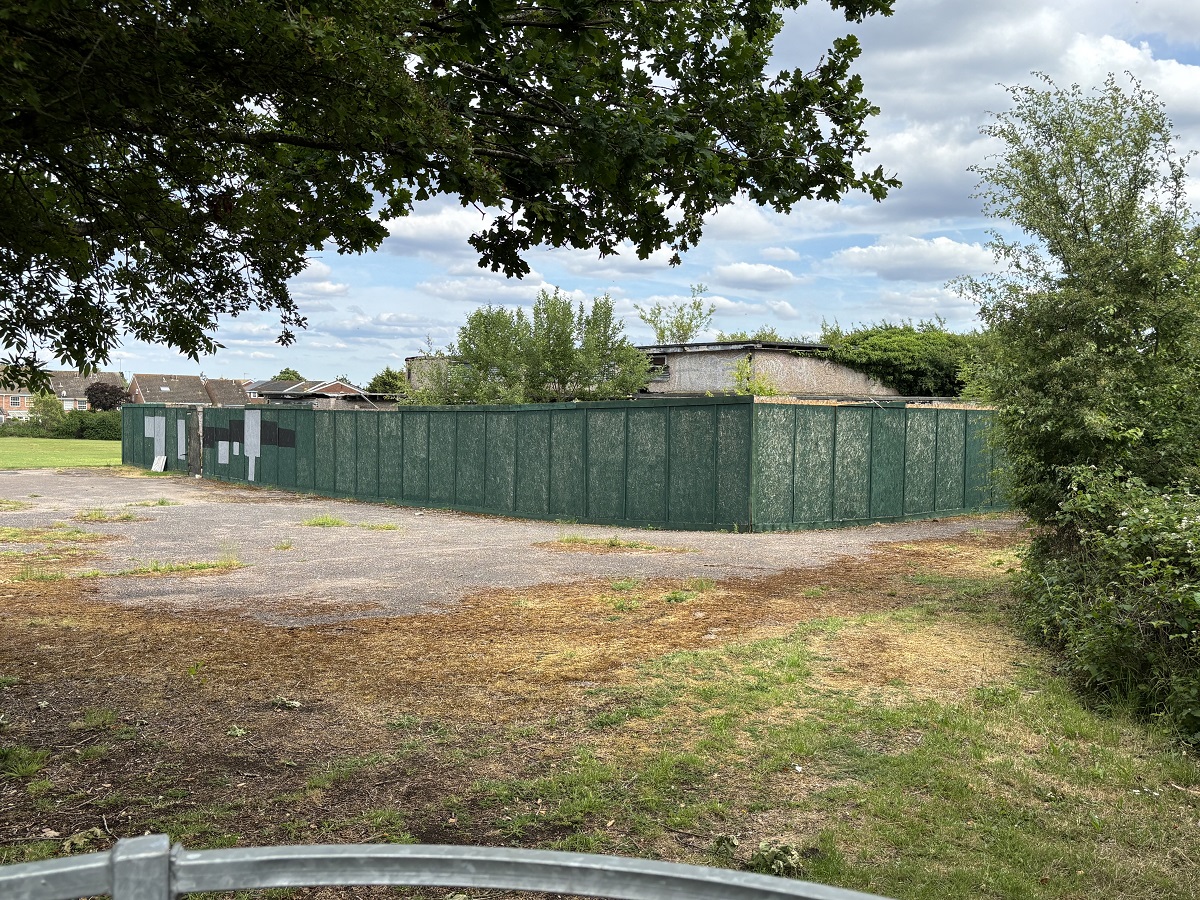
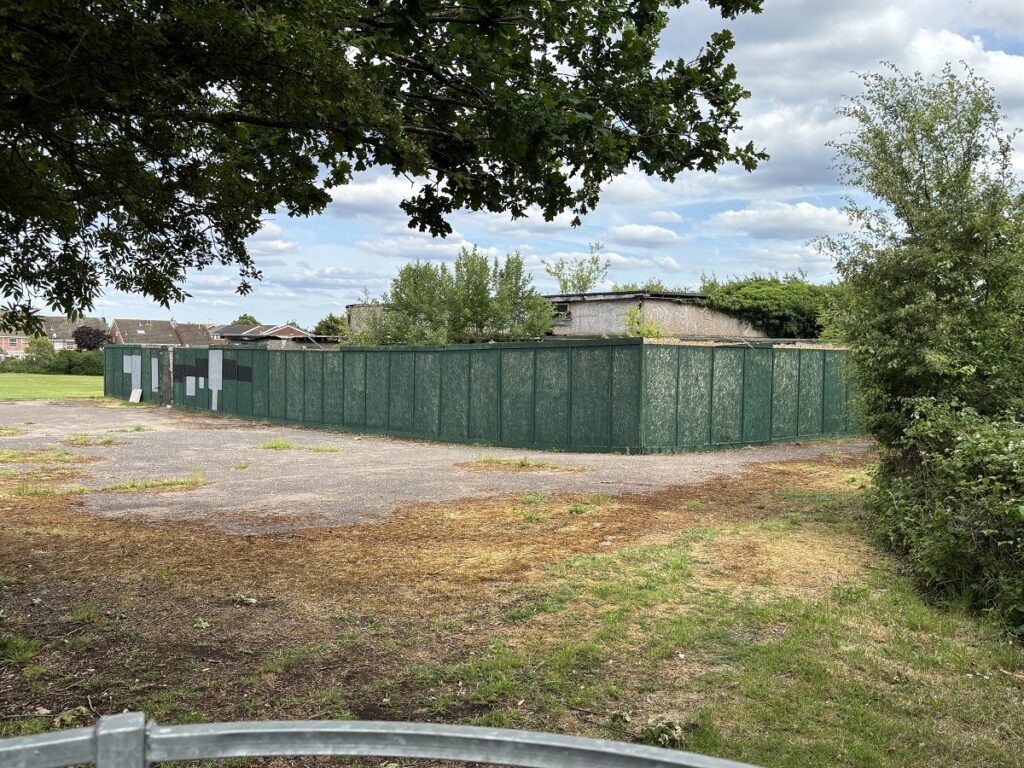
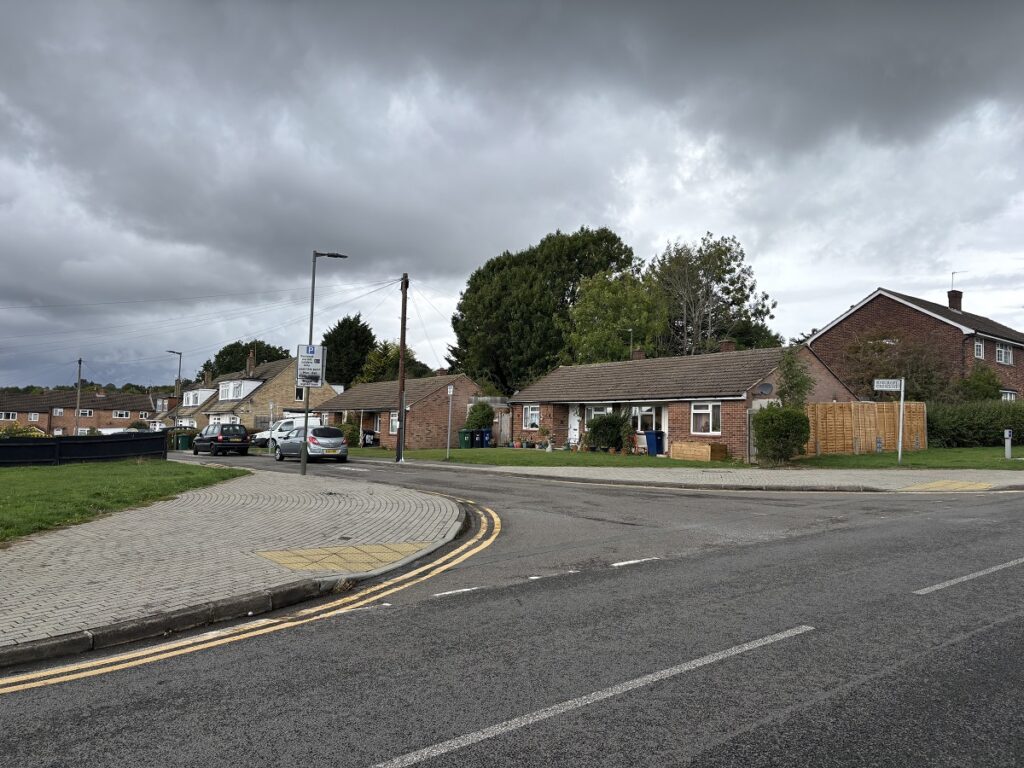
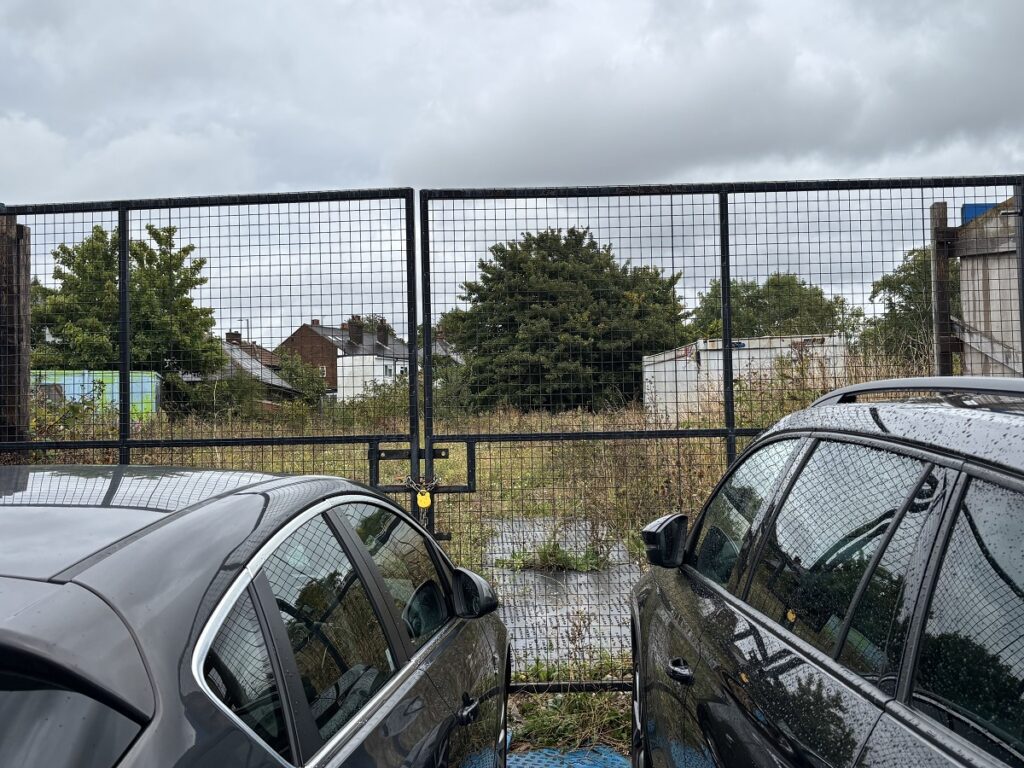
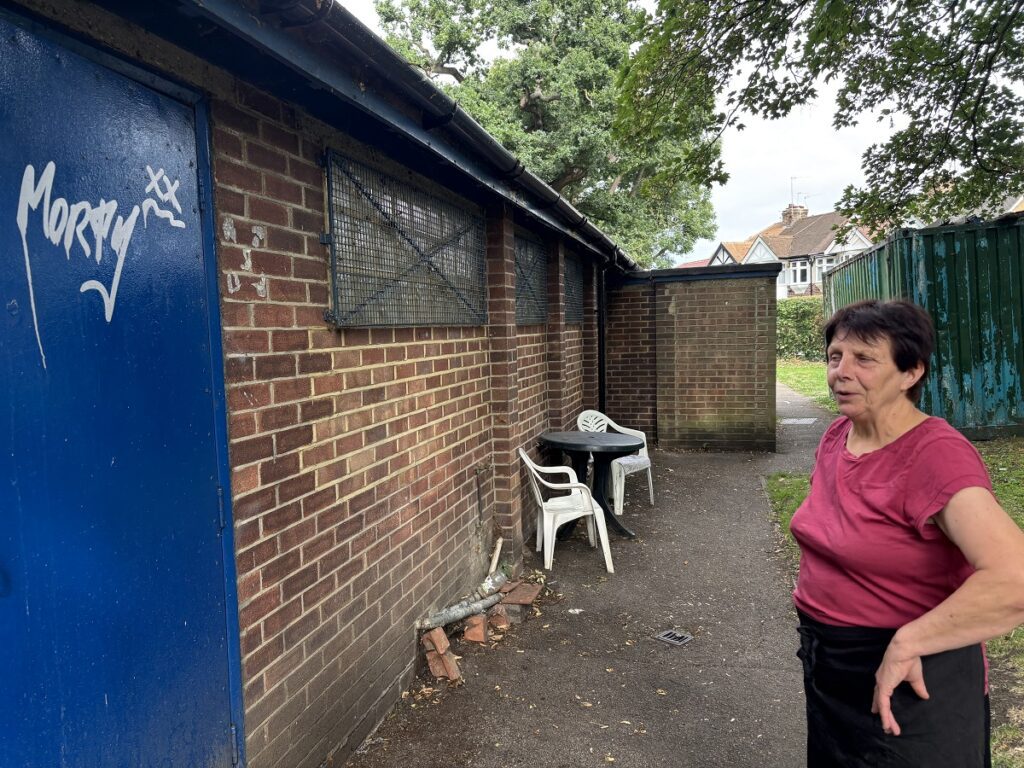
After years of frustration about the state of the derelict and vandalised former Quinta Youth Club, residents in Mays Lane and surrounding roads are applying to have the building and adjoining village green registered as an asset of community value.
They regard this as the only way to secure the site for community use in case there is an attempt to sell the site for redevelopment.
Over 30 residents have already signed up in support of the application which has been made by the 200-strong Quinta Green Residents Association.
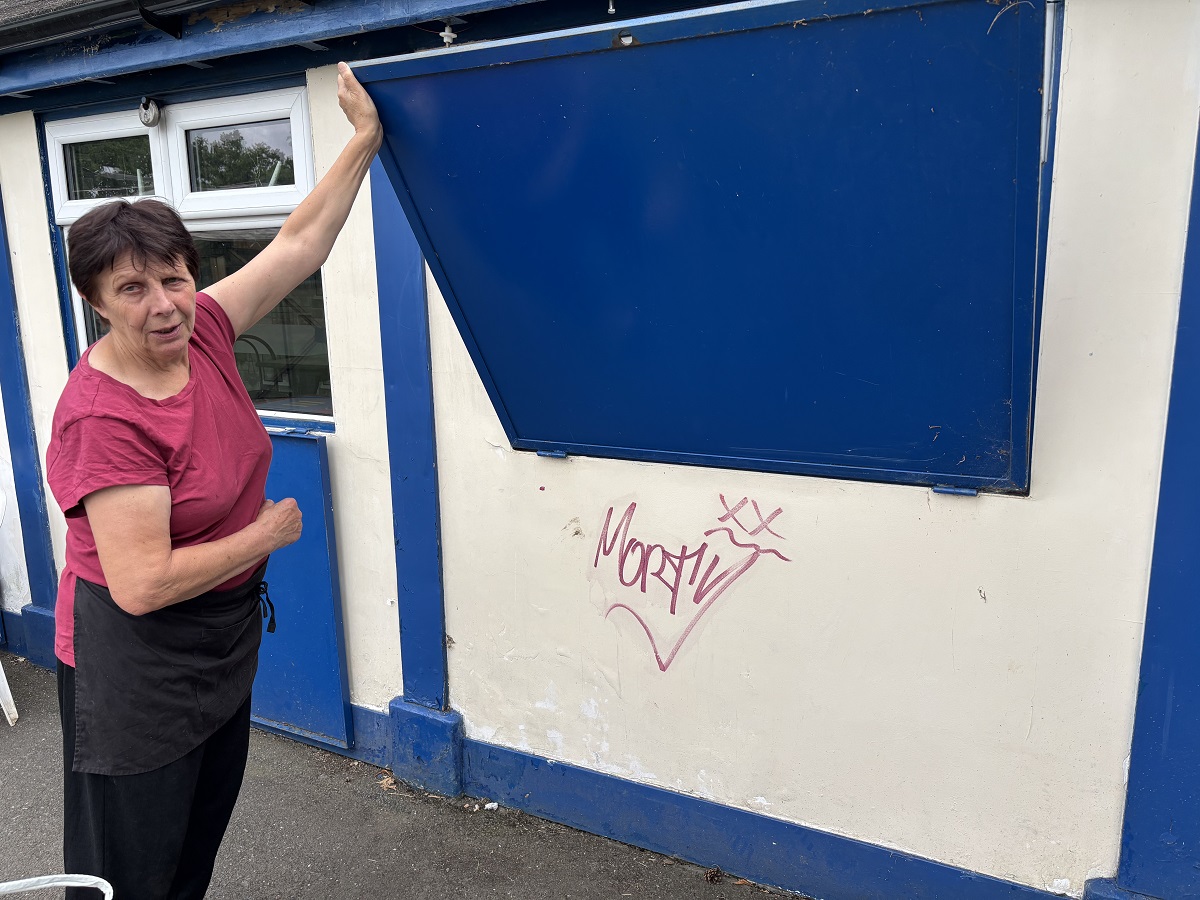
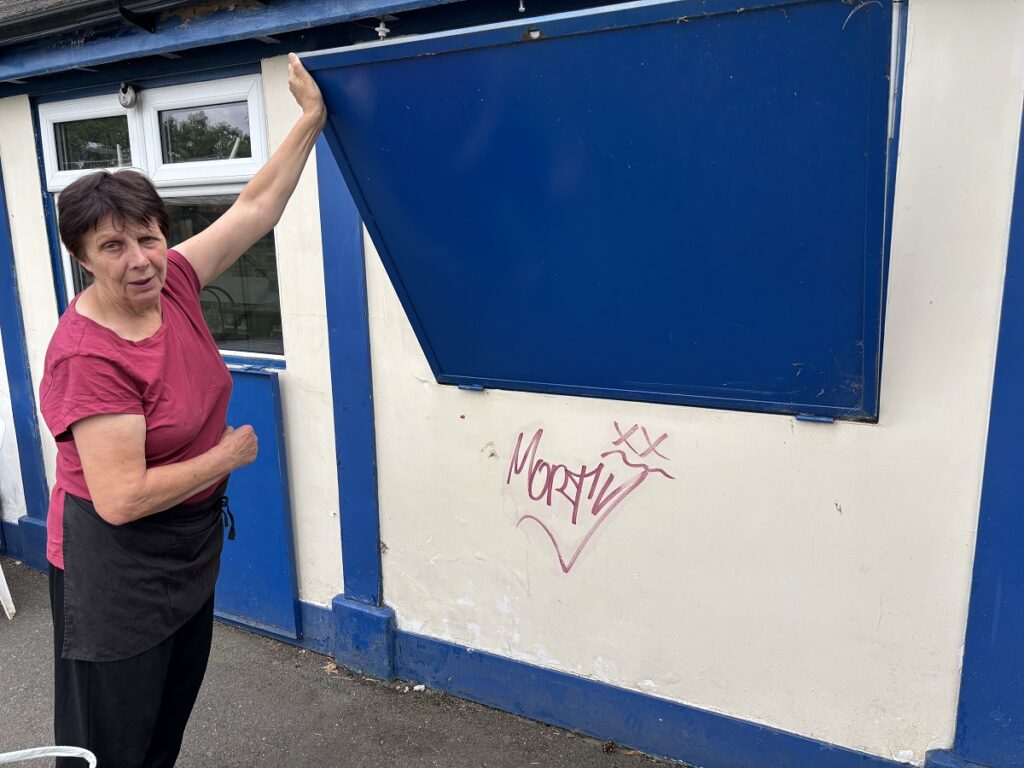
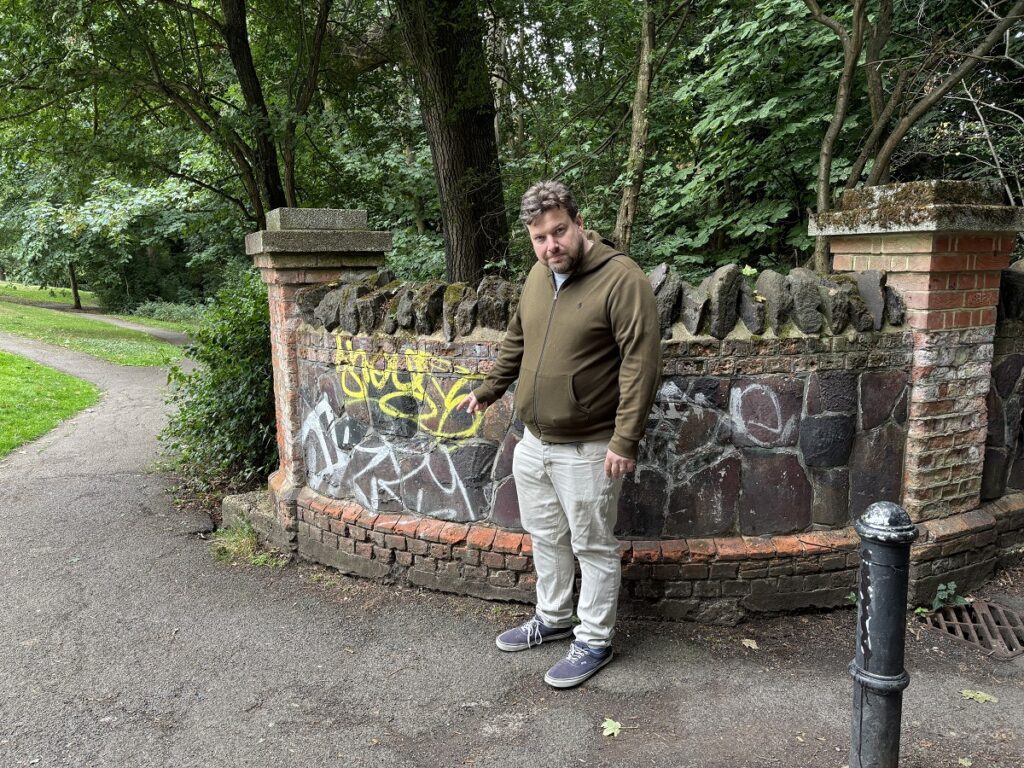
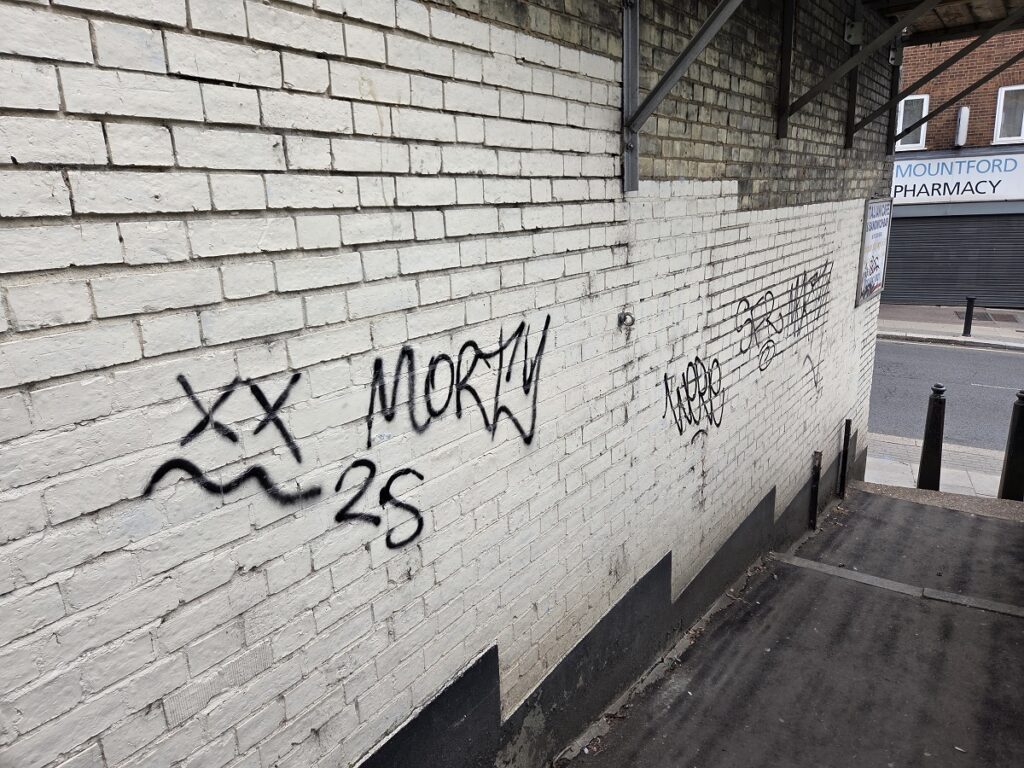
A campaign to try to persuade Barnet Council to refurbish or rebuild the boarded-up youth club was launched in the summer but there has been continued vandalism, and no action has been taken to secure the building or tackle the disrepair.
Local volunteers built the clubhouse in the 1960s and it served first as a youth club and community hub, later becoming a nursery and meeting place.
The clubhouse is in a corner of Quinta Village Green which was registered as a public open space in 2010 after a public inquiry following a campaign by residents to ensure that it was preserved for community use and maintained by the council.
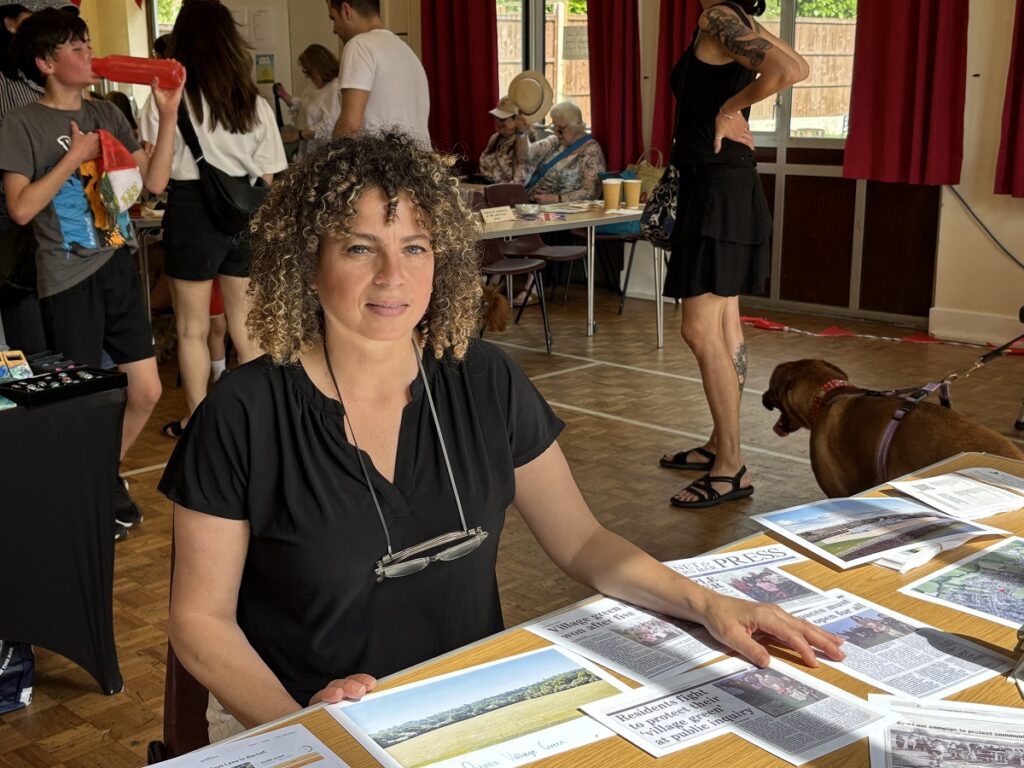
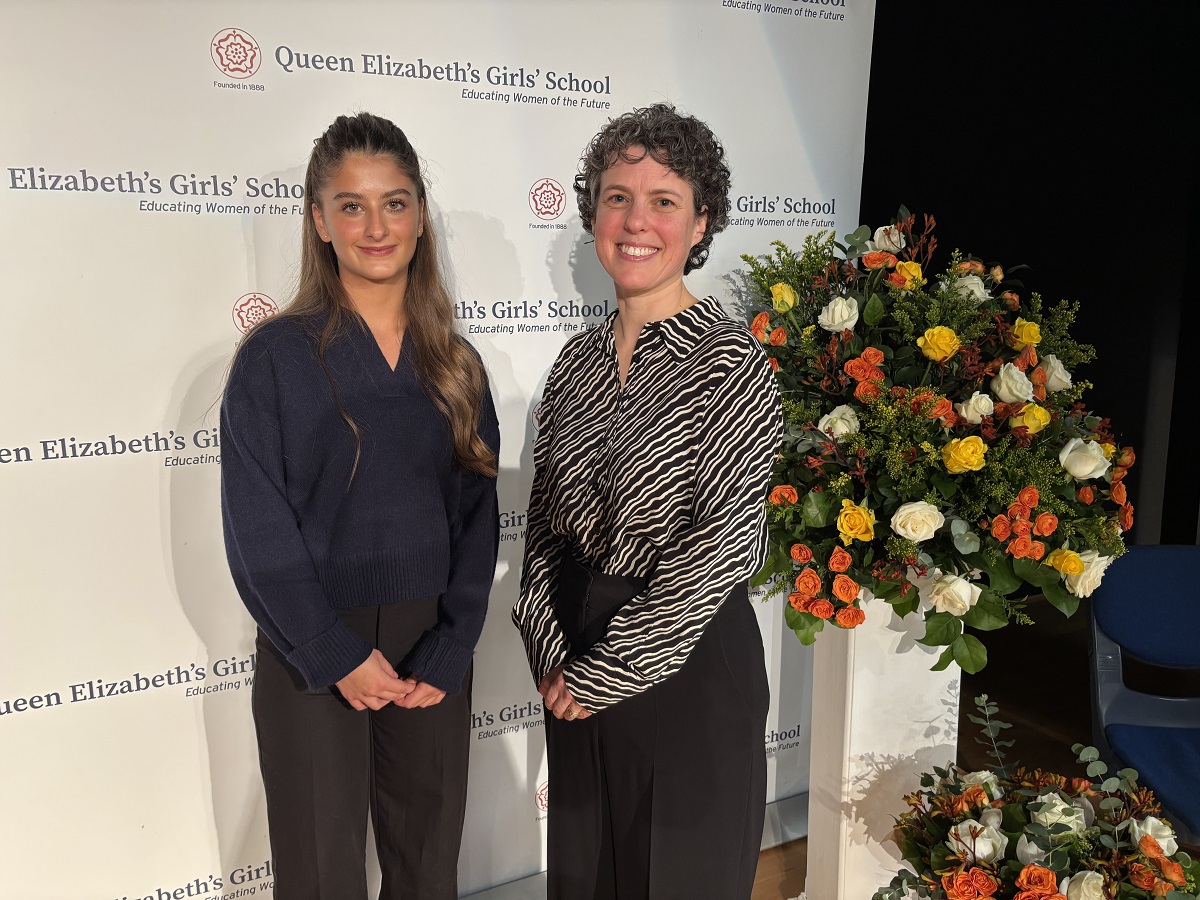
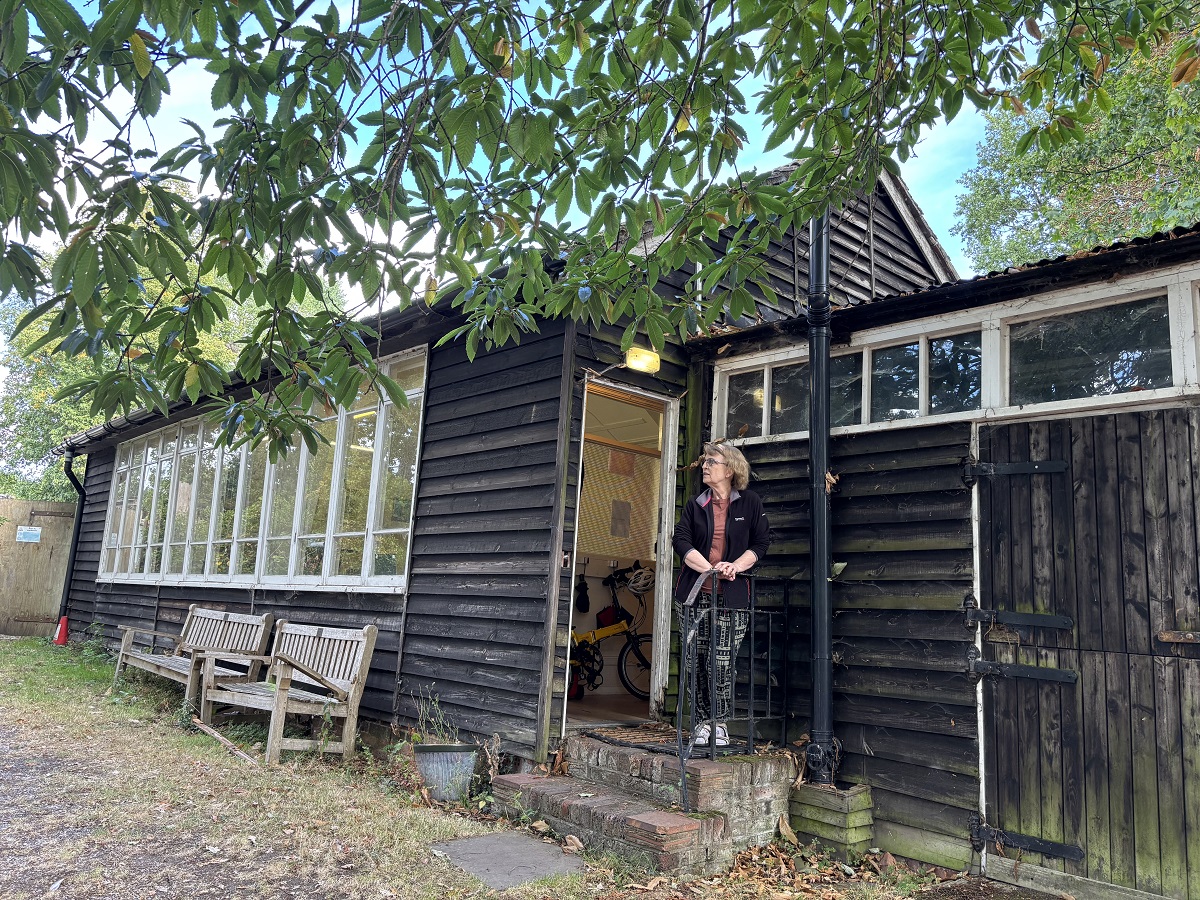
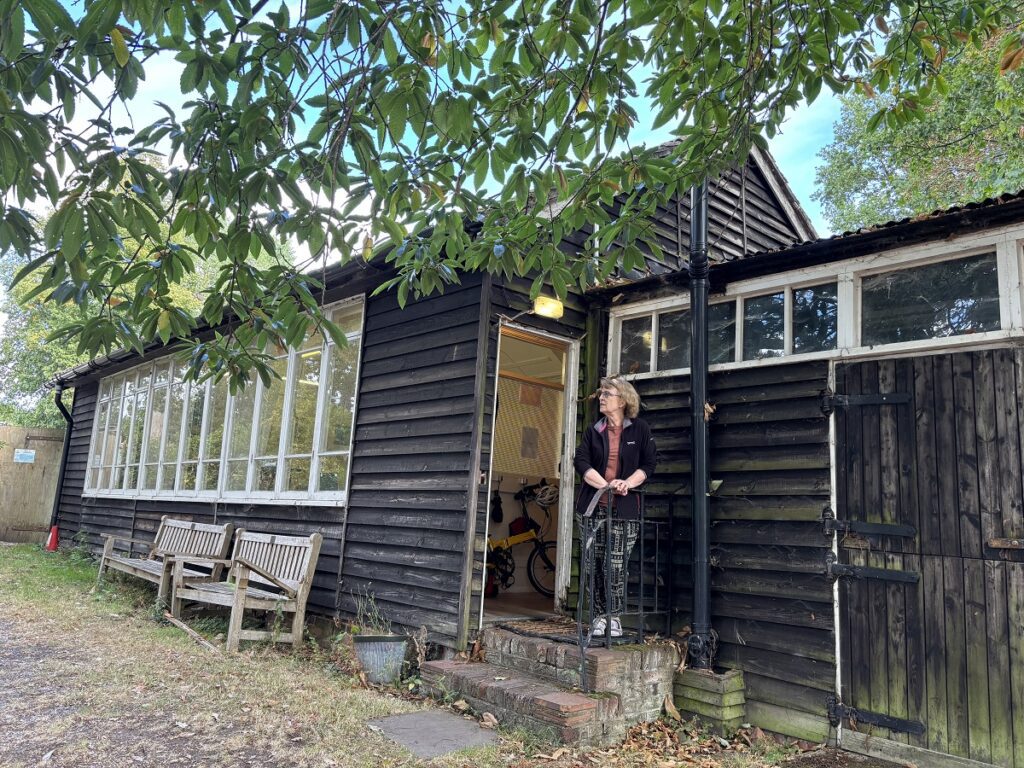
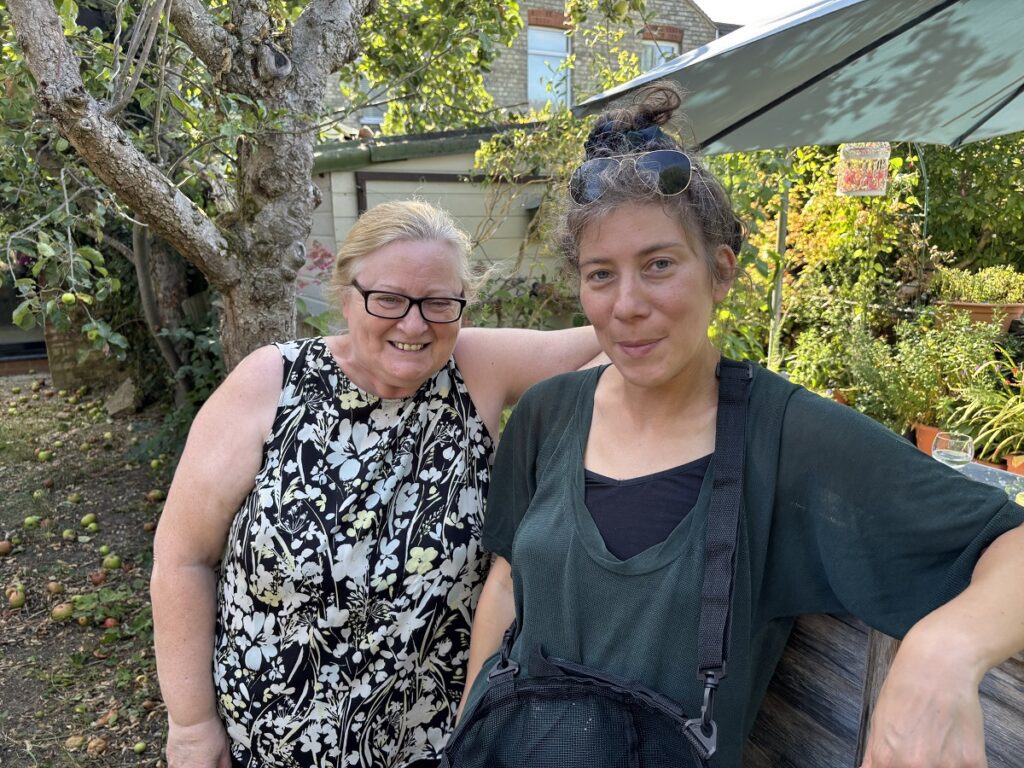
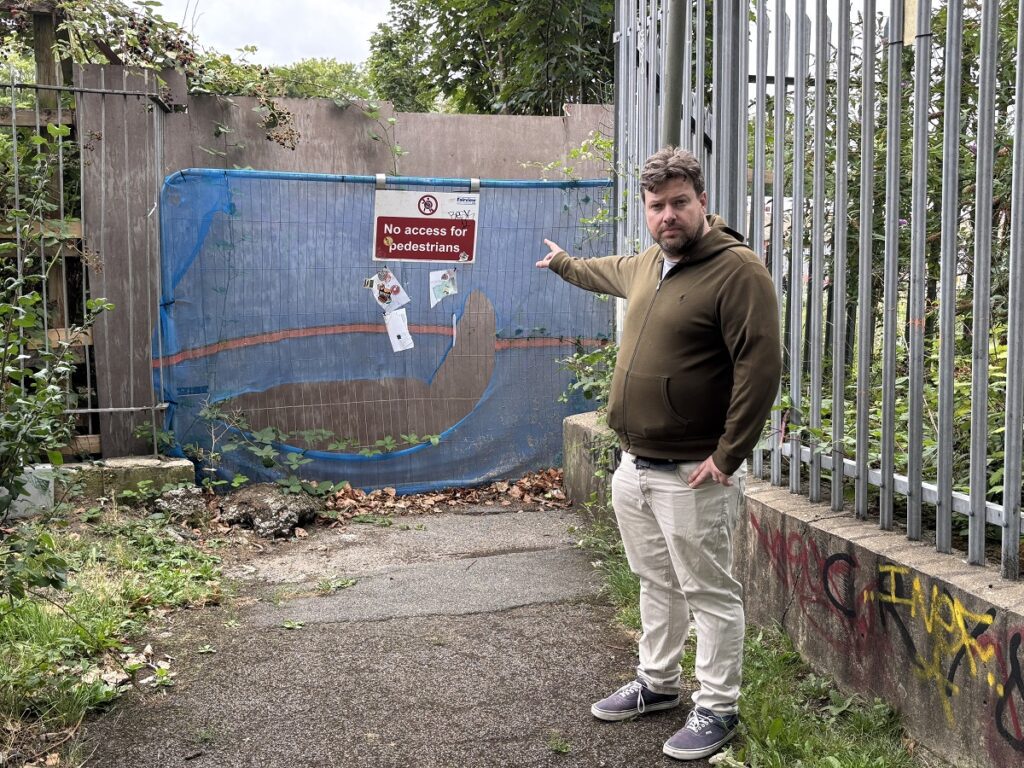
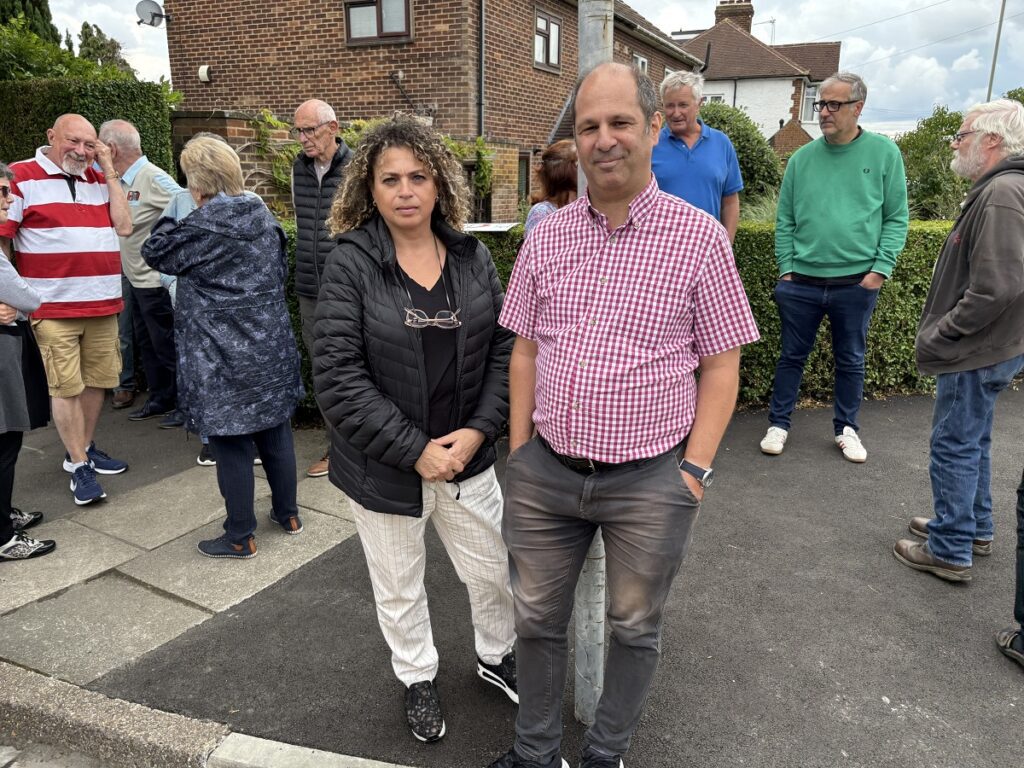
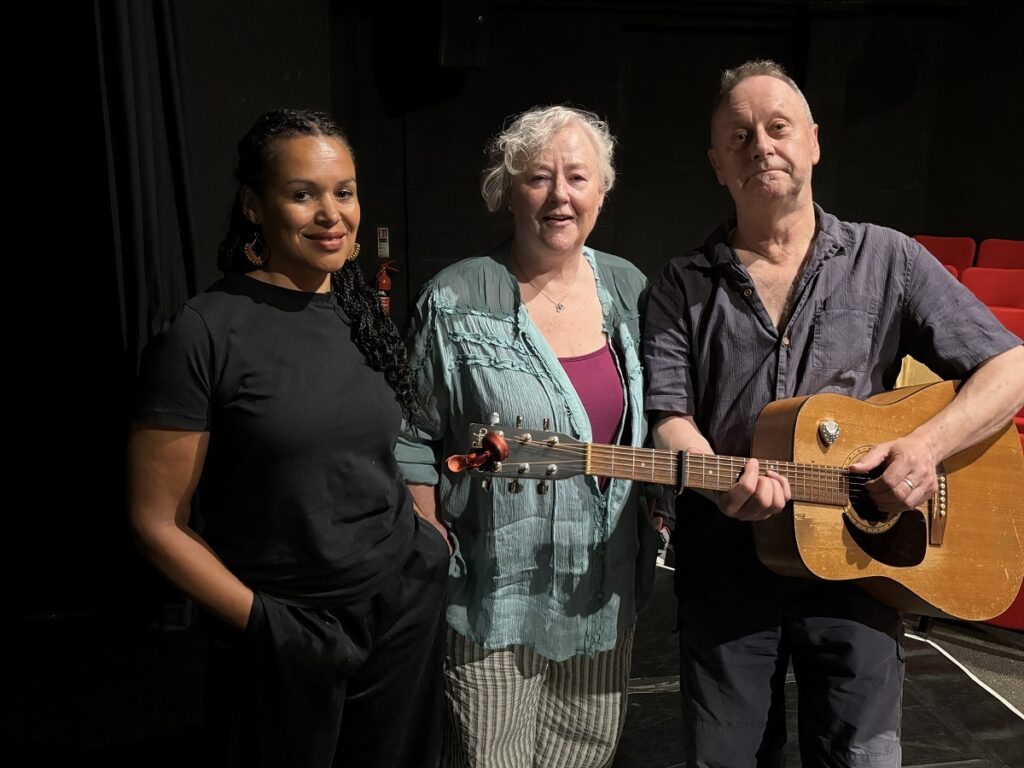
Gina Theodorou (above), chair of the Quinta Green association, said that registering the clubhouse and green as an asset of community value was “a once in a generation” chance to get the building back into community use.
“For too long the Quinta Youth Club has been left derelict, attracting vandalism and arson.
“With strong community support, we are asking our councillors and our MP to stand with us in safeguarding this historic site for the benefit of the whole area.”
Ms Theodorou recognised that the scale of disrepair has made it difficult to lease the building.
Registering it as an ACV would give the community the chance to take it over once again and restore it for public use which would improve the area and help tackle antisocial behaviour.
Planning approval was given in 2021 for use of the clubhouse to be changed from community use to become a store for the library service for schools in the Borough of Barnet.
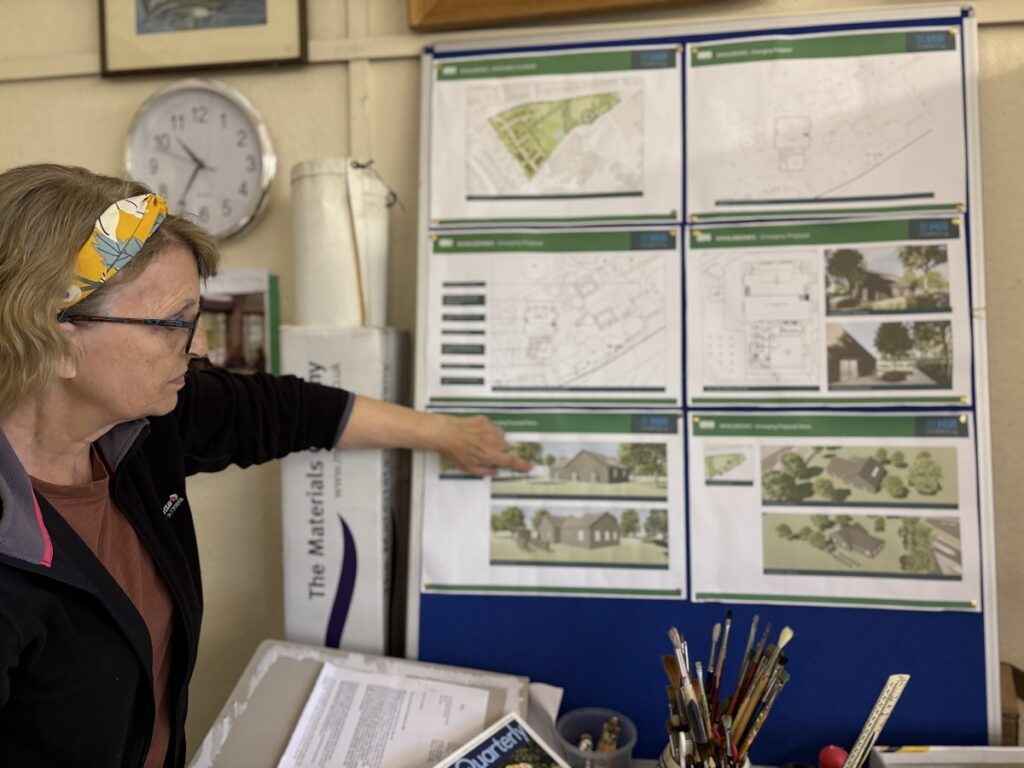
There were proposals to refurbish the single-storey building, install new doors and windows, and use it for the storage, archiving and dispatching of library books for the borough’s Schools Library Resource Service.
But no action was taken to implement the plan, resulting in the mounting concern of residents about the failure to tackle the vandalism and disrepair.

























Mr N M Sanders posted a comment on High Barnet to have two community-inspired public houses within 300 yards of each other and each run by local residents
Disgruntled of Barnet posted a comment on Fiery exchanges as Labour and Conservative councillors clash over accuracy of list of green belt sites for housing around High Barnet
Bruce Mercer posted a comment on High Barnet to have two community-inspired public houses within 300 yards of each other and each run by local residents
Justin Chin posted a comment on Small stretch of Barnet Playing Fields at Underhill set aside for new Dollis Valley community orchard