
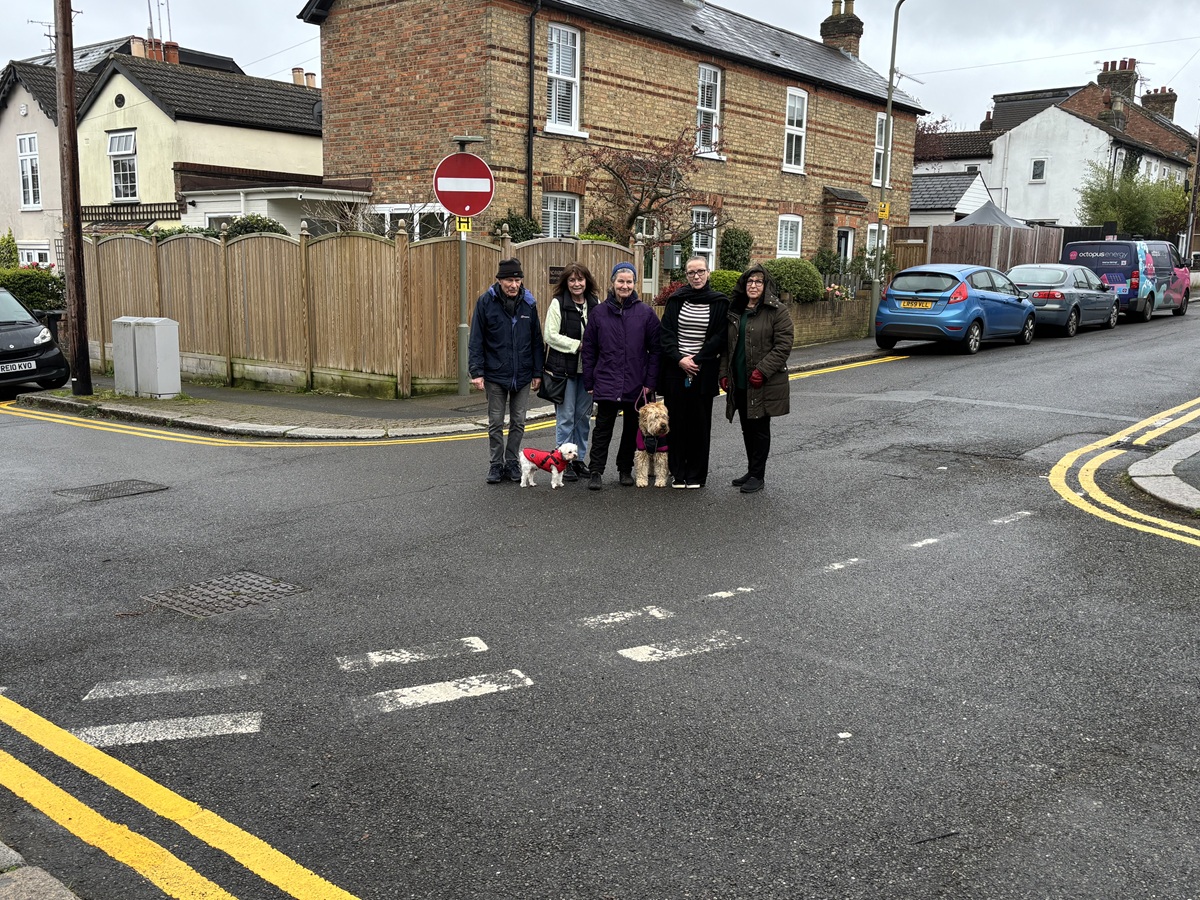
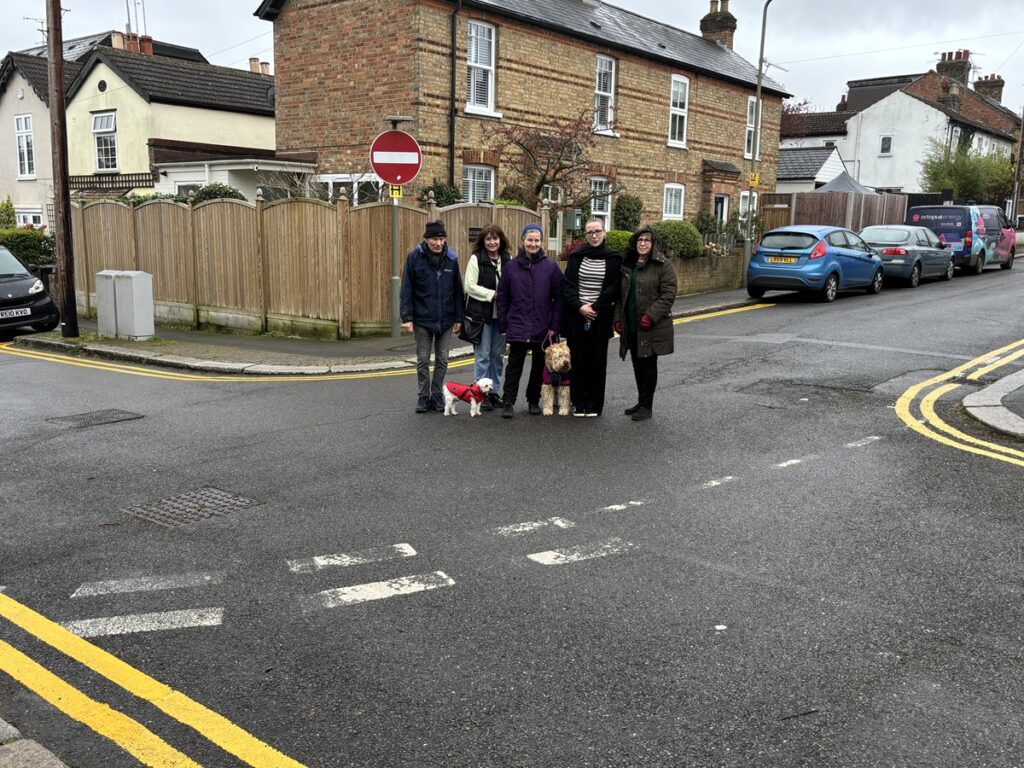
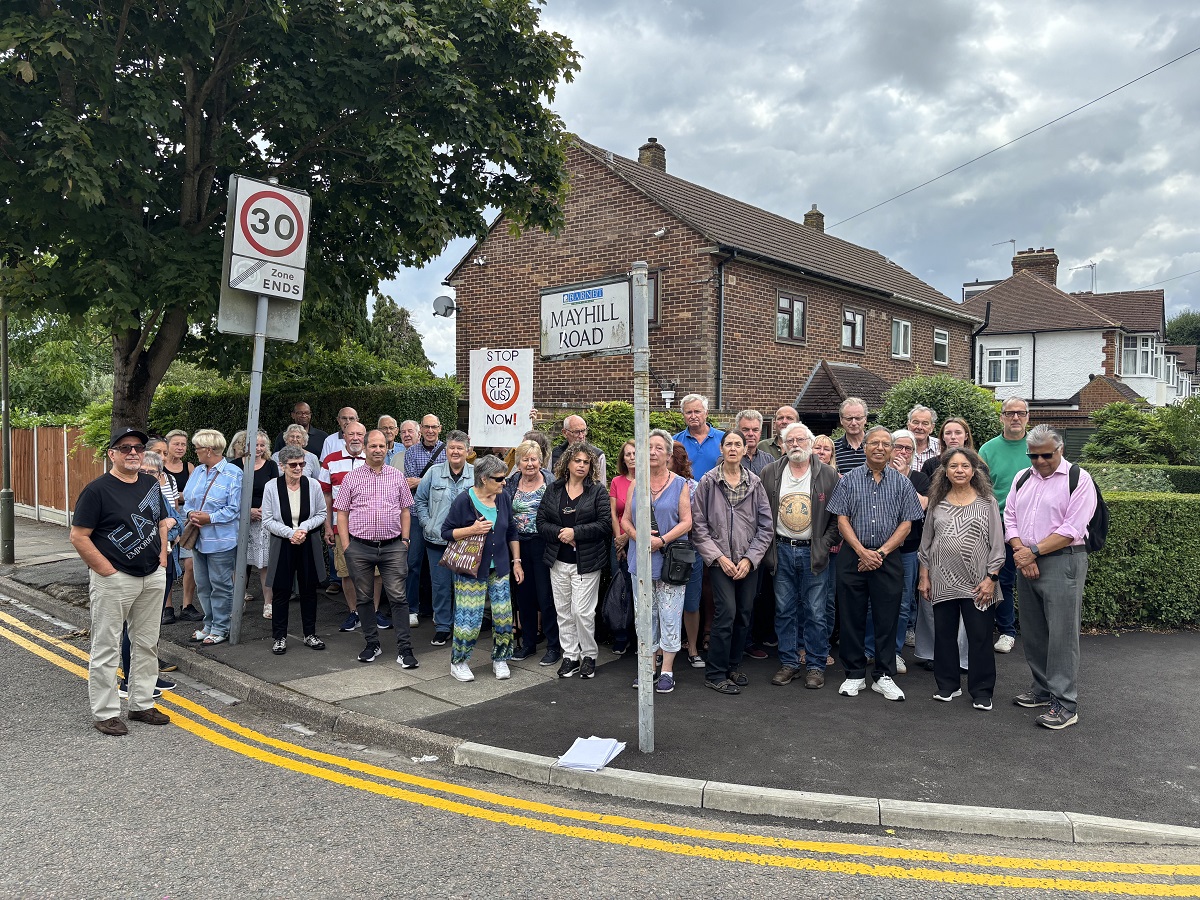
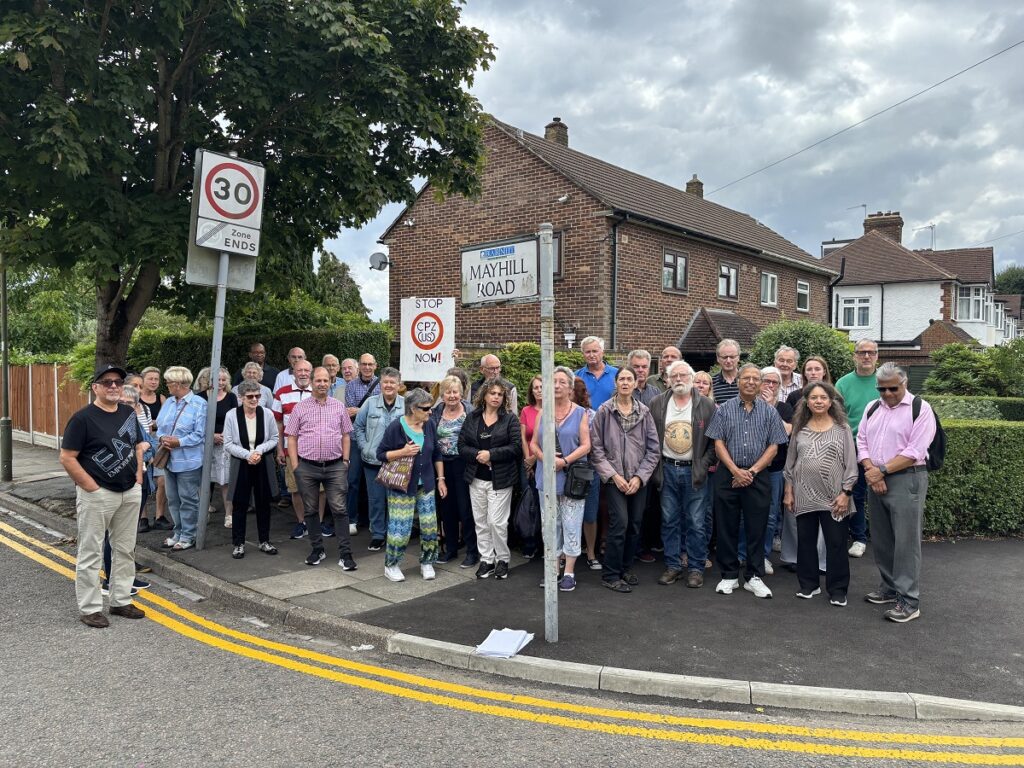
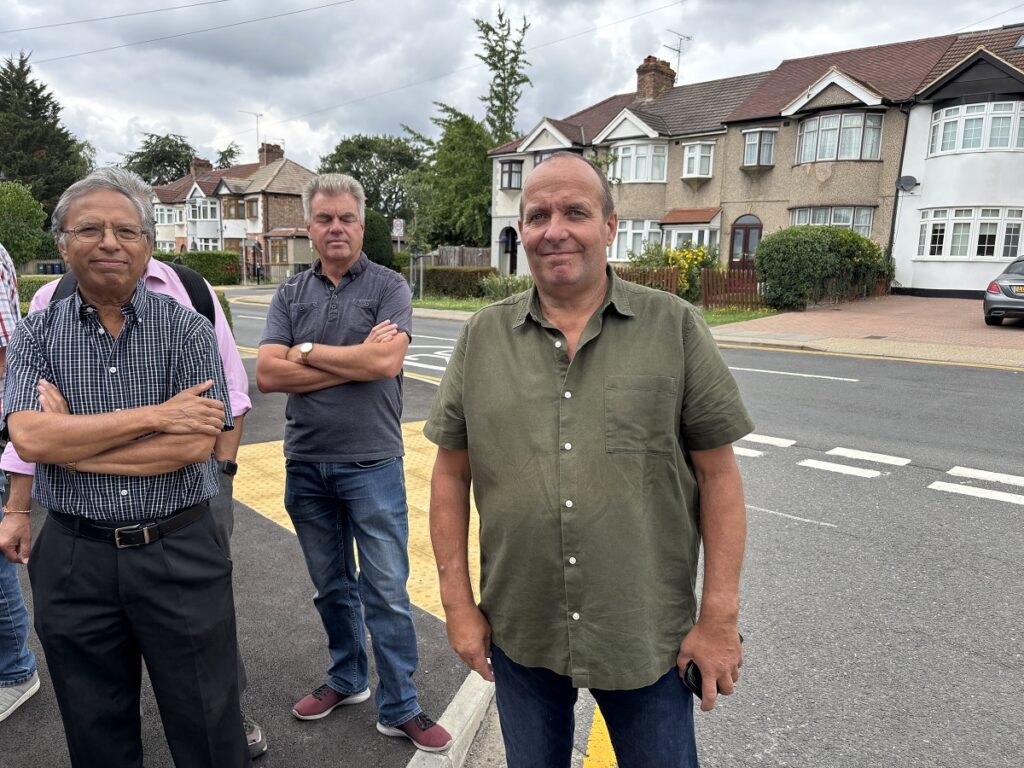
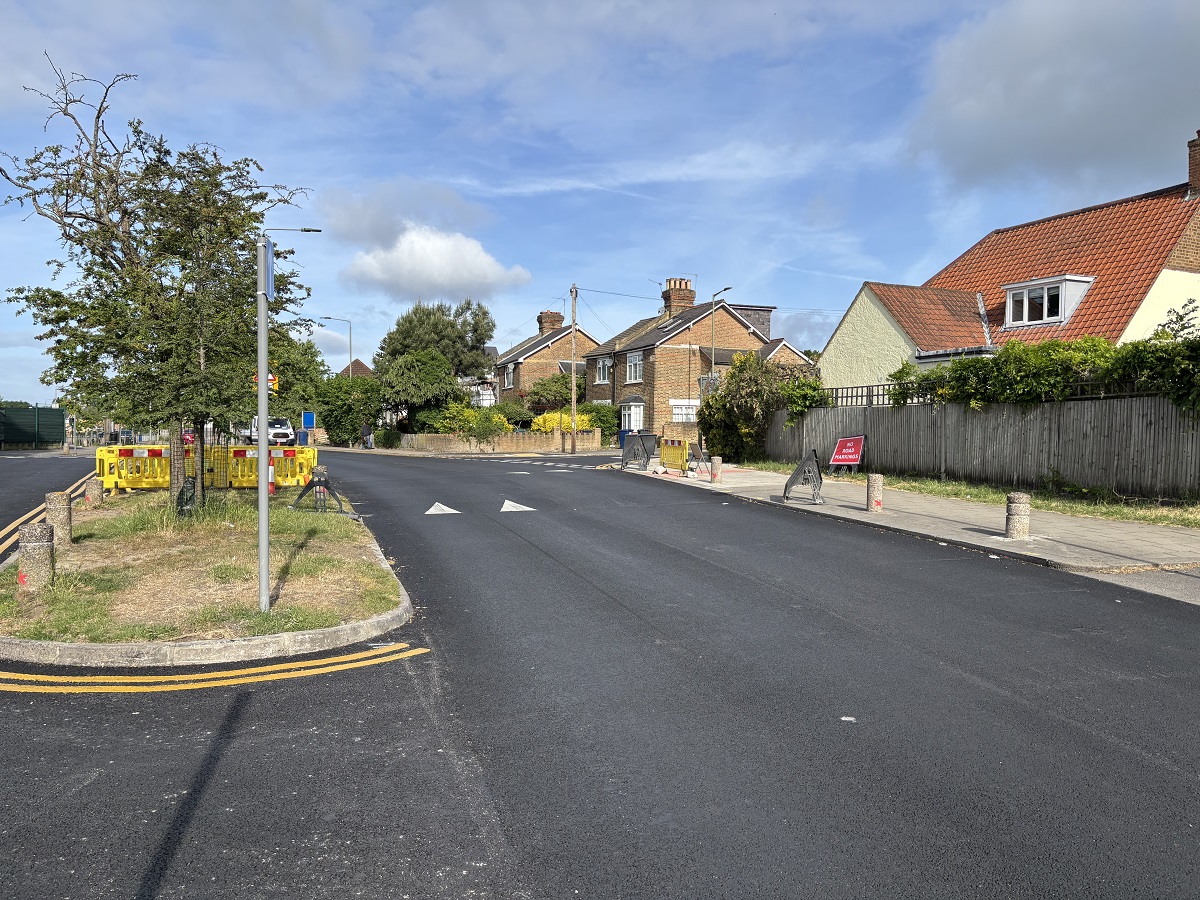
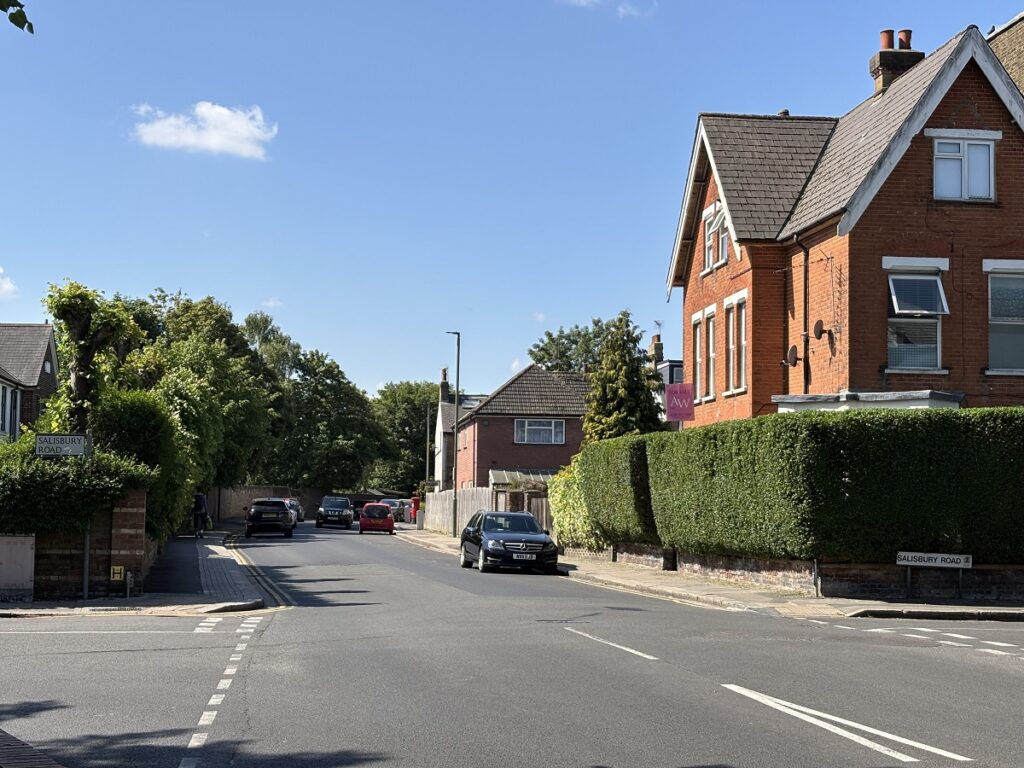
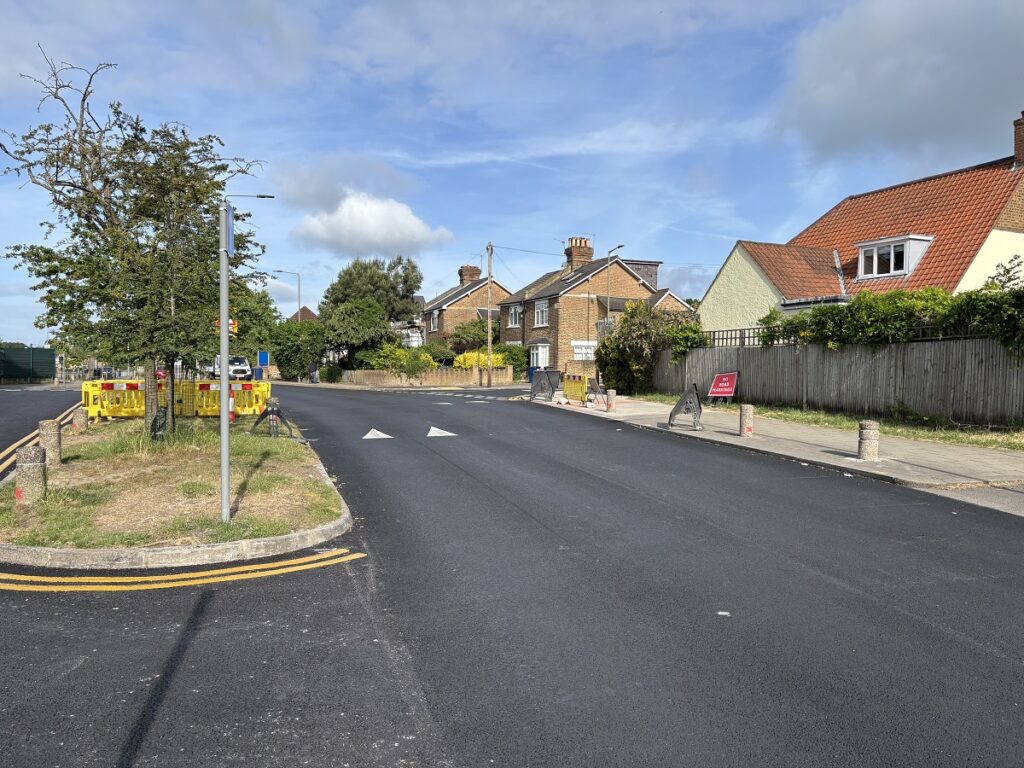
Residents of two narrow streets of mainly small cottages and terraced homes claim they have been ignored and abandoned by Barnet Council which has imposed double yellow lines at the junction of Sebright and Calvert Roads without proper consultation.
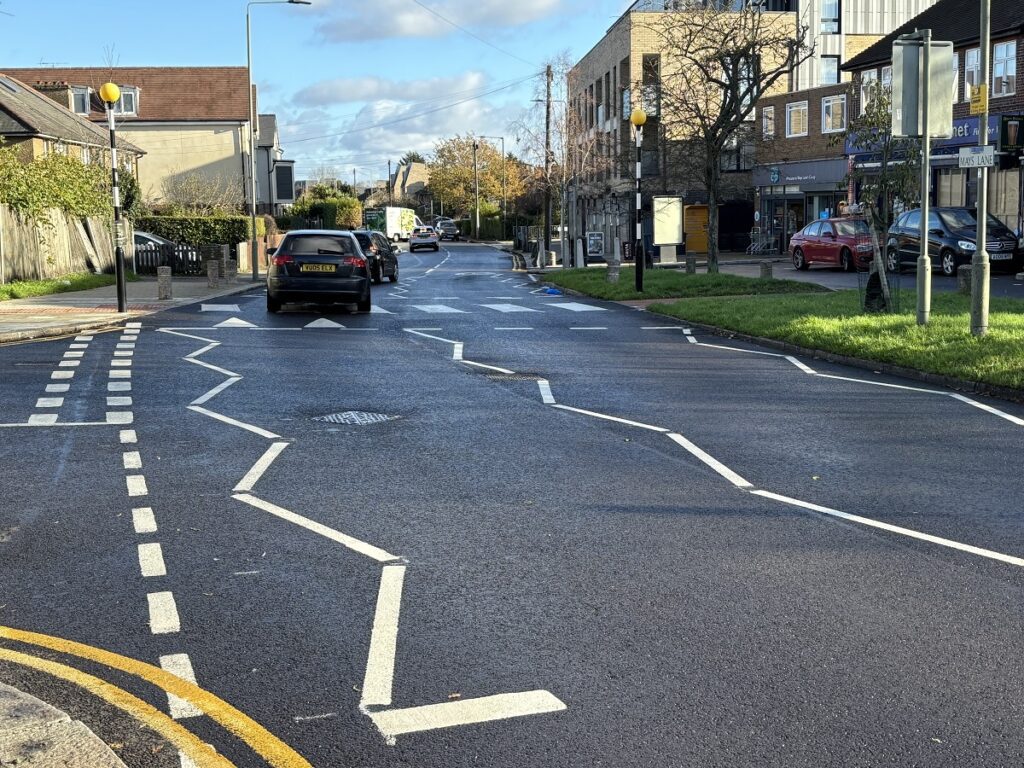
They say ten-metre-long restrictions either side of the junction have reduced parking spaces and had the perverse effect of speeding up traffic round the corner, placing pedestrians and children at greater risk.
“The restrictions are disproportionate, unsupported by evidence and a waste of public funds.”
At the heart of their grievance is their anger at finding that changes to procedures for local consultation have made it virtually impossible for small groups of residents to challenge council decisions.
In a letter to Cath Shaw, the council’s chief executive, they accuse the council of failing to honour one of its core values, an undertaking given by councillors regarding their responsibilities to the public:
“We actively listen, respond, collaborate and share ideas, to achieve the best outcomes with residents, businesses and colleagues.”
The letter, highlighting the need for TLC for Barnet – for transparency, for listening and for consultation – sets out how they believe the council has been systematically reducing the opportunities for residents to influence decisions.
Face to face residents’ forums with councillors and council officers were abandoned in 2022 and the minimum number of signatures required to present a petition at a council or committee meeting has been raised from 25 to 500.
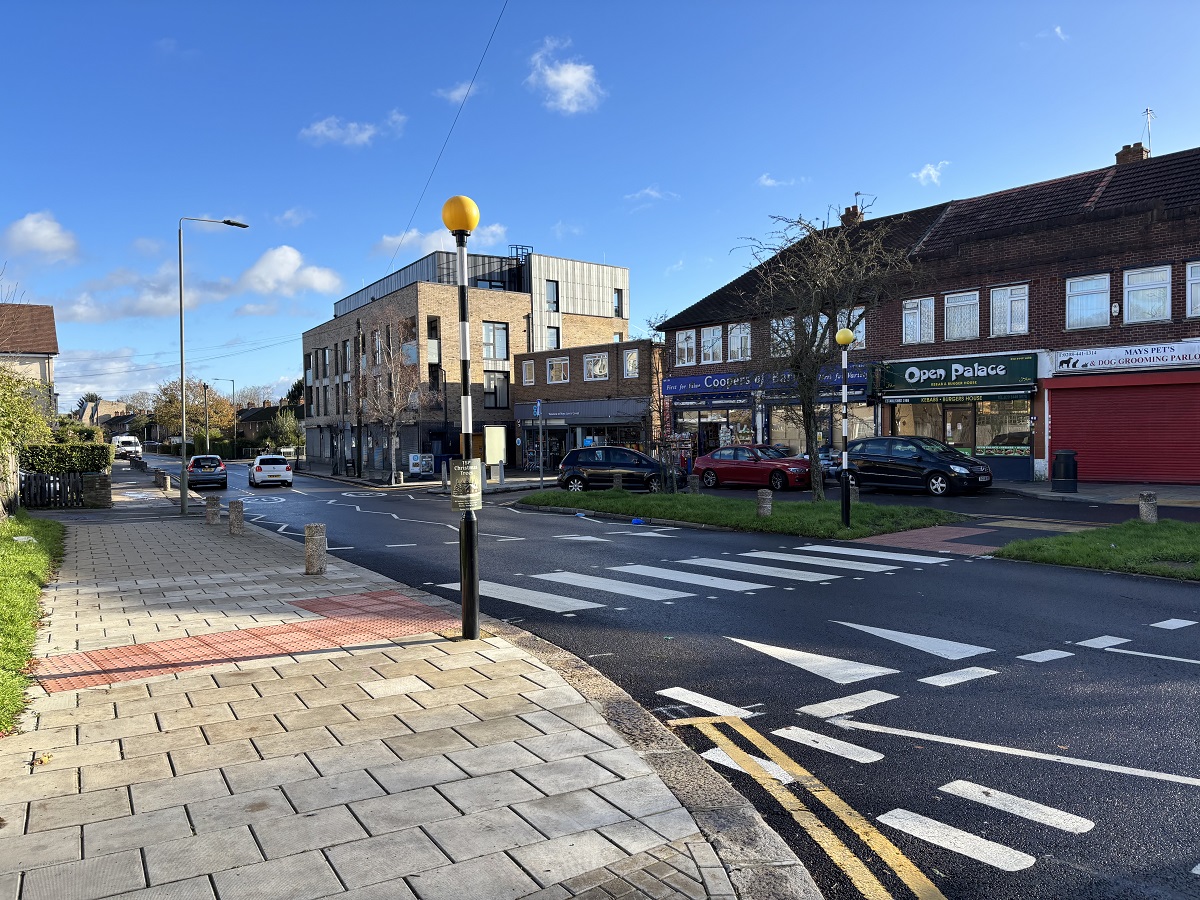
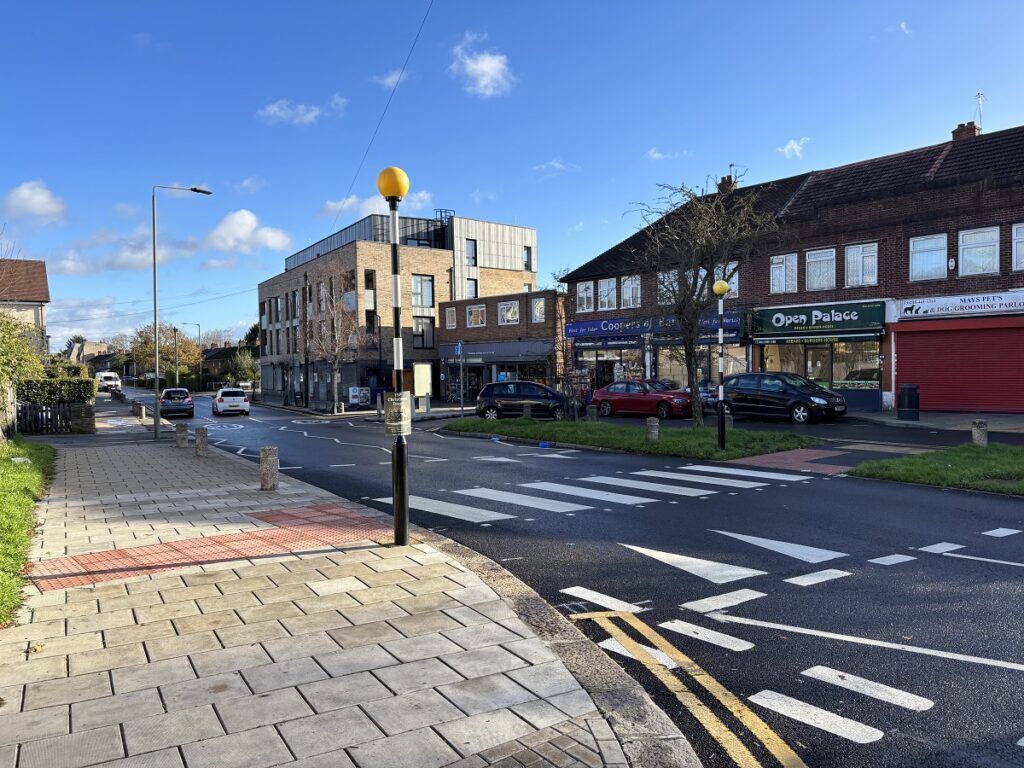
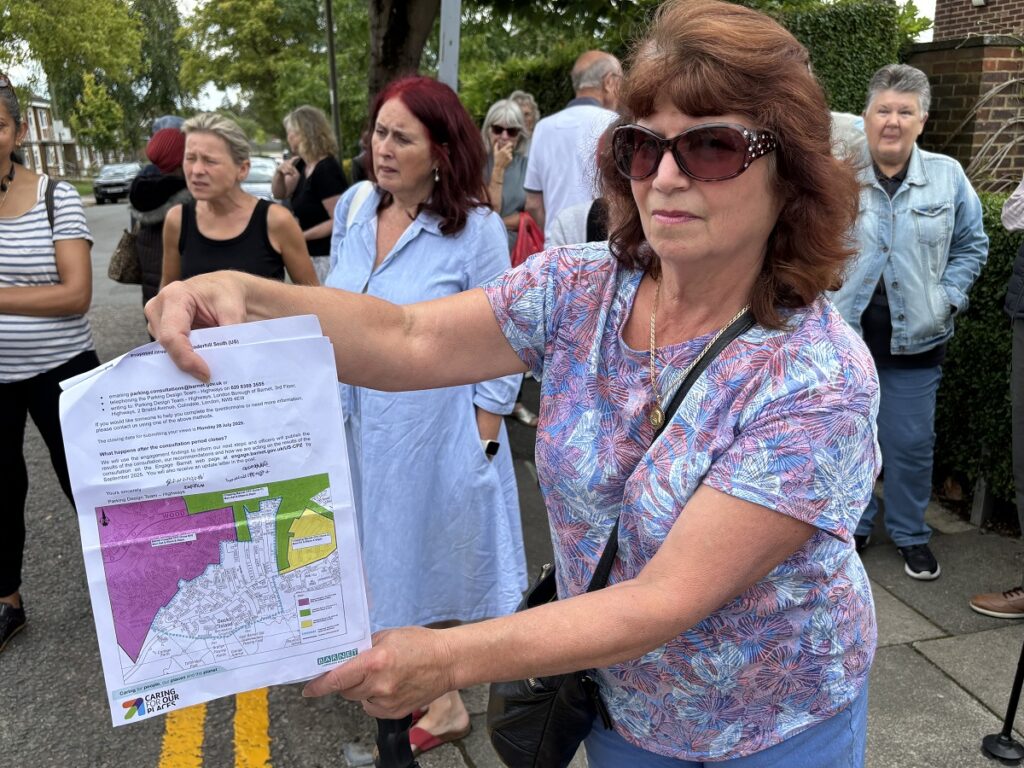
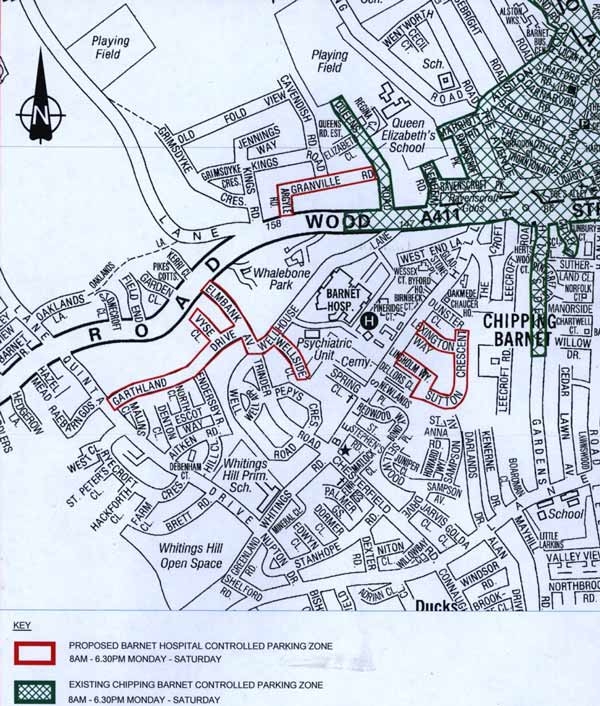
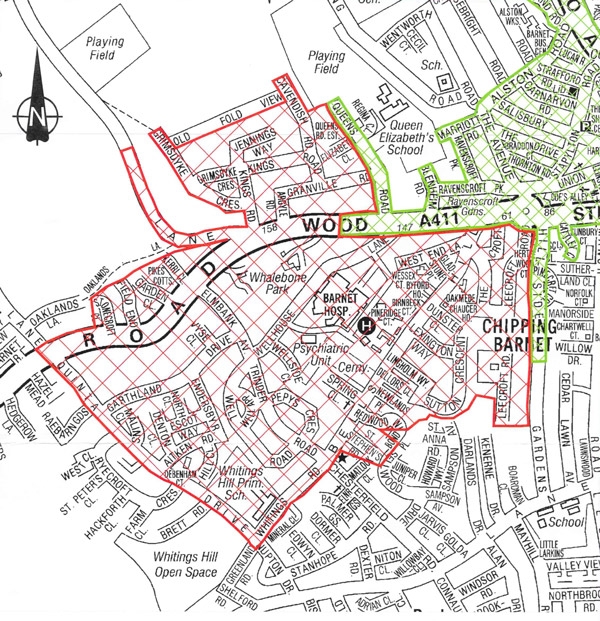
Their complaint mirrors anger in Underhill where residents’ groups have complained that despite overwhelming opposition council officers have gone ahead with an extension to the Barnet Hospital controlled parking zone and introduced parking charges outside the Mays Lane parade of shops.
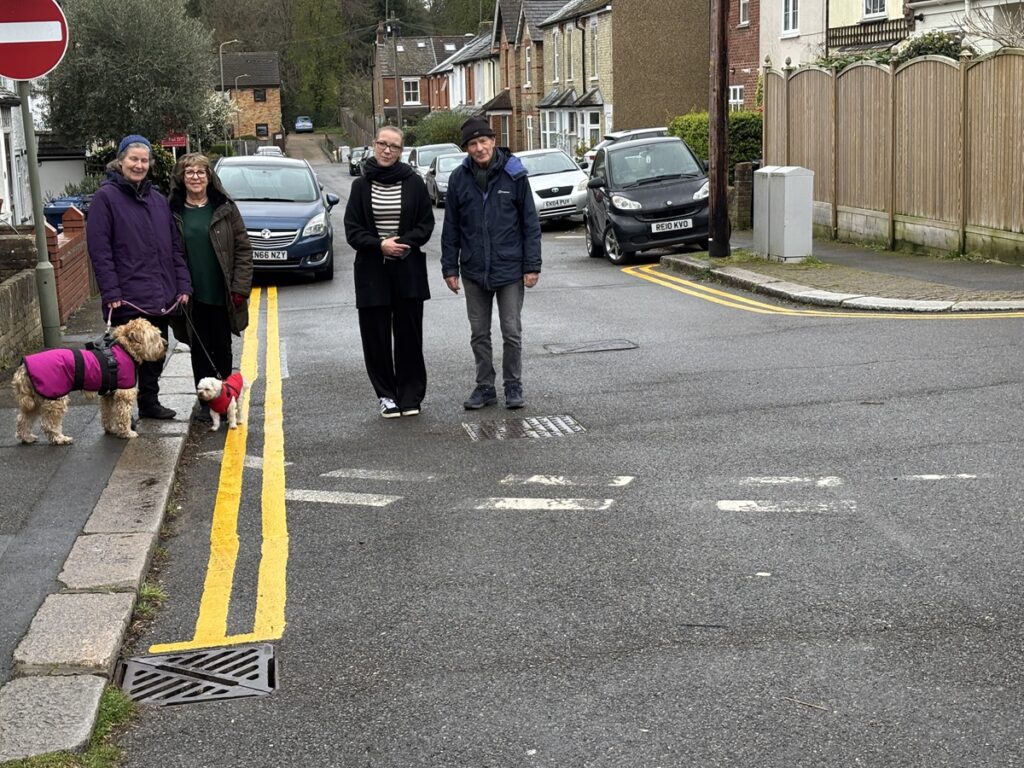
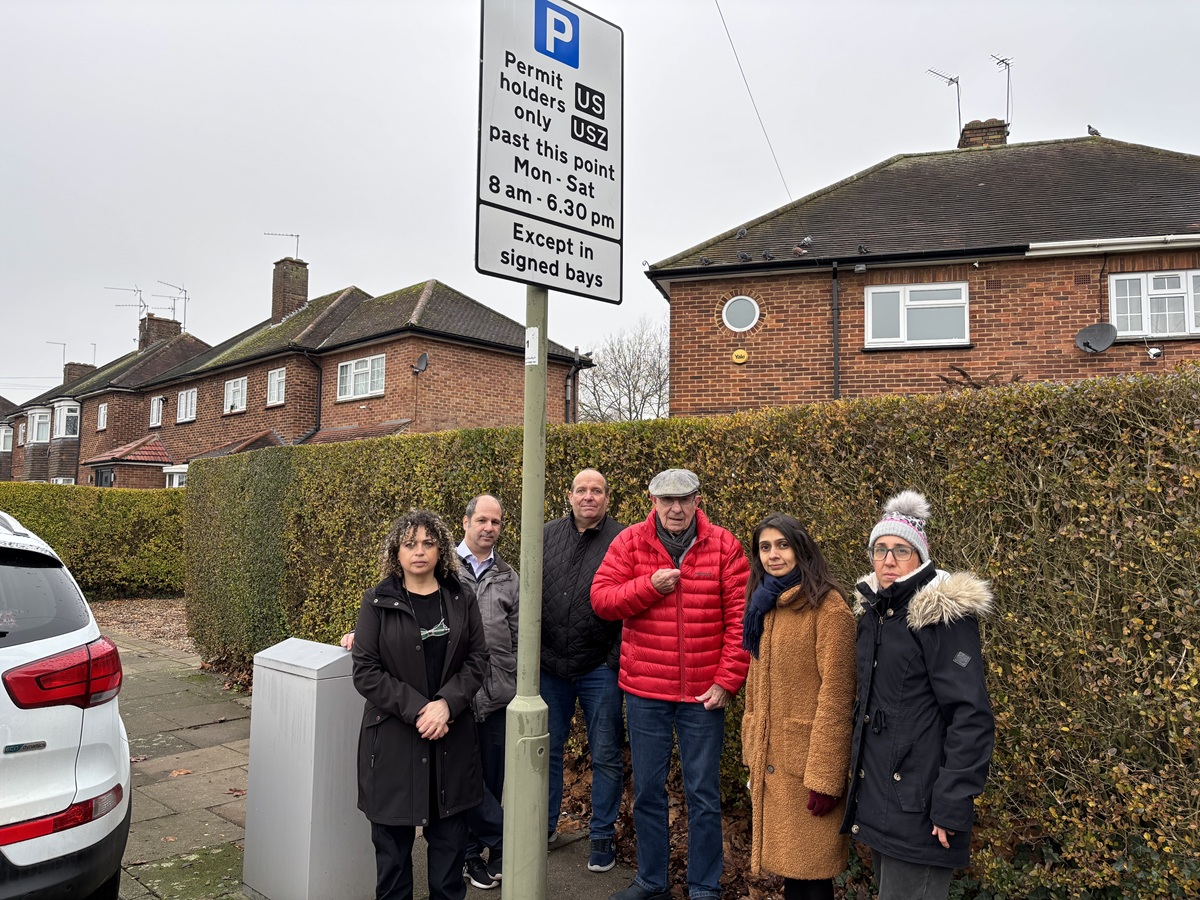
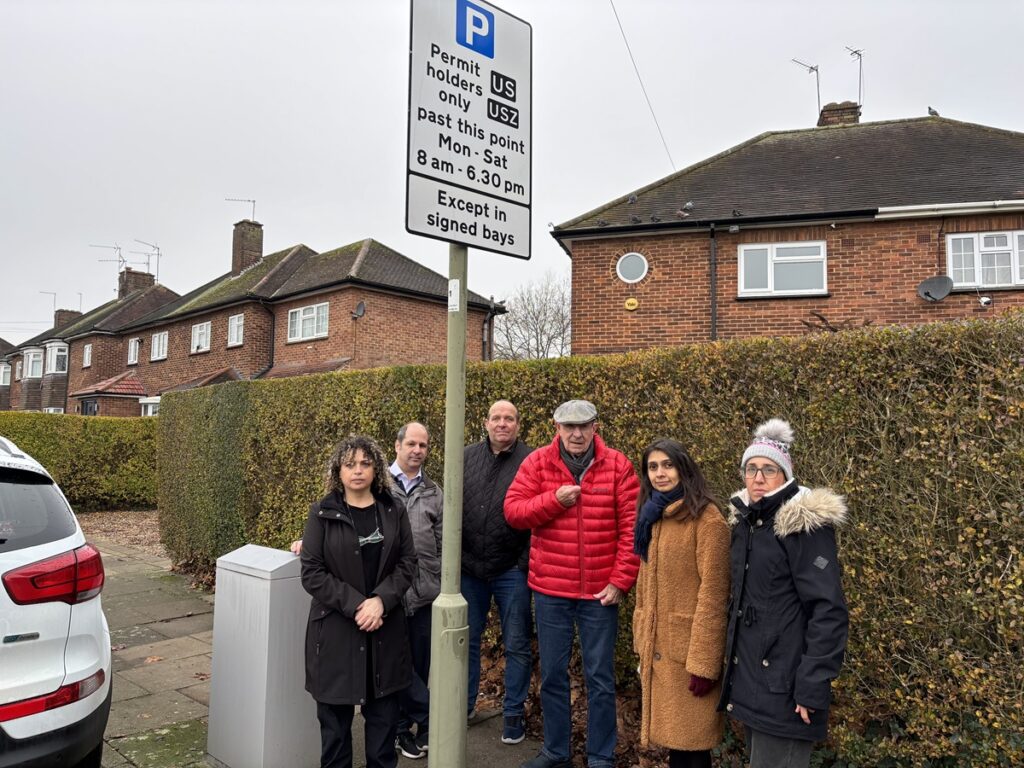
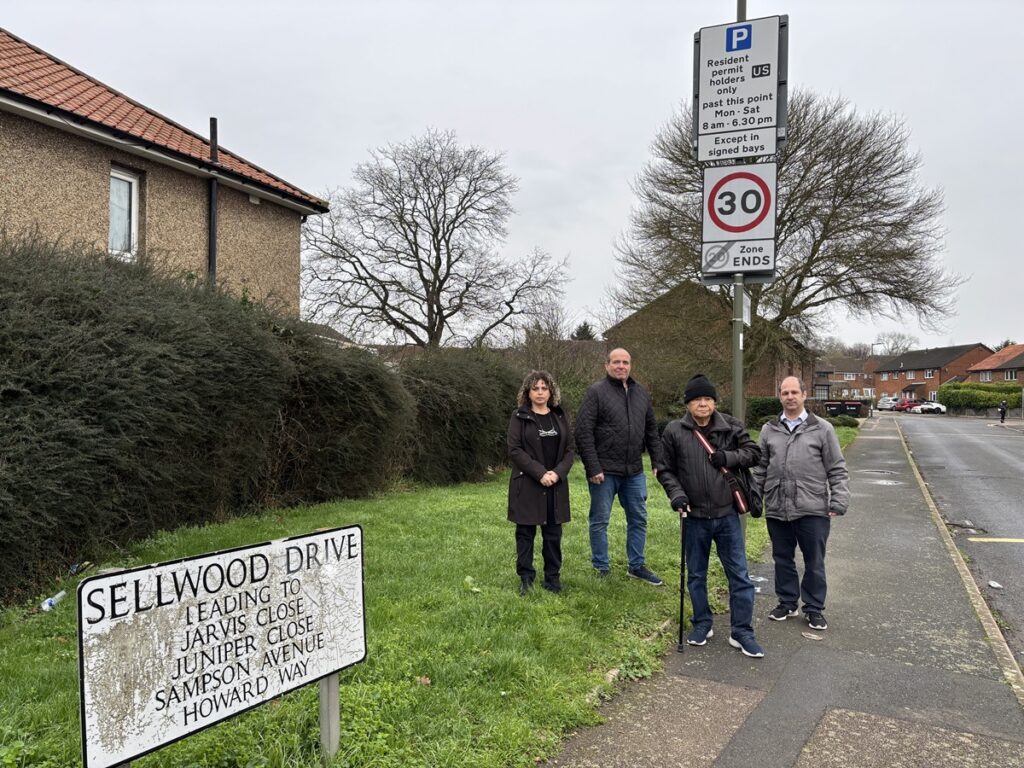
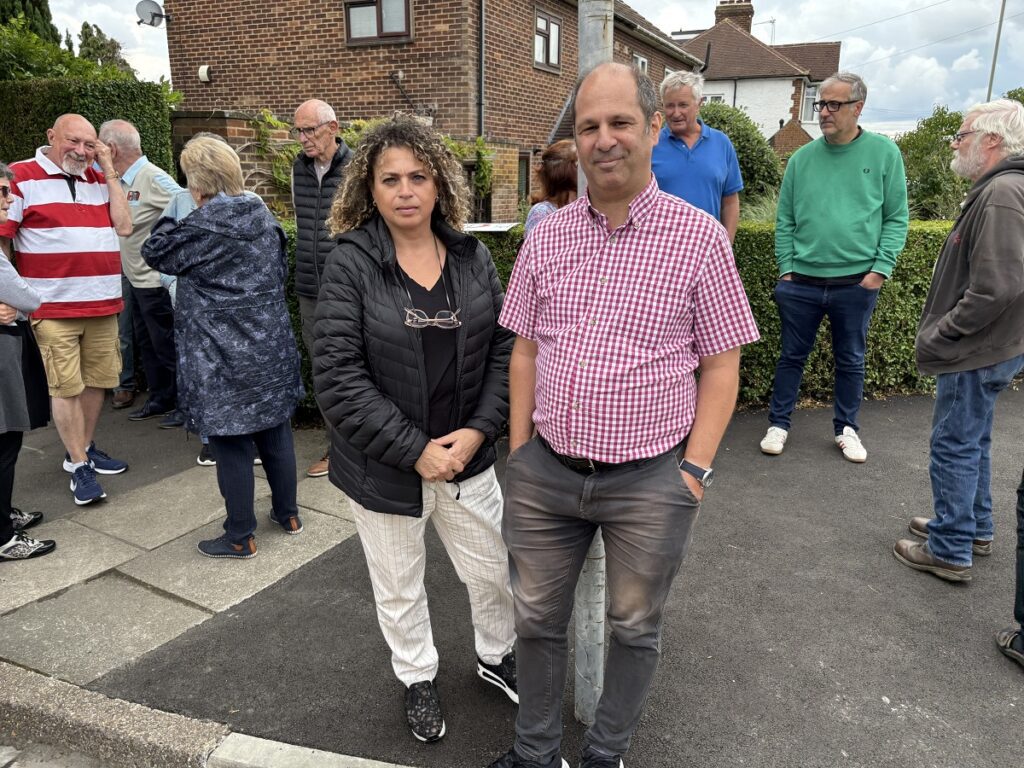
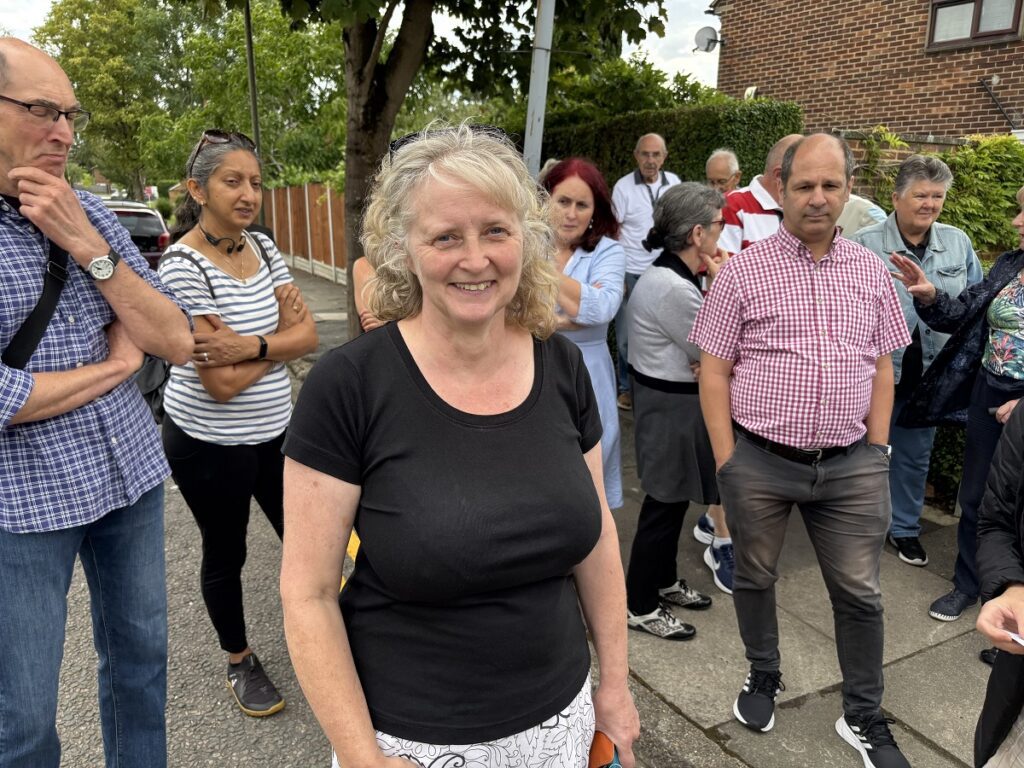
Mrs Louise Cain (above, second from right), one of the organisers of the Sebright and Calvert Roads protest, said that once the council decided to impose yellow lines on each side of the road junction they immediately set about raising a petition.
“We easily got to 72 signatures, understanding that the minimum requirement was over 25, but then the council said our petition had been excluded because the minimum is now 500 signatures.”
Dr Chris Nightingale (above, far right) said the new minimum of 500 signatures effectively withdrew a democratic right from small groups of residents who had already lost the ability to challenge councillors and officers face-to-face at residents’ forums.
“Our community – bounded by Sebright, Puller, Alston and Calvert Roads – only has around 400 households at the most so we have lost our voice as a small community.
“Petitions with fewer than 500 signatures only require a written response and we have lost the democratic right as residents to present a case directly to councillors at a committee or council meeting.”
Dr Julia Gibbs (above, second from right) feared that the rights of residents had been eroded still further by the barriers they faced when seeking greater transparency when making Freedom of Information requests.
“A recent FOI request we made was refused on the grounds it would be too expensive for the council as it would require 15 officers to spend over 90 minutes each to produce the information.
“This was challenged and the council took over 50 working days, longer than the statutory reply time of 20 days, to send a reply.
“But even then, the council would not provide the requested information or give specific advice on how to obtain it.”
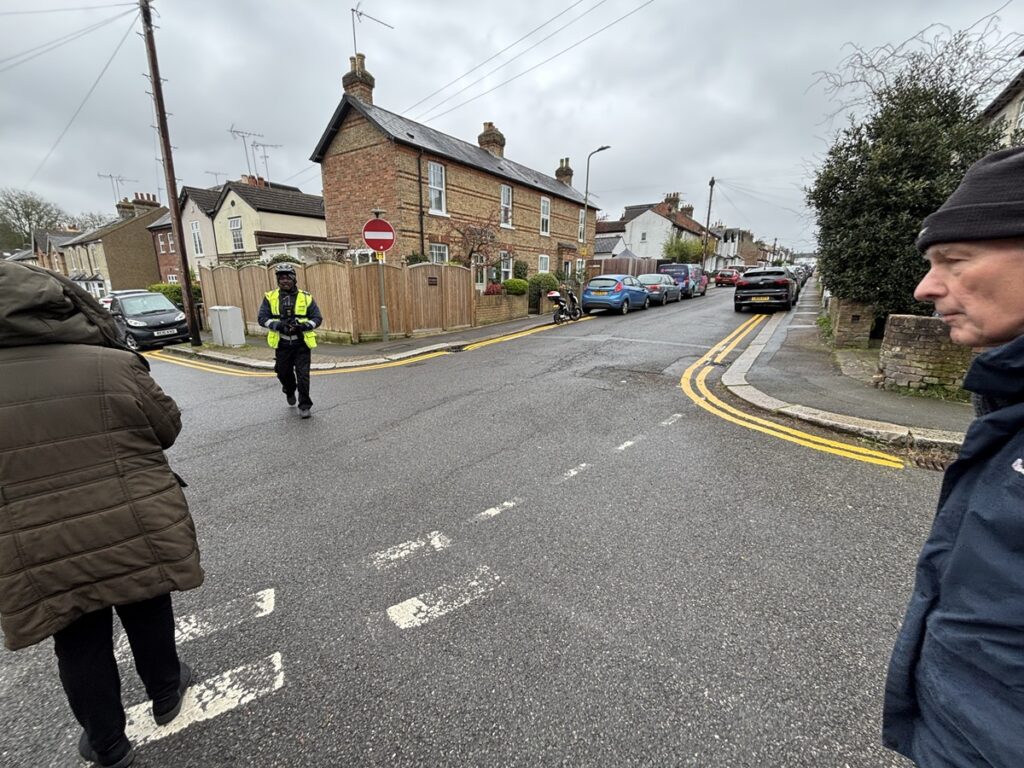
Events leading up to the painting of the yellow lines had proved to the protesters that the council had not been serious about conducting detailed consultation.
As far as they knew, there had been no complaints from ambulance or fire crews about difficulty in gaining access and apparently the only request for yellow lines had come from a refuse lorry driver.
It appeared one resident had spoken to a council officer and another official who was challenged said the yellow lines were a parking and not a highways matter.
The group thought that yellow lines of the length painted at the junction would have been expected if there was heavy traffic.
Puller and Sebright Roads were a one-way system – with Calvert Road a short cul-de-sac – and the restrictions were excessive.
“The result is a monument to officers’ failure to listen and then not revealing how their final decision was made.
“The restrictions are disproportionate, unsupported by evidence and a waste of public funds.
“We are contemplating commissioning a blue plaque to this effect.”
The protestors hope their demand that the council should restore quarterly residents’ forums will become an issue at the forthcoming Barnet Council election on Thursday 7 May.
A priority for the new council elected in May should be to restore trust between residents and councillors and to improve decision-making by identifying problems early and locally.


Aaron Chenie posted a comment on Yellow line parking restrictions are excessive say residents who believe they have been treated with contempt by Barnet Council
Lolita posted a comment on Yellow line parking restrictions are excessive say residents who believe they have been treated with contempt by Barnet Council
Joe Blake posted a comment on Queen Elizabeth’s School – a Barnet brand name that will soon be appearing on new international schools in India and Dubai
Andrew Jackson posted a comment on Save Chipping Barnet Woodland campaigners delighted by planning refusal for new house in a protected wood close to Hadley Green