
Clear warning Barnet Council will have to impose an above average council tax increase and move to fortnightly bin collections
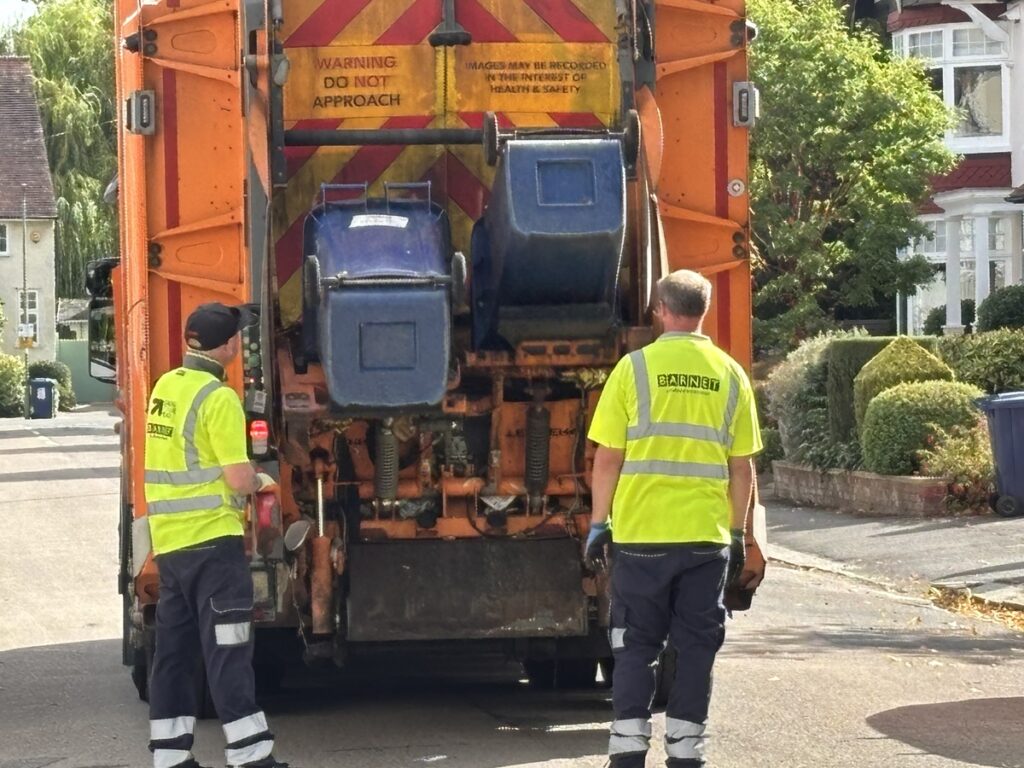
Barnet Council’s question and answer session on tackling a £200 million budget shortfall gave every indication that a switch from weekly to fortnightly bin collections is almost certain.
Councillor Alan Schneiderman, cabinet member for the environment, told callers the saving would be substantial and would bring Barnet into line with most local authorities.
Reviewing expenditure on refuse disposal is one of the commitments aimed at reducing the largest budget deficit of any London borough along with every likelihood of an above average rise in council tax.
Approval has been requested from the government for permission to increase next year’s council tax above the 5 per cent national limit.
Barnet is waiting to hear whether the shortfall can be closed with a one-off increase of 32 per cent or staged over several years.
Currently the council tax on a band D home in Barnet is £438 below the average and the full increase would take that to £2,060 a year, an extra £8.42 a week.
A caller reminded Councillor Simon Radford, cabinet member for finance, that 47 per cent of the homes in Barnet are in council tax bands E to H and these residents would have to pay considerably more than the average of an extra £438 a year.
Councillor Radford explained that he was anxious not to cause added uncertainty while the council waited to hear how far Barnet could exceed the 5 per cent cap and until decisions were taken on where to make cuts in spending.
He blamed the deficit – and Barnet’s dependence on government loans for the last two years – on an historically low council tax in the borough.
There had been a freeze on council tax increases between 2010 and 2019, and the previous administration had also failed to invest in meeting the likely demand for an ageing population.
“We not only didn’t collect the money, but the money we did spend didn’t build resilience for the future.”
Barnet was the biggest borough in London but had the sixth lowest number of council houses which explained why expenditure on temporary accommodation now accounted for nearly 8 per cent of the council’s budget.
There had been an historic failure to invest in measures the prevent increasing costs in adult social care which now accounted for 35 per cent of the council’s expenditure; the council had lacked spending controls; and there had been a failure to build up the reserve fund.
Council leader Barry Rawlings said he and his cabinet colleagues had been “more honest” than many councils in acknowledging they would have to put council tax by more than 5 per cent next March.
“This will be a big burden on households, but if we don’t get permission from the government, we will have to make other cuts as well because we have to have a balanced budget.”
Three quarters of English local authorities have already moved to collecting residents’ general waste and material for recycling on alternate weeks and Barnet had been advised to follow suit.
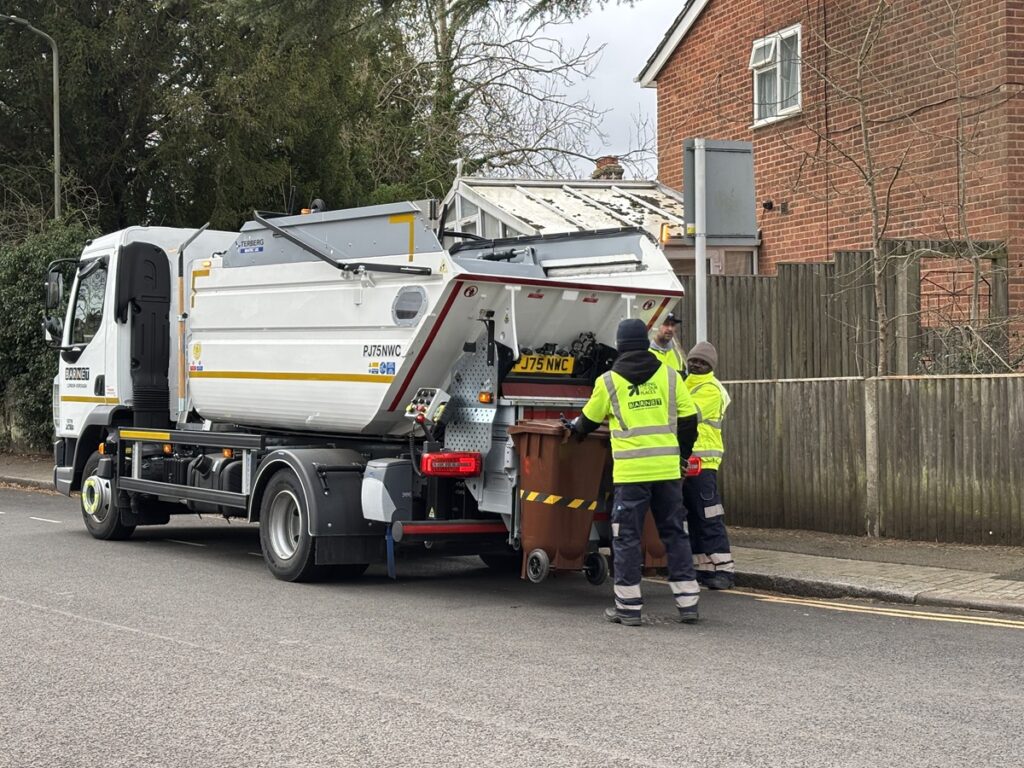
Councillor Rawlings said that collections of food waste would continue on a weekly basis – waste which is collected in separate smaller vehicles, and which is delivered to an anaerobic digestion plant near St Albans and turned into clean energy and fertiliser for farmland.
He appealed to residents to make greater use of their food waste bins. It cost the council £60 a ton to dispose of food waste which was considerably less than the charge of £140 a ton to dispose of general waste.
“Residents should know that if they continue to throw food waste in with their general refuse it is costing the council almost three times as much to dispose of.”
Barnet’s rate of 29 per cent for recycling waste was one of the lowest in the country and the council’s target was to increase this to 50 per cent by 2030.
Why not become a member? Receive our latest newsletter hot off the press four times a year, and support our work with a membership.
If you have some local news, history or want to bring something to our attention please email us.