Posted on

Time running out to save No 33

IMG 0017
IMG 0017

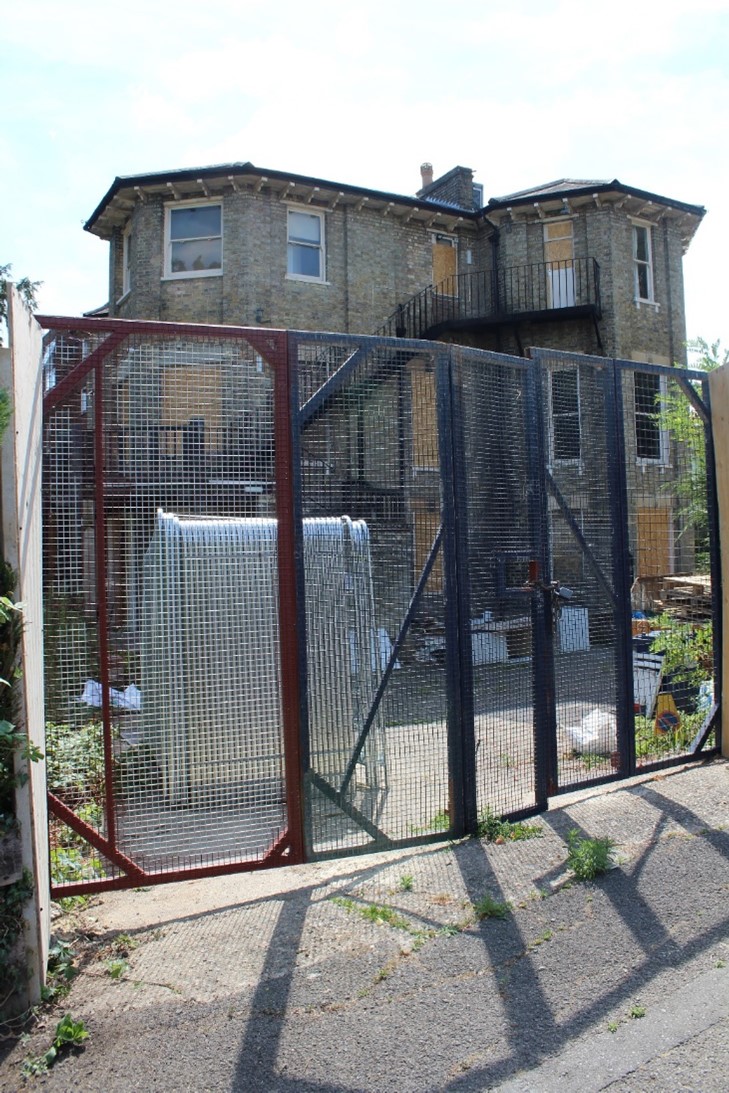
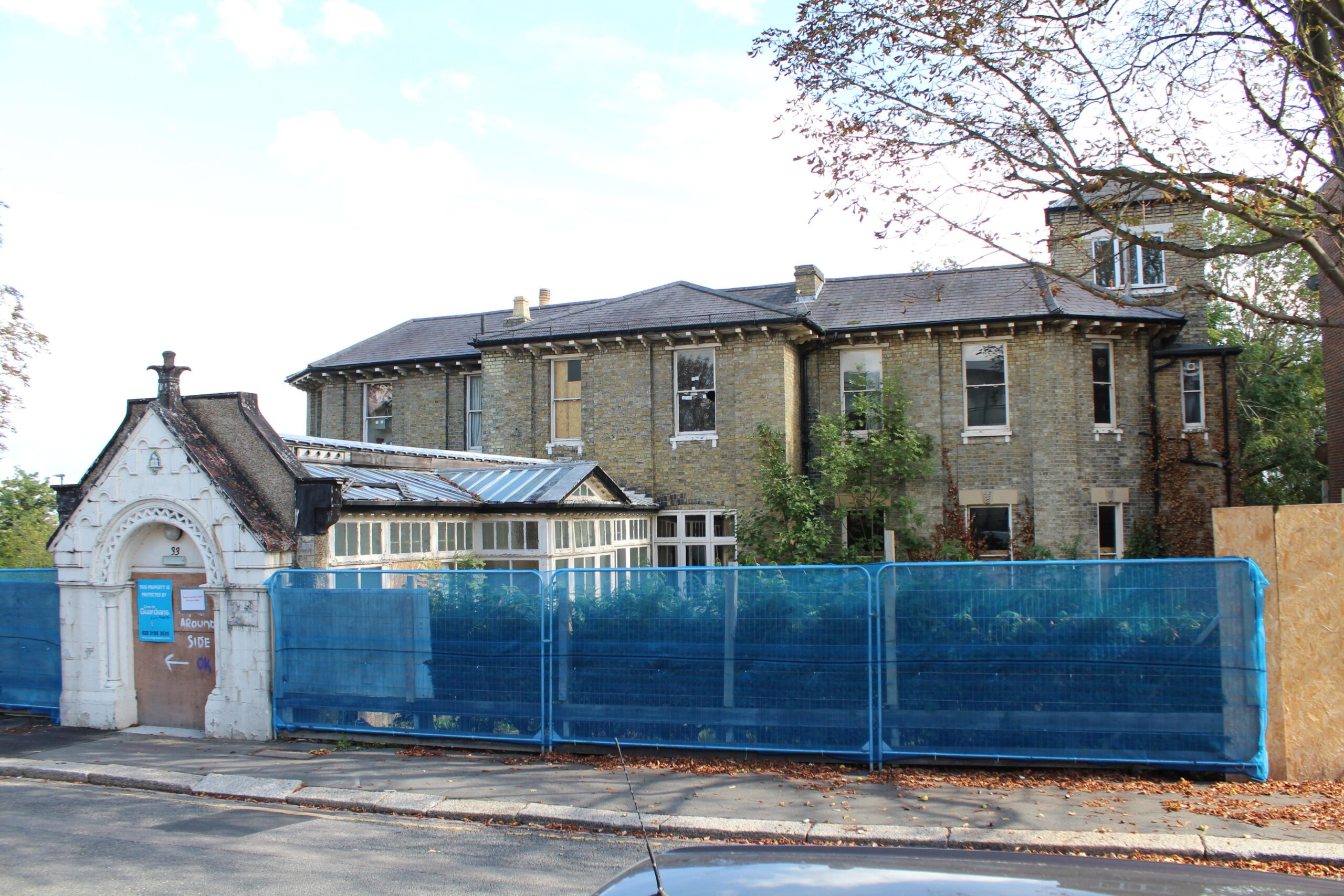
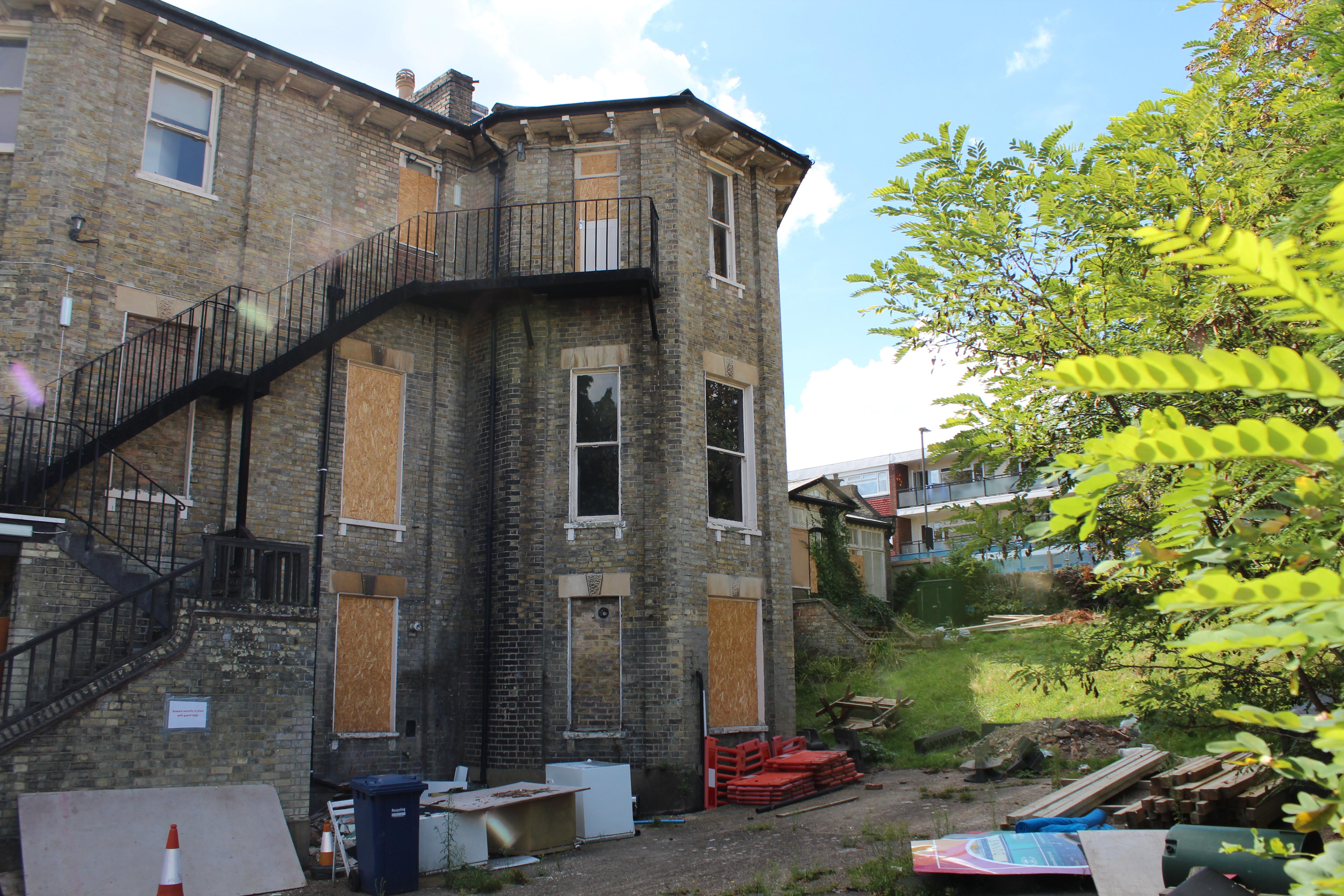
Following the dismissal of an appeal to demolish 33 Lyonsdown Road and replace it with 20 flats, we thought its future would be safe – but we were wrong. It’s scheduled for demolition on 1 October 2022. Since 2017, we’ve campaigned to save this beautiful Victorian villa, and in 2020 succeeded in getting it added to Barnet’s Local Heritage List.

Yet due to a bizarre loophole in planning law, Abbeytown Ltd, the property development arm of Martyn Gerrard estate agents, was able to apply to demolish the building without any proposal to replace it.

We sought urgent advice from a solicitor specialising in historic buildings to help formulate a detailed objection. Sadly, the planners took a different view of the case and on 22 June approved the applications.

How could this demolition be allowed?

At present, No.33 is on Barnet’s Local List, which is the lowest tier of designation for historic buildings. We’ve twice applied to Historic England for it to be added to the National List, without success.

Unfortunately, unless locally listed buildings are in conservation areas, they’re not immune to Permitted Development Rights, which have been greatly expanded by the government in recent years and do not require full planning applications. The shocking decision to allow the demolition of 33 Lyonsdown Road was made, Barnet Council has admitted, ‘by default’. It was not taken on the merits of the case, nor was it referred to the Planning Committee; nor were Councillors informed.

Local residents and national conservation bodies including The Victorian Society and SAVE Britain’s Heritage are horrified that the Council is allowing demolition of one of the finest buildings in New Barnet. The case has featured twice in Private Eye.

The situation is also an embarrassment to Barnet’s new Labour Council. For it to lose a building on the Local List, with the needless release of embodied carbon that demolition would cause, soon after it declared a climate emergency is not the start it would have wanted.

Events since permission for demolition

We took legal advice on the available options but concluded that we did not have sufficient funds for judicial review.

On 11 August, several of us met two senior planners and all three Barnet Vale ward Councillors to express our concerns about the way demolition had been approved. We explained why we considered the decision to be unsound. The councillors were also upset that they hadn’t been notified.

We reminded the planners that we had urged them to give protection for 33 Lyonsdown Road by means of an Article 4 Direction as long ago as February 2021, when the last planning application was refused. This would have closed off the Permitted Development route and is used routinely in conservation areas. Councils around the country have imposed, or are in the process of imposing, Article 4 Directions to prevent demolition. The planners and Councillors agreed to consider similar action in Barnet.
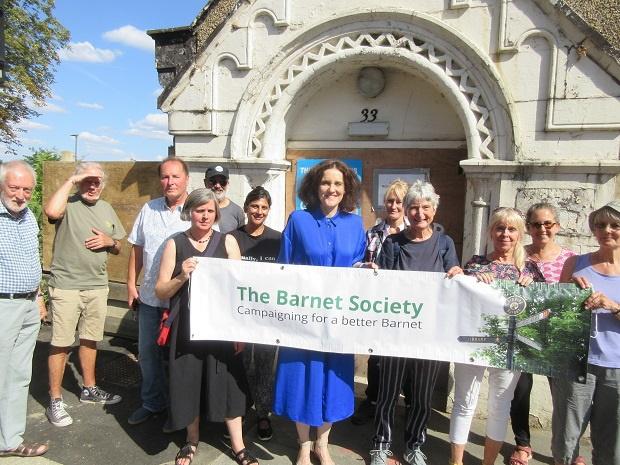
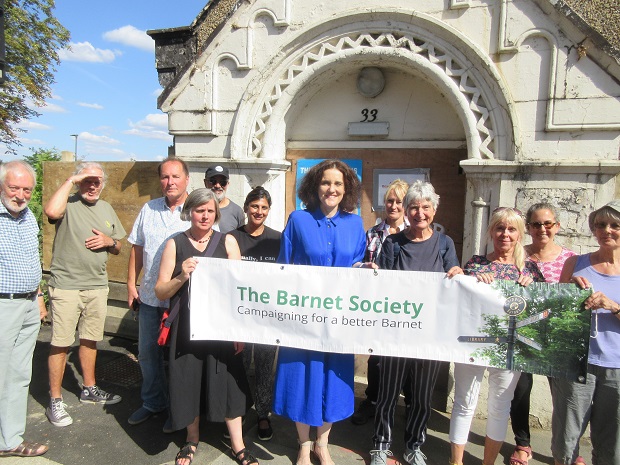
Theresa Villiers MP attended a demonstration outside No 33 in August. She has also written asking the developers for a meeting

We’ve written an open letter to Abbeytown to ask them to consider the scope for a conversion scheme. Theresa Villiers MP has also stepped in. In August she attended a protest outside No.33 and wrote asking for a meeting with the developers. To date, there has been no response to her or our approaches.

Alternative scheme

The Society has argued all along that this striking landmark building with its elegant interiors and rich history should not be demolished but repaired and converted to flats. We, local residents and the property guardians who lived there until last year are convinced that such a well-built house could be repaired. There’s scope for a sympathetic new-build element in the garden among the splendid trees. All agree that another block of flats is not what we want to see.

Simon Kaufman, who is an architect as well as a Committee Member of the Society, generously offered his services – at short notice and pro bono – to sketch a scheme along these lines. His bird’s-eye view is illustrated below.

Find out more about Simon and his work at www.simonkaufmanarchitects.com (contact: design@simonkaufmanarchitects.com)
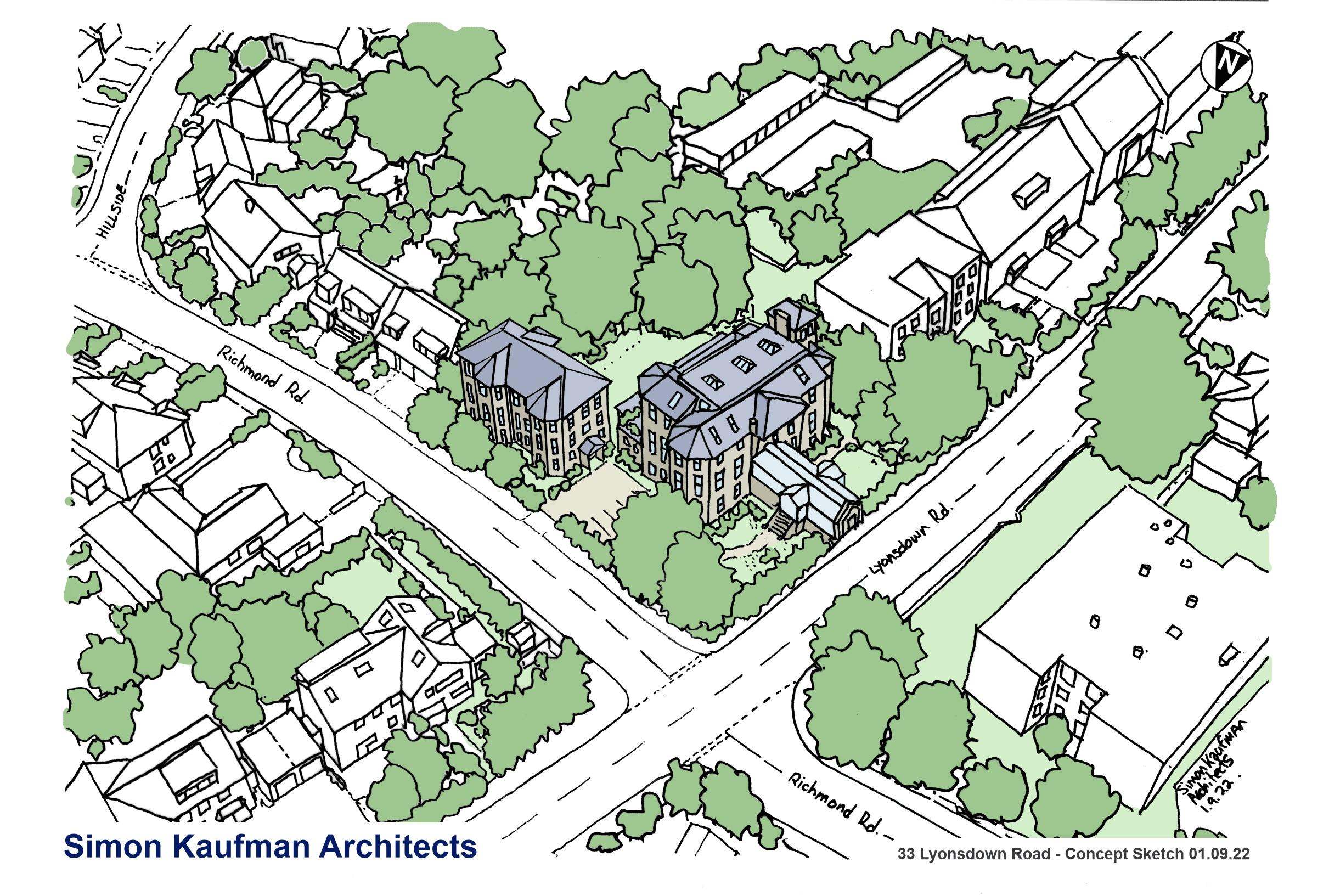
In a 16-page report, Simon analyses the existing building and its potential for conversion, showing that it could accommodate 6 to 8 flats while retaining most of its impressive interiors. He also demonstrates that a further 7 to 9 flats could be built in a new building in the garden – a potential total of 17 flats. That’s almost the same quantity that Abbeytown proposed in their last (unsuccessful) planning application, but with the bonus that the proportion of high-end ‘period’ refurbished flats would fetch a premium.

Simon’s indicative appraisal shows that, when taking into account demolition costs and additional sales value of homes in the historic building, the overall financial margin for his scheme is very similar to – if not better than – the 2020 proposal. Moreover, by setting the new-build to the side of, and behind, the existing building and at a lower height, the quality and character of the original villa would be unimpaired. The new building would be sympathetic to its venerable neighbour in both materials and details.

Although building in the garden would entail the loss of a small number of trees, the damage to the neighbourhood would be substantially less than Abbeytown proposed and far more likely to receive community support.

We sent a copy of Simon’s report to Abbeytown.

The importance of this case

Conserving our architectural and natural heritage is a core Society priority. We’re proud of having nominated many architecturally and historically significant buildings for the Local List. When the demolition of No.33 was approved, we realised the same could happen to many others on the List.
What next?

The Society waits with interest to see Abbeytown’s or Martyn Gerrard’s reaction to our alternative scheme. We stand ready to help take this to the next stage. Planning officers told us they would welcome a pre-application discussion of an alternative scheme.

We are also continuing to press the Council to impose an Article 4 Direction protecting buildings which are on the Local List but outside conservation areas from demolition.
Posted on

Barnet open spaces exemplify the importance of the Green Belt

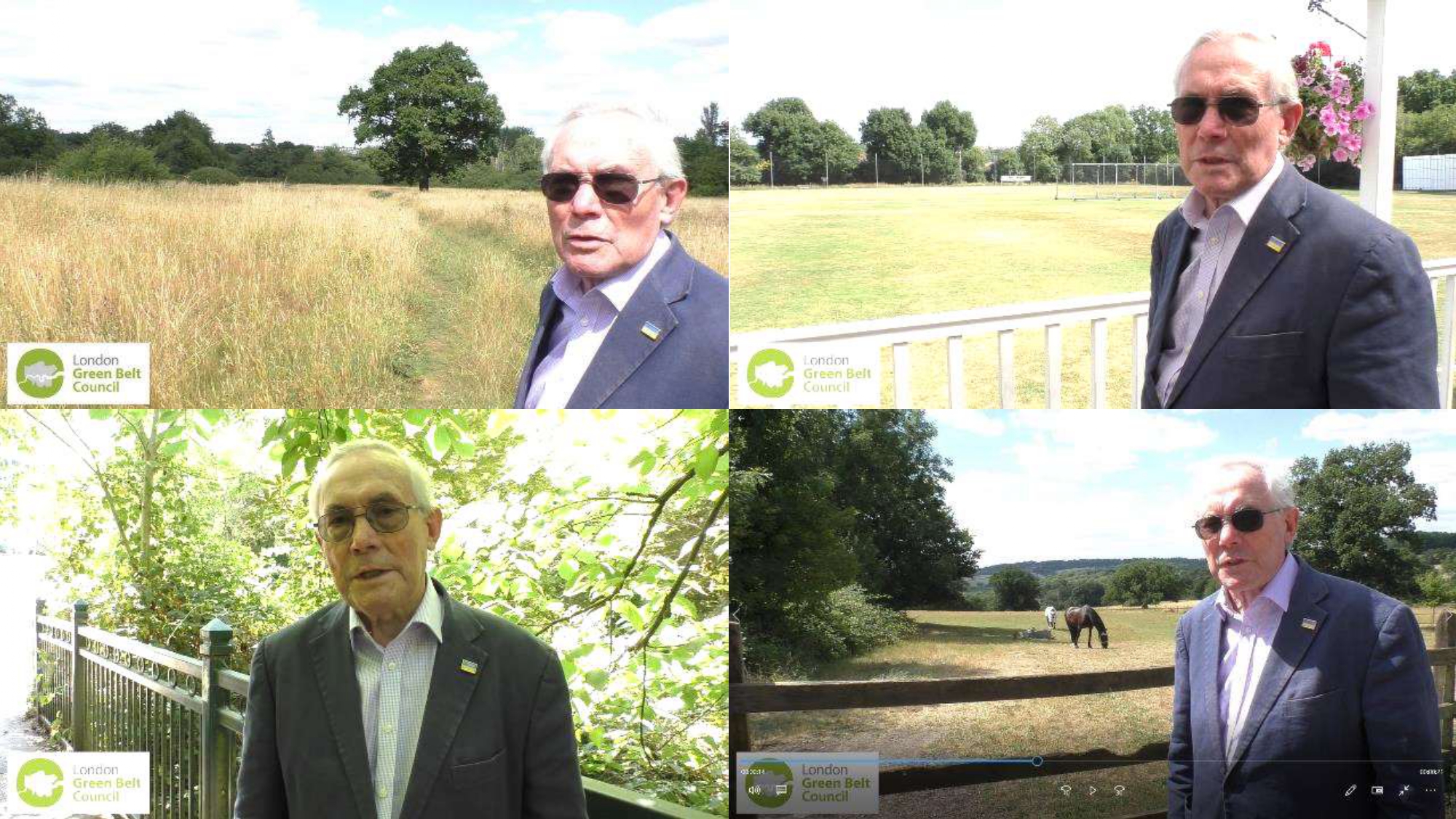
These are critical times for London’s Green Belt. But Barnet still has many open spaces where the illusion of countryside is remarkably unspoiled. Eight of them – all in Totteridge or Mill Hill – are on new videos that you can view on the website of the London Green Belt Council (LGBC).

That they survive at all is partly thanks to the Barnet Society’s efforts over eight decades. In 1945 it was founded to save the fields around Chipping Barnet from being built over for 40,000 houses. We’re longstanding members of the LGBC, which helps us fight inappropriate developments in the Green Belt – often (though not always) successfully.

In these crucial days when Liz Truss and her new cabinet have yet to confirm their policies towards the Green Belt and house-building targets, the LGBC needs to get its messages across more effectively. It has around 100 member organisations, but needs more members and a higher profile.

The videos are intended to raise the awareness of the public and government and recruit new supporters. In them, LGBC Chair Richard Knox-Johnston explains why retaining the Metropolitan Green Belt is so vital now for the health of both the environment and each of us. He speaks with enthusiasm and authority reminiscent of Richard Attenborough.

In Richard’s introductory clip, he says that his passion for the subject was ignited half a century ago when, as a young Bromley councillor, he represented a ward that was largely Green Belt. In the subsequent clips, he identifies key reasons for its protection:

  • Safeguarding our mental health
  • Stopping urban sprawl
  • Securing food supply
  • Providing opportunities for leisure, recreation and sports
  • Enhancing biodiversity

He concludes by demolishing the fallacy that new housing in the Green Belt is affordable.

Richard’s messages are especially urgent today, when local councils in London and the Home Counties are currently planning to allow building on more than 48,000 acres of the Green Belt, according to a major new report by the London Green Belt Council (LGBC). ‘Safe Under Us’?. That’s huge: the equivalent of the combined area of the London Boroughs of Barnet, Camden and Enfield – or 60 Hampstead Heaths. You can read about the threat here.

The Green Belt is not referred to in the government’s Levelling-up and Regeneration Bill (LURB), which is working its way through Parliament. Although it’s theoretically protected by national and local government policies, ‘Safe Under Us’? shows how ineffective they are. There are also frustrating inconsistencies between government and council policies and decisions made by the Planning Inspectorate about new developments. The LURB is our best hope of bringing coherence to the planning system and reinforcing protection of the Green Belt – but it has worrying flaws and omissions that the Society, LGBC and our MP Theresa Villiers are lobbying to remove.

Enjoy the view video clips of Barnet’s eight lovely Green Belt locations without leaving your home – but even better, make the effort (if you are able) to walk them yourself!

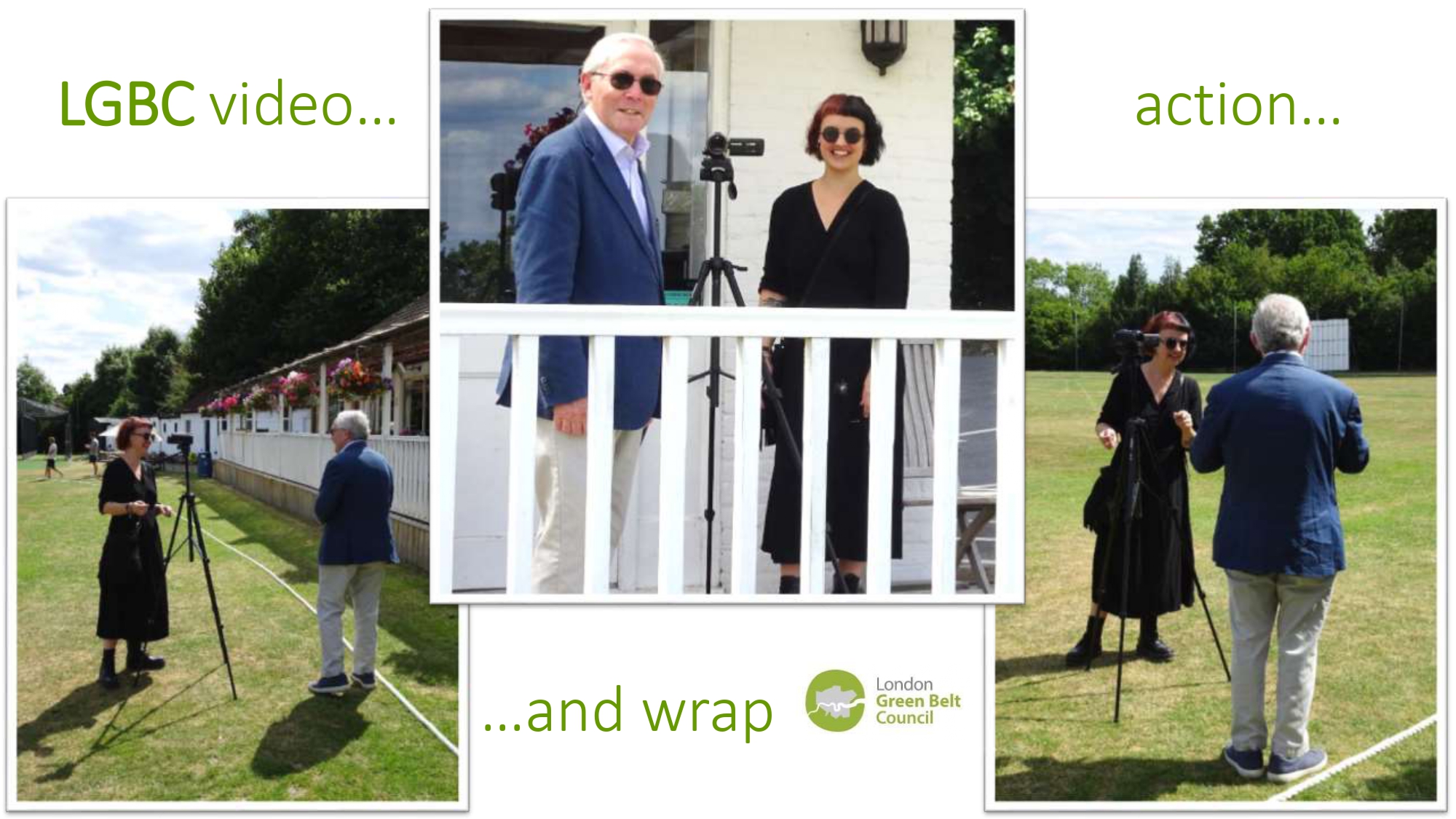
The filming went like a midsummer dream. On a perfect day (before the worst of last summer’s heatwave) I drove our small crew around the locations. Richard spoke unscripted and needed very few retakes. The videos were shot, recorded and edited most professionally by Jayd Kent of Simply Graphics.

And we found time for a nice lunch at Finchley Nurseries – in Barnet’s Green Belt, naturally.

Posted on 1 Comment

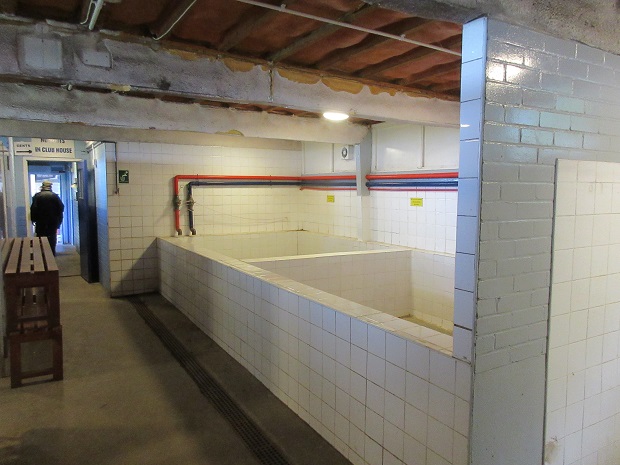
Taking a bath together is still only option for Barnet rugby players until new clubhouse is built

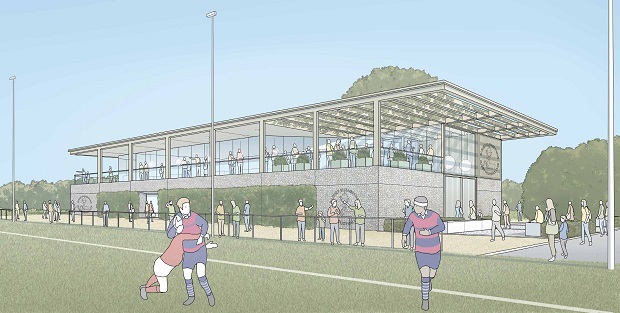
Having a wash down after a rugby match in Barnet can be quite a spectacle to behold. Mud-splattered players are still having to jump into one of two huge communal baths inside their dilapidated clubhouse at the Byng Road playing fields.

Continue reading Taking a bath together is still only option for Barnet rugby players until new clubhouse is built

Posted on 1 Comment

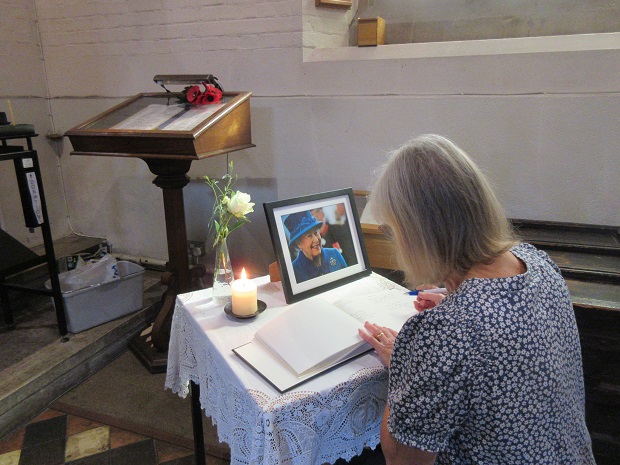
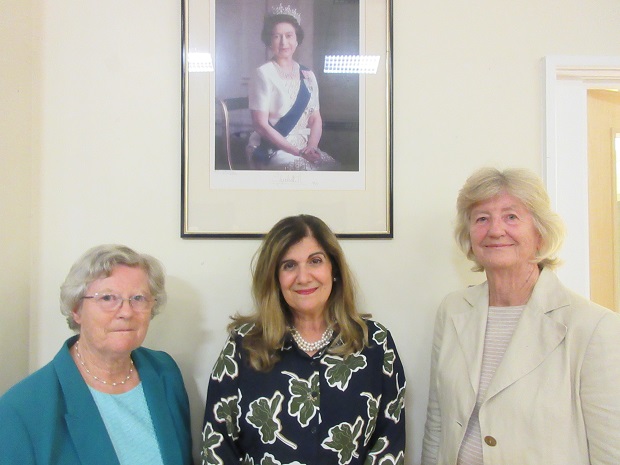
Former pupils’ fond memories of curtseying to the “young Queen Elizabeth” on her 1957 visit to QE Girls, Barnet

There could hardly have been a more poignant moment at Queen Elizabeth’s Girls’ School, Barnet. Within less than half an hour of the official announcement of the Queen’s death, headteacher Violet Walker had to preside at the annual prize giving at a school which had an especially close association with her reign.

Continue reading Former pupils’ fond memories of curtseying to the “young Queen Elizabeth” on her 1957 visit to QE Girls, Barnet

Posted on

Thanksgiving service marks departure of assistant organist after his epic stint at Barnet Parish Church

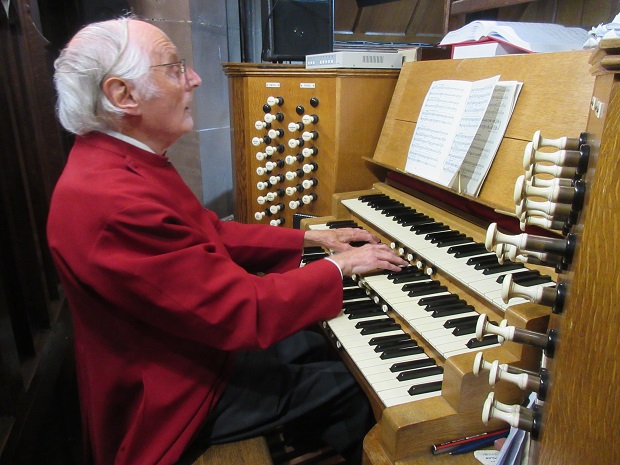
Alan Parish, assistant organist at St John the Baptist Church, Barnet, for over half a century, was at the console as an accompanist for a valedictory choral evensong to celebrate what was described as his remarkable contribution and exemplary dedication.

Continue reading Thanksgiving service marks departure of assistant organist after his epic stint at Barnet Parish Church

Posted on 1 Comment

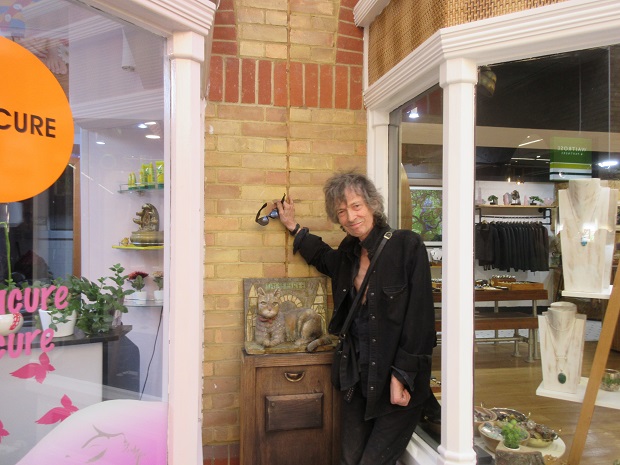
Millie the Waitrose cat – this time in bronze – will soon be checking out customers once again at The Spires

After months of negotiation and trial and error a site has finally been agreed for a small bronze statue commemorating High Barnet’s feline celebrity, Millie the Waitrose cat.

Continue reading Millie the Waitrose cat – this time in bronze – will soon be checking out customers once again at The Spires

Posted on

London is set to lose 48,000 acres of its local countryside

Local councils in London and the Home Counties are currently planning to allow building on more than 48,000 acres of the Green Belt, according to a major new report by the London Green Belt Council (LGBC). That’s huge: the equivalent of the combined area of the London Boroughs of Barnet, Camden and Enfield – or of 60 Hampstead Heaths.

It is a shocking statistic, especially when the government – including both Conservative leadership contenders Rishi Sunak and Liz Truss – claims to be committed to protecting the Green Belt. Our own MP, Theresa Villiers, has called the situation ‘very worrying’.

The report ‘Safe Under Us’? The continued shrinking of London’s local countryside, 2022 shows that altogether the amount of Green Belt land offered up for development has increased by a massive 127% since 2016, when the LGBC first started tracking threats to London’s local countryside.

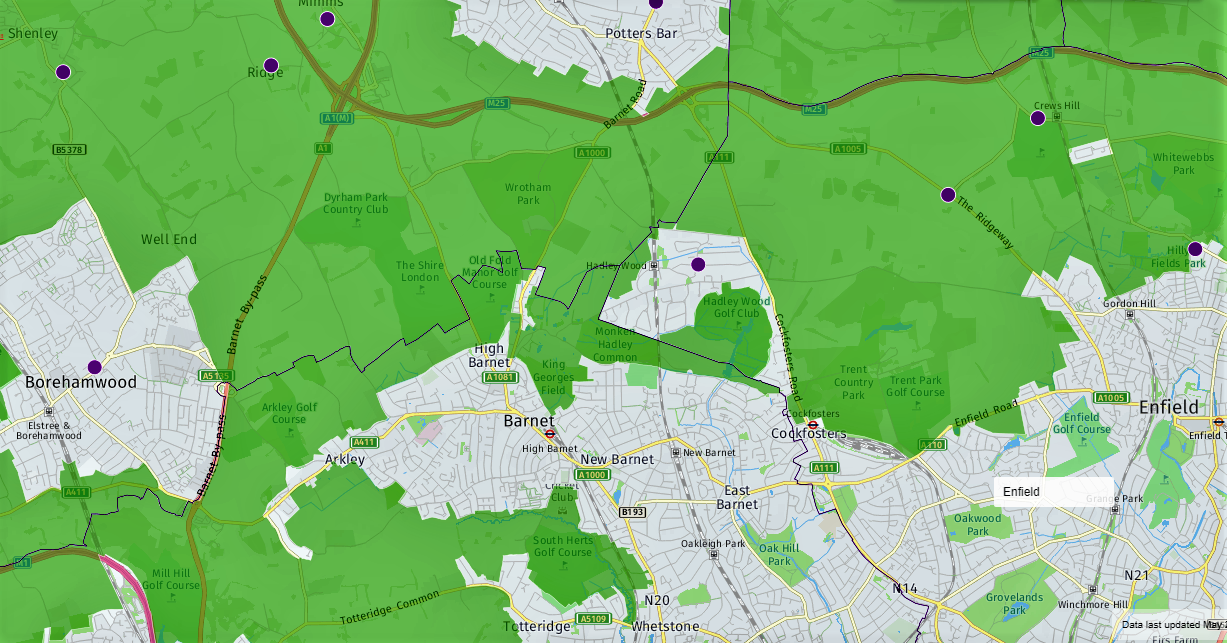
Land around London began to be safeguarded from the interwar sprawl of London’s suburbs in the 1930s, and in his 1944 Greater London Plan, Patrick Abercrombie proposed a ring of greenery around the capital. In 1945 our Society was founded to protect the fields around Chipping Barnet from being built over for 40,000 houses. In 1955 the Green Belt was enshrined in planning law, leaving us surrounded on three sides by greenery (see map below).

Since then the Green Belt has been a vital ‘green lung’ for Londoners seeking respite from their urban habitat. More recently, the vital role that open countryside plays in biodiversity, flood prevention and climate change mitigation has become obvious. The Covid-19 pandemic proved its enormous value to people’s health and wellbeing. And the Ukrainian crisis reminds us of its importance for food security.

‘Safe Under Us’? details the extent of Green Belt loss under the Local Plans currently being drafted by every Council. It points out how all of the region’s housing needs could easily be met by building on brownfield (previously developed) urban sites instead. The full report can be read here.

The report highlights the fact that many councils are still using housing figures based on out-of-date (2014) population and household projections from the Office for National Statistics when more recent and accurate Census figures show a marked slowing-down of population increase. Far fewer houses are actually needed than are currently being planned for.

Furthermore, adds LGBC Chairman Richard Knox-Johnston, “It is a fallacy that building in the Green Belt will provide affordable homes. New development in the Green Belt is mainly 4 or 5-bedroom homes built at very low densities since those are the most profitable for developers to build, so not providing affordable homes for young people.”

The counties of Hertfordshire, Essex and Surrey account for two-thirds of all the current development threats. Barnet is one of the least offending planning authorities, planning to build 576 homes on a mere 133 acres of the Green Belt. Fortunately, most of these are previously-developed land in Mill Hill (the former National Institute of Medical Research and Jehovah’s Witness sites).

Despite Barnet’s policies on protecting the Green Belt and environment, however, over the last five years around 40 planning applications have been made to build on Green Belt in or near Chipping Barnet. Most are to replace existing buildings with modest residential developments, but some cause us considerable concern. They include substantial gas and electricity plants off Partingdale Lane. The former was withdrawn and the latter refused permission – but Harbour Energy has just appealed against the latter decision, so that threat remains.

And Barnet’s draft Local Plan includes a proposal for a large leisure hub in the middle of Barnet Playing Fields – which are designated Green Belt – despite similar facilities being available for community use in two nearby schools.

The Society watches such cases closely. We’re strengthened by being longstanding members of the LGBC, and of its sister organisation, the Council for the Protection of Rural England (CPRE). Several of our Committee Members are actively involved with the LGBC: Derek Epstein is its Membership Secretary, Simon Watson manages its website and I’m on its Executive Council. Derek and I contributed to ‘Safe Under Us’?.

Posted on

Victory for New Barnet residents over Victoria Quarter development

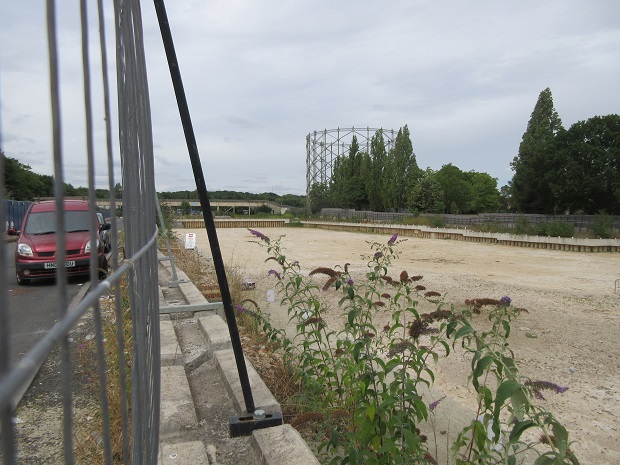
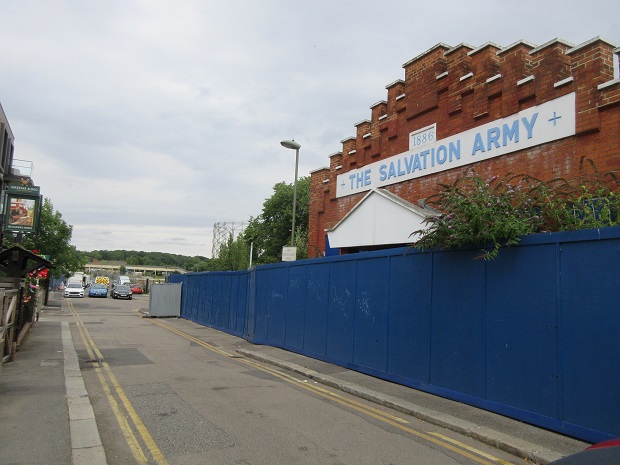
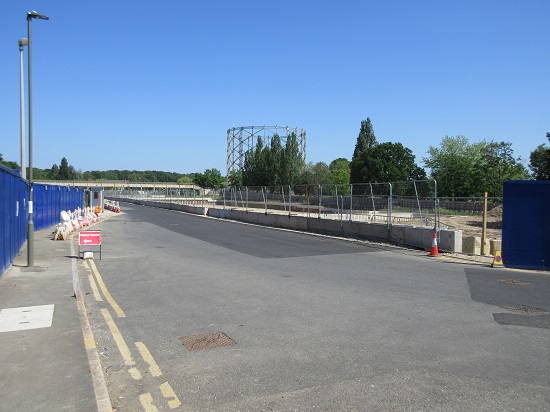
After a nine-day Public Inquiry last month in Hendon Town Hall, a Planning Inspector has dismissed Citystyle Fairview’s appeal against Barnet Council’s refusal of 539 flats on the former gasworks site. It’s a major victory for New Barnet Community Association and its supporters, including the Barnet Society, with important implications for other big developments in our neighbourhood.

John Dix of NBCA commented, “We are pleased with the Planning Inspector’s sensible and considered decision and hope that the developers will now actively engage with the community to develop a scheme which in more in keeping with the area and exemplifies good design. It should not be forgotten that if the developer had progressed the scheme approved in 2017, 371 homes would now be providing good quality accommodation for local families. The community has to be at the heart of any new development and an aspiration for quality is something that should be embraced.”

In 2020 Fairview decided that the site could accommodate many more flats, and applied for permission for 652 units in blocks up to 10 storeys high. Following local outcry and planning refusal, they returned with a reduced scheme for 554 units in 13 blocks ranging from four to seven storeys high. 800 members of the public objected.

In March, the Council rejected that proposal by 9 votes to 1 (with 1 abstention), chiefly on the grounds that it would be harmful to the character and appearance of the area including the adjoining Victoria Recreation Ground.

The Barnet Society objected to both applications. Although we’ve long supported housing on the site, we argued (amongst other points) that the mix should include more family homes, preferably with gardens. Our most recent web posts on the subject can be read here and here.

The two weeks of the Public Inquiry were intense and demanding for NBCA, who had opted to be a ‘Rule 6 party’. That required John Dix & Fiona Henderson (far R in top photo) and Karen Miller (R in photo below) not only to do a huge amount of preparation, but on almost every day of the Inquiry they had to make detailed statements about social and technical aspects of the proposals, grill Fairview’s expert consultants and endure hours of torrid cross-examination by Fairview’s QC.

Goodness knows how much time – and cost – the whole process must have involved.

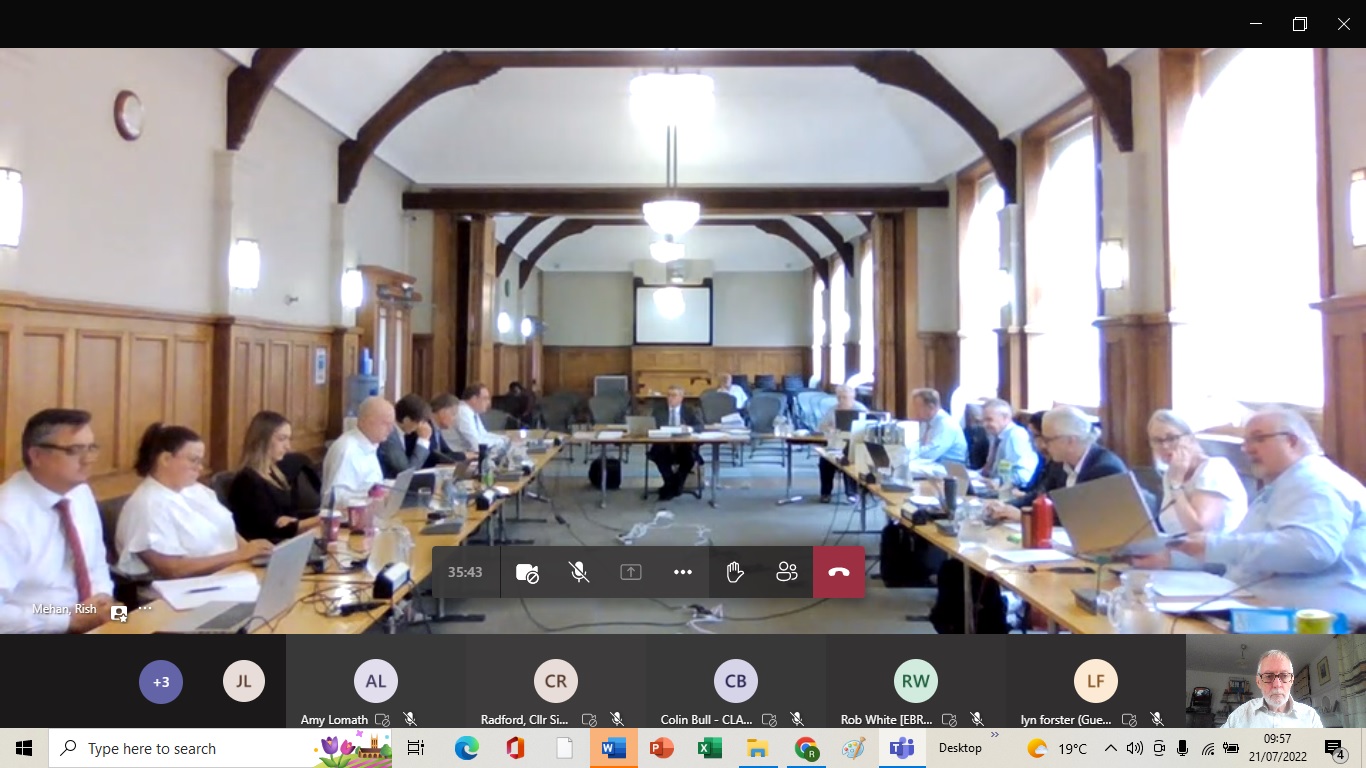
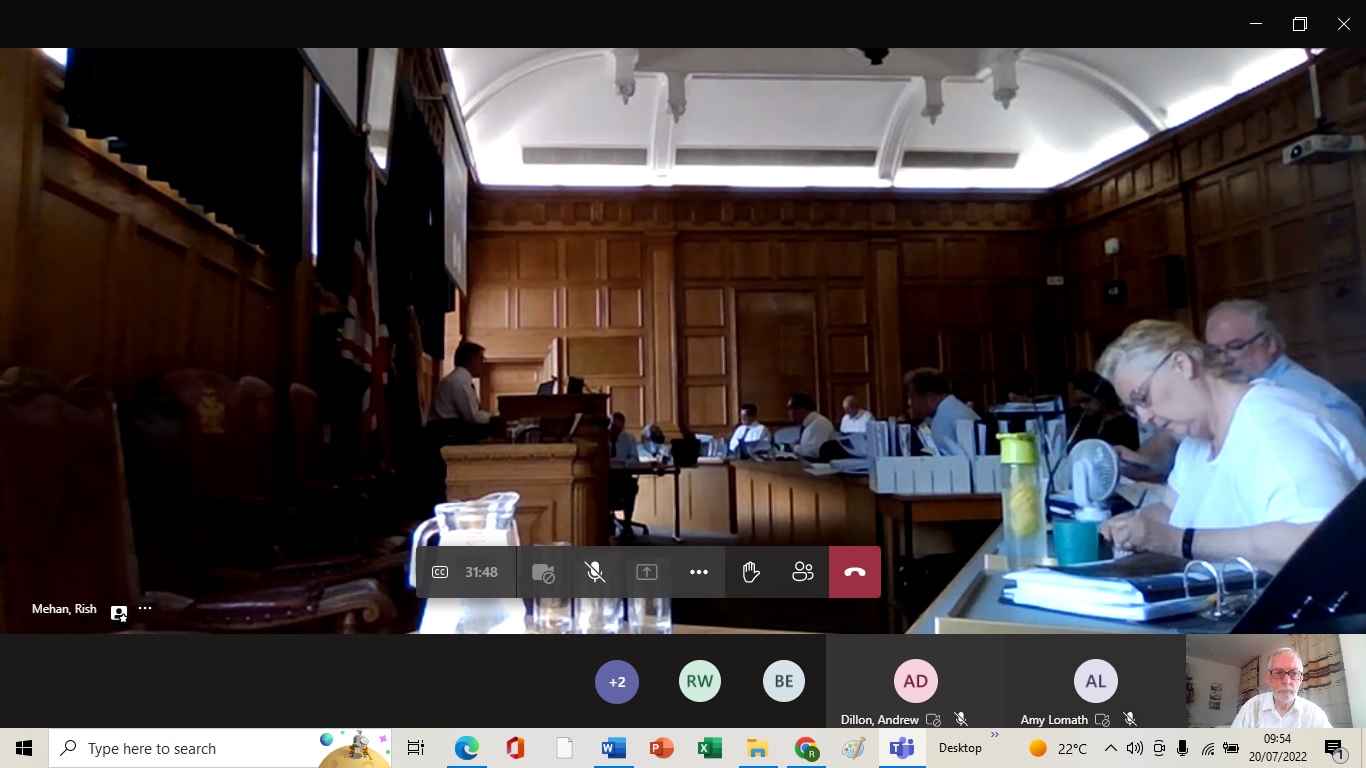
On Day 3, the Inspector invited comments from other interested parties. Powerful statements were made by Councillor Phillip Cohen, Cllr Edith David, Cllr Simon Radford and Colin Bull of Cockfosters Local Area Residents Association (CLARA) – which has successfully resisted high-rise development of their tube station car park. And on Day 6, Theresa Villiers MP also spoke passionately against the proposal.

The Barnet Society had already submitted a detailed representation, but I took the opportunity to emphasize a couple of key points.

Firstly, back in 2010 we’d been impressed by the Council’s exemplary New Barnet Town Centre Framework, which was based on local consultation and set out a clear direction for development of the former gasworks site. Out of that had grown the mixed housing proposal that was granted planning approval in 2017, in which NBCA had been proactive.

I also made the point that, as a former architect and RIBA Client Design Adviser, I acknowledged that what was acceptable in 2017 might need updating in the light of technical and other developments. However, the latest scheme was a generic international modernist solution that had nothing in common with New Barnet’s character. It was a design approach that had been discredited when I was an architectural student over half a century ago, and New Barnet deserved better.

The Inspector’s verdict was clear: “Overall, I consider that the sheer scale of the proposed development would cause a dislocation within the area, inserting an alien typology of larger mass and scale and disrupting any sense of continuity between the areas to the west and east of the site. To my mind the existence of the taller buildings in the town centre cannot be seen as a compelling precedent for such an intrusion. These latter buildings are only on one side of the road and there is a considerably greater distance between them and the four storey buildings opposite.”

He also considered aspects of living conditions such as sunlight, daylight, noise, overheating, playspace, parking and refuse, and concluded, “Whilst none of the above issues are necessarily fatal to the scheme in isolation, taken together they do not indicate to me that the scheme can be considered to be of good design.”

East Barnet ward Councillor Simon Radford stated, “I am delighted that the Fairview appeal has been rejected. This is vindication for our campaign against tower block blight and overdevelopment. The Save New Barnet campaign have been steadfast in pointing out the various flaws of the scheme, and I was delighted to join them, along with my colleagues Cllr Cohen and Cllr David, in sharing our thoughts with the Planning Inspector about the potential for flats to overheat, the poor design of the development more generally, and concerns about how affordable these flats would really be.

“I am really proud that this new Labour administration will be bringing planning back in house, rather than continuing with the Tories’ outsourcing of planning to profit-seeking companies like Capita. This way we can have a genuinely democratic process to oversee developments and create developments that deliver genuinely affordable housing while being in keeping with the character of local communities. Today is a good day for East Barnet!”

The decision also has considerable significance for other sites across suburban Barnet and neighbouring boroughs, especially those close to transport hubs.

Nick Saul, a member of the Society’s Planning & Environment Sub-Committee, observed that the Inspector’s grounds included impact on the suburban nature of the Victoria Quarter’s surroundings. “That should indicate that TfL’s proposal for tower blocks at Cockfosters was a catastrophic breach of the policies and principles applied by the Inspector. That also applies to High Barnet Station.”

“The decision also has implications for the probable redevelopment of The Spires. It could also count against the plans exhibited for public consultation last week for a 7-storey redevelopment at 49 Moxon Street, as well as for the nearby commercial buildings that would likely face copy-cat proposals if No.49 were to gain planning permission.”

Posted on 1 Comment

MP joins residents’ protest to support last-minute bid to halt demolition of New Barnet landmark

Theresa Villiers, MP for Chipping Barnet, has stepped in to support residents in a renewed attempt to stop the demolition of 33 Lyonsdown Road, New Barnet, a locally-listed Victorian villa which the Barnet Society and other heritage groups have been campaigning to save since 2017.

Continue reading MP joins residents’ protest to support last-minute bid to halt demolition of New Barnet landmark

Posted on 1 Comment

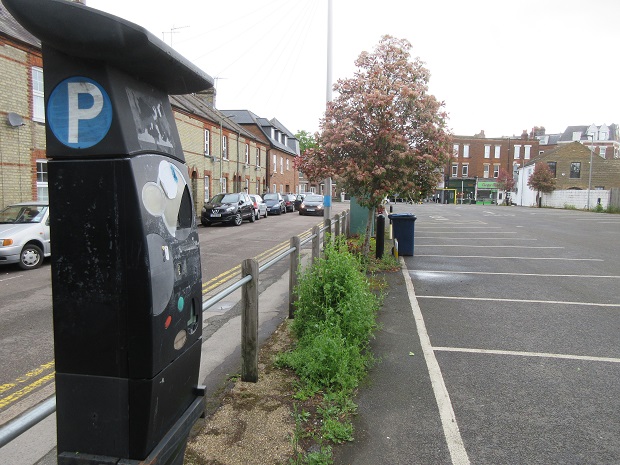
Imminent sale of Barnet Market car park: A site perhaps for another town centre housing scheme

After remaining empty and disused for the last four years, a buyer has finally been found for the abandoned car park that was once the home of Barnet Market — and what was for a brief time due to have become the site of a Premier Inn.

Continue reading Imminent sale of Barnet Market car park: A site perhaps for another town centre housing scheme

Posted on 7 Comments

Help us save the grand old lady of Lyonsdown Road

Urgent action is needed to save 33 Lyonsdown Road following Barnet Council’s recent decision to allow its demolition. Together with local residents, the Barnet Society has been campaigning since 2017 to save this beautiful Victorian villa but the owners have used the permitted development route to apply to knock down the locally listed building.
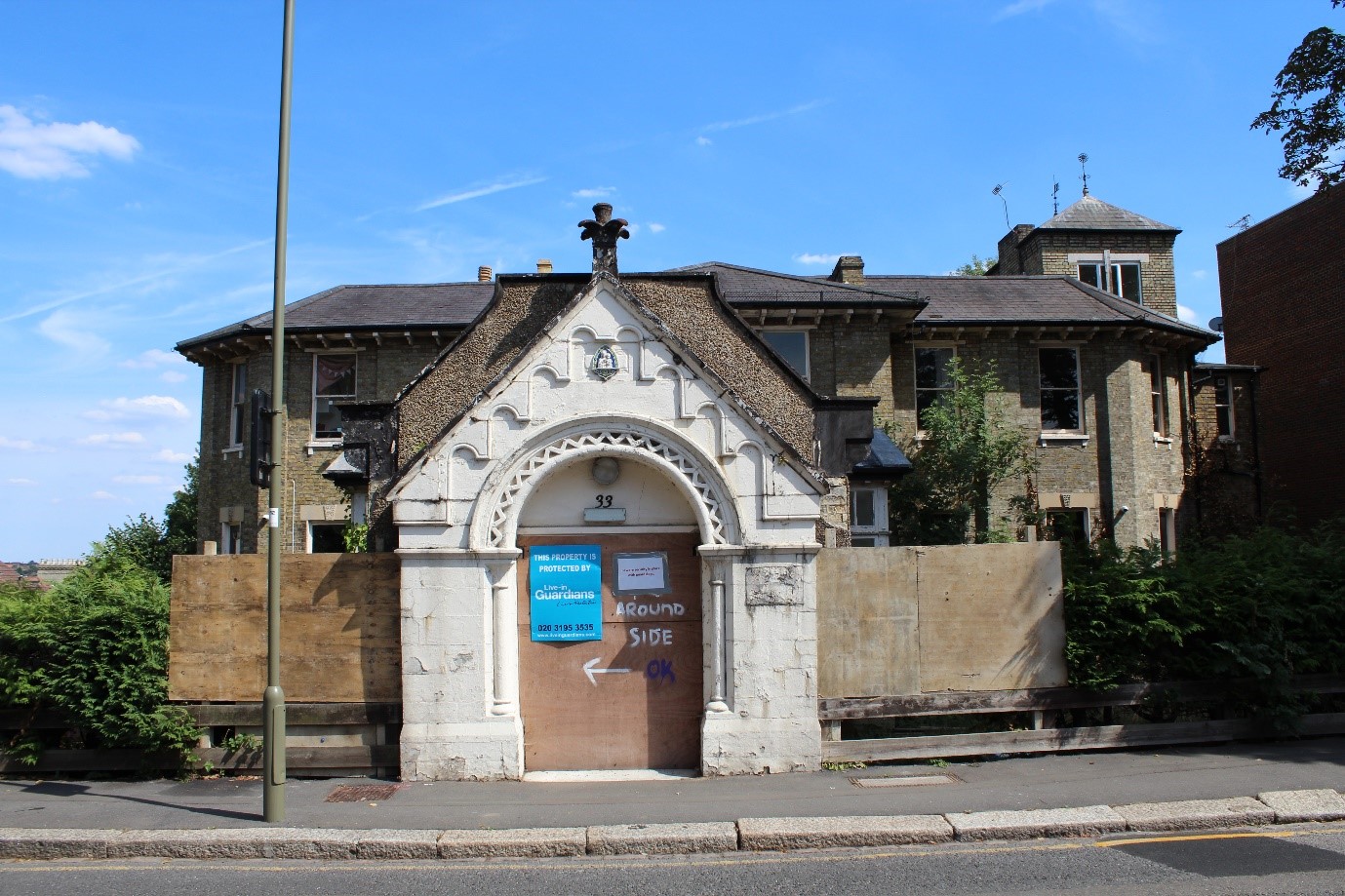
Local residents are horrified that the council has allowed demolition of one of the finest buildings in New Barnet. One resident wrote that the proposed demolition was ‘very very sad … devalues [the] area and our cultural history means nothing.’ She added: ‘nothing seems to matter but building more soulless flats.’

We need your help to persuade the owners, Abbeytown Ltd, to change their plans to bulldoze this much-loved building, which they want to replace with a block of flats. The Barnet Society has written an open letter to Abbeytown to ask them to reconsider, which you can view here. We asked them to meet us and local residents last year to talk about the scope for a conversion scheme, but we heard nothing. Today we renew that call and invite you to write to the company at their head office:

Abbeytown Ltd

Martyn Gerrard House

197 Ballards Lane

London N3 1LP

Our last report on the case was in April, when the owners’ latest plans for redevelopment were thrown out by the government’s Planning Inspector. That good news was then undermined by break-ins at the property. It was later boarded up.

In June, permission to demolish was granted under the permitted development (PD) procedure, allowing small-scale changes to buildings without the need for the full process. But PD has been expanded by the government in all sorts of ways. The shocking decision to allow the demolition of 33 Lyonsdown Road was made, Barnet Council admitted, ‘by default’. It was not taken on the merits of the case on planning grounds; nor was it referred to the Planning Committee. The officer handling the case told the Society that, while we were welcome to submit comments, the Council was ‘not able to make our own assessments or consider comments from any parties in this determination’.

We highlighted the risk to the building early last year, saying the permitted development procedure means that the Council cannot consider keeping a locally listed building if a proposal to replace it is submitted. That process is enshrined in the National Planning Policy Framework. We told the Council that they could make sure that the decision couldn’t be taken away from them like this by imposing a block on demolition via an Article 4 direction. Councils – Barnet included – use these all the time to protect conservation areas and other historic assets. Barnet refused. We asked Councillors to intervene and they said there was nothing they could do. Their inaction runs counter to the Council’s recent declaration of a climate emergency, given the needless release of embodied carbon as a result of demolition and rebuilding.

The building is the last remaining of the large architect-designed houses of the 1860s which set the character of the Lyonsdown area. The house has featured in multiple Barnet Society webposts over the last few years and was picked up by the Victorian Society, SAVE Britain’s Heritage and the Nooks and Corners column in Private Eye.

Local historian Dr Susan Skedd researched the fascinating history of the house, discovering who designed it – Arthur Rowland Barker, an architect with a national-level practice, who settled in Southgate and was a prominent figure in the area – and the later history of the house when it was a refuge home run by the Foundling

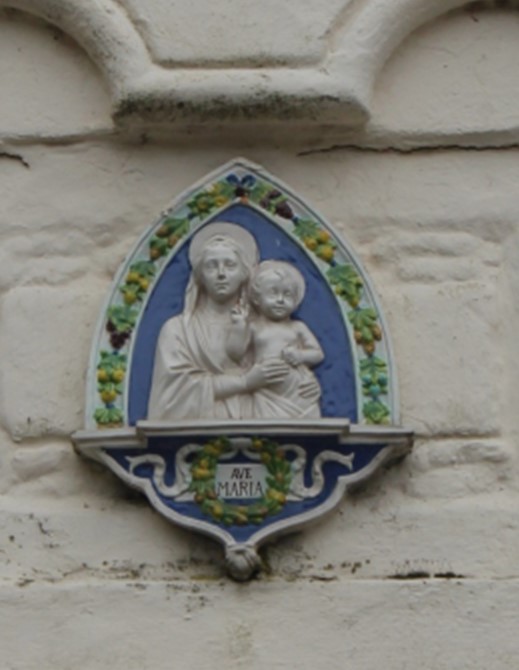
Below: The Renaissance-style plaque of the Madonna and Child over the main door to the house

Today, the house is boarded up and down at heel. What a contrast with how it looked less than a decade ago, when the window frames were smartly painted, the lawns mown and the hedges clipped. It was then in the ownership of the Roman Catholic Society of African Missions, who in 2015 sold it to Abbeytown Ltd, a Finchley-based property development firm, whose directors include Simon Gerrard, Managing Director of Martyn Gerrard estate agents.

The Barnet Society is convinced that such a well-built house could be repaired. Local residents agree, as did the property guardians who lived there until last year. They loved the place and had made it a haven for ‘boho creatives’. When Abbeytown gave the guardians notice to quit, they told them that it was no longer safe to live there because of the condition of the building. Now the company says the building has two tenants living there.

Abbeytown have not said what they intend to build in its place after demolition. They will need planning permission for that. Their last two applications to put up a block of flats were turned down by the Council. On both occasions, Abbeytown appealed but Barnet’s decisions were then endorsed by Planning Inspectors. It is deeply saddening that Barnet’s officials should roll over so easily this time.
The Barnet Society has argued all along that this striking landmark building with its elegant interiors should not be demolished but repaired and converted to flats. There is scope for a sympathetic extension or a newbuild element in the garden among the splendid trees. Local people have clearly voiced their view that another block of flats is not what they want to see.

Our campaign to save the building has attracted the support of national heritage bodies. The Victorian Society has written: ‘The Victorian Society is fully supportive of the Barnet Society and enthusiastically echoes its continued calls to see this handsome, locally significant building preserved and sympathetically adapted for future use. Although the demolition of the building is now permitted, while it still stands, it is not too late for a change of approach to the redevelopment of the site’.

SAVE Britain’s Heritage commented: ‘SAVE is disappointed by Barnet’s Council’s decision not to resist the demolition of this attractive villa, a building the Council only recently added to its list of locally listed buildings.  The case exemplifies the misuse of permitted development rights to demolish structurally sound historic buildings, regardless of their potential for re-use and conversion. This villa could be converted to provide much needed and characterful housing, making use of the remarkable interior features that survive.  Instead these will now be condemned to the rubbish tip.’

Please copy us into any correspondence with Abbeytown at info@barnetsociety.org.uk.

Posted on

Dilemma for planning inspector: How many blocks of flats can be fitted into New Barnet site?

After a two-week inquiry into the latest plans to redevelop the former gas works site in New Barnet, a planning inspector will have to decide whether developers Citystyle Fairview should be allowed to squeeze in 168 more flats than were originally agreed in 2017.

Continue reading Dilemma for planning inspector: How many blocks of flats can be fitted into New Barnet site?

Posted on

New Barnet objectors say extreme hot weather highlights design failings in plan for high-rise flats (2)

Record temperatures and an unprecedented red alert heatwave warning are claimed to be further justification for opposition to a scheme to build high-rise blocks of flats on the former gas works site at New Barnet.

Continue reading New Barnet objectors say extreme hot weather highlights design failings in plan for high-rise flats (2)