
Food waste being collected on bin days from homes across Borough of Barnet to be used for producing electricity and farm fertiliser
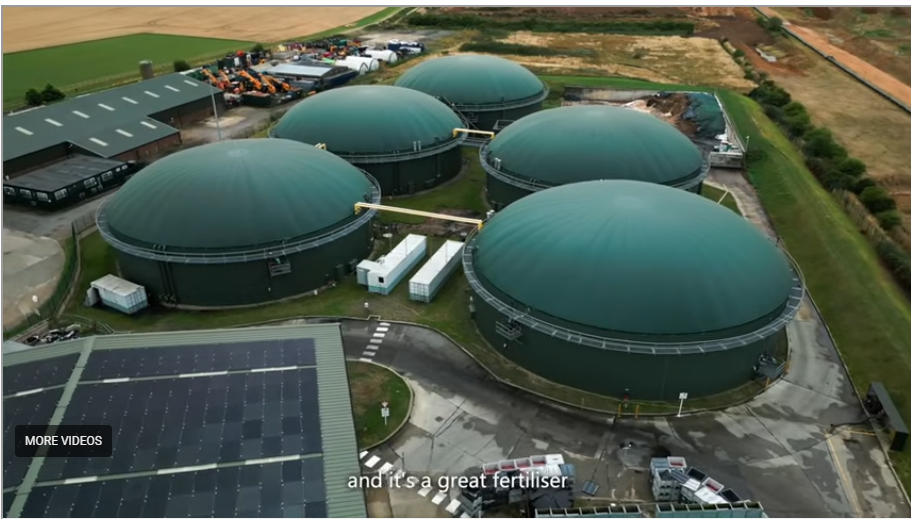
With the reintroduction of domestic food waste collections from homes across the Borough of Barnet, families will be making their contribution towards generating electricity and producing liquid farmland fertiliser at a renewable energy plant midway between North Mymms and London Colney.
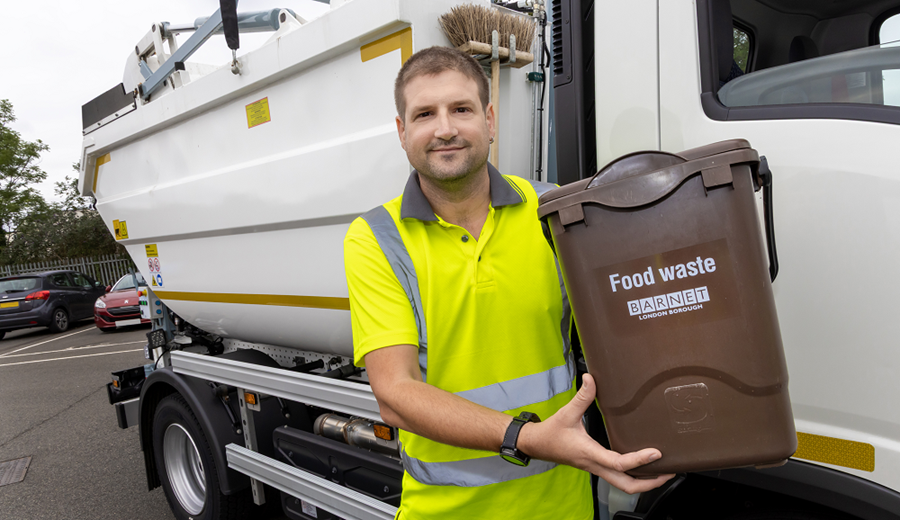
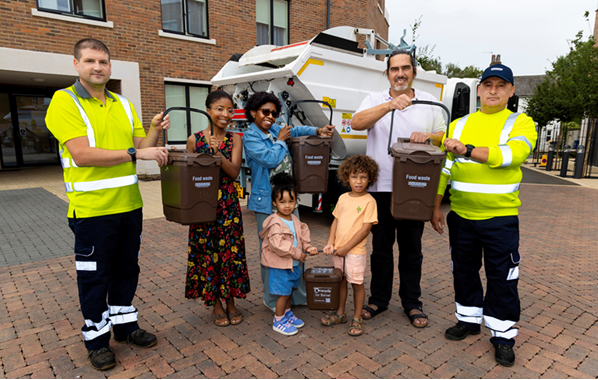
Barnet householders have been supplied with two new containers – a brown kitchen caddy for collecting food waste indoors and a larger brown outdoors food waste bin.
Food waste bins will be emptied at the kerbside into new collection vehicles hired by the council.
Collections will take place on a householder’s regular bin day.
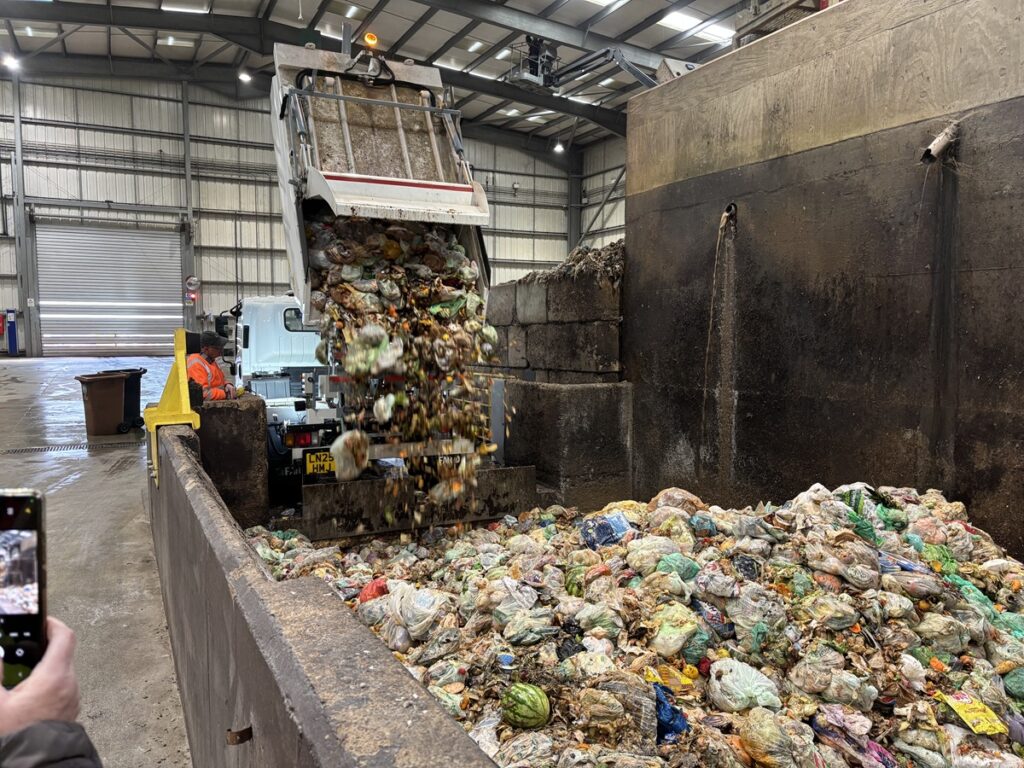
Lorries will unload into a bunker at Severn Trent Green Power’s facility at Coursers Farm, just to the north of junction 22 on the M25 motorway.
Severn Trent Green Power opened the plant around ten years ago.
It serves towns and councils from a wide radius in Hertfordshire, including Hertsmere, and processes up to 75,000 tons of food waste a year, including some commercial waste.
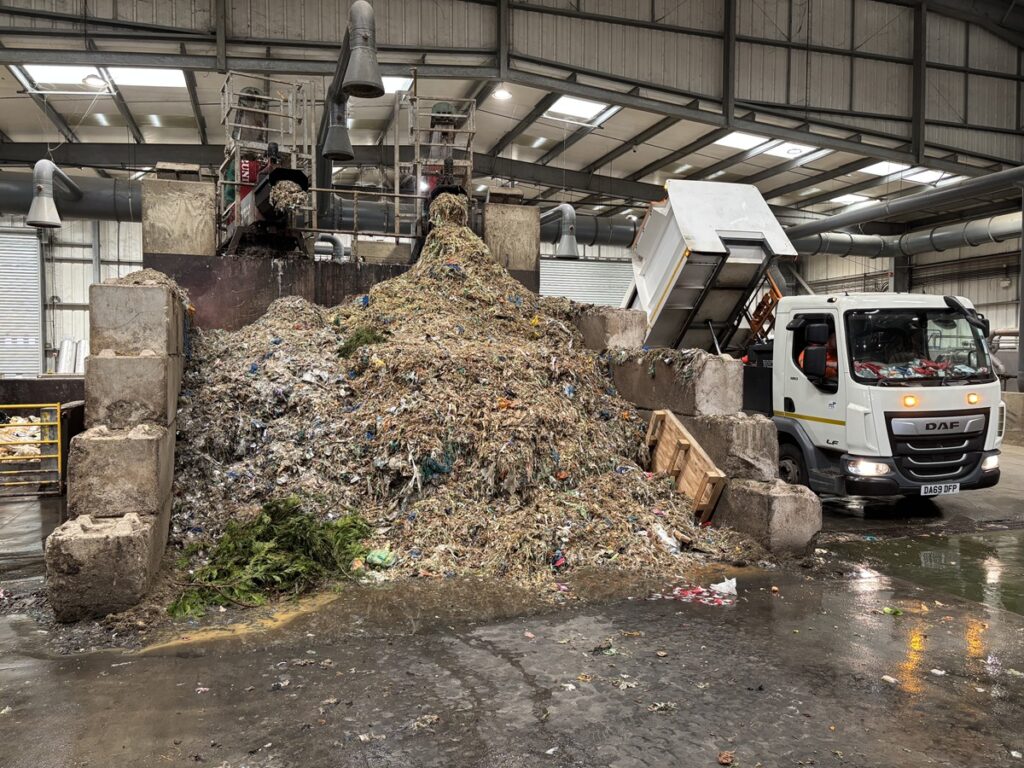
Once tipped at the plant all plastic from caddy liners, bags and wrappings is removed mechanically so that the food waste can be pumped into digester tanks where biogas is produced ready for the generation of electricity in site’s engines.
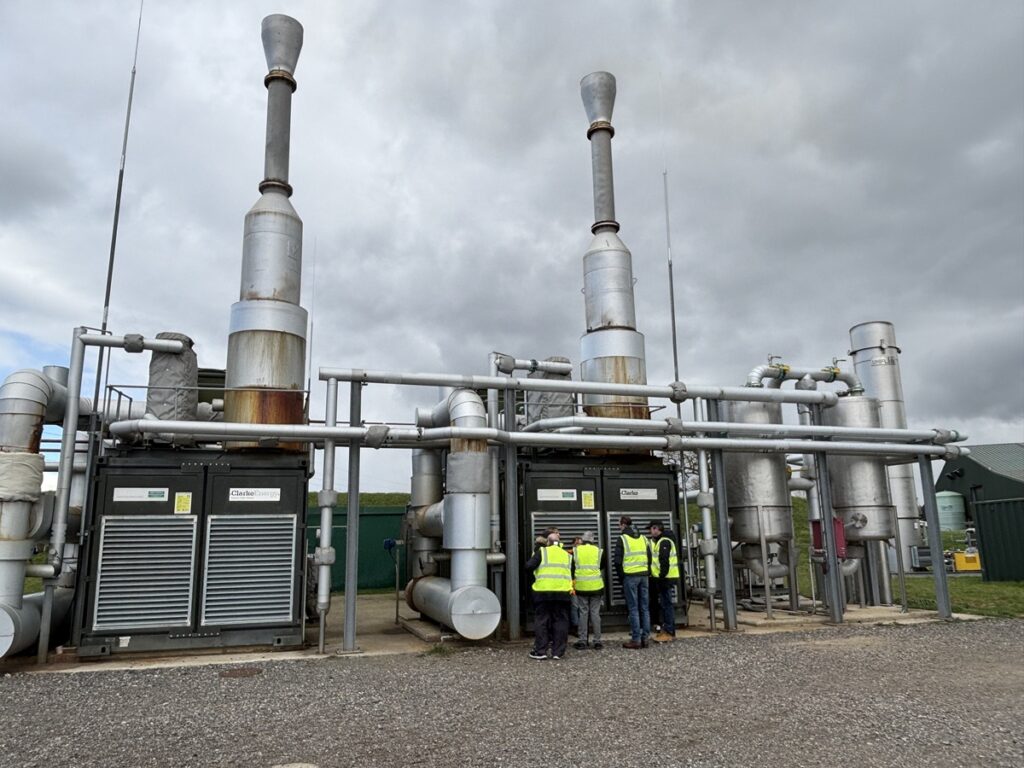
Severn Trent Green Power’s North London plant produces three megawatts of power for the National Grid at Coursers Farm.
Liquid fertiliser for farms, which is the residue of the process, is distributed for spreading in fields on local farms.
Barnet Council has reinstated food waste collections – as from a government deadline of Monday 30 March – as a result of new regulations requiring local authorities to collect food waste separately from other household waste.
A food waste collection service had operated in Barnet from 2013 until it was cancelled by the council in November 2018 – against the advice of the Mayor of London – in order to save an annual bill of £300,000.
Government capital grants – including £2.7 million for Barnet – have now been paid to local councils to meet the cost of new containers and collection vehicles.
New kitchen caddies and kerbside bins for Barnet householders have cost £1.3 million and food waste collection vehicles are being hired for five years from Riverside Truck Rental at a cost of £2.8 million.
Publicity for the reintroduction of the service includes advice on what to place in the food waste caddy – leftover food, peelings and waste from fruit, vegetables, meat, fish, dairy products, bread, cakes, tea bags, coffee grounds etc.
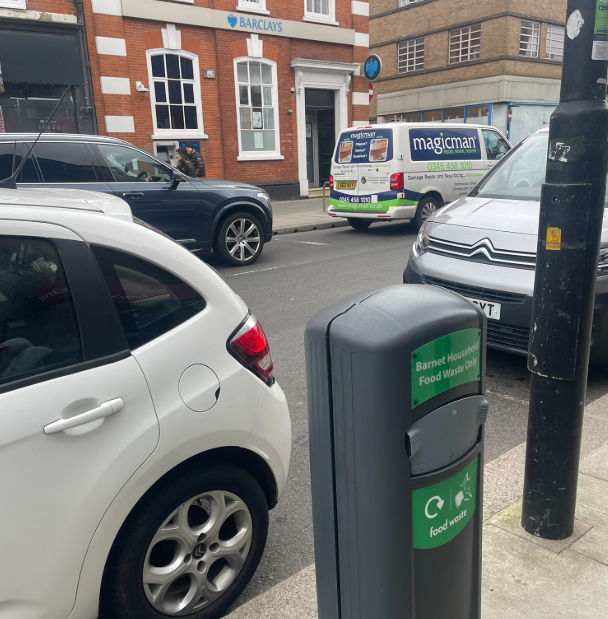
Special bins are being provided for household food waste from flats above town centre flats – as seen in Barnet High Process.
In the first part of the process at the Coursers Farm plant all plastic bags and coverings are removed. The plastic waste which is left is sent to separate waste-for-energy plants.
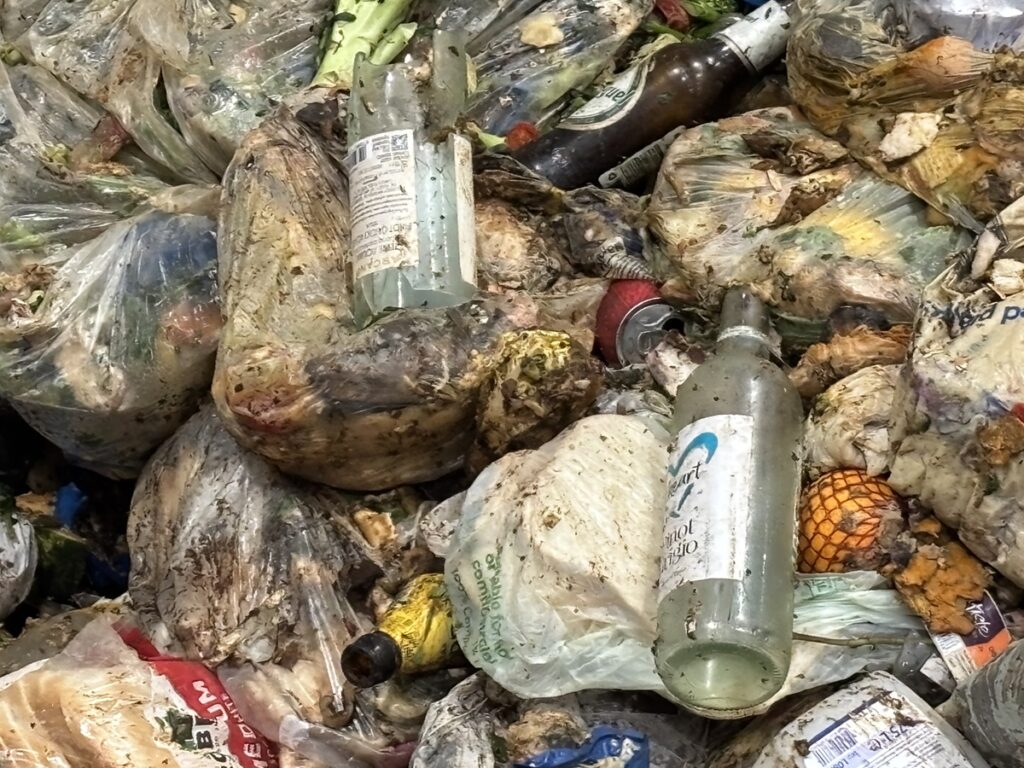
Loads have to be rejected if they are contaminated with other waste such as bottles and cans.
Once the processed food waste has been reduced to a liquid – a food waste soup as it is known in the trade – it is pumped into one of four digestion tanks where it is heated to between 37 and 42 degrees, breaks down, and releases biogas for electricity generation.
From being tipped by a lorry, it takes around 85 days for the waste to be converted into gas and liquid fertiliser for spreading on fields.
To reduce odours escaping into the neighbourhood, air from the plant goes through a biofilter using a water filter and damp wood chips.
Why not become a member? Receive our latest newsletter hot off the press four times a year, and support our work with a membership.
If you have some local news, history or want to bring something to our attention please email us.