
Barnet’s Conservative councillors issue plea to Labour to level with residents over likelihood of “enormous” rise in council tax next year
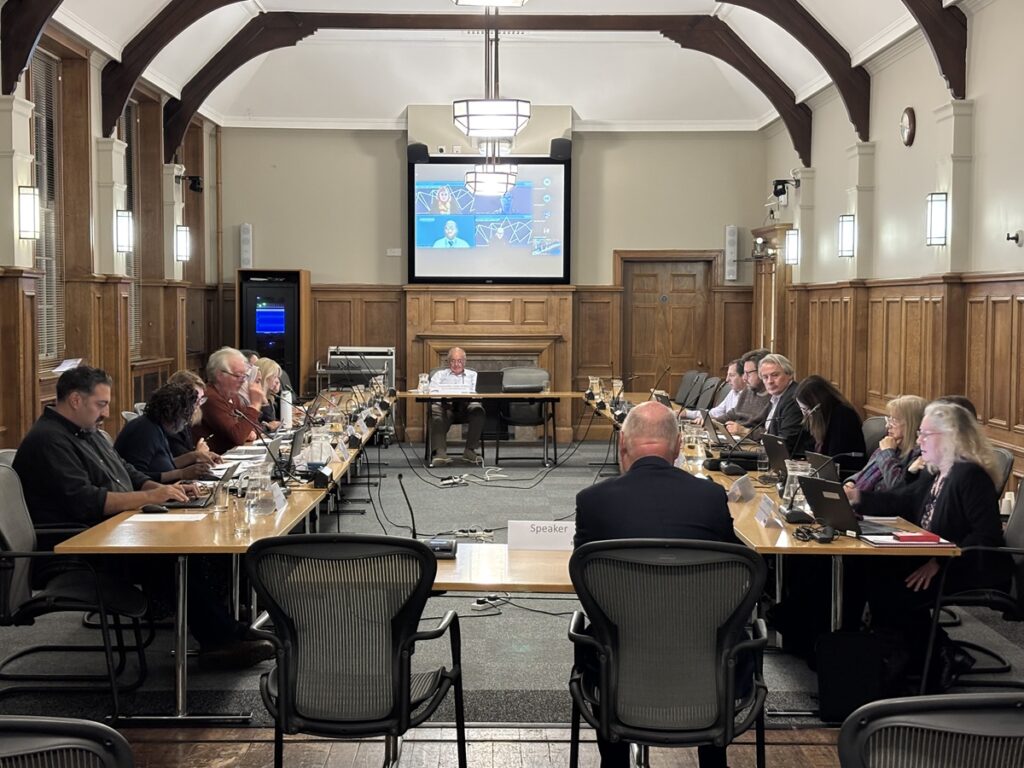
Barnet Council’s Labour controlled cabinet has been accused by Conservative councillors of “skirting around” the need to come clean with residents about what is almost certain to be a massive hike in council tax next year.
If the government gives approval for the council to exceed the 5 per cent cap on council tax increases – in order to start reducing Barnet’s £200 million budget deficit – householders could face average increases of anything from £8 to £12 a week.
After relying for the last two years on additional government funding to balance the books, the council has been advised it has no alternative but to increase its council tax to the national average – a step that would require a 32 per cent increase in Barnet’s council tax.
For the average property on band D that would mean a £500 increase next year to bring in the extra £70 million needed to take Barnet’s council tax revenue up to the national average.
The choice the council faces – again dependent on the outcome of talks with the government – is whether to push the increase through in one go or spread it over several years.
By next year Barnet will have the largest budget gap of any London borough unless action is taken. It is one of nine council’s relying of exceptional support from the government, totalling £135 million over the last two years.
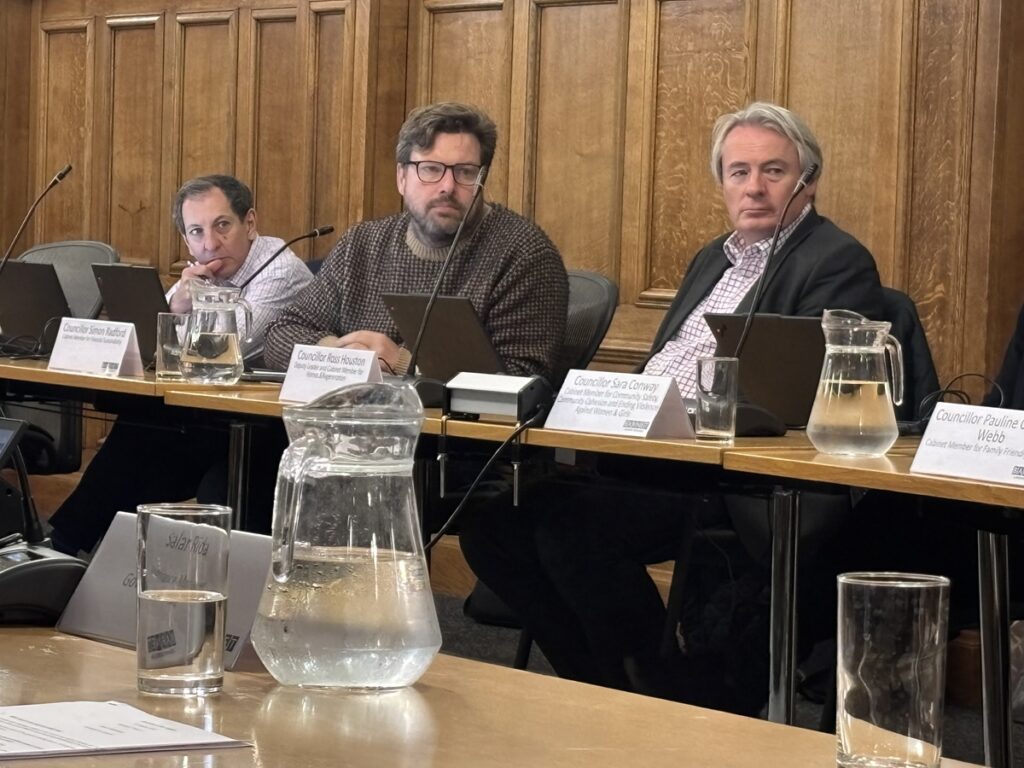
When the cabinet met at the town hall in Hendon, cabinet member for finance, Councillor Simon Radford (above, second from left), was subjected to sustained criticism from Conservative group leader, Councillor Peter Zinkin, for failing to alert residents to the “massive implications” for household finances next year.
“When are you going to level with residents about the fact that you are asking the government for permission to raise council taxes to the national average,” asked Councillor Zinkin.
“Most of them don’t know enough about what will affect every family in the borough.
“They could face average council tax increase of £8, £10 or £12 a week which is a very material change.”
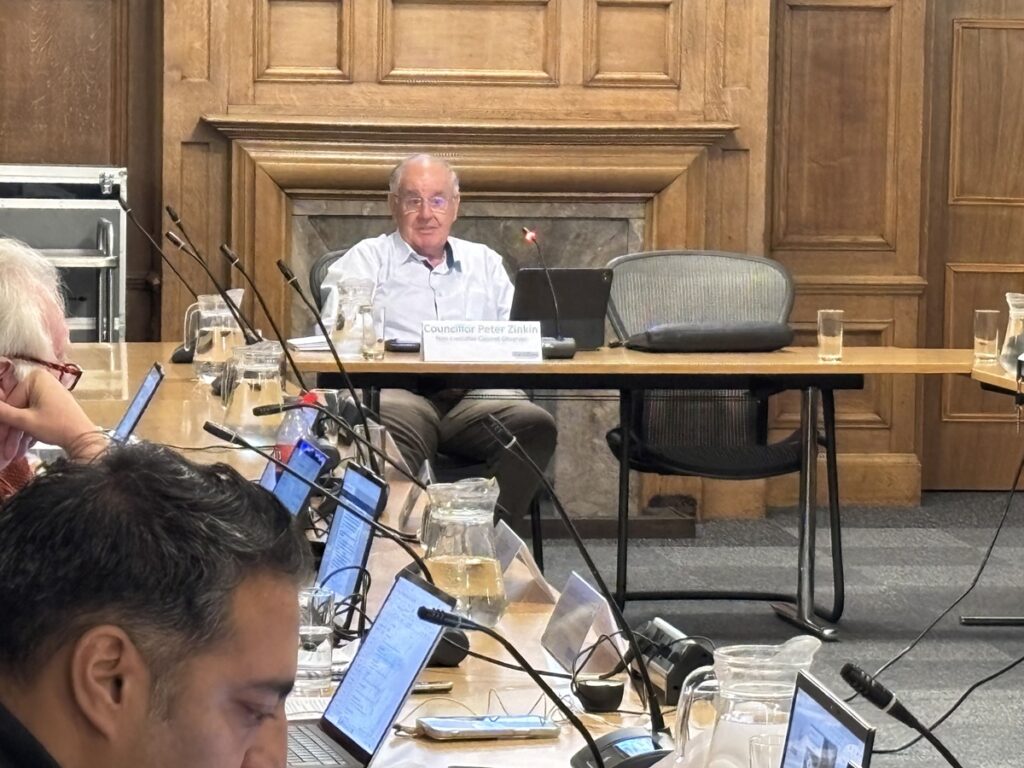
Councillor Zinkin (see above) was supported by Councillors Richard Cornelius (Totteridge and Woodside) and David Longstaff (Barnet Vale) who both urged the council to let residents know they could be hit with an “enormous” rise of up to 30 per cent next.
In response, Councillor Radford insisted the council had been straightforward in letting residents know of the “very painful” decisions which would have to be taken if the council was to reduce its deficit and deliver a balance budget by March 2029.
He was anxious not to cause alarm and confusion about a large council tax increase until talks with the government had been completed.
Barnet would then know if permission had been given to exceed the 5 per cent cap and whether it should impose increases of up to 30 per cent, either in one go or phased over several years.
Until the conclusion of those talks, hopefully well before the end of the year, and until there were accurate forecasts about council spending next year and the level of government funding, he could not be specific.
There had already been consultations with the public, especially online, and residents could give their views on the various options at a Barnet Question Time on Monday 26 October (see details below).
“Obviously we are ready to discuss with residents whether the council tax increase should be all in one go or in stages,” said Councillor Radford.
“No doubt some residents would be happy to get it over with next year but other people would think there should not be such a huge jump in one year and that it would be better to spread it over several years, even though this would cost more over a long period.”
Councillor Zinkin persisted with his criticism: the council should be telling residents how massive the rise in council tax could be next year and how much it would be if spread over three years.
Earlier Councillor Radford had presented detailed proposals for a future programme to reduce the deficit by cutting spending and increase council revenue to find £200 million in savings.
Councillor Cornelius agreed that the council had to unite around a way forward.
“If we are making cuts next year, and if they don’t work, we must stop them. But I agree we must look at the cost of adult services, the children’s budget and schools.
“There will be a lot of pain, and it will mean real job losses which will be difficult.”
Residents can have their say on moves to put Barnet’s finances on a sustainable footing at the next Barnet Question Time on Monday 26 October.
To apply for tickets: https://www.eventbrite.co.uk/e/barnet-question-time-budget-special-meet-the-leader-and-cabinet-tickets-1998956822667?aff=oddtdtcreator
Why not become a member? Receive our latest newsletter hot off the press four times a year, and support our work with a membership.
If you have some local news, history or want to bring something to our attention please email us.