Posted on 1 Comment

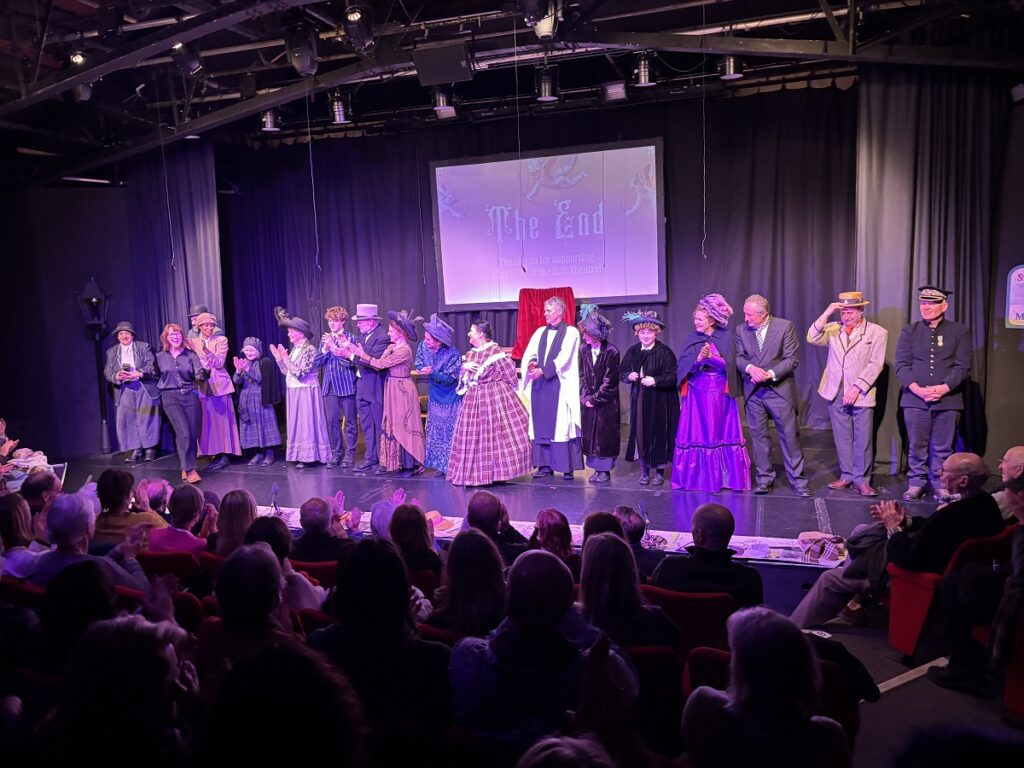
Warm applause for another imaginative drama retelling events from the rich tapestry of High Barnet’s historic past  

Claire Fisher’s first play – Mary Livingstone, I Presume? – tickles the audience with a joyous array of gossip and small talk between the Hadley Green gentry of yesteryear, their servants and the townspeople of Barnet.

The Bull Theatre was packed with highly appreciative audiences for the latest production by the Blue Door Theatre Company.

An ingenious script imagines the ghost like presence of Mary Livingstone inside Livingstone Cottage, the house on Hadley Green which in 1857 was the home of the Victorian explorer and missionary Dr David Livingstone, his wife and children.

A plaque dedicated to the centenary of Dr Livingstone’s birth was erected on the front wall of the cottage.

Claire’s story line imagines a sequence of events that led up to the official unveiling ceremony in 1913.

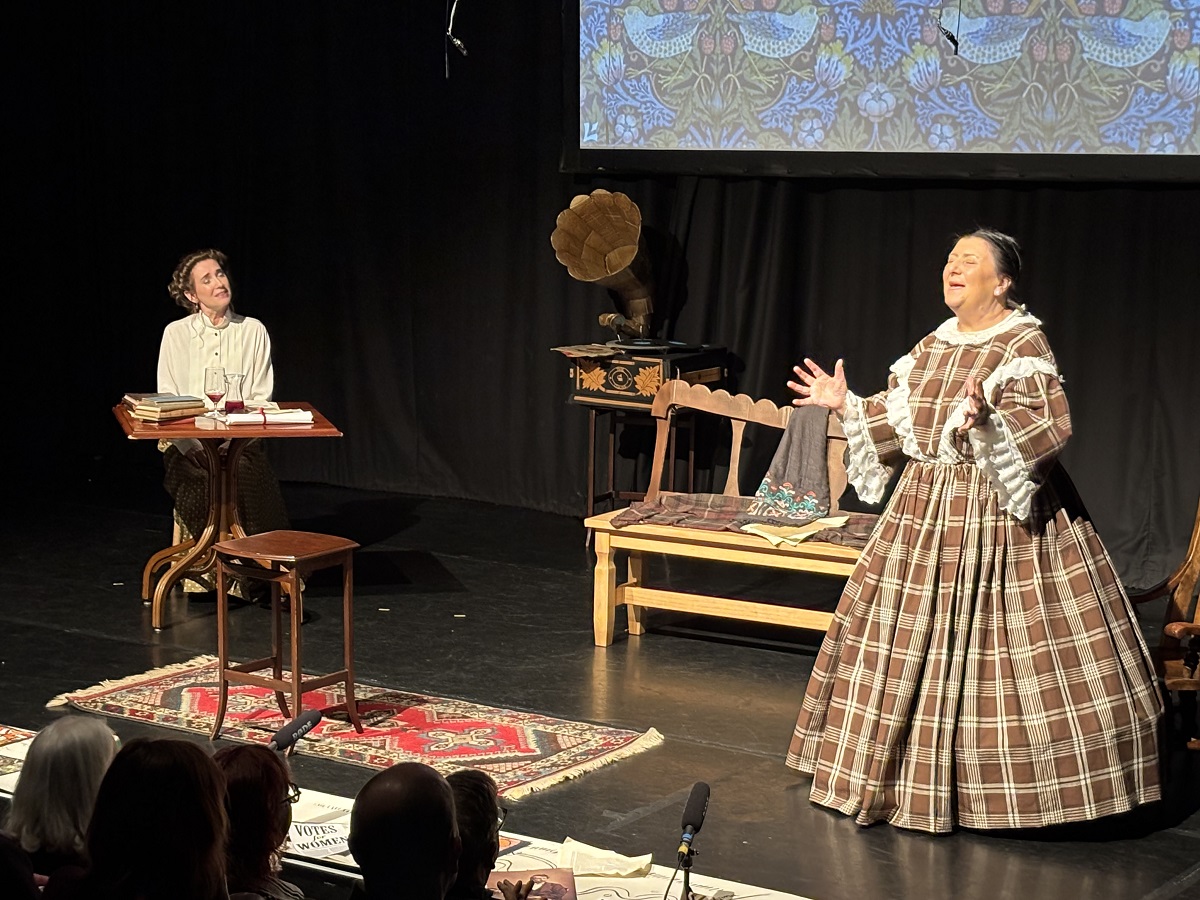
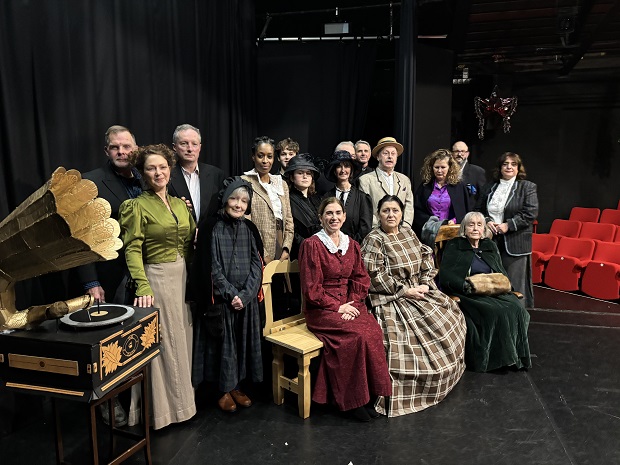
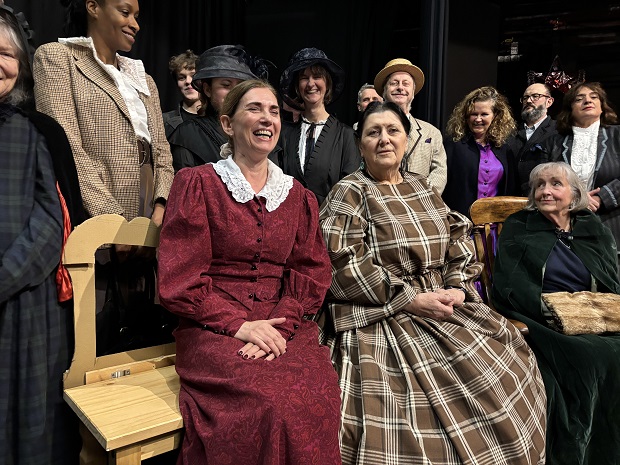
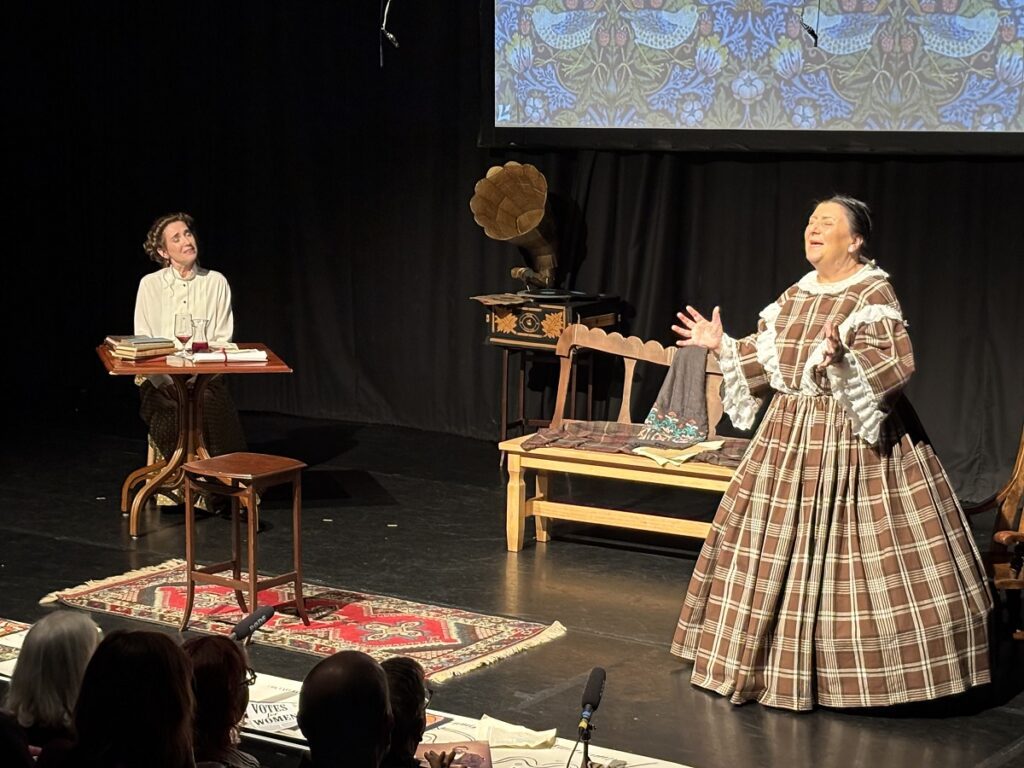
The re-appearance of Mary (played by Sarah Munford, see above) in a magnificent and voluminous crinoline style dress triggers challenging conversations which become the all-absorbing pre-occupation of Isabelle Harrington (Brigid Hekster) who moved into Livingstone Cottage after she returned to the country following the death in South Africa of her mine investor husband.

What actually happened in the everyday reality of today was that Claire Fisher and her family moved into the cottage 11 years ago.

Finding herself living in a house inhabited by such an illustrious famous predecessor developed Claire’s interest in researching how the famous explorer and his family came to live at Hadley Green in the 1850s.

The inspiration for the play – the first she has written and directed – grew out of Claire’s realisation that the role of Dr Livingstone’s wife Mary had been largely ignored.

In fact, it was Mary’s knowledge of local African languages and her standing among local people that was crucial to the success of Dr Livingstone’s travels, yet little was known about her contribution in propelling her husband into the pantheon of historical figures.

Claire started to wonder whether there were any women residing in Barnet in 1913 who had dared to suggest that Dr Livingstone’s wife deserved at least a mention – as there is no reference to her on the commemorative plaque – and her play tries through the drama that unfolds to put the record straight.

Isabelle Harrington, the central character, is the grieving widow who has returned to Hadley Green and who moves into Livingstone Cottage.

While navigating her grief she is determined to find out more about the Livingstone family.

She is also determined to continue working on work on her “causes” – votes for women, and campaigns like the attempt to ban the wearing of ostrich feathers on women’s hats.

Isabelle finds comfort in conjuring up Mary and the repercussions of their imagined conversations interact with the lives of the other women in the play, ranging from Caroline Penman (Val Golding) the formidable mother of her brother-in-law, to their long-standing servant Kitty (Jan Parker) who as a 20-year-old was a servant in the Livingstone household.

Kitty recalls working in the house while Dr Livingstone wrote about his missionary travels. She remembered how the couple’s children used to play on Hadley Common.  

Claire says her aim in the play was to portray the lives of women who had to manage their lives and hopes through the whims of men who treated them as second-class citizens.

Warm applause at Bull Theatre for another imaginative drama retelling events from rich tapestry of High Barnet's historic past

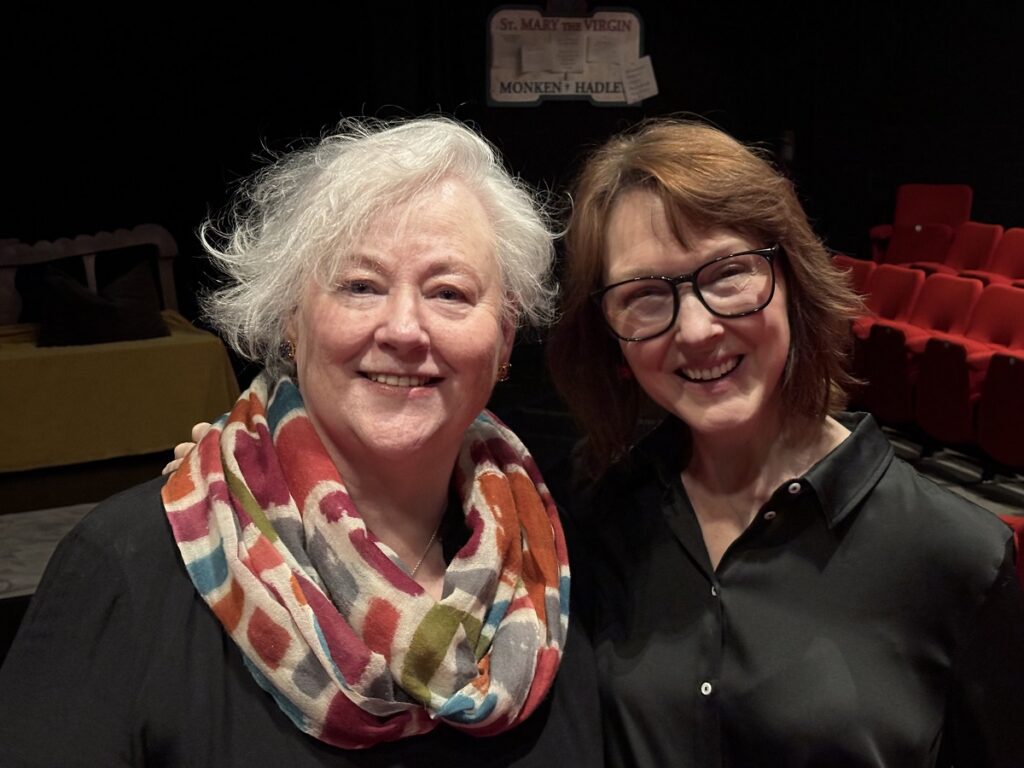
In thanking the cast at the curtain call, Claire (above right) paid tribute to the dedication to the members of Barnet’s successful community theatre group and especially for the encouragement and support she had been given by Siobhan Dunne (left), the artistic director of the Blue Door Theatre Company.

Mary Livingstone, I Presume? is the latest in a series of locally inspired productions including The Boy I Love set in the 1880s in High Barnet around the arrival of the annual Barnet Fair and Fog of War by local playwright James Godwin set in 1471 in the heart of the Battle of Barnet.  

Posted on 3 Comments

MP says Barnet’s councillors should take final decisions on blocks of flats at High Barnet tube station car park and possible new football stadium  

When responding to the debate over the two most controversial development applications to have emerged since he was elected Labour MP for Chipping Barnet seven months ago, Dan Tomlinson is insisting he will maintain his neutrality.

He says final decisions on whether to construct blocks of flats at High Barnet tube station car park or build a new stadium for Barnet Football Club at Underhill should be taken by Barnet Council on the advice of its planning officers and committee.

When members of the Barnet Society discussed the two projects – immediately before hearing Mr Tomlinson’s response – there was a unanimous vote against Transport for London’s bid to build flats on the tube station car park and a split vote over a possible new stadium.

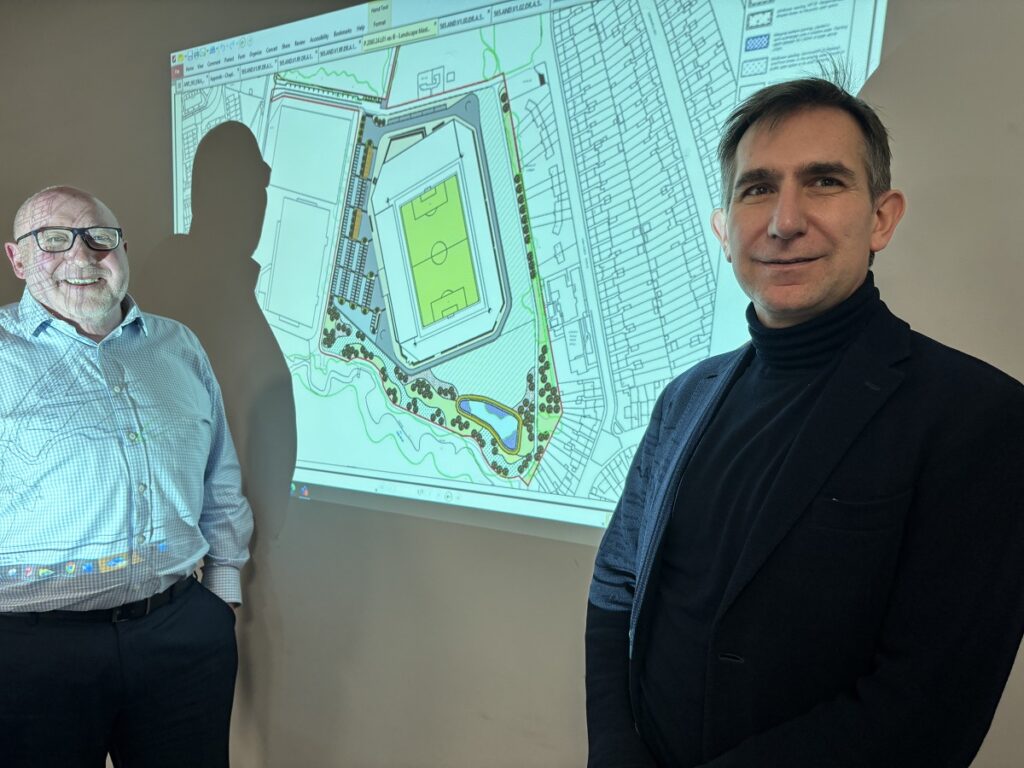
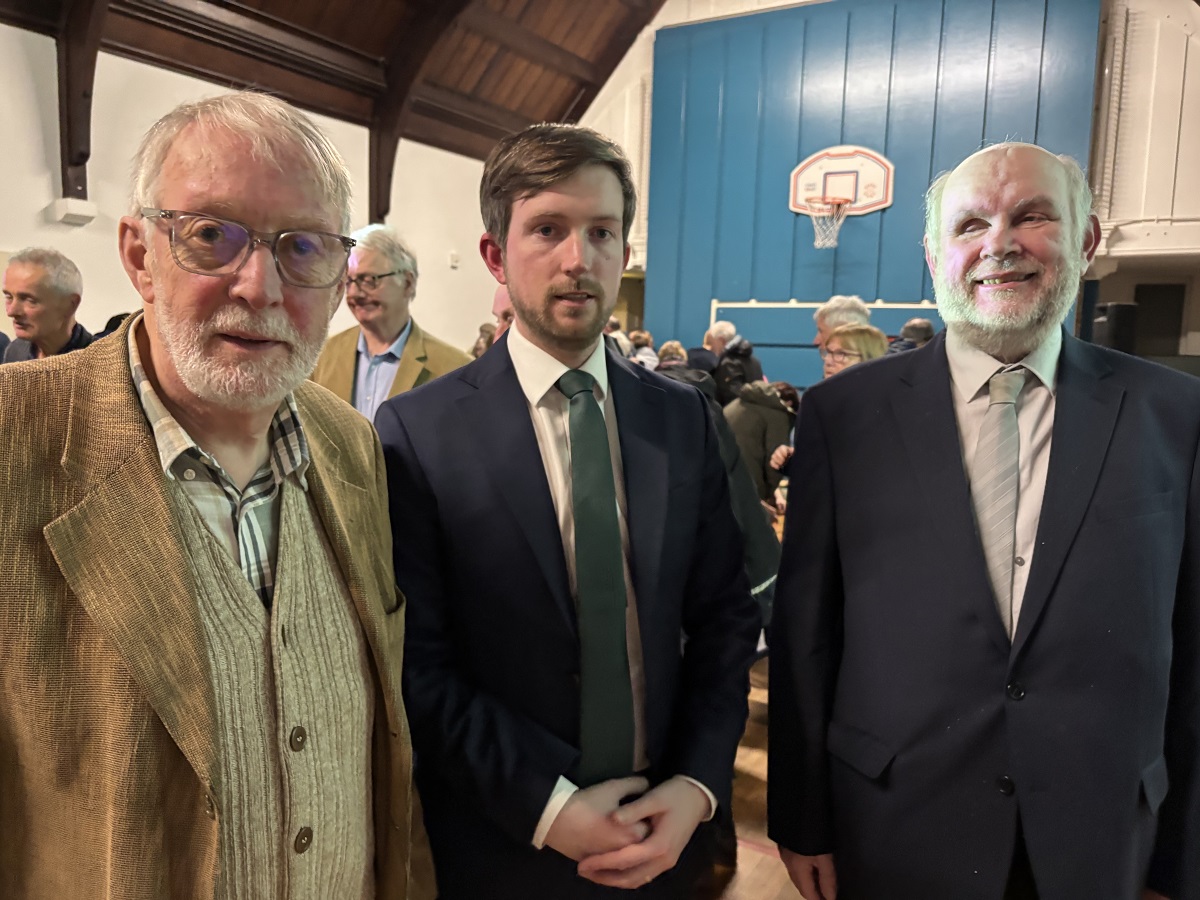
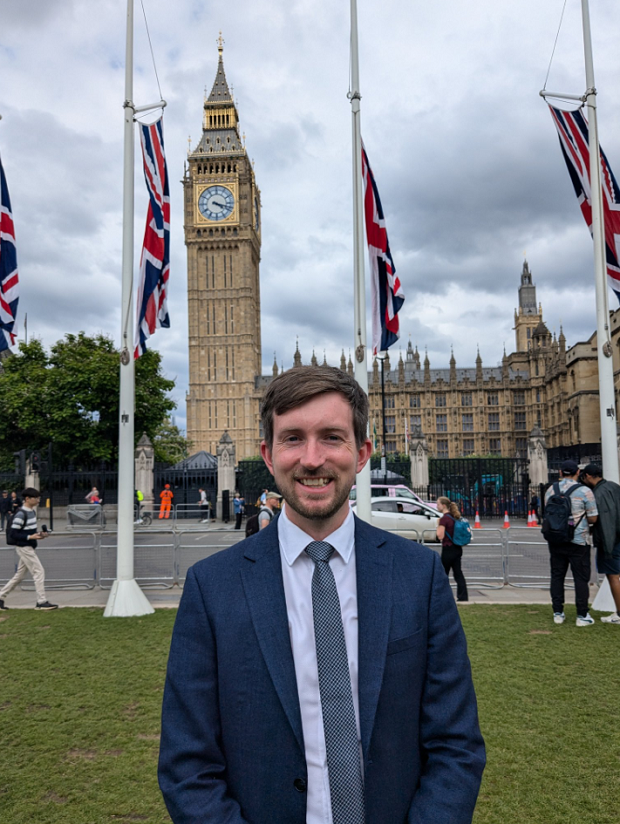
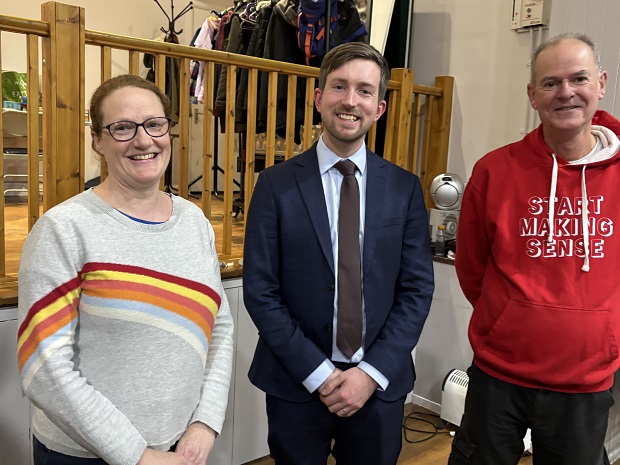
In reply, Mr Tomlinson – seen above with Robin Bishop (left) and chair John Hay (right) — was adamant that as the town’s MP he believed his duty was to address the concerns of residents and try to secure for them the best possible outcomes.

Personally, he thought a ten-storey block of flats at the tube station was too high.

He felt the football stadium was unlikely to get planning approval from the council because it would mean taking Green Belt land.

But he would not be intervening directly himself either in support or against the two projects.

“It is up to the elected Barnet Council to decide whether these schemes are in accordance with the local plan and whether or not they should be approved.”

He acknowledged that his predecessor, the former Conservative MP Theresa Villiers, had taken firm positions either for or against certain planning applications in the past, but this had resulted in local residents being “marched up the hill and down again” only to see schemes being approved in the end.

He believed his task was to help ensure that the views of his constituents were expressed to Barnet Council and to the developers and that he worked in conjunction with them and the residents to see how such schemes could be improved for the benefit of the community.

When it came to the blocks of flats at the tube station, he was keen to persuade TfL to keep much more space for car parking.

He would be following up ideas to see if underground car parking spaces could be provided beneath the development.

Mr Tomlinson was also in full agreement with tube passengers on the importance of providing a bus service direct to the station entrance and moving the north bound bus stop on Barnet Hill closer to the pedestrian crossing at the station approach road.

He was challenged over why he had not been influenced by the fact that no one in the room at the society’s meeting had voted in favour.

MP says Barnet’s councillors should take final decisions on blocks of flats at High Barnet tube station car park and possible new football stadium

An outline of the scheme had been given earlier by committee member Nick Saul (above) who said the development was unacceptable. The blocks of flats would utterly dominate the town, and he doubted whether the project was viable.

Mr Tomlinson reminded his audience that the land at the station was already allocated for 292 homes in Barnet Council’s local plan.

Building on station car parks was also included in the London plan, so there was a strong presumption in favour of the High Barnet scheme, but a ten-storey block of flats was too high and was not in keeping with the local plan’s recommendation of more than seven storeys.

“But if we can’t build flats for young people here on this site, where are we are going to put them?

“As your MP I will try to make the scheme as good as possible.”

When it came to the controversial application to build a new football stadium at Underhill, he was personally split 50/50 over whether it should be approved.

When discussing a return of the club with residents of the Dollis Valley estate he found there was strong support among some of those he spoke to.

Nevertheless, it was one of the few large open play spaces in the town and he did not think it likely Barnet Council would give approval because it was a site within the Green Belt.

If Barnet FC was refused permission, he undertook to work with the club and the Bring Barnet Back campaign to see if an alternative site could be found.

Green Belt land should be protected and if the housing target could be met with developments such as High Barnet station, then the council would not be under pressure to encroach on the green belt.

When challenged by one questioner over whether his stance of being neither for or against planning applications – and leaving it to the elected councillors – would protect the Green Belt, he gave this assurance:

“If there is a really abhorrent scheme, I won’t be agnostic.”

In his opening remarks, he said he had been working members of Chipping Barnet Town Team and Love Barnet to see whether more could be done to improve Barnet High Street.

One idea being explored with the Greater London Authority was to have a rental auction of empty High Street shops.

Under such a scheme, if a property had been left vacant for more than 12 months, Barnet Council could auction off a rental so that empty retail premises could be brought back into use.

An earlier discussion at the meeting had explored ideas for rejuvenating The Spires shopping centre.

As a previous redevelopment scheme was now in abeyance because of the financial difficulties facing the owners of the centre, Mr Tomlinson said he would be delighted to work with community groups to bring forward alternative proposals.

Barnet Council owned the freehold of the shopping centre site and there was every reason to open a discussion about the future of The Spires.    

Posted on 1 Comment

Planning surprise from Transport for London: construction of ten storey high block of flats next to entrance to High Barnet tube station

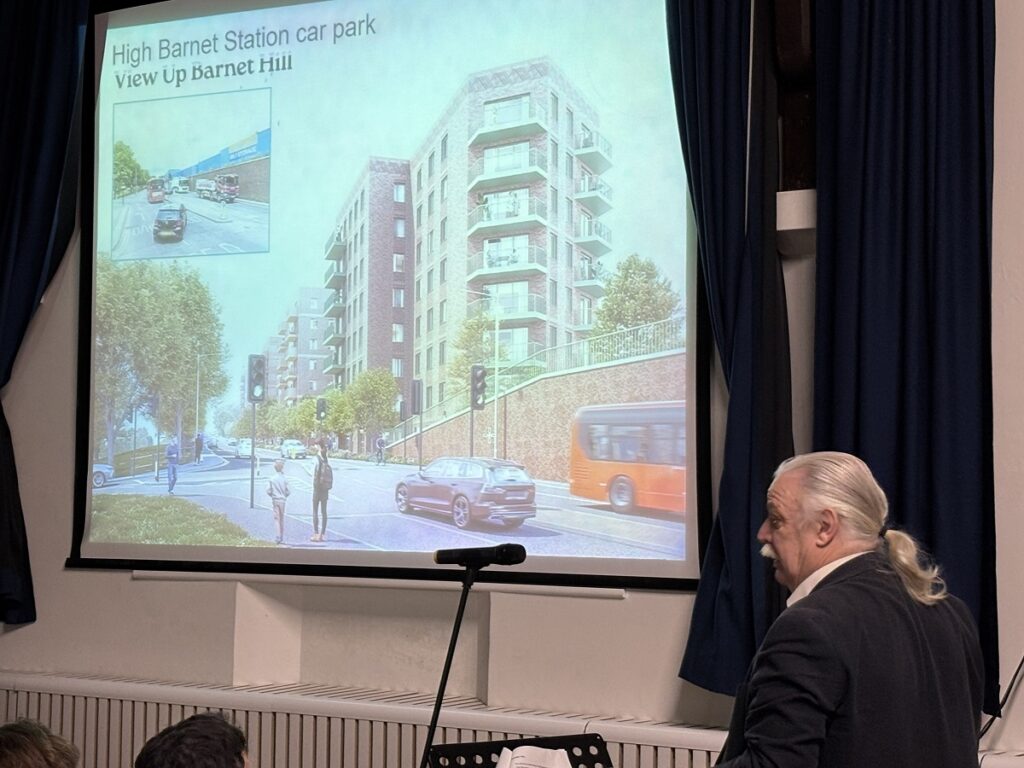
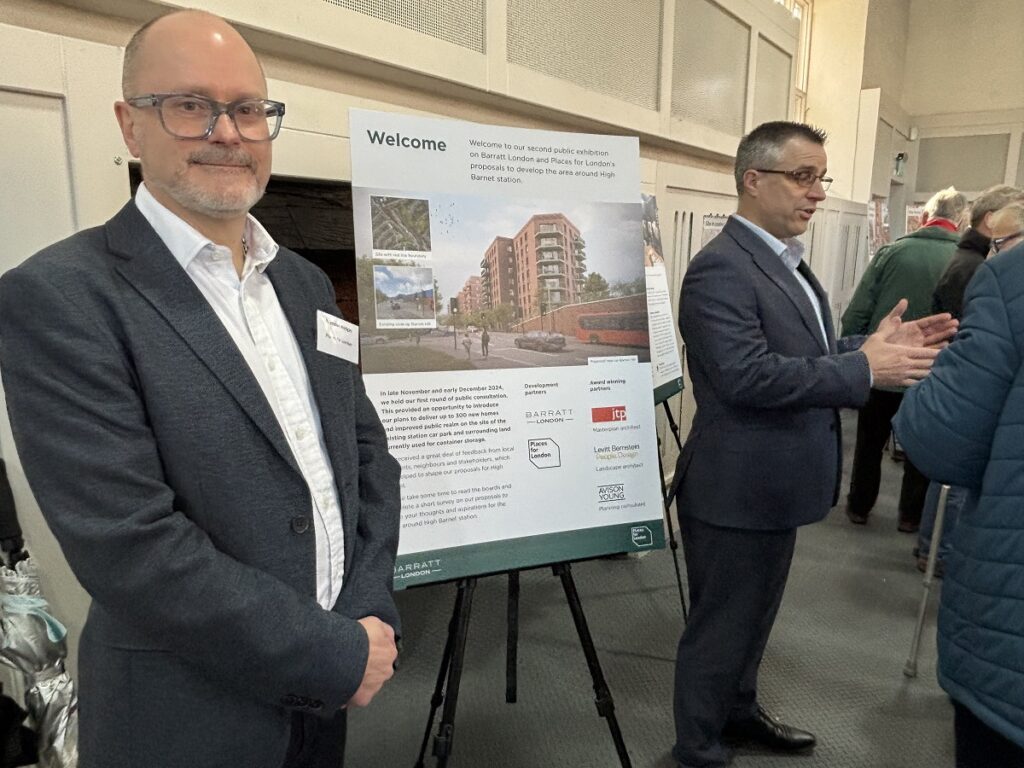
Revised plans for blocks of flats to be built over the car park at High Barnet tube station show that the highest would be ten storeys in height.

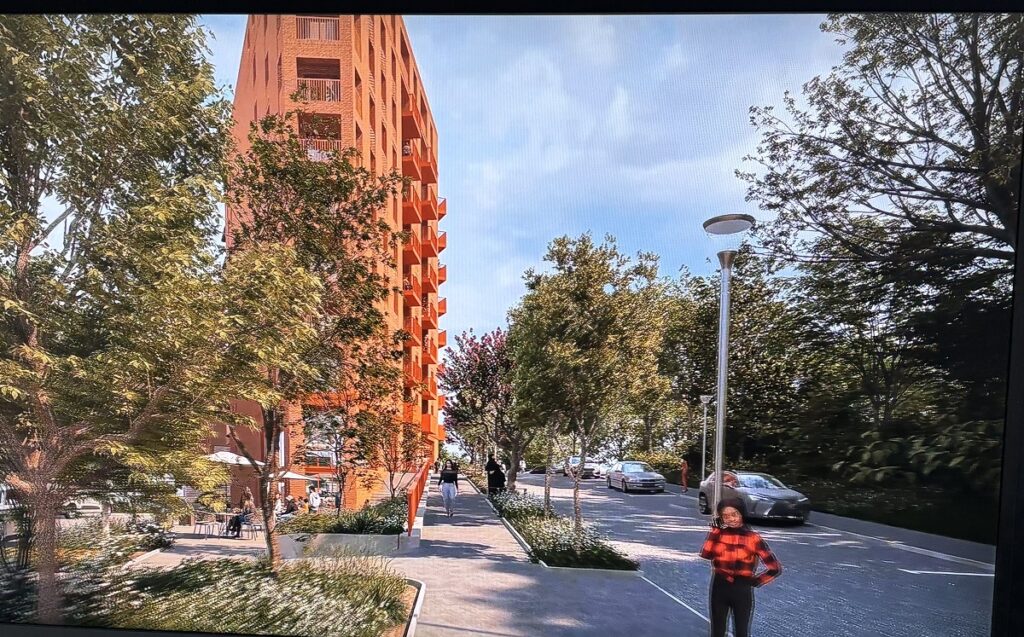
A total of five blocks ranging from eight to ten storeys would be constructed alongside Barnet Hill with the tallest opposite the lower entrance to the tube station.

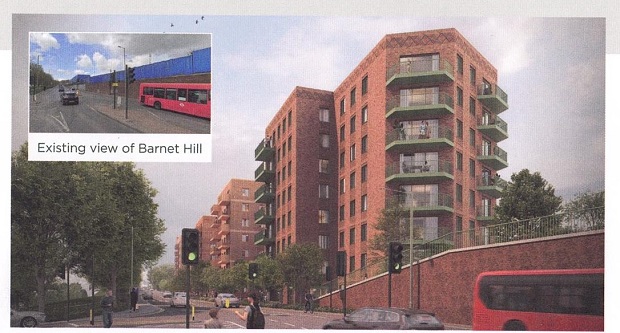
There would be a new re-aligned approach road to the station and the siting of the ten-storey block (see above), positioned below Barnet Hill, was said to compensate for the extra height.

Transport for London’s property company Places for London and developers Barratt say the scheme will provide 300 new homes of which a minimum of 40 per cent will be affordable either through social rents or shared ownership.

A planning application for the development is due to be submitted by April or May with the hope that approval might be gained by the end of the year so that construction could start in 2026.

The revised plans were on show at a public exhibition at Tudor Hall which will be repeated on Saturday 1 March (11am to 3pm) followed by an online webinar on Tuesday 4 March from 6.30pm to 7.30pm (contact HighBarnet@fieldconulsting.co.uk)

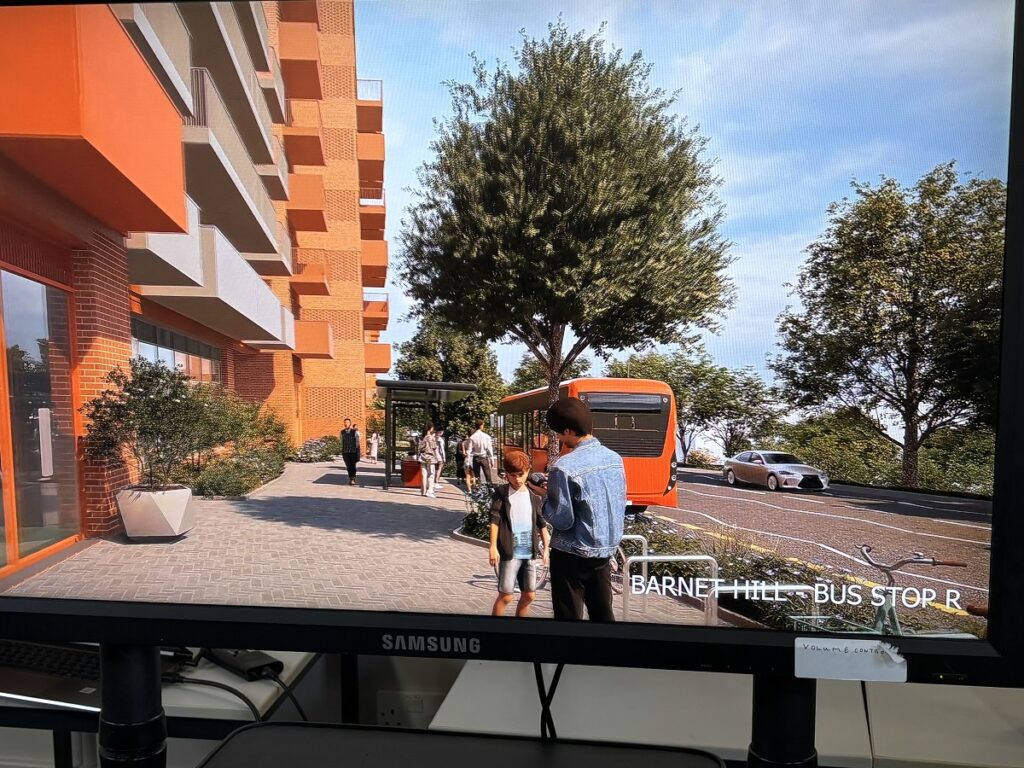
A visual representation showed a new look bus stop on the station side of Barnet Hill.

A new pavement, which would be created beside the flats after the removal of the existing retaining wall, would extend down Barnet Hill with a new pedestrian crossing at the junction with Underhill.

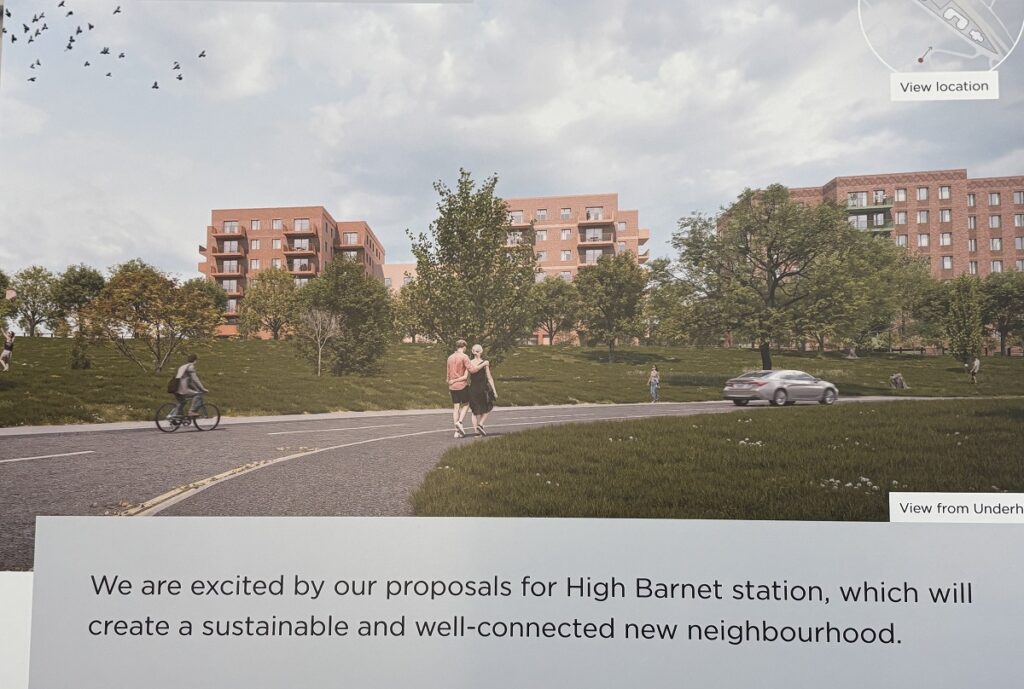
Another illustration showed the position of the new flats when viewed from Underhill.

The proposed height of the blocks was criticised by Robin Bishop, who leads on planning for the Barnet Society. He considered the development was “entirely out of character” with the existing neighbourhood where most of the houses were of two to three storeys.

“These proposed blocks are three times taller than is normal for housing in the area and if the development goes ahead, it will alter the identity of the neighbourhood.”

Gordon Massey, planning officer for Barnet Residents Association, shared the society’s concern about the proposed height of the blocks.

Under Barnet Council’s local plan for the car park site, buildings of eight storeys or more would not be acceptable.

“This is an elevated site on Barnet Hill and if blocks of eight to ten storeys are approved this will drive a coach and horses through the local plan.

“The station site application is the first big scheme since the local plan was developed so this scheme is a real challenge for Barnet Council.

“If this development is approved it will set a real precedent. What would stop developers trying to build blocks of flats all along the Dollis Valley?”

Brendan Hodges, Places for London planning manager (above left) defended the proposed height of the blocks. He said the developers’ argument would be that local plans allowed for a case to be made and for flexibility.

“This development ticks all the boxes. It is a brown-field site with 300 homes, 40 per cent of them affordable, going to be built next to a tube station.

“It is a scheme which takes the pressure off surrounding land in the Green Belt and meets the government’s objective of building new homes.

“I think the fact that we have a local council, the Mayor of London and a government which are all aligned in wanting to achieve the same objective means the wind is blowing in our direction.”

When Places for London and Barratt held their first consultation on the plan in November last year the issue that caused the greatest concern was the confirmation that if the flats are built the tube station will lose all its 160 car park spaces.

A survey conducted since that exhibition disputed the contention that the loss of a car park would cause considerable inconvenience for passengers. It showed that the car park accounted for only eight per cent of the total daily entries to the station.

The survey showed that 42 per cent of those drivers who used the car park had a walking time of less than 30 minutes to the station and that 89 per cent of the drivers started their journey within 500 metres of a bus stop.

Gordon Massey dismissed these findings. Removal of all car parking spaces at High Barnet would have a detrimental impact on the town because more drivers would try to park within the town centre which would in turn cut the number of spaces for shoppers.

Despite the developers’ intention to create a dedicated drop off point outside the tube station entrance, he feared the loss of the car park would lead to even more congestion in the station approach road.

Posted on

Coming Soon: Barnet Society is updating its website

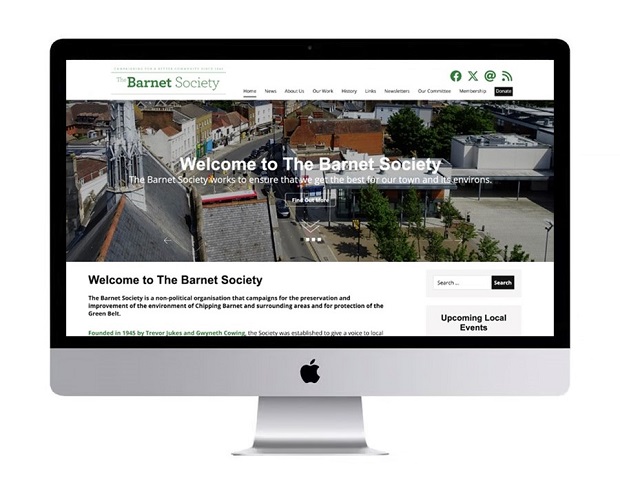
This is the new front page of the Barnet Society’s website — a long-planned upgrade of our online presence.

We have made it easier to use with improved access and simpler procedures for new members joining the society.

Our aim is to present a cleaner and more elegant design with an improved home page setting out how the society organises itself and which explains who we are and what we aim to achieve as a community-based organisation.

Our news page is now searchable so looking for a news story or for information should be easier. Various filters will help locate the item concerned.

There is also easier access to the society’s quarterly newsletter and past newsletters are now listed in a more attractive format.

Our archive of well over 1,000 news reports and stories has been transferred to the new site along with the comments which were made at the time – a fascinating chronicle of news and events about Barnet over the last decade.

We hope the changes made to the membership area will make it easier for news members to sign up and get involved in the society’s work.

Posted on

New television production facility offers Barnet College students chance to gain skills for jobs on offer at expanding film studios

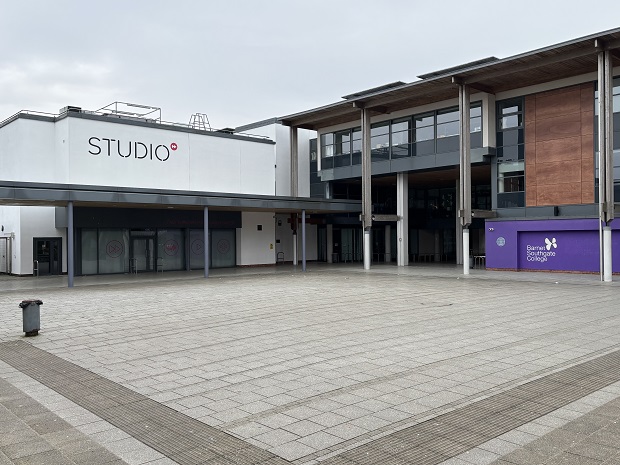
Barnet and Southgate College students on creative and media production courses can now gain hands-on experience in tv, sound and animation at the Studio, a new multi-media production facility at the college’s Barnet campus.

Opened at a cost of £2.2 million – including specialist equipment valued at £1.4 million – the Studio allows students to create their own tv shows, soundtracks and visual effects.

Investing in a multimedia centre offering students real-world experience in developing their own content coincides with the rapid expansion of film and television studios within the UK and the opening of many employment opportunities.

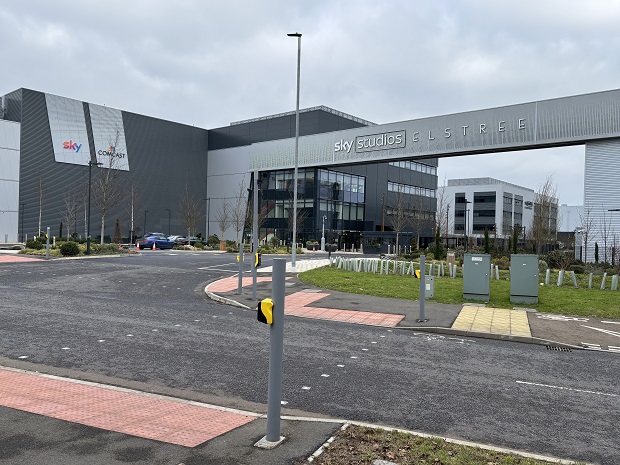
Close to High Barnet are the well-established Elstree Studios and BBC Elstree Centre which have now been joined at Borehamwood by the recently completed Sky Studios Elstree complex – see above — which has 12 sound stages.

Thousands of new jobs are due to be created or are in the pipeline.

Sky is developing a Future Talent programme offering 12-month on-site placements and an academy to take young people behind the scenes.  

A planning inquiry is to be held in March into an application by Sky Studios for a second phase of its Elstree complex with an additional five sound stages.

Since the completion of its south studios in 2022, Sky has been hosting production teams from several major film companies but an application for a 71,000 square metre extension to the north, with another eight buildings, was rejected by Hertsmere Borough Council in March last year.

The extension, on land between Rowley Lane and the A1 Barnet bypass, was considered an inappropriate development within the Green Belt.

Sky lodged an appeal last November – objections must be submitted by March 4 and an eight-day inquiry is due to start on March 25.  

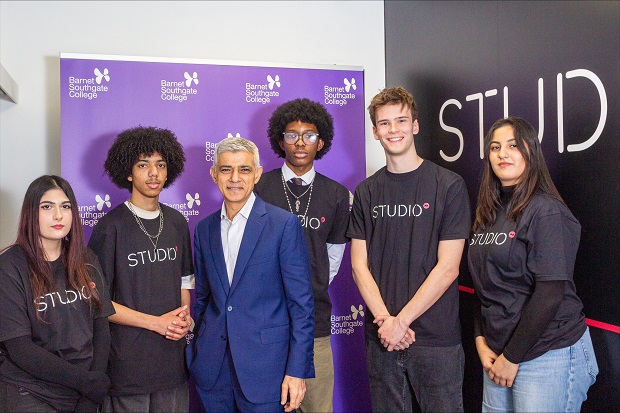
After officially opening the Studio at the Barnet campus, the Mayor of London, Sadiq Khan, met some of the college students

Over 40 guests attended the ceremony including producer and songwriter Pete Waterman, Rebecca Hawkes, from Elstree Studios and Barnet College governor Adam Morley.

College chief executive officer and principal Neil Coker said the college was excited to see the Studio become a reality – “a true hub, where the industry can connect with the provision of skills, enabling the college to offer new talent and increased diversity in the workforce of the tv, sound production, animation and VFX sector.”

“Students can learn in a real-world environment, using industry-standard equipment and develop hands-on experience, from producing their own tv shows to creating bespoke soundtracks.”

He expressed his gratitude to London Assembly member, Councillor Anne Clarke, Barnet Council leader, Councillor Barry Rawlings, and the President of the college, Lord Levy.    

Posted on

New developments could reshape High Barnet: a chance for residents to have a say before planners take critical decisions

High Barnet is at a crossroads over future developments. Members of the Barnet Society are about to get an opportunity to debate key issues and hear the views of the Chipping Barnet MP Dan Tomlinson.

There are three main areas of uncertainty: the construction of eight-storey blocks of flats on the car park and container yard at the High Barnet tube station; an application by Barnet Football Club to build a new stadium at Underhill; and the continuing uncertainty about the future of The Spires shopping centre and its possible redevelopment.

Mr Tomlinson will take questions after members have had an opportunity to air their views and had a chance to vote on how they would like these schemes to proceed and whether they should be approved.

This discussion, followed by the Q&A, is a members’ only event on Thursday evening 27 February, so if you’d like to come along, join the Society at https://www.barnetsociety.org.uk/membership You will be given details of the meeting.

Each of the main three items will be introduced and debated separately to identify key questions to put to Mr Tomlinson (above).

Nick Saul will open the first short debate by outlining the proposal by Transport for London — through its property subsidiary Places for London and Barratt Homes — to build blocks of flats to provide 300 homes at High Barnet tube station.

This would result in the loss of all 160 car park spaces.

Building flats of up to eight storeys on the narrow strip of land between the tube line and Barnet Hill has raised numerous issues about the safety of the site and future access to the station.

In his session, Simon Kaufman will explore the options that face the town in view of continuing uncertainty over the future of The Spires shopping centre.

Almost two years have elapsed without any further word on proposals to redevelop the centre by creating a new central walkway with six blocks of flats to provide 250 new homes.

BYM Capital, owners of The Spires, became insolvent in late 2023 and administrators are now in charge of the company.

Mr Kaufman is keen to see whether there is support for fresh initiatives towards tackling the need to regenerate both the shopping centre and surrounding area and to explore the future role of Barnet Council.

Frances Wilson will lead the debate over the controversial application by Barnet Football Club to seek permission to construct a new stadium on playing fields at Underhill.

Last December the club chairman Tony Kleanthous announced that he has dropped a plan to site the stadium on the school playing field of the Ark Pioneer Academy and has opted instead for a site further along Barnet Lane.

Although the proposal has been greeted with enthusiasm by Barnet FC supporters, opinion is deeply divided with many in the town opposing the construction of a new stadium on open playing fields, unconvinced about the economic and social benefits to the community.

Posted on

Eight-storey blocks of flats will look out on to Barnet Hill if Barnet Council approves tube station plan for 300 homes

If Transport for London gets the go ahead to build four high-rise blocks of flats alongside Barnet Hill, they will transform the approach to the town from Underhill.

Plans for redeveloping the land around High Barnet tube station to provide 300 homes have now been updated.

A fresh round of public consultation is planned for late February and early March with drop-in sessions at the Tudor Hall, Wood Street, and an online webinar – for details see below.

TfL’s property subsidiary Places for London and Barratt Homes will outline their latest proposals.

When a public exhibition was held last November, Places for London said they were undecided about the height of the blocks of flats, but the latest image indicates they will be of eight storeys.

They will be built over the station car park and the site of the self-storage container yard between the tube track and Barnet Hill.

All 160 car park spaces at the station will be lost in the redevelopment and the only spaces left remaining will be for disabled drivers and blue badge holders.

When residents had their say in November the loss of the car park was high on their lists of objections, but Places for London said the current policy of the Mayor of London is that car parking spaces will not be replaced in housing developments at tube stations or nearby brownfield sites.

Another issue of concern was the stability of Barnet Hill and whether there was sufficient space for four eight-storey blocks of flats on the narrow strip of land between the tube line and Barnet Hill.

Equally troubling for many of those at the last round of consultations was the developers’ reliance on the existing station approach road to provide the main access route to the flats.

Over the years TfL has been asked repeatedly to work with Barnet Council to improve the approach to the tube station which gets crowded – and often blocked – with cars dropping off passengers and other vehicles waiting for people to arrive.

Disabled access in and around the station has been approved: at great cost space was created for a level footpath around the tracks to provide wheelchair access to all three platforms.

But the lack of a designated dropping-off point and TfL’s refusal to offer a shuttle bus service to Barnet town centre highlight what residents say is a catalogue of broken promises.

2025 is the 85th anniversary year of the electrified service reaching High Barnet.  The first tube train arrived on 6 April 1940.

Because of cost-savings imposed by the Second World War there was insufficient money to provide an escalator to the top of Meadway or an entry tunnel under Barnet Hill.

London Transport’s failure to live up to its earlier promises perhaps pales into insignificance compared with the outcry in 1868 when the Great Northern Railway failed to honour its undertaking to extend the line from Finchley all the way to High Barnet town centre – a tunnel was supposed to take the line to the final station to be sited near Ravenscroft Park.

Have your say: Drop-in public exhibitions at Tudor Hall, Wood Street, on Monday 24 February 15.00 to 19.00 and Saturday 1 March 11.00 to 15.00.

An online webinar will be held on Tuesday 4 March from 18.30 to 19.30. To join email HighBarnet@fieldconsulting.co.uk

Posted on

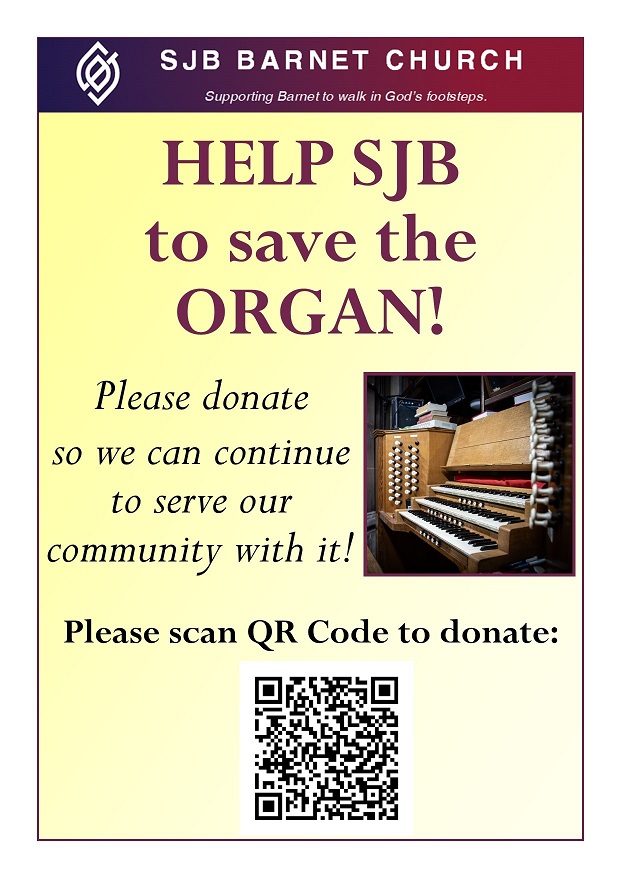
Renovation of historic organ at Barnet parish church will preserve the “beating heart of our town”

Restoring the 140-year-old organ at Barnet parish church is proving a massive task — well over 2,000 organ pipes are having to be individually cleaned and if necessary repaired before they can all be re-assembled.

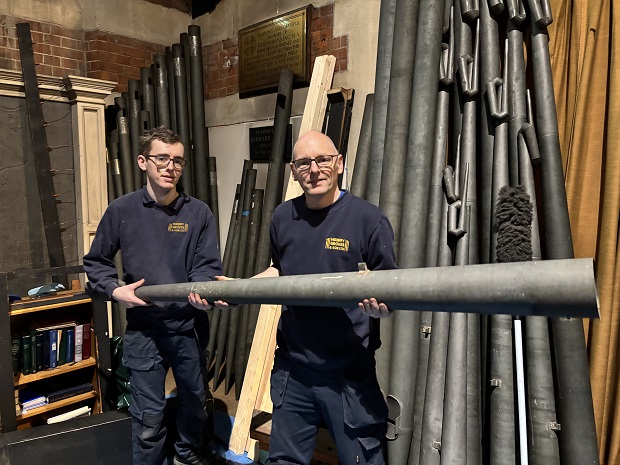
Organ builder Jonathan Wallace (above, right) with his son Daniel, a trainee organ builder, hopes to have the organ rebuilt ready for playing again by the autumn.

Mr Wallace is no stranger to the task of restoring church organs in and around High Barnet – in 1991 he helped with the organ restoration at Monken Hadley church in 1991 and then at St Peter’s Arkley in 1993.

Restoration of the organ at the parish is likely to cost £165,000, half of which has been met by an £83,000 grant from Barnet Council from its community infra structure levy on new development.

An appeal has been launched for the other half and donations can be made via the parish church website, www.barnetparishchurch.org.uk

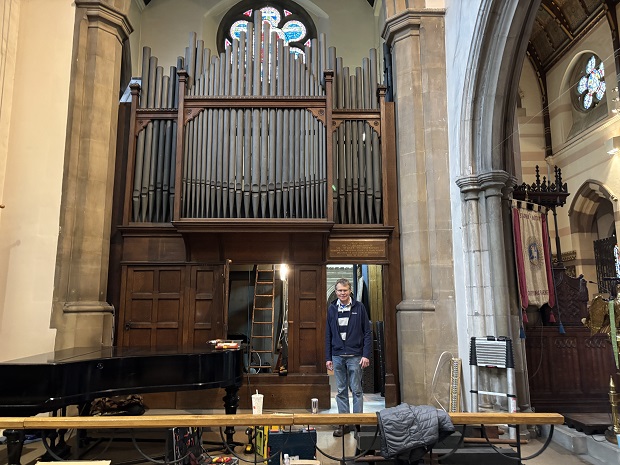
Parish administrator Tony Long — seen above at the doorway to the organ loft – said that such is the shortage of specialist church organ restorers that it had been some months before repairers Henry Groves & Son Ltd had been able to take on the work.

Installed in 1884 by the famous 19th century organ builders William Hill and Son, the organ has not been refurbished for nearly 40 years and numerous pieces need replacing including pipes, resonators, buttons and pistons.

Refurbishment will include replacing the perishable sheepskin used for large bellows and valves. Rebuilding the console with the latest playing aids will make it ideal organ students and organ recitalists.

Once the restoration has been completed St John the Baptist Church hopes to extend its programme of musical education with pupils at local schools and host a wider range of concerts and musical events.

When she launched the organ restoration appeal in May last year, the then Mayor of Barnet, Councillor Nagus Narenthira, said the borough council recognised the importance of preserving the organ for its use by future generations.

Team vicar Father Sam Rossiter-Peters also stressed the importance of renovating the organ, which he said was an important piece of High Barnet’s history — “the beating heart of the parish church and the beating heart of our town.”

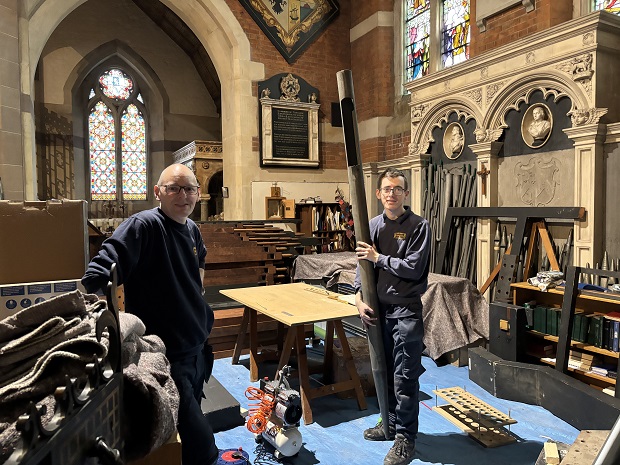
Mr Wallace and his son have established a workshop area where they are cleaning the organ pipes and carrying out any necessary repairs.

“It was 30 years when I first saw the organ here at the parish church.
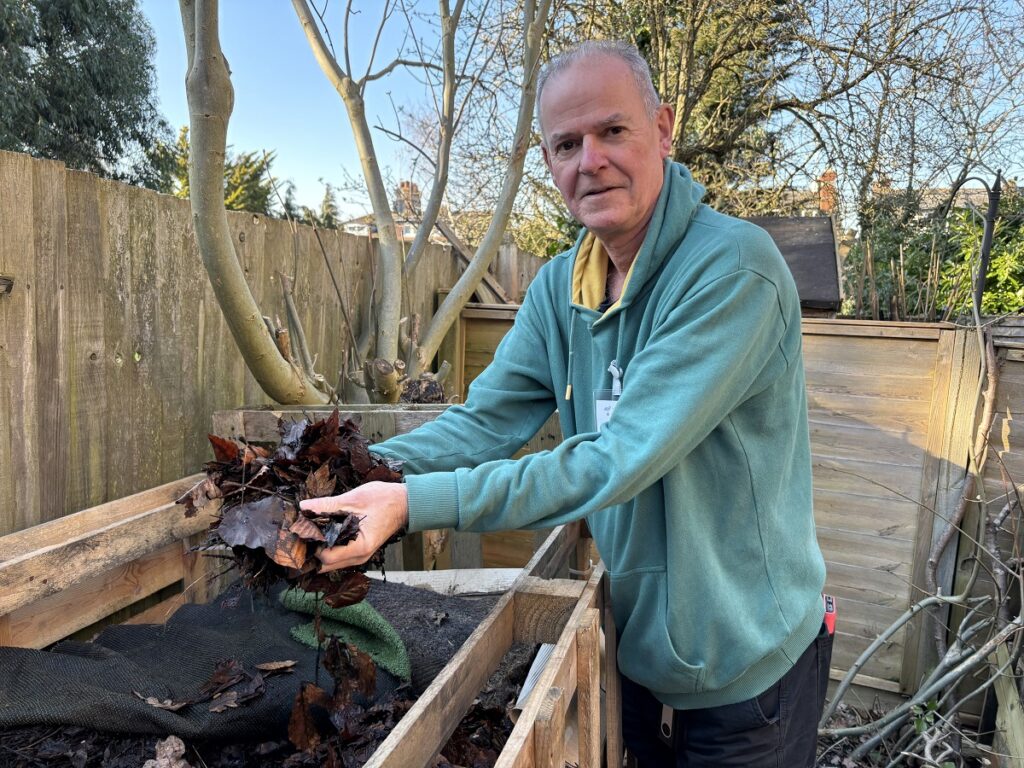
“Then, two years ago, we were called in to undertake a full rebuild. The first task is to strip out all the pipes – and all told there are 2,100 of them.”

Posted on 1 Comment

Lengthy discussions ahead as Barnet Football Club presses on with plan to return the club to “where it belongs” at Underhill

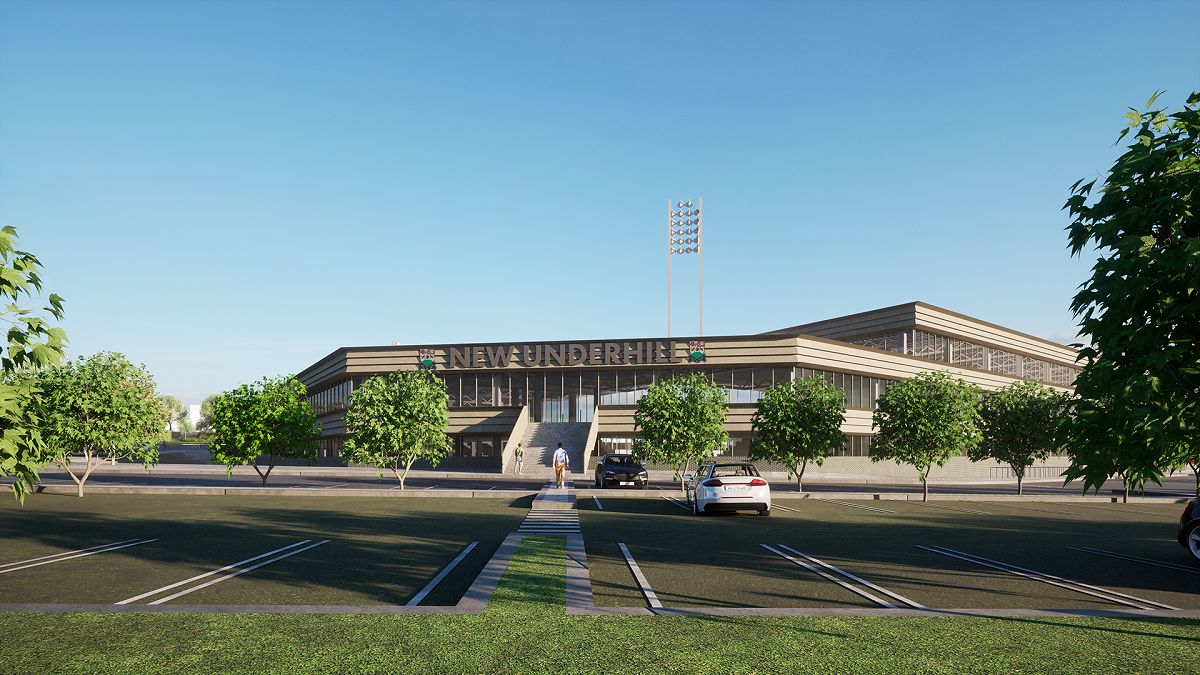
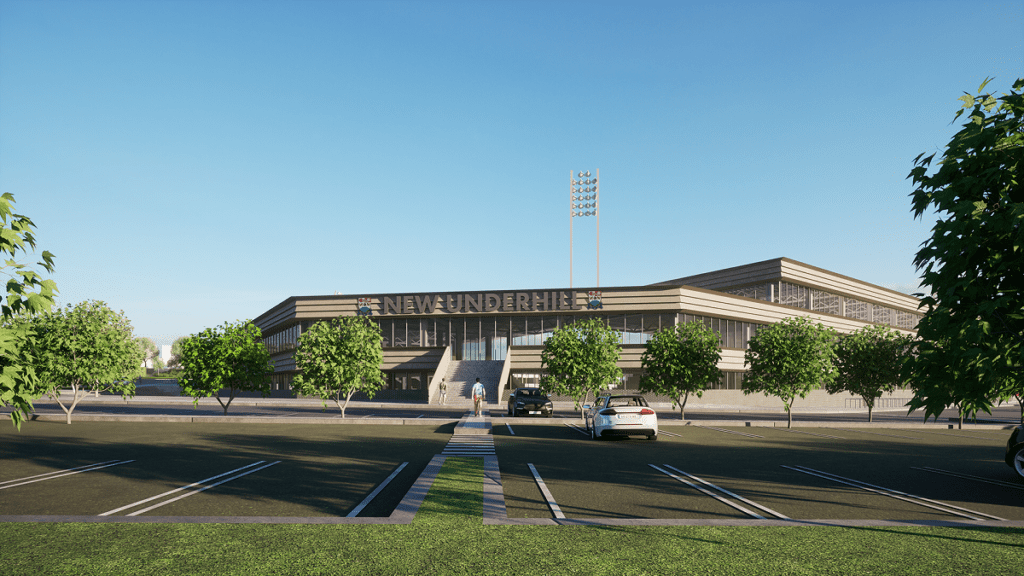
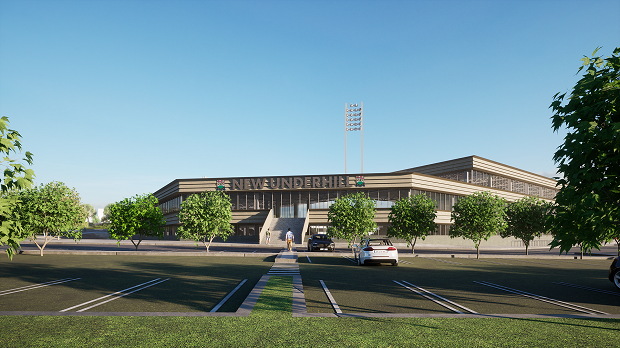
Barnet Football Club has completed another stage in its attempt to gain approval from Barnet Council for the construction of a 7,000-seat stadium on playing fields at Underhill.

A planning application submitted at the end of last year has now been validated – a step which enables the club’s consultants and architects to start pre-application discussions with officers in the council’s planning department.

Club chairman Tony Kleanthous said he was delighted progress was being made.

He hoped Barnet FC would now receive the full support of the council and help bring “our incredible club back home”.

While the Bring Barnet Back Campaign, which has 5,000 supporters, is equally delighted with the publication of the application – www.newunderhill.com – there are signs of mounting opposition to the loss of open playing fields along Barnet Lane.

A petition to the council with the title “Save Barnet Playing Fields” – see www.change.org – has already attracted well over 18,000 signatures.

It opposes the loss of “a green space vital to the health and wellbeing of local residents”. 

The playing fields are described as “an irreplaceable community asset” which provide space for recreation and exercise and could not accommodate “an oversized project that local infrastructure simply cannot support”.

After first suggesting the possibility of using the school playing field of the Ark Pioneer Academy – which was built on the site of the original Underhill football ground — Mr Kleanthous has decided instead to see whether Barnet Council will give permission for a site further south along Barnet Lane.

The outline application proposes the construction of a £14 million stadium on council-owned playing fields which back on to Grasvenor Avenue and which extend south to the Dollis Valley London Loop footpath.
The club says both the academy and the school’s playing field would not be affected by the proposed stadium and the new location would move the stadium away from the densest residential area.
All the stands, except the west stand, would be a lightweight structure of modular construction and prefabrication.

Refreshment kiosks would be mobile and only function during match-days.

Barnet moved to The Hive Football Centre – midway between Edgware and Stanmore – in 2013 after a protracted dispute between Mr Kleanthous and the council over the refusal to grant planning permission for a larger stadium.

The Underhill ground was put up for sale in 2014 and was purchased by the Department of Education as a site for a new free school — Ark Pioneer Academy — which opened in 2019.

But after a well over a decade at The Hive, Mr Kleanthous says he recognises that the town of Barnet has suffered from the loss of its football club.

“This is an attempt to see if we can return to Barnet. A new stadium at Underhill would benefit the town and help ensure a sustainable future for Barnet FC.” 

Posted on

Safeguarding great crested newts and bats now an issue at planning inquiry over possible travellers’ caravan site in Mays Lane

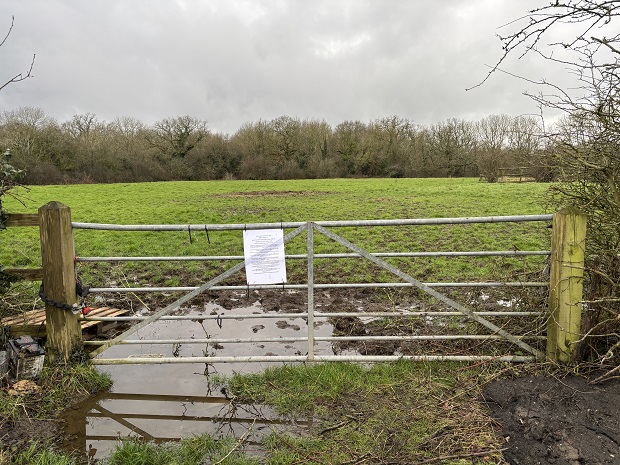
Concern about possible harm to great crested newts and bats is on the agenda at a public inquiry which is hearing an attempt to overturn the refusal to grant planning permission for two travellers’ caravans in a field off Mays Lane, Barnet.

Barnet Council has rejected the application on the grounds that it is inappropriate development in the Green Belt.

The lack of a survey into the potential impact on great crested newts is one of the reasons for the council’s continued refusal to give approval.

Any survey to detect the presence of newts needs to be carried out between mid-March and mid-June.

Annabel Graham Paul, the council’s representative, told the inquiry that it would be unlawful to grant permission for the caravans before a risk like that had been assessed.

But Michael Rudd, who is representing Patrick Casey, who proposes to develop the site, dismissed the views of local residents that concern about newts justified rejection of the application.

He said that Barnet Council had now accepted there would be no adverse effect on bats if the caravans were placed in the field. If newts were present in the paddock conditions could be imposed to protect them.

The inquiry is being conducted online as a virtual event with the planning inspector, Graham Chamberlain, intending to take evidence at further sessions in March and April.

The application for permission for two travellers’ caravans and associated dayroom buildings was made by Mr Casey in September 2023.

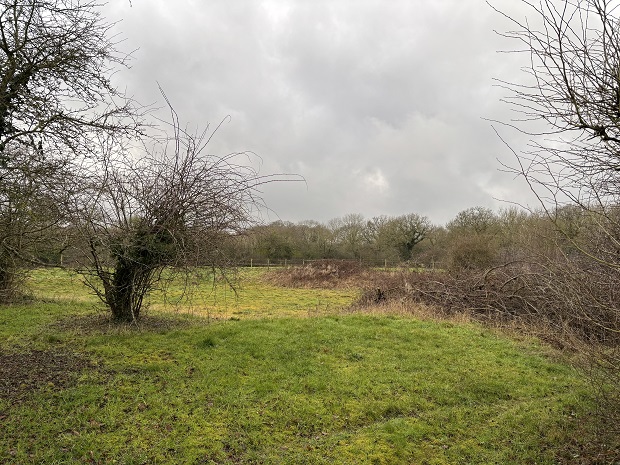
The site is a two-acre paddock currently used for grazing horses and is next door to the Centre for Islamic Enlightening (formerly a Brethren Gospel Hall).

Barnet Council refused permission on the grounds that creating a site for travellers’ caravans was an inappropriate development in the Green Belt and would have an adverse effect on biodiversity and the openness of the site.

In her opening statement, Mrs Graham Paul said the council believed a caravan site would be harmful.

As there had been no previous development in the field, its only lawful use was for grazing horses.

Barnet’s new local plan had identified zero need for travellers’ and gipsy sites within the borough. Therefore, there was no justification for granting planning permission even on a temporary basis.

Her statement was supported by Councillor Tim Roberts, who represents Underhill ward.

He said Barnet had an outstanding record in providing affordable homes and there was no need for a caravan site.

If this proposal was approved, it would be followed by further applications and the field would be turned into a housing estate.

Objections to the plan were marshalled by the Quinta Village Green Residents Association which represents 150 families living nearby.

Their representative at the inquiry, Michael Fry, said the two-acre field made an important contribution to the Green Belt.

Siting caravans on the land would be an unwarranted incursion into the countryside. The residents believed – unlike the council – that development of the land would increase the risk of flooding.

People living locally had observed great crested newts on the site and they had also seen bats and feared wildlife would be at risk if the field became a caravan site. 

When outlining the case of behalf of Mr Casey, who purchased the field at an auction, Mr Rudd said the council’s original refusal to grant permission had been overtaken the government’s new definition of Grey Belt – former Green Belt land on which development could now be permitted.

He said there was already residential development close to the Mays Lane field and it was clear that it fell into the definition of Grey Belt. The paddock did not strongly contribute to the Green Belt and there was no longer justification to refuse the application.

He argued there was a demonstrable need for gipsy and travellers’ sites within the Borough of Barnet and even if the site did not meet the Grey Belt test, its impact on the Green Belt would be limited due to the small scale of the proposal.

Among the interested parties to give evidence on the opening day was the former Chipping Barnet MP Theresa Villiers who said she lived a mile away from the site at Arkley in Barnet Gate Lane (a continuation of Mays Lane).

She supported the objections being made by nearby residents and agreed that the field was a part of a vital buffer between Barnet and the Green Belt.

She disagreed with the suggestion that the paddock could now be considered Grey Belt land.

As someone who had often cycled and driven along Mays Lane she was concerned about the safety of pedestrians.

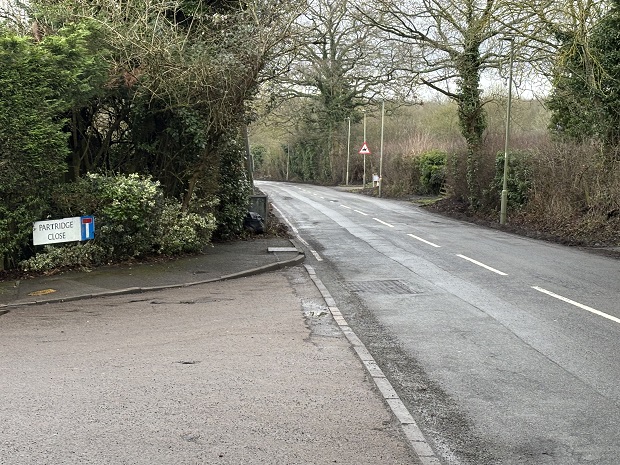
There was no footpath on this section of May Lane – just a muddy grass verge – as the pavement only extended along Mays Lane as far as the junction with Partridge Close.

“I have regularly cycled along this section of Mays Lane, and I do worry about the speed of vehicles. Even 30 miles is fast when there is no footpath.”   

Posted on 4 Comments

Tudor Hall to be kept for community use after successful bid to purchase High Barnet’s “unique heritage asset”

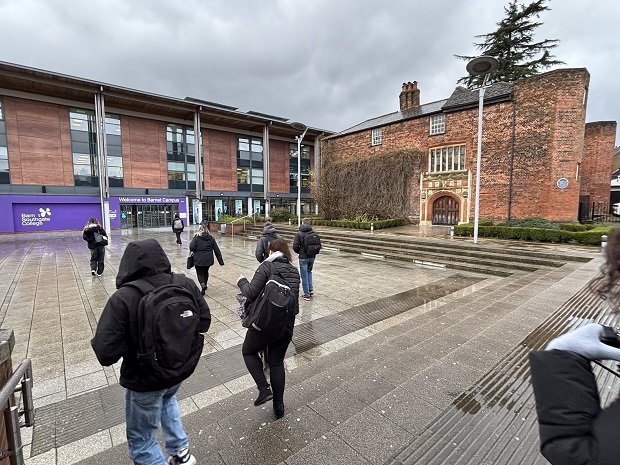
After months of uncertainty a deal has finally been agreed: High Barnet’s historic Tudor Hall in the middle of the Barnet College campus has been saved for community use.

A bid by the trustees of Barnet Museum has been accepted by the board of governors of Barnet and Southgate College.

The sale is subject to contract and the museum, which now has an exclusive right to buy the building, hopes to be able to exchange by mid-April.

There will be widespread relief among organisations in the town which feared the worst when the college put the hall up for sale on the open market in December 2023 with a guide price of £1 million.

Working out how to secure community ownership of what was originally the schoolhouse for a free grammar school granted a charter by Queen Elizabeth in 1573 became a top priority.

Barnet Museum and the Local History Society led the way and at their request the hall was declared an asset of community value by Barnet Council.

This gave the museum six months to try to put together its own bid to save the historic building from going to a commercial purchaser.

Sales agents Colliers had revealed that the college had received an offer close to the asking price from an unnamed “private education provider”.

Prospective funding was promised by the Hadley Trust which enabled an offer to be submitted before the deadline under the rules for assets of community value.

John Hall, chairman of the museum’s trustees, told the Barnet Society that he was confident that subject to satisfactory diligence contracts would be exchanged.

“Both the museum and the college are delighted that the sale has been agreed for the future preservation of this unique heritage asset.

“Steps can now be taken to start drawing up plans for the future use of the hall.

“We can begin to think now as to how best to improve and preserve the structure and re-open it for public use to meet the wishes of the Hadley Trust and the wider High Barnet community.”

Mr Hall said the aim was to make hall available for displays and exhibitions organised by the museum as well as opening up possibilities for a wider community use for events and functions.

One of the driving forces behind the museum’s bid for the hall was that ownership of the building would allow the staging of exhibitions about the Battle of Barnet and the possibility of it becoming a centre for displays about the Wars of the Roses.

Posted on

Shake-up in Barnet’s arts scene as borough council prepares to launch a long-awaited arts and culture strategy

Barnet Council is to take on the task of helping to promote and support arts and cultural events across the borough — a role previously performed by a network of volunteers.

An online guide is to be published by the council listing a wide range of arts, leisure and sports events.

Council staff will help to co-ordinate attempts to gain sponsorship and advertising.

Details of the new council-led approach were outlined to arts enthusiasts and supporters at The Bull Theatre, High Barnet, during a commemoration of the achievements of the late Pam Edwards who devoted 60 years of her life to encouraging the local arts scene.

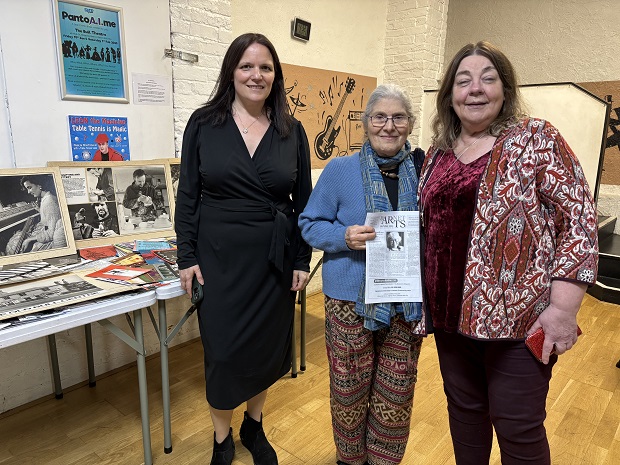
Councillor Anne Clarke (above, left), Barnet Council’s cabinet member for culture, leisure, arts and sports, told the get together that a new strategy on arts and culture in the borough is due to be published in the spring and will set out the new framework.

A new online guide to arts, culture and sports events will be compiled by the council.

It will replace the listings published in Barnet First, the quarterly magazine published since the 1970s by a volunteer team at the Barnet Borough Arts Council.

Ros Staines (centre, above), who took over from Pam Edwards as the secretary of the arts council, welcomed the borough’s decision to take on the task of publicising the listings of local arts events.

With them above is Susi Earnshaw (far right), of The Bull Theatre, which will assist in co-ordinating the volunteer committees which organise the annual Barnet Christmas Fayre and Theatre in the Park at Oak Hill.

These two events were previously organised under the auspices of the arts council which is now to be wound up following the announcement of the introduction of a new borough-wide arts and culture strategy.

Councillor Clarke said the borough council’s aim was to link up Barnet’s cultural and sporting institutions and provide full access to a comprehensive events listing on the council’s website.

“We hope by April or May to be able to launch an arts and culture strategy for Barnet.

“Our aim is to widen access to events in the borough and bring people together, so we are reaching out to cultural and sporting groups to compile the fullest possible listing of future events.

“We have also been getting to grips with the task of seeing how we might be able to encourage sponsorship for events and perhaps support such initiatives with the help of advertising.”      

Susi Earnshaw told the gathering that she hoped that in the future The Bull Theatre – which is the home of the Susi Earnshaw Theatre School – might be able to offer a wider programme of events.

If funding could be obtained, she said she would like to appoint a full-time theatre manager who could build up a wider programme of evening and weekend events.

A look back at the life of Pam Edwards, who was a founder member of what is now the Bull Theatre, was presented by Jenny Remfry, who worked closely with Pam from the 1970s to 1990s and who was a former chair of the Barnet Centre Association.

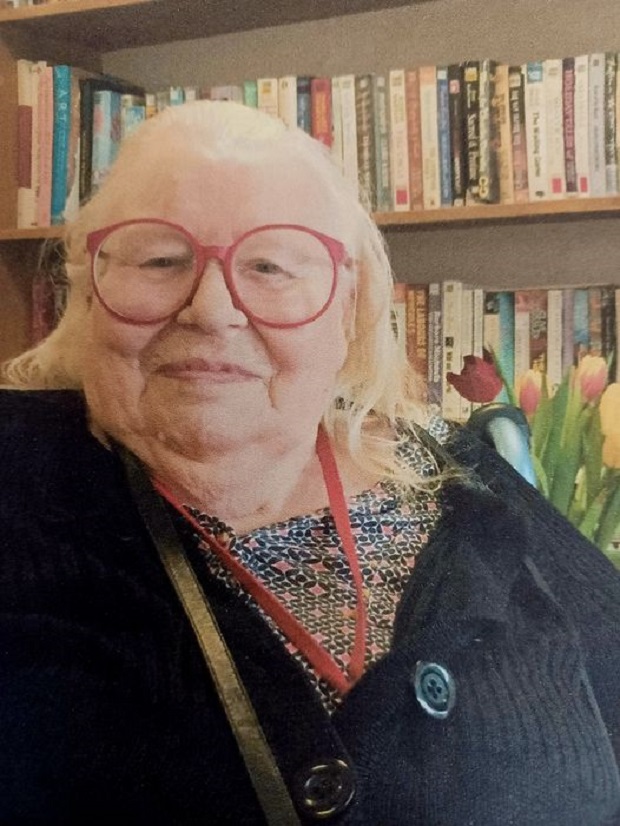
Pam, who died in July last year at the age of 98, was a tireless supporter of the local arts scene and helped to initiate a range of well-established and much-loved artistic and community events which are now an established part of Barnet’s social calendar.

Of all the challenges she faced, by far the most ambitious was her role as a founder and organiser of the original Old Bull Arts Centre which expanded to become the Bull Theatre.

Among the many successful ventures which she helped to develop were the annual Barnet Christmas Fayre, East Barnet Community Festival and Theatre in the Park.

Posted on 2 Comments

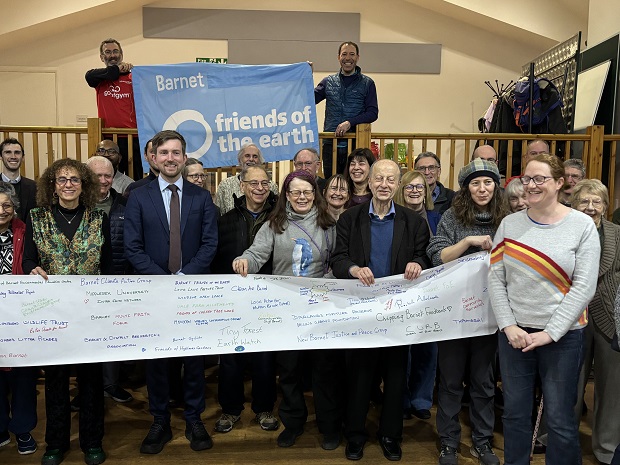
Chipping Barnet MP keen to work with Barnet Friends of the Earth and other environmental groups on new community projects

Answering questions from Barnet Friends of the Earth was a chance for the Chipping Barnet MP Dan Tomlinson to say more about his plans to encourage initiatives such as helping to finance the installation of solar panels on community buildings.

A newly appointed member of the MP’s constituency staff is to be responsible for working with local groups to help develop a range of community projects including schemes to improve the environment.

Many public buildings including schools and community centres cannot afford to install solar panels and Mr Tomlinson’s aim is to encourage the development various initiatives including community energy projects.

“What we would like to do is get behind local initiatives and work with energy providers to support residents and community organisations to cut their fuel bills.

“I am sure there are probably dozens of initiatives already out there intended to help people insulate their homes and as Chipping Barnet MP I want to see what more can be done to help them.

“The same goes for community organisations faced with increasing costs of heating and lighting.

“I now have a member of my constituency staff who can work with the local community, and we want people to tell us how we can best assist.”

Wendy Alcock (above, left) founder of the Barnet community gardening initiative Incredible Edible – one of the many groups which supported the Friends of the Earth question-and-answer event – welcomed Mr Tomlinson’s appointment of a constituency staff member to help co-ordinate support for local schemes.

There was already one community energy project being developed in Friern Barnet and she was sure local activists would be keen to work with the MP and his staff on ways to improve the environment.

Dave McCormick (right) who helped organise the session with Mr Tomlinson, said they had brought together members from a wide range of groups including Chipping Barnet Foodbank, Barnet Green Spaces group, Barnet Beekeepers and Clean Air Barnet.

Mr Tomlinson said that since becoming MP constituency last year he had been surprised and encouraged by the strength of local environmental groups which made him even more determined to do what he could to support their work.

He faced some challenging questions from his Friends of the Earth audience especially on emerging government policies on climate change, house building and protecting the environment.

Labour’s proposals to limit the ability of activists to continue mounting legal challenges was a necessary step if the government was to succeed in speeding up investment in new energy and infra-structure projects.

At present there could be as many as three legal challenges to plans for wind farms, solar farms or new nuclear power stations.

The government’s aim was to limit this to one judicial review in future to stop projects being blocked for years.

“We will keep the ability to mount a challenge in the courts, but if a judge says there is no merit in a further challenge, we will not let that case go to appeal.”

Mr Tomlinson said the construction of a £100 million tunnel on the HS2 rail line to shield bats flying overhead in ancient woodland in Buckinghamshire illustrated the difficulties encountered with the current rules which said there could be no harm to wildlife in such locations.

“Rather than developers being required to spend money on projects like a bat tunnel, the government favours the creation of nature restoration fund.

“What we will probably say is that a developer must contribute money into a nature restoration fund, and it would be experts in the natural environment to say where that money should be spent. “

Mr Tomlinson said the government hoped to start consultations on such a scheme before Christmas and it would enable the country to do so much more to protect the environment because the money could be targeted on where it would achieve the most benefit.

He insisted that Labour’s push towards increasing housebuilding would be driven by a policy of releasing land in a sensible and rational way.

The government was trying to encourage a sense of optimism about what could be achieved.

“Young people in London are spending half their income on rents; some are spending more than that.

“So, we have to have a bold target on housing.”

Posted on 15 Comments

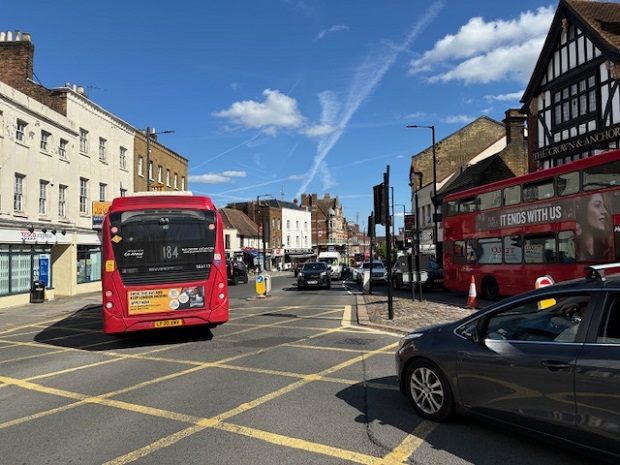
Bus lanes to be introduced on High Street approach to Barnet town centre — only six objections

A plan to introduce bus lanes along both sides of the busiest section of Barnet High Street — between the Wood Street junction at the Barnet parish church and Meadway — has been approved by Barnet Council and Transport for London.

Only six objections were registered after 456 letters were sent to nearby residents and businesses.

But an earlier council questionnaire and a petition organised by the former Chipping Barnet MP Theresa Villiers indicated there was much wider opposition among local car drivers and other road users.

An official consultation process was launched in July last year after TfL surveys indicated delays to both southbound and northbound bus services using the High Street.

TfL says timings will be improved by the introduction of rush-hour bus lanes – operating Monday to Saturday from 7-10am and 4-7pm.

According to data published by Barnet Council around 6,700 bus passengers either board or alight each weekday at stops in this section of the High Street which is served by 11 bus routes.

The northbound bus lane would be from the junction with Meadway to the junction with Fitzjohn Avenue and the southbound bus lane would from the High Street junction with Wood Street as far as the junction with Normandy Avenue.

No loading will be permitted when the bus lanes are operational (7-10am and 4-7pm) but the inset parking bays on the southbound side between Wood Street and Meadway will not be affected and there will be no parking loss as a result.

To improve access for buses the kerb will be re-aligned outside the Red Lion public house and a bus stop on the other side of the road, near the junction with Park Road, will be relocated by seven metres.

In setting out the case for the introduction of three-metre-wide bus lanes, the council says that passenger numbers on bus routes passing through Barnet have increased to 208,000 trips per day.

However, passengers wait approximately 20 per cent longer than intended on high-frequency routes and travelling within the borough by car is typically two to four times faster than taking the bus.

A public questionnaire was distributed last summer which produced 439 responses – and 52 per cent of those replying thought a northbound bus lane was important and 62 per cent considered a southbound lane was important.

But 54 per cent of those who responded said they feared the introduction of bus lanes would lead to increased congestion.

The questionnaire was followed by a three-week statutory consultation which closed on December 19, and which resulted in only six objections, five of which warned of increased congestion.

While the consultation was taking place Ms Villiers says she received well over 4,000 signatures to a petition against the plans for bus lanes in Barnet High Street, Whetstone High Road and Cat Hill.

Later, when TfL dropped the plan for bus lanes at Whetstone and Cat Hill, she maintained her opposition to bus lanes in High Barnet on the grounds that they offered no significant benefit and would only worsen traffic conditions at the already complicated junction of the High Street with Wood Street.

Although she was no longer the Chipping Barnet MP, she was still strongly opposed to the scheme and was anxious that residents’ views should be heard.

“I am a resident of Arkley and regularly use this route as a tube and bus passenger, car driver, pedestrian and cyclist,” said Ms Villiers.

“In my nearly two decades of representing Chipping Barnet no one has ever asked me for a bus lane in Barnet High Street.

“Barring cars and vans from using road space in this location would cause significant and unnecessary congestion.

“This would harm community life in our neighbourhood by leading to more empty shops.”     

Posted on

High Barnet drama group’s new play highlights life of Mary, wife of explorer and Hadley Green resident Dr David Livingstone

Daily life in High Barnet well over a century ago has been re-imagined for a new play which looks back even further in time to the years when the Victorian explorer Dr David Livingstone and his wife Mary lived on Hadley Green.

A plaque on the front wall of what is now known as Livingstone Cottage records that he lived there in the year 1857.

Mary Livingstone, I Presume? has been written by local dramatist Claire Fisher who has lived in the cottage for the last 11 years and who believes Mary Livingstone has not had all the recognition she deserves.

Very little has been published about Mary’s life. She was the daughter of missionaries, became a missionary herself and was accomplished African linguist.

Her knowledge of African people and languages was considered crucial to the success of Dr Livingstone’s travels.

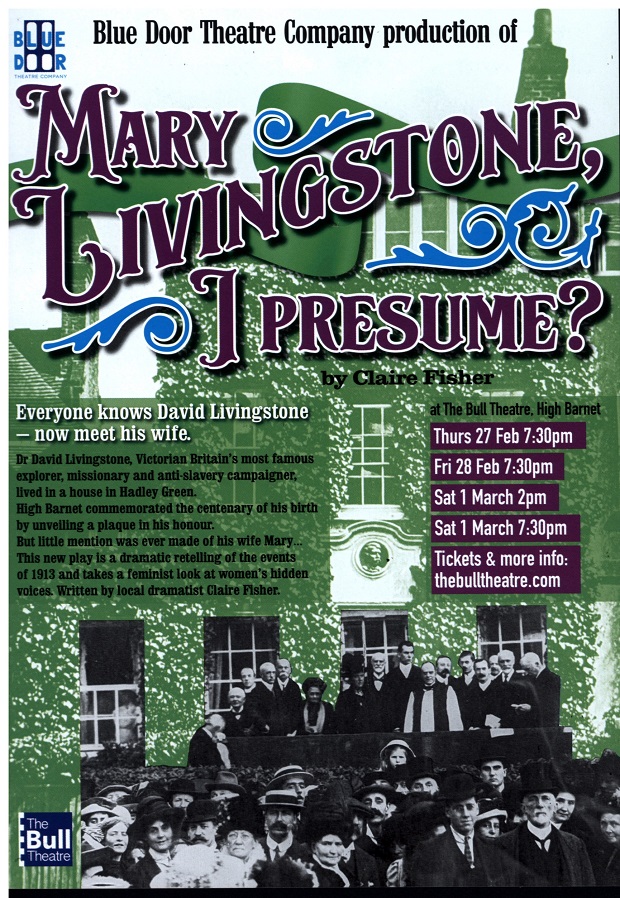
Rehearsals by members of the High Barnet drama group the Blue Door Theatre Company are well underway for a production which is to be staged at the Bull Theatre with four performances at the end of February. (see full details below)

The play recreates events in 1913 when some of High Barnet’s well-connected residents decided the town should install a commemorative plaque at Dr Livingstone’s home on Hadley Green.

A grieving widow living in the house, Mrs Isabelle Harrington, played by Brigid Hekster (left), takes an interest in the life of Mary Livingstone, played by Sarah Munford (right).

Isabelle finds herself in conversation with Mary – a storyline which explores the lives of women in different times and places, and which presents a “feminist look at women’s hidden voices”.

Cast members take on the role of residents of the town including a butcher’s daughter, schoolboy and other local characters living on Hadley Green and at Monken Hadley.

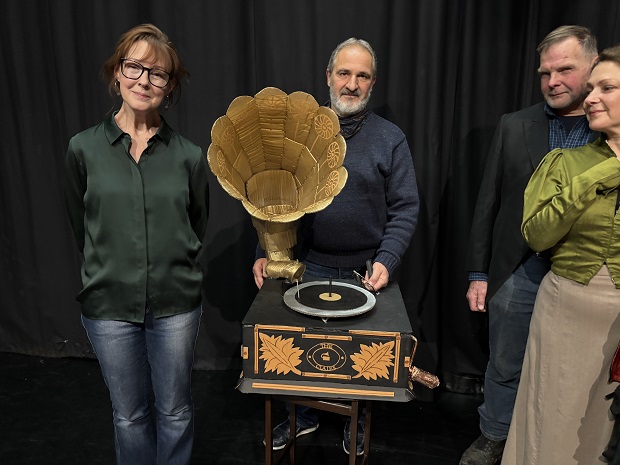
A vital prop in the drama is a magnificent Victorian phonograph, a model of which was made by sculptor and artist Cos Gerolemou, seen here with writer and director, Claire Fisher (left).

Cos said he had studied illustrations of phonographs of the era and was impressed by the way they were decorated with acanthus leaves, an effect which he was anxious to recreate.

Claire acknowledged the challenge she has in getting Mary Livingstone, I Presume? ready for its premiere at the end of February.

“This is the first play I have written and directed, and I am so in awe of the cast in giving it their all.

“Many of our drama group have full time jobs and here they are at rehearsals, giving their time to help bring the play to life.”

Livingstone Cottage is a regular stopping point for guided walks and people visiting Hadley Green and Monken Hadley.

Since moving in Claire has been busying researching the history of both the house and the Livingstone family.

She was fascinated by what happened in 1913 when the high and mighty of Barnet decided to put up the plaque to mark the centenary of Dr Livingstone’s birth and record that he lived in the house in 1857.

Claire says she is indebted to the advice and support of Susi Earnshaw at the Bull Theatre and artistic director Siobhan Dunne. 

There will be four performances at the end of February at the Bull Theatre, High Barnet – on Thursday and Friday, 27 and 28 February, at 7.30pm and two performances on Saturday 1 March at 2pm and 7.30pm. For tickets and more information: www.thebulltheatre.com

Posted on

Trust established by tv stars Sarah Parish and James Murray to fund drama therapy sessions at Noah’s Ark Children’s Hospice

Sarah Parish, well known for her role in tv series such as Peak Practice and Pillars of the Earth, and her husband, actor James Murray, are supporting drama therapy sessions at the Noah’s Ark Children’s Hospice in Byng Road, Barnet.

Through the Murray Parish Trust, established after the death of their daughter, they help to fund children’s mental health care projects.

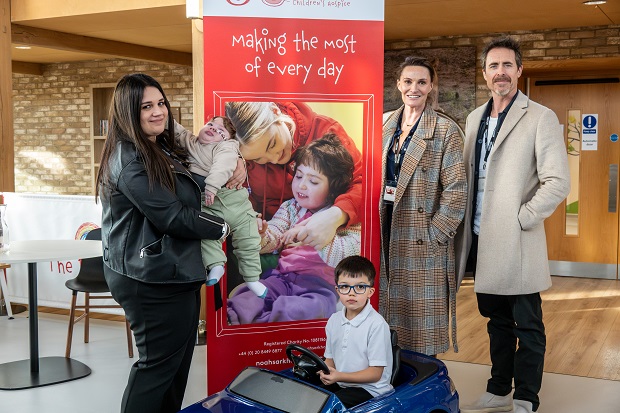
On a visit to Noah’s Ark the couple met Christina and her two sons, Arthur aged one, and nine-year-old Joseph, (see above), who both attend drama and music sessions at the hospice.

The trust is to fund a total of 300 drama therapy sessions — the latest initiative to get their backing since they started raising money in memory of their daughter Ella-Jayne who died in 2019 at the age of eight from a congenital heart defect.

Sarah said their trust – which has directed over £4 million to healthcare projects since it was established in 2014 – was there to help families at their darkest hours.

“When our daughter was in intensive care for four months, we witnessed at first hand the unmet need for emotional and psychological support.

“If the mounting trauma of having or being a seriously ill child isn’t properly processed with professional help, it can have devastating consequences.”

Sarah met Pasha Wild (above left), drama and movement therapist at Noah’s Ark, who stressed the value of therapy in helping children explore different parts of themselves and untangle and unpick things in a way which is helpful for them.

Christina Lucas-Dodsworth, whose son Arthur was referred to Noah’s Ark, was full of praise for Pasha’s support.

Arthur, who has severe hypoxic ischemic encephalopathy had to be transferred to a neonatal intensive care unit, and it was thought unlikely he would survive coming off a ventilator.

He was referred to Noah’s Ark, became less critical, and now attends a drama and music group, Tunes and Tales.

His brother Joseph also has drama therapy with Pasha to help him deal with the issues which can affect siblings of seriously unwell children.

Christina said Joseph was now much happier at school.

“When we told Joseph his little brother might not be here that long, it was a very difficult conversation to have. 

“Now, he is able to start opening up to his teachers and tell them what is on his mind, saying things like Arthur is in hospital today and that he’s feeling a bit worried.

“After the session with Pasha he’s much more comfortable talking about these things.

“I think the drama therapy is good at tackling the prospect of loss and it is definitely helpful for a child who doesn’t want to do the talking at that age and for whom it’s probably just far too much.”   

During their visit, Sarah and James were briefed on the challenges facing the children’s palliative care sector.

Only 17 per cent of Noah’s Ark’s income is funded centrally through the Children’s Hospice Grant and the rest is raised through voluntary donations.

Currently the hospice’s running costs stand at approximately £18,000 a day.    

Posted on

McMullen brewery says two Barnet pub closures are only a “temporary measure” and that the premises should re-open by the spring

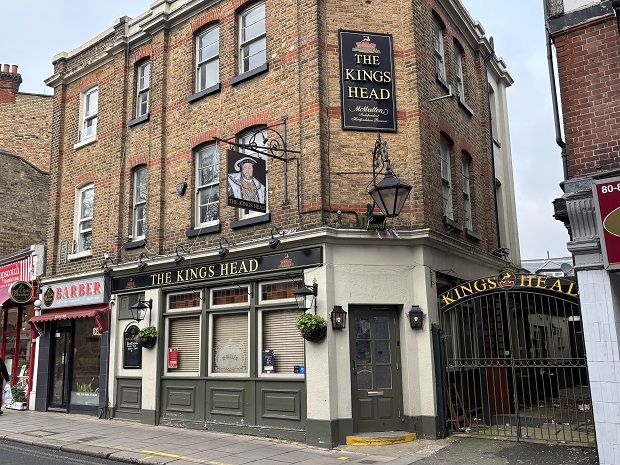
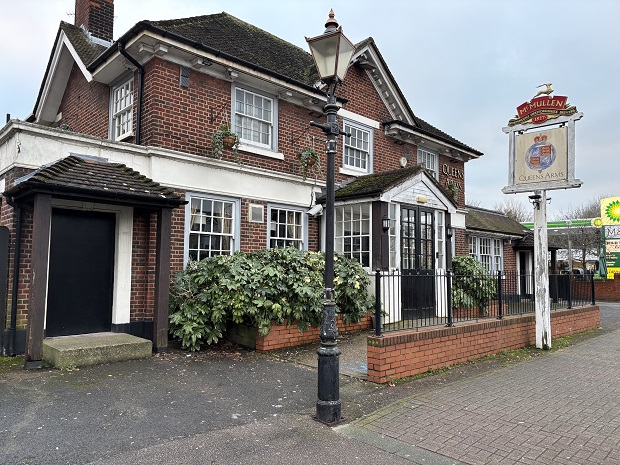
Regular customers at The Queens Arms, Barnet, have been fearing the worst with the doors remaining locked and no sign of life inside. However, they have been assured that the closure — and also the closure of the Kings Head in Barnet High Street — are both only temporary.

Hertford brewers McMullen and Sons say they have recruited a  new tenants for the Kings Head but are still in the process of lining up a new tenant for the Queens Arms.

The Kings Head has been closed since September. McMullens told the Barnet Society the company hopes to re-open the pub by late spring or early summer.

Several potential tenants have expressed an interest in taking on the Queens Arms and the aim is to have it re-opened at the latest by the spring.

The Queens Arms, with the Everyman cinema on one side and a BP petrol station on the other, is mid-way between the Northern Line and the Great North Road.

There has been speculation on social media that this large site, which includes a car park, might be sold off for redevelopment as flats.

But McMullens stressed that the closure was only temporary.

Local concern about the future of the Queens Arms has been heightened by the grim statistics about the difficulties facing the licensed trade with reports from across the country of an average of 34 pubs closing every month.

Another McMullen pub just a few hundred yards away, The Old Red Lion at the bottom of Barnet Hill, was closed in 2015 and replaced with a group of town houses.

East Barnet village has been without a pub for almost a year since the Stonegate group closed the Prince of Wales – but locals have been encouraged to see that work has started on refurbishing the premises.

The prospect of losing the last pub in the village was such a blow, that campaigners succeeded in registering The Prince of Wales as an asset of community value – only to find that there was a last-minute reprieve. 

Stonegate Group finally confirmed that the pub had been to the sold to another pub company, Heartwood Collection, a hospitality group which runs upmarket inns and restaurants across southern England.

Heartwood have promised a “multi-million-pound refurbishment” with the bar and dining room enhanced to provide a combined capacity of 150 covers. In the rear garden there would be a terrace for up to 55 covers.  

Posted on

Likely demolition of industrial and repair workshops has prompted a lookback to days when laundry was all hand washed

Plans to demolish a group of workshops and other industrial premises mid-way between Barnet and Whetstone has revived family memories of how it was once the site of a well-regarded laundry serving customers in and around North London.

Meadow Works, just off the Great North Road, was established as a hand laundry by Sidney Morris early in the 1900s and his descendants have compiled a history of what became a flourishing local business.

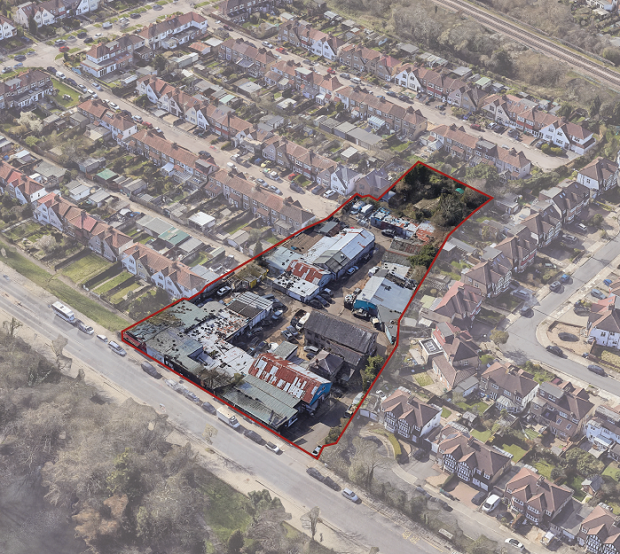
An application to build a new self-storage depot on the site – see aerial view above — is to be submitted to Barnet Council in mid-February by Compound, a development company, which is opening self-storage facilities around London and the south-east.

Currently the site is occupied by a range of workshops, small garages, and vehicle repair firms many of which would be displaced.

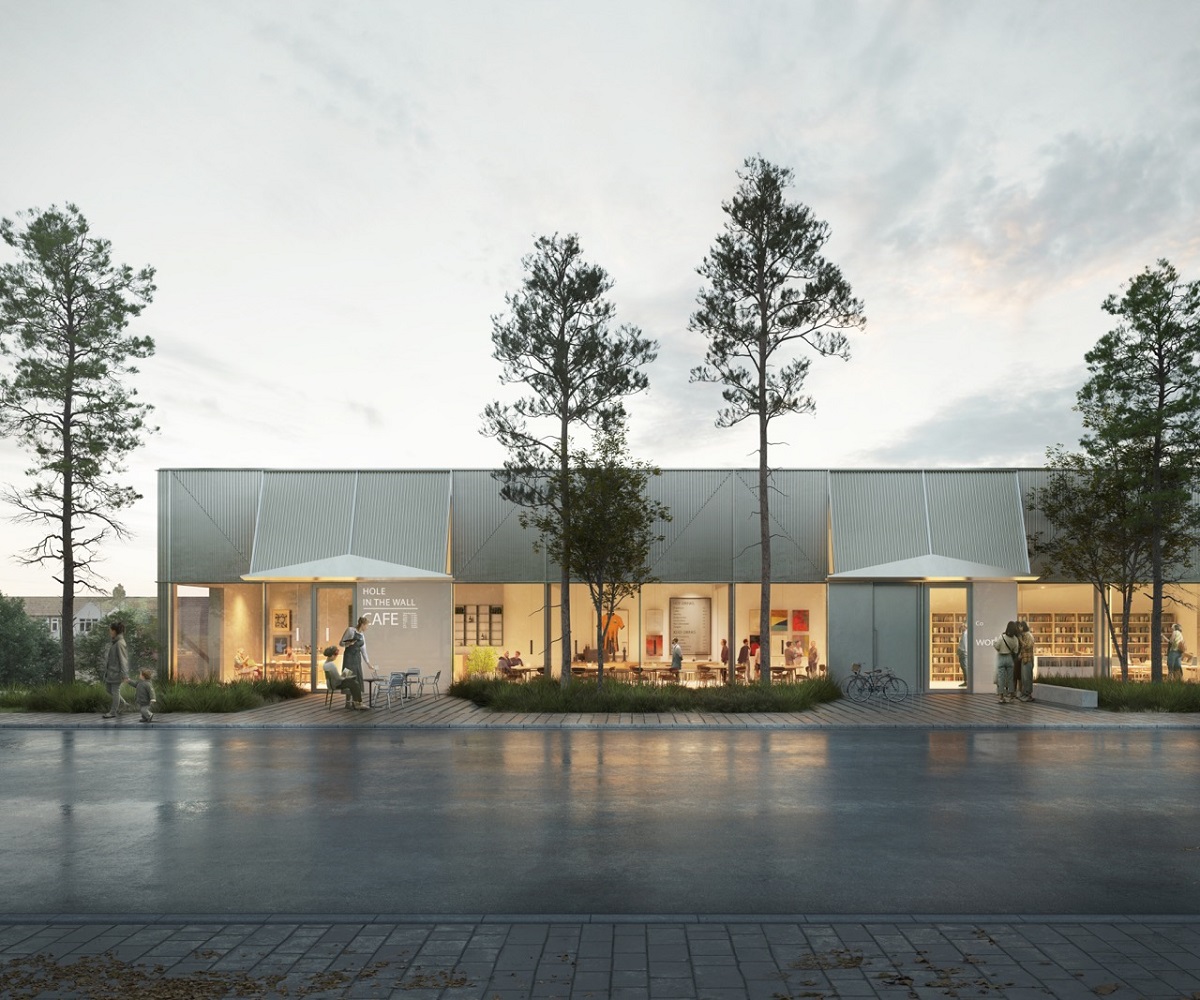
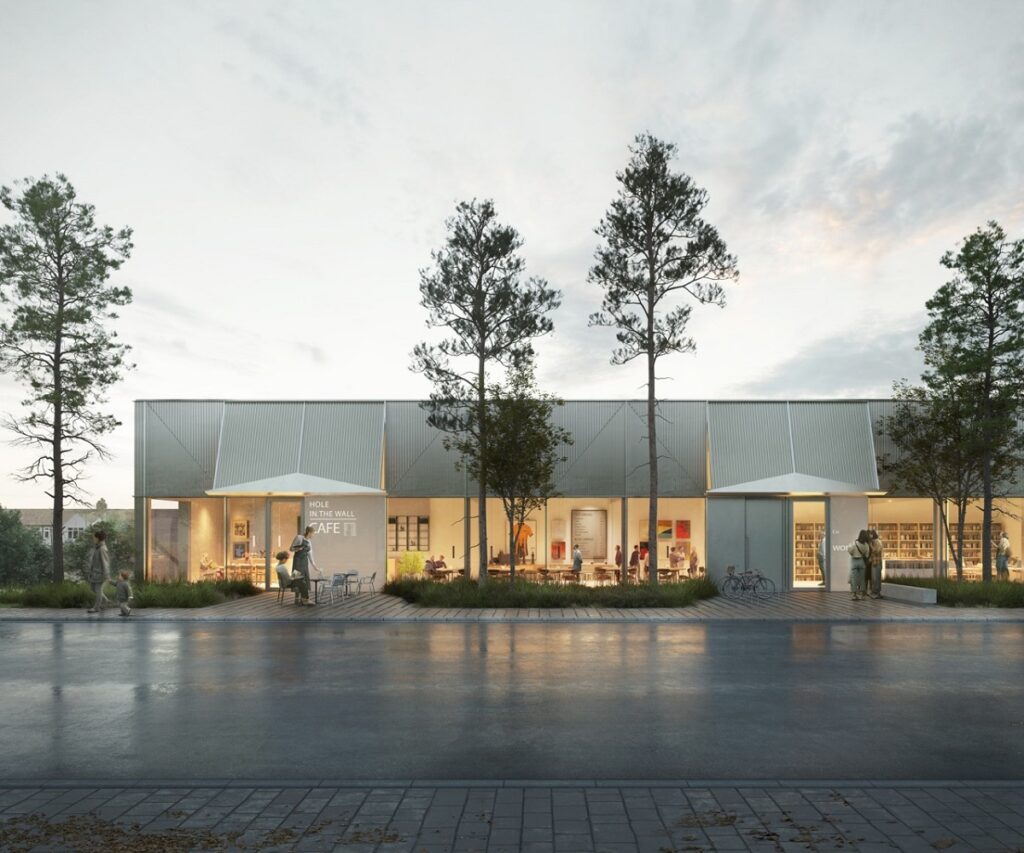
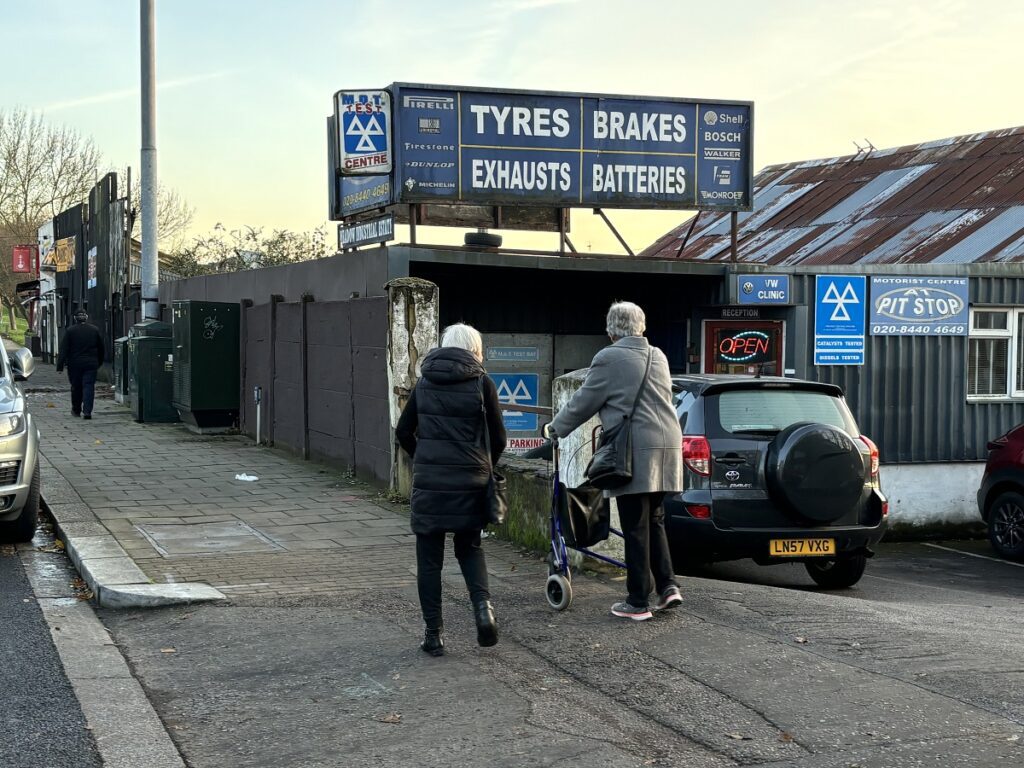
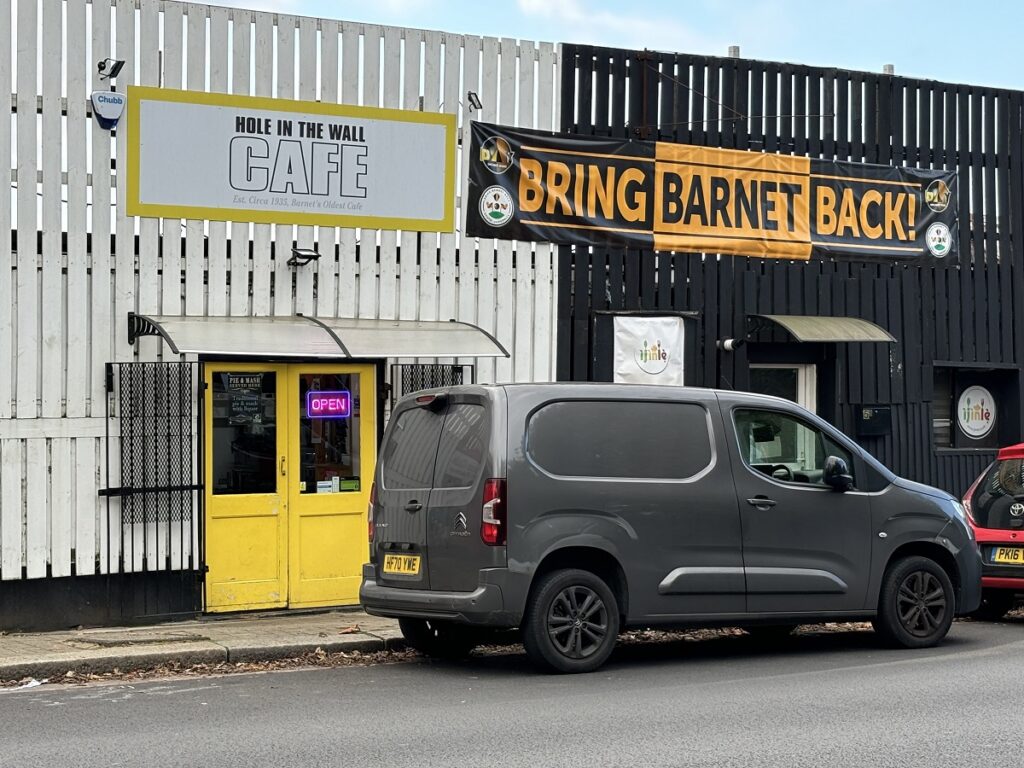
Co-working spaces will be provided as part of the redevelopment and the application proposes new premises, fronting on to the A1000, for the well-known Hole in the Wall Cafe.

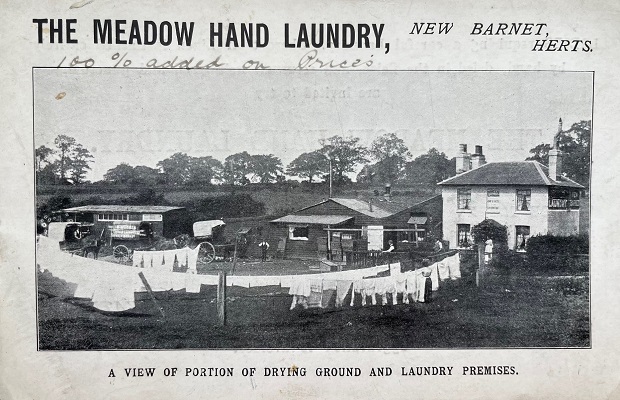
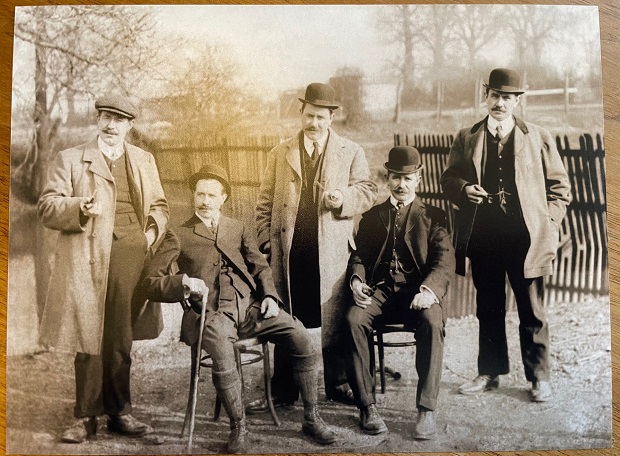
A sales brochure for the Meadow Hand Laundry shows how it looked soon after the business was opened by Sidney Morris who bought the site in 1901.

Laundry was hung out to dry in the surrounding meadows. Hampers of washed and ironed laundry were delivered by horse-drawn carts to customers in London and nearby towns and villages in Hertfordshire.

A photograph of the laundry staff indicates the scale of the business.

Much of what has since become the Meadow Works industrial estate is hidden behind large hoardings alongside the Great North Road.

These were erected by the Finchley Bill Posting Company to serve as advertising space, and they had the added advantage of preventing dust blowing from the road onto the laundry drying in the meadows.

Sidney Morris – seen above, standing far right – was born in Finchley. He was one of five brothers and a blacksmith and mechanical engineer by trade.

The photograph, which was taken outside the laundry, shows the rural nature of the land around Meadow Works as it was in 1910.

After first purchasing land for a laundry business at New Southgate, Sidney opted instead for the Great North Road and bought a meadow and house then known as Whelm Villa.

After the property was destroyed in a fire in 1910, he built the Meadow Works main building which was completed in 1914 together with a family home.

He created extra space by rebuilding and converting a former green tin church moved from its site in Athenaeum Road, Whetstone.

Buildings on the site were requisitioned by the Army during first and second World Wars and as the laundry business declined, Sidney encouraged his sons to build up an alternative enterprise as bakery engineers.

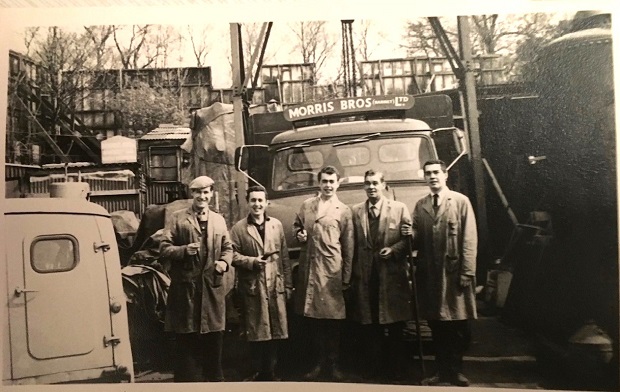
For a time, the factory was let out to a tailoring firm called Taylors but by the early 1970s Morris Brothers (Bakery Engineers) was well established by brothers Jack and Dan Morris (Jack is second from the right, above).

When Sidney Morris purchased Whelm Villa it was the only building on the Great North Road between Barnet and Whetstone and it was thought originally to have been a coaching inn or hotel.

Traffic along the main road has continued down the years to offer plenty of business opportunities.

In the 1920s there was a coffee stall at the corner with Lyonsdown Road which was owned by a Mr and Mrs Francis.

After criticism from local councillors about the appearance of their stall, which was a caravan on wheels, they rented space from the laundry and opened what became the Hole in the Wall Cafe – named because it was hidden behind the advertising hoardings.

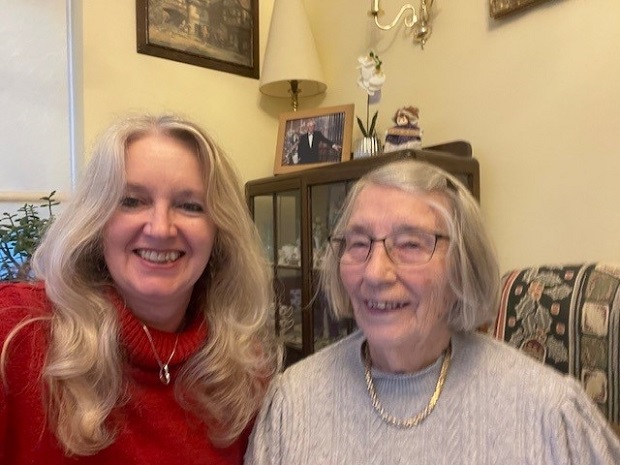
Recollections about the history of Meadow Works, and those who lived and worked there, have been collected from members of the wider Morris family by Jane Polledri (left) and Barbara Vallé, great granddaughter, and granddaughter of Sidney Morris. 

Jane said the demolition of buildings on the site, including The Whelm, which was the original home of the Morris family, had prompted her to start compiling a record of what they could all remember.

“It is sad to think that a place which holds so many happy family memories is about to be demolished.

 “I have learned so much about the history of the place. The original building, Whelm Villa, was thought to have been a coaching inn or hotel on the Great North Road.

“Family legend has it that Dick Turpin or even Charles Dickens stopped off there.

“We know there was stabling for horses and one of my uncles remembers seeing bricks on the porch floor which outlined the name ‘Whelm Hotel’.

“We are not sure where the name Whelm came from. It could be a corruption of the word elm, after the elm trees alongside the Great North Road, and well – after the well behind the house.

“Between the wars a man stored a small aeroplane in the field at the back of the house and used take off flying in the direction of the Odeon cinema.”

Jane’s mother Barbara, who is 85, says she spent her school days visiting with her mother Doris and grandmother Kate Morris at Meadow Works.

“My mother worked in the laundry with her two sisters. There was always so much to do and see.

“There was a large greenhouse, stables for horses and carts, styes for four pigs, chickens and fields with a large pond where grandfather’s children used to swim.”

After buildings were requisitioned by the Army requisitioned during the Second World War – and used to store furniture for people whose homes had been bombed – Barbara remembers seeing soldiers there and sometimes sitting on their knees.

After the war German prisoners of war were assigned to work at Meadow Works before returning home. They helped feeding the horses, pigs and chickens.

“Now the fields and meadows that I remember – and a house where I spent such a happy time – is about to become a distant memory,” said Barbara.   

Posted on

Barnet Council under pressure to do more to support low-income families by following the lead set by Chipping Barnet Foodbank

Pioneering work by Chipping Barnet Foodbank is highlighting Barnet Council’s shortcomings in tackling hardship resulting from food shortages and inadequate advice for needy families.

Continue reading Barnet Council under pressure to do more to support low-income families by following the lead set by Chipping Barnet Foodbank

Posted on 9 Comments

Barnet Council planning £22 million in cuts and another significant hike in council tax to tackle spending crisis

Barnet residents should know by late February the full extent of the expenditure cuts which will have to be imposed by the borough council to reduce a looming budget deficit which could still top £50million.

Continue reading Barnet Council planning £22 million in cuts and another significant hike in council tax to tackle spending crisis

Posted on

Primary and junior schools in Barnet are a welcome home for surplus, reconditioned computer laptops and chrome books

Whitings Hill Primary School is among the recent beneficiaries of a borough-wide Digital Inclusion project to repurpose surplus computer chrome books and laptops for use in schools across Barnet. 

Continue reading Primary and junior schools in Barnet are a welcome home for surplus, reconditioned computer laptops and chrome books

Posted on

Longest-ever commission for mural artist wins prize for festive display in High Barnet’s Christmas window competition

An exceptionally long festive decoration extending over 14 separate windowpanes at the Mama Fifi restaurant has won High Barnet’s competition for the most imaginative Christmas window presentation.

Continue reading Longest-ever commission for mural artist wins prize for festive display in High Barnet’s Christmas window competition

Posted on

Third generation of cafe proprietors celebrate 70th birthday of Dory’s — a High Barnet town centre institution

Behind an unassuming front door just off Barnet High Street is the hustle and bustle of a café which for the last 70 years has been producing a constant supply of full English breakfasts, hot meals, snacks, sandwiches and an endless supply of teas and coffees.

Continue reading Third generation of cafe proprietors celebrate 70th birthday of Dory’s — a High Barnet town centre institution

Posted on

New local history play features life of Mary Livingstone, wife of famous explorer who lived on Hadley Green

Events surrounding the history of a house on Hadley Green which for a few years was the home of the Victorian explorer Dr David Livingstone is the inspiration for a new play to be performed by a High Barnet drama group.

Continue reading New local history play features life of Mary Livingstone, wife of famous explorer who lived on Hadley Green

Posted on 3 Comments

Barnet Medieval Festival is relocating to farmland off Galley Lane with more space for Wars of the Roses re-enactments and camp sites

A 12-acre field off Galley Lane will be the setting next June for what seems likely to be the largest medieval camp and re-enactment site staged by the town since the start of the recent run of events to commemorate the 1471 Battle of Barnet.

Continue reading Barnet Medieval Festival is relocating to farmland off Galley Lane with more space for Wars of the Roses re-enactments and camp sites

Posted on

Exhibition celebrating 50th anniversary of High Barnet nature reserve and environment centre opens at The Spires shopping centre

Barnet’s credentials as a green borough have been strengthened enormously by the dedication of volunteers who maintain the seven-and-a-half-acre nature reserve and environment centre off Byng Road.

Continue reading Exhibition celebrating 50th anniversary of High Barnet nature reserve and environment centre opens at The Spires shopping centre